Is Chipboard Durable? Strength, Screws & Moisture Risks Explained
Yes, chipboard is durable enough for a lot of jobs, but it’s the weakest of the common engineered woods, and moisture is what actually kills it.
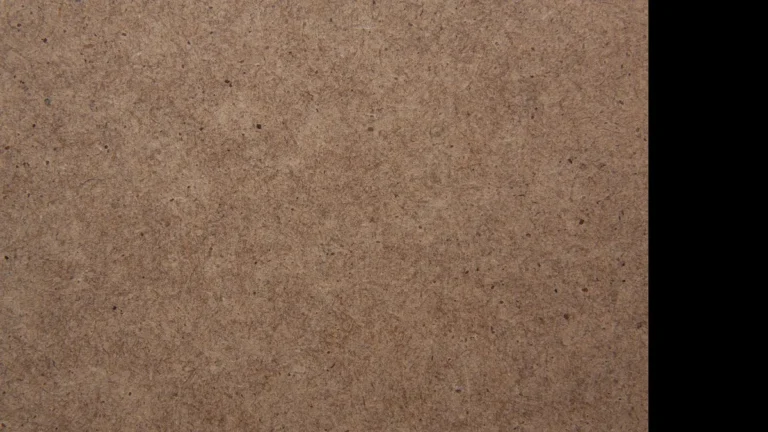
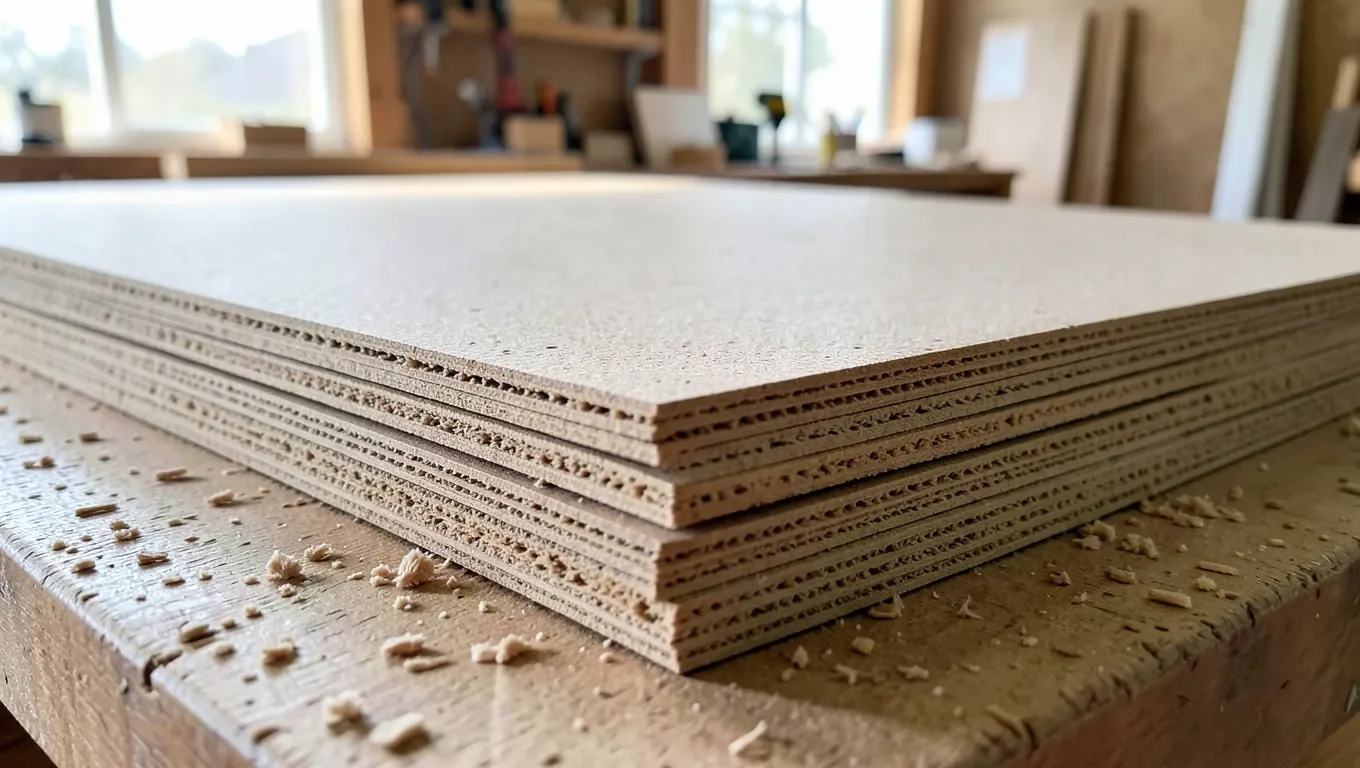
Chipboard is wood chips and shavings pressed into a sheet with resin, and in the UK and Australia “chipboard” is simply the local name for what North America calls particleboard – it’s the exact same material, not a different product. That terminology mix-up trips a lot of people up when they’re reading reviews or product listings from the other side of the Atlantic.
What actually determines whether it holds up in your project isn’t the name, it’s three things: how much load you put on it, how often screws go in and out of it, and whether it ever gets wet. Below is the honest breakdown of each, including where chipboard is a genuinely smart choice and where it will let you down.
What Chipboard Actually Is
Chipboard is made by mixing wood chips, planer shavings, and sawdust (often leftover mill waste) with a synthetic resin binder, then pressing the mixture flat under heat until it fuses into a rigid board. That’s a different process from plywood, which is thin layers of real wood veneer glued and stacked, and from MDF, which uses much finer wood fibers instead of chunky particles. The coarser particle structure is exactly why chipboard is cheaper than both – and exactly why it behaves differently under stress and moisture.
Not all chipboard is graded equally, either. Standard interior-grade boards are the cheapest and what you’ll find in most flat-pack furniture. Moisture-resistant (often labeled “MR” or tinted green) grades add wax sizing and different resins to slow water absorption, and are worth paying a little more for in anything that lives in a kitchen, laundry room, or bathroom. Flooring-grade chipboard is denser and thicker (commonly 18-22mm) and rated for underlayment use, but it’s still not a substitute for plywood where the subfloor itself is load-bearing.
Best Screw For Chipboard & Particleboard
 |
Fas-N-Tite Particle Board Wood Screws, 75-Pack – $5.92 Coarse threads built specifically to bite into chipboard’s loose particle structure without stripping out.
|
If you’re buying or building anything with chipboard, the fastener matters more than most people assume. Standard wood screws can strip out of chipboard’s loose particle structure, especially in the edges of a panel – a coarse-thread screw designed for particleboard bites into the material instead of just spinning in place.
How Durable Is Chipboard, Really?
Chipboard can carry light to moderate loads without issue – shelving with a few books, a flat-pack dresser, a desk with a laptop on it. Where it struggles is screw-holding strength, and specifically the difference between the face of the board and its edge. Screws driven into the flat face of a chipboard panel hold reasonably well because they’re gripping particles compressed from every direction. Screws driven into the edge (like a cam-lock fitting on flat-pack furniture) have much less material to bite into, so edge joints are the first thing to loosen or pull out over years of use – especially after a piece of furniture has been assembled and disassembled more than once.
That’s a real, measurable weakness compared to plywood, where the cross-grain veneer layers hold screws far more consistently whether you’re going into the face or the edge. It’s also why IKEA-style furniture uses cam locks and dowels instead of relying purely on screws into chipboard edges – the fastener design compensates for the material’s limits.
Density also plays a bigger role in chipboard’s strength than most buyers realize. Higher-density boards (roughly 45-50 lb/ft³ and up) are noticeably stiffer and hold fasteners better than the lightweight, low-density boards sometimes used in the cheapest furniture lines, where you can occasionally see the board flex or dent from a firm press of a thumb. If a listing gives you a density spec, treat a higher number as a genuine durability signal, not just marketing.
Chipboard’s Real Weakness: Moisture
Moisture, not weight, is what actually ends most chipboard furniture’s life. Standard chipboard can swell 15% to 25% of its starting thickness when it soaks up water, and unlike solid wood, it doesn’t dry back out cleanly – the bond between the particles breaks down, so the board stays puffy, soft, and weak even after it dries. Water-resistant (moisture-resistant, or “MR”) grades exist and limit swelling to under 10%, which is a meaningful improvement, but “moisture-resistant” still isn’t the same as waterproof.
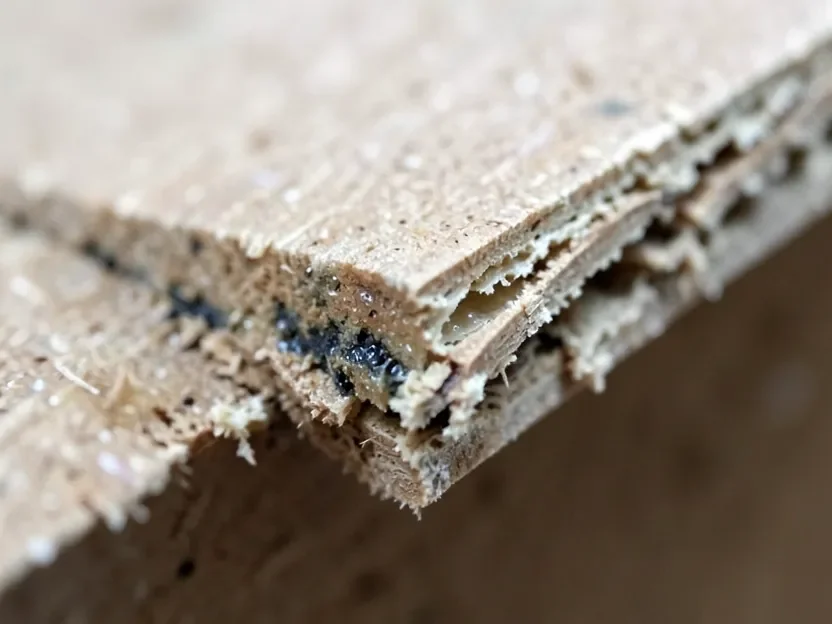
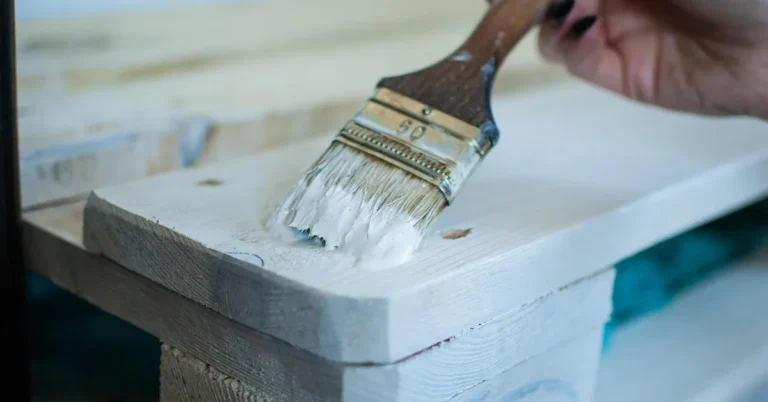
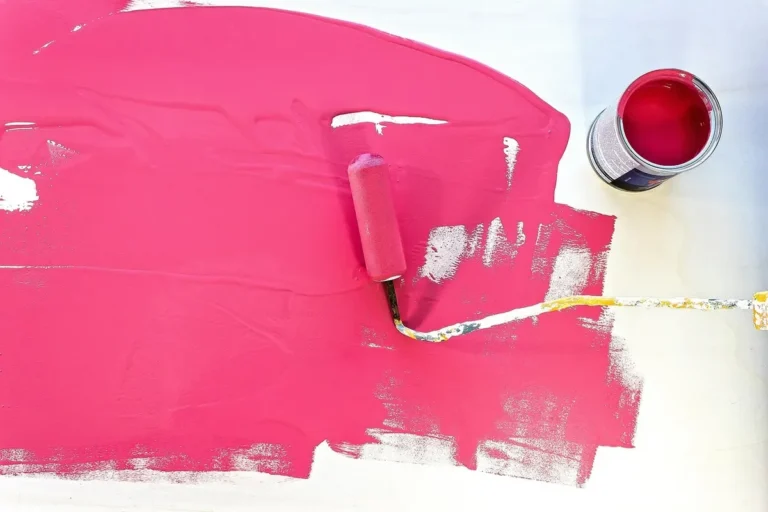
In practice this means the kickboard under a kitchen sink cabinet, a bathroom vanity base, or any chipboard left sitting in a damp basement is a bad bet even if the rest of the piece looks fine. A quick edge-sealing pass with paint, laminate edging, or a water-resistant sealant closes off the exposed particle edges, which is usually where water gets in first.
Chipboard vs Plywood vs MDF: Which Holds Up Better?
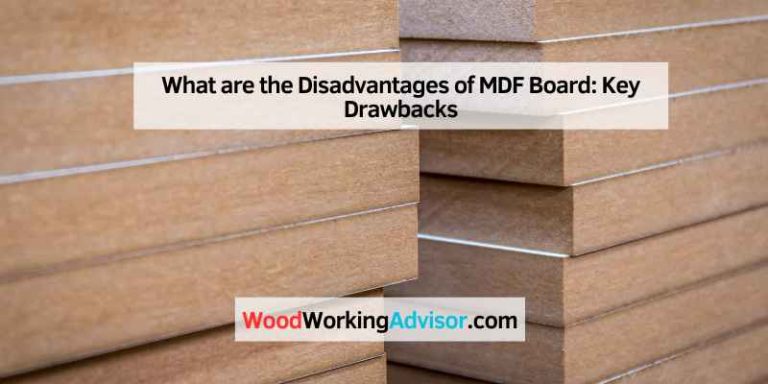
Plywood is the strongest of the three for structural or load-bearing use – its layered grain resists both bending and moisture noticeably better than chipboard’s pressed particles, which is why it’s the standard choice for subflooring and shelving that actually carries weight. MDF sits in the middle: it’s smoother and denser than chipboard, which makes it better for painted furniture and detailed edge profiles, but it’s just as vulnerable to swelling if it gets wet, sometimes more so because its fine fibers wick moisture quickly. For a full side-by-side, see our chipboard vs. MDF vs. plywood comparison.
Chipboard wins on one thing consistently: cost per square foot, plus it’s lighter to move and easier to cut with basic tools, which is exactly why it’s the default core material for flat-pack and budget furniture.
Where Chipboard Holds Up (and Where It Doesn’t)
Good fits: flat-pack furniture cores, closet and cabinet shelving in dry rooms, underlayment beneath carpet or laminate flooring, drawer boxes, and low-cost furniture backs and bottoms that don’t carry structural load.
Poor fits: anywhere near consistent moisture (kitchens, bathrooms, exterior use, basements without climate control), load-bearing structural framing, workbenches or anything taking repeated screw-in/screw-out stress on an edge, and outdoor furniture of any kind. For those, plywood or a moisture-resistant grade of MDF is the safer material.
A practical rule of thumb for shelving: an unsupported chipboard shelf span under about 24 inches, loaded evenly, will usually hold up fine for years. Push past 30-36 inches without a center support or a solid-wood edge strip glued along the front, and you’ll start to see visible sag within a year or two – the material creeps under sustained load even when it never technically “breaks.” Adding a support bracket at the midpoint, or choosing a thicker board (3/4″ instead of 1/2″), solves this cheaply without switching materials entirely.
How To Make Chipboard Last Longer
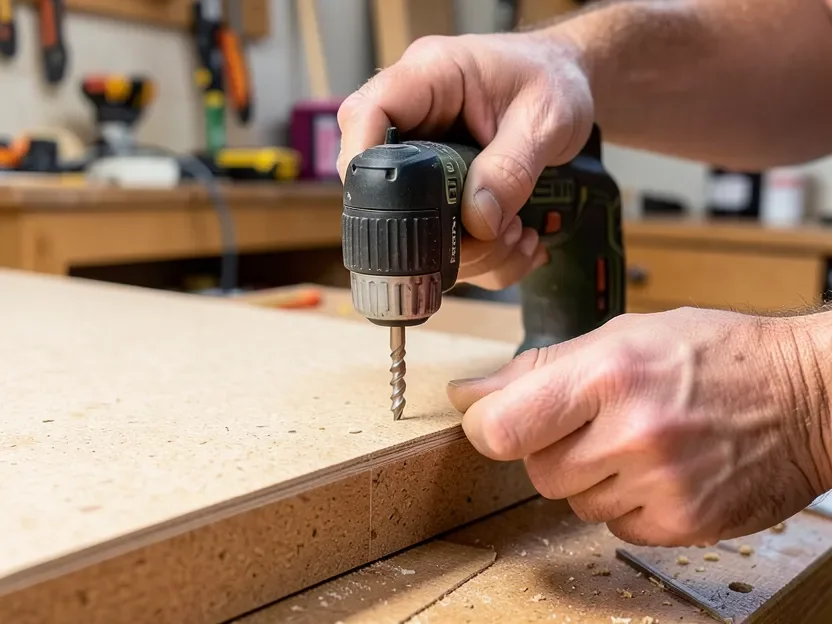
Seal every exposed edge you can, even ones that won’t be visible – edge banding, paint, or a wipe-on polyurethane all work, and it’s the cut edges (not the smooth faces) where moisture gets in fastest. Use particleboard-rated screws rather than standard wood screws, especially on anything that will be assembled more than once, and avoid re-driving a screw into the exact same hole – move over slightly or use a slightly larger screw if a joint has already been taken apart before. Keep chipboard furniture off damp floors (a small gap or feet help), wipe up spills immediately rather than letting them sit, and don’t stack heavy, concentrated loads (like a stack of books in one corner of a shelf) on unsupported spans.
Frequently Asked Questions
Is UK chipboard the same as US particleboard?
Yes. “Chipboard” is the common UK and Australian term, while “particle board” or “particleboard” is the standard North American term – they describe the exact same engineered wood product made from pressed wood chips and resin.
How durable is chipboard compared to plywood?
Chipboard is less durable than plywood for load-bearing and moisture-exposed uses. Plywood’s layered grain gives it stronger screw-holding and better moisture resistance, while chipboard’s pressed-particle structure is weaker under load and swells more when wet.
Can chipboard get wet without being ruined?
Brief, light moisture that’s wiped up quickly usually won’t ruin it, but standing water or repeated dampness will – standard chipboard can swell 15-25% of its thickness when saturated, and that swelling doesn’t fully reverse once it dries.
Do screws hold well in chipboard?
Screws hold reasonably well in the flat face of chipboard but noticeably worse in the edges, which have less material for the threads to grip. A coarse-thread screw made for particleboard reduces stripping compared to a standard wood screw.
Is chipboard suitable for furniture?
Yes, chipboard is widely used for flat-pack and budget furniture cores, shelving, and drawer boxes. It’s a practical, affordable choice as long as the piece stays in a dry space and isn’t taking heavy structural load.
Bottom Line
Chipboard is durable enough for the job it’s built for: affordable, light-duty furniture and shelving in dry indoor spaces. It isn’t the material for anything structural, anything near consistent moisture, or anything that will be repeatedly screwed and unscrewed at the same joint. Seal the edges, use the right screws, and keep it dry, and a chipboard piece will comfortably outlast its low price tag.
Sponsored / affiliate links. As an Amazon Associate I earn from qualifying purchases. I may earn additional commission from eligible campaigns.
 MR SCREWS #8 x 3 Drywall Screws 100PCS Coarse Thread Wood Screws 1 LBS Flat Truss Head Self Tapping Screws Black Phosphate Coated Stainless Fast Self Tapping LZDRY-009
 MR SCREWS #6 x 2 Drywall Screws 180PCS Coarse Thread Wood Screws 1 LBS Flat Truss Head Self Tapping Screws Black Phosphate Coated Stainless Fast Self Tapping LZDRY-013