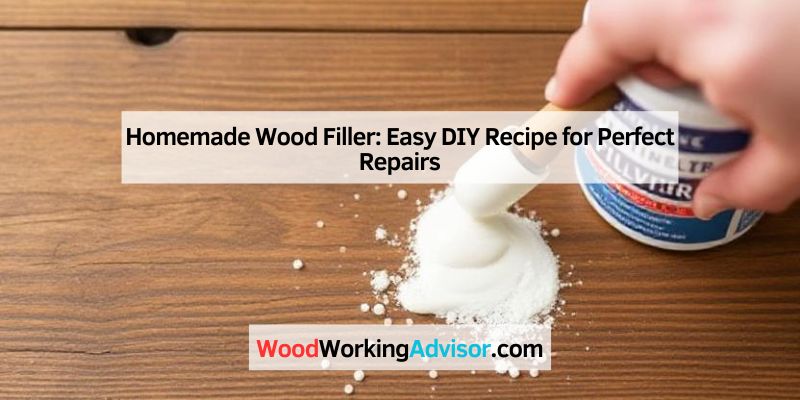
Homemade Wood Filler: Easy DIY Recipe for Perfect Repairs
Wood fillers are essential for repairing wooden surfaces. They help fix holes, cracks, and imperfections.
Homemade wood filler is a cost-effective and simple solution. Crafting wood filler at home can save you money and time. It also allows you to control the ingredients, ensuring a natural and safe product. This DIY approach offers a great alternative to store-bought fillers, which may contain chemicals.
You can create a filler that matches your wood’s color and texture. The process is straightforward and uses common household items. Dive into this guide to learn how to make your own wood filler, and keep your wooden surfaces looking flawless.

Credit: www.youtube.com
Introduction To Homemade Wood Filler
Making your own wood filler can save money. It is simple and fast. You can match it to your wood color. Store-bought fillers may not always match.
Benefits Of DIY Wood Filler
DIY wood filler is cost-effective. It uses materials you already have. You can mix it to get the perfect color match. Customization is a key benefit. Homemade filler is also environmentally friendly. You avoid chemicals found in store-bought options. This is better for your home and health.
Common Uses For Wood Filler
Wood filler repairs small holes and cracks. It is ideal for fixing dents and scratches. Use it to smooth out rough spots. It helps in restoring old furniture. Wood filler can also fill gaps in wooden floors. It is useful for minor woodworking projects. Always sand the area after applying filler. This ensures a smooth finish.
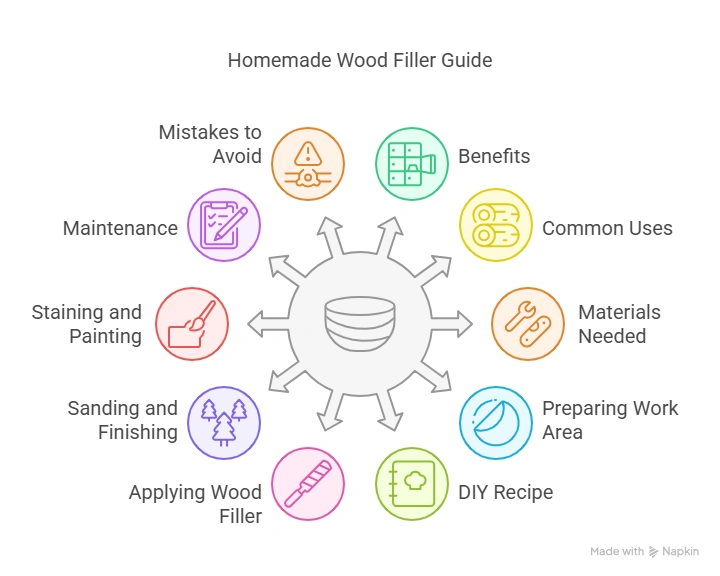
Materials Needed
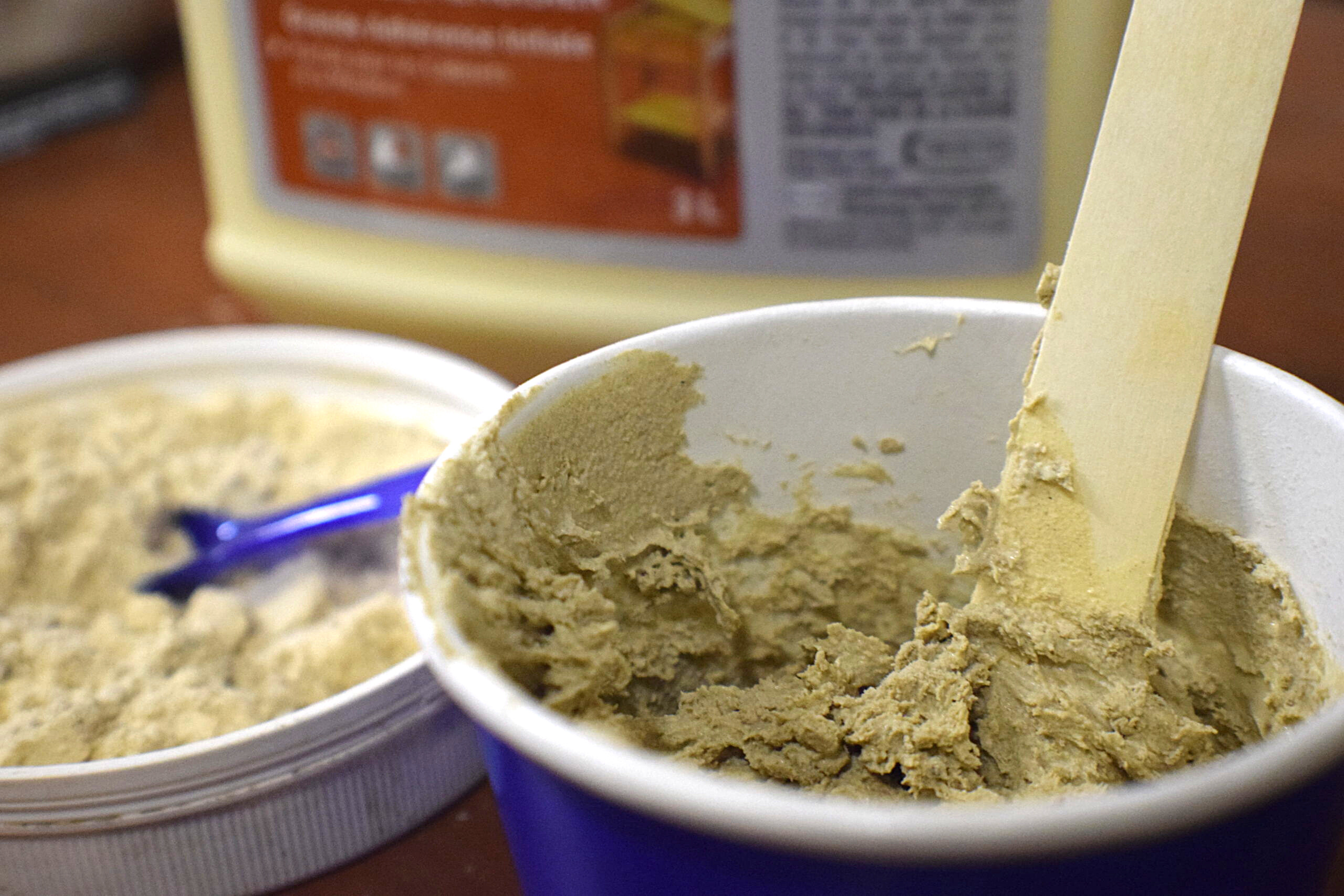
Making wood filler at home is simple. You need sawdust and wood glue. Sawdust should be fine and clean. Wood glue must be strong and quick-drying. Mix equal parts of sawdust and glue. Stir until you get a thick paste. This paste will fill gaps and cracks in wood. It’s important to use sawdust from the same wood type. This helps match color and texture.
Optional additives can enhance the wood filler. Add a bit of wood stain for color matching. Some people use sand for a rougher texture. You can also mix in a bit of water for a smoother consistency. Always test on scrap wood first. This ensures the right look and feel.
Preparing The Work Area
Start by removing dirt and dust. Use a damp cloth. Wipe the surface gently. Let it dry completely. Any remaining dust can ruin the filler. Ensure the area is spotless.
Gather all needed tools. You will need sandpaper, a putty knife, and wood glue. Don’t forget the sawdust. It’s important for making the filler. Have everything ready to avoid delays.
Credit: www.manmadediy.com
Simple Diy Wood Filler Recipe
Creating wood filler at home is easy. Gather sawdust and white glue. Mix them together in a bowl. Ensure the blend is thick. Apply the mix to the cracks in wood. Use a putty knife for smooth application. Let it dry completely. Sand the area for a smooth finish.
Use fine sawdust for best results. Avoid coarse sawdust. Mix well to avoid lumps. Add a bit of water if too thick. Test on a small area first. Adjust the mix if needed.
Applying The Wood Filler
First, clean the area. Remove any dust or debris. Then, take a small amount of the wood filler and press it into the crack or hole. Use a putty knife to smooth the surface. Make sure the filler is level with the wood. Allow the filler to dry. This usually takes a few hours.
For bigger holes, you need more filler. First, clean the area well. Then, apply the filler in layers. Press each layer firmly into the hole. Let each layer dry before adding the next. Once the hole is filled, smooth the surface with a putty knife. Sand the area after it dries. This helps to blend the repair with the rest of the wood.
Sanding And Finishing
Using the right sandpaper is important for a smooth finish. Sandpapers come in different grits. Lower numbers are rougher. Higher numbers are finer. Start with rough sandpaper to remove large bumps. Finish with fine sandpaper for a smooth surface.
For wood filler, choose sandpaper with a grit between 120 and 220. This range will help smooth out the filler. Avoid pressing too hard. Gentle sanding is best. Move the sandpaper in one direction. This helps avoid scratches.
Always sand in the direction of the wood grain. This prevents scratches. Use a sanding block for even pressure. Sand edges lightly to avoid rounding them.
After sanding, wipe the surface with a damp cloth. This removes dust. Dust can ruin the finish. Apply a coat of finish after dusting. Let it dry completely. Sand between coats for a smooth look.
Staining And Painting Over Filler
Homemade wood filler works great for small repairs. It can blend well with stains and paints, creating a smooth finish. Make sure to sand the filler before applying stain or paint for the best results.
Matching Wood Stains
Wood filler can absorb stain differently. Test on scrap wood first. This helps match the color. Use a small brush for precise application. Allow the stain to dry completely. Check the color match after drying. Repeat the process if needed. Use a clear finish to seal the stain. This provides a uniform look.
Best Practices For Painting
Smooth the wood filler with sandpaper. Make sure it is even with the wood surface. Use a primer before painting. This helps the paint stick better. Apply thin coats of paint. Allow each coat to dry. Sand lightly between coats. This gives a smooth finish. Use a clear sealer if desired. This protects the paint and wood.
Maintenance And Longevity
After applying wood filler, keep the area clean and dry. Use a sealer or paint for extra protection. This stops moisture and dirt from ruining the repair. Avoid placing heavy items on the repaired spot. This helps keep the filler in good shape.
Check the repaired area often. Look for cracks or chips. If you see damage, it is time to reapply the filler. Sand the spot before adding new filler. This makes sure it sticks well. Always follow the same steps for the best results.
Common Mistakes To Avoid
Overfilling cracks can lead to problems. The wood filler might look uneven and bulky. It is better to apply thin layers. Let each layer dry before adding more. This helps keep the surface smooth. Using too much filler can make sanding harder. Less filler means easier sanding.
Sanding is an important step. Skipping it can make the wood look rough. Sanding helps the filler blend with the wood. Use fine-grit sandpaper for a smooth finish. Sanding removes extra filler and smooths out edges. It is better to sand slowly and gently.

Credit: pineandpoplar.com
Frequently Asked Questions
What Can I Substitute For Wood Filler?
Use a mixture of sawdust and wood glue as a wood filler substitute. Epoxy, spackle, or auto body filler also work.
How Do I Make Homemade Wood Filler?
Mix sawdust with wood glue until it forms a thick paste. Apply the mixture to the wood cracks. Let it dry and sand smooth.
What Can Be Used For Wood Filler?
Wood filler options include epoxy, latex, and polyester resin. Use sawdust mixed with glue for a homemade solution.
How Do You Fill Wood Without Wood Filler?
Use a mixture of sawdust and wood glue to fill wood. Apply it, let it dry, and sand smooth.
Conclusion
Creating homemade wood filler is simple and effective. It saves money and time. The ingredients are easy to find. The process is straightforward. Using homemade wood filler can improve your woodworking projects. It’s a practical solution for small repairs. You can customize it to match the wood color.
This DIY method is reliable. Try it next time you need wood filler. You’ll be pleased with the results. Your projects will look polished and professional. Happy woodworking!