Homeowners Insurance and Wood Stoves: Risk & Rewards
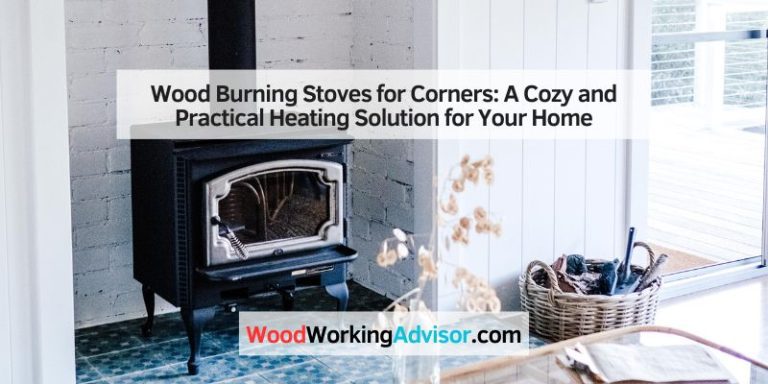
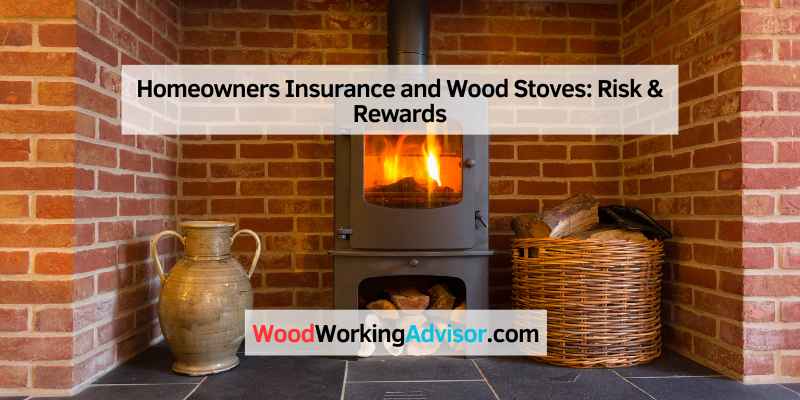
Having a wood-burning stove can increase your homeowners insurance cost, even if it’s not the primary heat source. The make, model, and installation of the wood stove play a significant role in determining its impact on insurance.
Owning a wood-burning stove can be a cozy and cost-effective way to heat your home. However, it’s important to understand the potential impact on your homeowners insurance. Insurance providers may view homes with wood stoves as higher risk, leading to increased premiums.
Factors such as the type of stove, installation, and safety features can influence the extent of the impact on insurance costs. Let’s explore the relationship between wood stoves and homeowners insurance to better understand how it can affect your coverage and premiums.
The Appeal Of Wood Stoves
Wood stoves can have an impact on homeowners insurance costs. The type of stove and how it’s connected to the chimney are important factors in determining the safety of a wood stove. While the increase in premiums is usually small, insurance providers may view homes with wood stoves as higher risk.
Atmospheric Charm
Wood stoves have a timeless appeal that adds a touch of atmospheric charm to any home. The crackling sound of the fire, the warm glow emanating from the stove, and the distinct smell of burning wood create a cozy and inviting atmosphere. Whether you live in a rustic cabin or a modern house, a wood stove can instantly enhance the ambiance of your living space.
Potential Value Increase
Installing a wood stove can potentially increase the value of your home. Many homebuyers are attracted to the idea of having a wood-burning stove as a secondary heat source or for aesthetic purposes. It can be seen as a desirable feature that sets your property apart from others on the market. However, the actual value increase will depend on various factors such as the location, condition, and efficiency of the stove.
If you are considering selling your home in the future, having a wood stove may give you an edge in attracting potential buyers and negotiating a higher selling price.
It’s important to note that while a wood stove can potentially increase the value of your home, it may also impact your homeowners insurance cost. Insurance providers may view homes with wood stoves as higher risk, which could result in increased premiums.
When it comes to homeowners insurance and wood stoves, it’s crucial to understand the potential impact on both the ambiance of your home and your insurance coverage. By weighing the atmospheric charm and potential value increase against the potential insurance cost, you can make an informed decision about whether a wood stove is the right choice for your home.
Insurance Premiums And Wood Stoves
When it comes to homeowners insurance, it’s important to consider all the factors that could impact your premiums. One such factor is the presence of a wood stove in your home. While wood-burning stoves can create a cozy and inviting atmosphere, insurance companies may view them as a potential risk. In this section, we will discuss the assessment of risk and the adjustments that may be made to your insurance premiums when you have a wood stove.
Assessing The Risk
Insurance providers carefully assess the risk associated with different features of your home, including wood stoves. The make and model of the wood stove, as well as how it is connected to the chimney, play a significant role in determining its safety. Insurance companies consider the potential for fire hazards and damage caused by wood stoves, as well as the likelihood of filing a claim related to these risks.
Premium Adjustments
Having a wood-burning stove in your home may lead to adjustments in your insurance premiums. However, it’s important to note that the increase is usually small. Insurance providers recognize that wood-burning stoves can be safe when properly installed and maintained. In fact, you may see higher costs associated with wood stoves compared to pellet stoves, as wood-burning stoves are known to cause more residential fires. Nevertheless, the overall impact on your premiums is typically manageable.
Insurance companies may view homes with wood stoves as higher risk, which can result in increased premiums. However, it’s essential to communicate with your insurance provider and provide accurate information about your wood stove installation. This will help ensure that your premiums are adjusted fairly and reflect the actual level of risk associated with your wood-burning stove.
In conclusion, while having a wood stove in your home may affect your homeowners insurance premiums, the impact is usually minimal. By properly installing and maintaining your wood stove, you can enjoy the warmth and ambiance it provides without significant changes to your insurance costs. Remember to consult with your insurance provider to understand any adjustments that may be made and to ensure you have the appropriate coverage for your home.
Installation Standards And Compliance
When it comes to homeowners insurance and wood stoves, it’s crucial to adhere to proper installation standards and compliance. Professional installation and inspection protocols are essential for ensuring safety and insurance coverage.
Professional Installation
Professional installation of wood stoves is a critical requirement for homeowners insurance. Qualified technicians should perform the installation to ensure compliance with safety standards and manufacturer specifications.
Inspection Protocols
After the installation, thorough inspection protocols must be followed to validate the compliance of the wood stove with local building codes and safety regulations. Professional inspectors should assess the installation to guarantee it meets all necessary requirements for insurance coverage.
Types Of Stoves And Insurance Impact
Wood stoves can impact homeowners insurance, potentially leading to increased premiums. Even if it’s not the primary heat source, having a wood-burning stove in your home may result in higher insurance costs due to the increased fire risk. Factors such as the make and model of the stove, as well as how it is connected to the chimney, play a role in determining the impact on insurance.
Wood Vs. Pellet Stoves
When it comes to choosing a wood or pellet stove, it’s important to consider the impact it may have on your homeowners insurance. While both options can provide efficient and cost-effective heating, wood stoves tend to have a greater impact on insurance premiums due to the higher risk of fires they pose. Pellet stoves, on the other hand, may be viewed as a safer option and could result in lower insurance costs.
Stove Make And Model Considerations
The make and model of the wood stove can also play a significant role in the impact on your insurance. Insurance providers may view certain brands or models as higher risk than others, which can result in higher premiums. It’s important to do your research and choose a reputable brand with a proven safety record to minimize the impact on your insurance.
Additionally, how the stove is connected to the chimney can also impact insurance premiums. Improper installation or maintenance can increase the risk of fires, leading to higher insurance costs. It’s important to have your stove installed and maintained by a professional to ensure its safety and minimize the impact on your insurance.
In conclusion, while wood stoves can provide a cost-effective and efficient heating option, it’s important to consider the impact it may have on your homeowners insurance. By choosing a reputable brand and having it installed and maintained by a professional, you can minimize the risk of fires and potentially lower your insurance costs.
Reporting To Your Insurance Provider
When it comes to homeowners insurance and wood stoves, reporting the addition of a wood stove to your insurance provider is crucial. It’s important to inform your insurance company about any changes to your home, as the presence of a wood stove may impact your coverage and premiums.
Be sure to provide details about the make, model, and installation of the wood stove for accurate assessment.
If you have a wood stove in your home, it’s important to report this to your insurance provider as soon as possible. Failure to do so could result in serious consequences, including denial of coverage in the event of a claim. In this section, we’ll discuss the disclosure obligations that come with owning a wood stove, as well as the potential consequences of non-disclosure.
Disclosure Obligations
As a homeowner, it’s your responsibility to disclose any potential hazards in your home, including a wood stove. When you purchase homeowners insurance, you’ll be asked a series of questions about your home, including whether you have any fireplaces or wood stoves. It’s important to answer these questions honestly and accurately to ensure that you have the right coverage in place.
Consequences of Non-Disclosure
If you fail to disclose your wood stove to your insurance provider, you could be putting yourself at risk. In the event of a fire or other damage caused by your wood stove, your insurance provider may deny your claim if they discover that you didn’t disclose the stove when you purchased your policy. This could leave you on the hook for thousands of dollars in repair and replacement costs.
To avoid these consequences, it’s important to be upfront and honest with your insurance provider about any potential hazards in your home. This will ensure that you have the right coverage in place and that you’re protected in the event of an accident or damage caused by your wood stove.
In conclusion, owning a wood stove can impact your homeowners insurance, but it’s important to be upfront and honest with your insurance provider to ensure that you have the right coverage in place. By disclosing your wood stove and any other potential hazards in your home, you can protect yourself from serious consequences in the event of a claim.
Protective Measures For Risk Mitigation
Wood stoves can impact homeowners insurance, potentially leading to increased premiums. The make and model of the stove and its connection to the chimney play a significant role in determining the safety and risk associated with the stove. Additionally, wood-burning stoves may cause higher insurance costs compared to pellet stoves due to the higher risk of residential fires.
Protective Measures for Risk Mitigation: Homeowners Insurance And Wood Stoves
Wood stoves are a popular choice for many homeowners, providing an efficient and cost-effective way to heat their homes. However, they can also pose a potential fire hazard if not properly maintained and used. That’s why it’s important to take protective measures to mitigate the risks associated with wood stoves. In this post, we’ll explore some safety precautions and regular maintenance tips to help homeowners keep their homes safe and avoid potential insurance issues.
Regular Maintenance
Regular maintenance is essential for keeping your wood stove in good working order and reducing the risk of fire. Here are some maintenance tips to follow:
- Inspect the stove regularly for any damage or wear and tear, including cracks in the stove or chimney, loose or missing parts, and damaged seals.
- Clean the stove and chimney regularly to remove any creosote buildup, which can ignite and cause a fire.
- Replace any damaged or worn parts as soon as possible to ensure the stove is working properly.
Safety Precautions
In addition to regular maintenance, it’s important to follow some safety precautions when using your wood stove. Here are some tips to keep in mind:
- Only use dry, seasoned wood in your stove, as wet or green wood can produce more creosote and increase the risk of fire.
- Never leave a fire unattended, and keep a close eye on children and pets around the stove.
- Install smoke detectors and carbon monoxide detectors in your home, and test them regularly to ensure they’re working properly.
- Keep a fire extinguisher nearby in case of emergency.
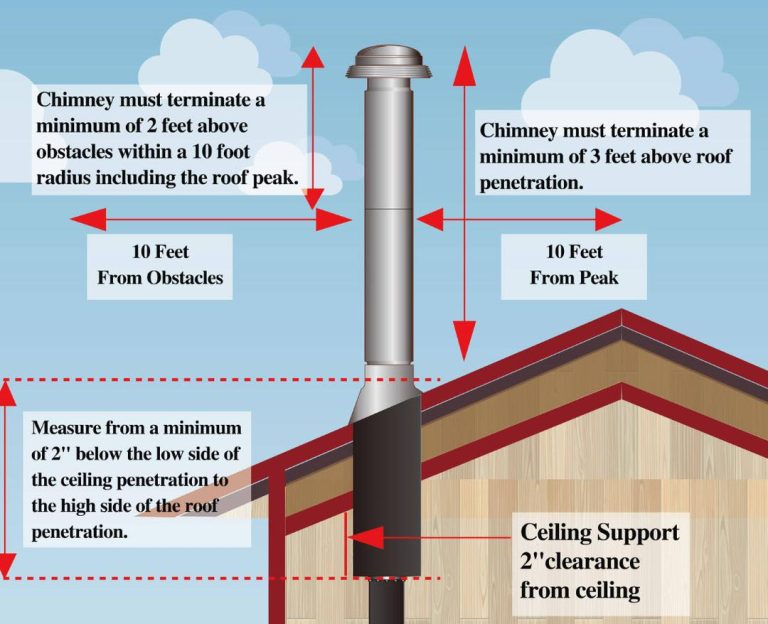
- Make sure the stove is installed and vented properly, and follow the manufacturer’s instructions for use.
By following these regular maintenance tips and safety precautions, homeowners can reduce the risk of fire and keep their homes safe. It’s also important to check with your insurance provider to ensure you have the proper coverage for your wood stove, as some providers may view homes with wood stoves as higher risk and potentially lead to increased premiums.
Claims And Coverage Considerations
Wood stoves can impact homeowners insurance coverage and claims. Installing a wood stove may increase insurance costs due to fire risk. The make, model, and installation of the stove can affect coverage considerations.
Homeowners insurance is designed to provide financial protection for your home and personal property in the event of unexpected disasters, accidents, or incidents. However, when it comes to wood stoves, there are some claims and coverage considerations to keep in mind. In this section, we will explore fire damage scenarios and coverage limitations related to wood stoves.
Fire Damage Scenarios
Fire damage caused by wood stoves can range from small, contained fires to large, devastating ones that can destroy an entire home. Some common fire damage scenarios related to wood stoves include:
- Chimney fires
- Overheating of the stove or stovepipe
- Ignition of nearby combustibles
- Improper installation or maintenance
In any of these scenarios, the damage caused by the fire can be extensive and costly. That’s why it’s essential to have the right homeowners insurance coverage in place.
Coverage Limitations
While most homeowners insurance policies cover fire damage, there may be some limitations when it comes to damage caused by wood stoves. For example, some policies may have specific exclusions related to wood stoves or limit the amount of coverage available.
It’s crucial to review your policy carefully to understand what is and isn’t covered related to wood stoves. Additionally, you may want to consider purchasing additional coverage or endorsements to ensure that you have adequate protection in place.
In conclusion, understanding the claims and coverage considerations related to wood stoves is crucial for homeowners. By being aware of the potential fire damage scenarios and coverage limitations, you can make informed decisions about your insurance coverage and protect your home and personal property.
Alternative Heating And Insurance
When it comes to alternative heating methods, wood stoves are a popular choice for many homeowners. However, it’s important to consider the implications for homeowners insurance when installing a wood stove. Understanding the impact of wood stoves on insurance coverage can help homeowners make informed decisions about their heating options.
Comparing Heating Methods
Before installing a wood stove, homeowners should compare the different heating methods available to them. This includes assessing the cost, efficiency, and safety of each option. By evaluating the pros and cons of various heating methods, homeowners can make an informed decision that aligns with their heating needs and insurance considerations.
Insurance Friendly Options
When it comes to wood stoves and homeowners insurance, there are certain factors to consider to ensure insurance-friendly options. This includes the make and model of the wood stove, its installation, and compliance with safety standards. Homeowners should explore insurance-friendly wood stove options that meet the necessary criteria to minimize potential impacts on their insurance coverage.
Frequently Asked Questions
Does A Wood Stove Affect Home Insurance?
Yes, a wood stove can affect home insurance by potentially increasing the cost of your policy. The type and installation of the wood stove play a significant role in determining the impact on your insurance.
Does A Wood Burning Stove Increase Property Value?
A wood burning stove can potentially increase property value. However, it may also lead to higher homeowners insurance costs due to the increased risk of fire. The type of wood stove and its connection to the chimney play a significant role in determining the safety and impact on insurance premiums.
Can I Have A Wood Stove In My House?
Yes, you can have a wood stove in your house. Ensure proper installation for safety.
Do Pellet Stoves Make Your Insurance Go Up?
Having a pellet stove may increase your homeowners insurance cost, but the increase is usually small. Wood-burning stoves, including pellet stoves, have a higher risk of causing residential fires, which is why insurance providers may view them as higher risk.
However, the impact on your premiums is typically minimal.
Conclusion
Having a wood stove in your home may impact your homeowners insurance. The type of wood stove and its installation can affect the safety of your property, which insurance providers consider when determining premiums. While the increase in cost is usually small, wood-burning stoves may lead to higher insurance premiums compared to pellet stoves due to the increased risk of residential fires.
It’s important to check with your insurance company to understand how a wood stove may affect your coverage and costs.