Wood Burning Barrel Stove: Is It Safe? (Clearances & Risks)
A wood-burning barrel stove is a 55-gallon steel drum fitted with a UL-listed kit (UL 1482) that adds a firebox door, damper, legs, and flue collar to burn wood for heat – but an unlisted drum can void your homeowner’s insurance, and every installation needs at least 36 inches of clearance to combustibles per NFPA 211. Skip either requirement and you risk a chimney fire or a denied claim. This guide covers what a real barrel stove kit needs, the clearance and floor-protection rules, creosote and carbon monoxide risks, and when a permit is required.
What Is a Wood-Burning Barrel Stove (and Is It Worth Buying)?
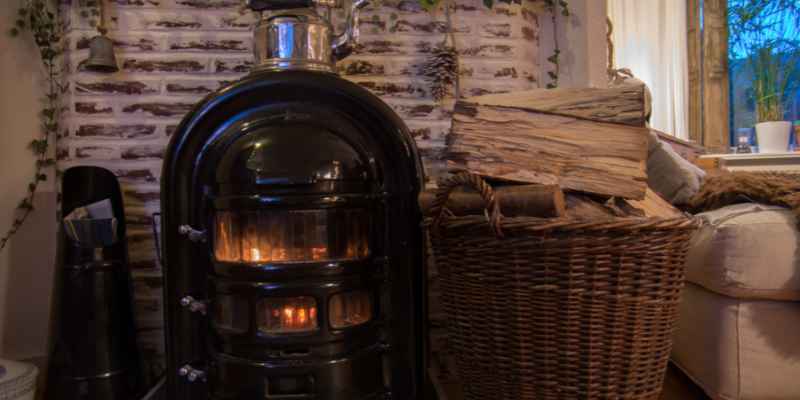
A wood-burning barrel stove is a solid-fuel heater built by fitting a steel or cast-iron kit onto a 55-gallon (or 30-gallon) drum, turning it into a firebox that burns cordwood for radiant heat. It differs from a factory-built wood-burning stove in one key way: the drum itself is not independently tested, so the safety of the finished stove depends entirely on the kit’s UL 1482 listing and correct installation, not on the barrel.
UL 1482, “Standard for Solid-Fuel Type Room Heaters,” is the safety standard that covers fire-chamber kits like these. A kit stamped with a UL 1482 listing has been independently tested for door seal, damper function, and flue-collar fit – an unlisted, no-name kit or a shop-welded stove has not. If you’re ready to build one, our 55-gallon drum wood stove kit guide walks through the parts list and setup order step by step; this guide focuses on whether a barrel stove is the right – and safe – choice for your space in the first place.
Recommended Safety Add-On
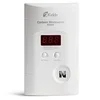 |
Kidde Plug-In Carbon Monoxide Detector with Battery Backup Any wood-burning appliance in a garage, workshop, or cabin needs an independent CO alarm – a barrel stove’s combustion isn’t monitored electronically the way a modern EPA-certified stove’s is.
|
As an Amazon Associate we earn from qualifying purchases.
Clearance and Floor-Protection Rules (NFPA 211)
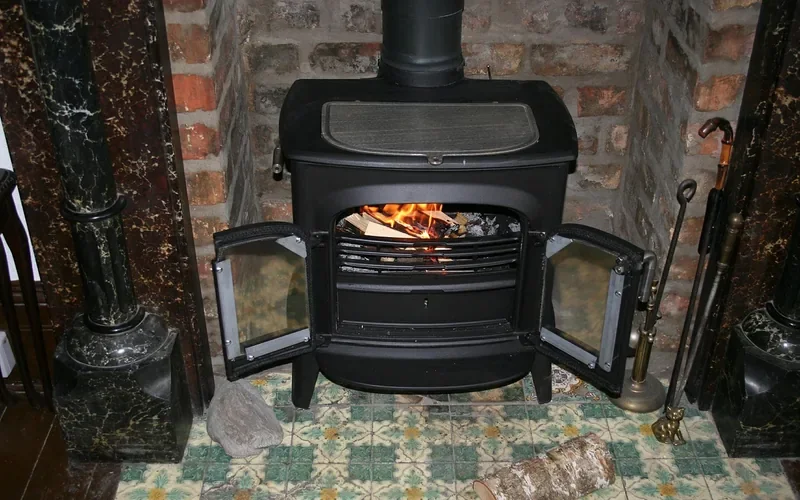
NFPA 211 sets the baseline clearance for an unlisted solid-fuel stove at 36 inches from combustible walls and 48 inches from a combustible ceiling. US Stove’s own barrel-stove-kit installation manual specifies the same 36-inch wall clearance, plus at least 18 inches from the connector pipe to the ceiling or an adjacent wall, with the horizontal flue pipe sloping upward at least ¼ inch per foot toward the chimney.
| Clearance Point | Minimum Distance (Unlisted Stove) |
|---|---|
| Rear and side walls | 36 inches |
| Ceiling above stove | 48 inches |
| Connector pipe to ceiling/wall | 18 inches |
| Floor protection | Non-combustible masonry at least 2 in. thick, topped with 24-gauge sheet metal, extending 18 in. beyond the stove on all sides |
That floor-protection number is worth double-checking against older barrel-stove articles: a stack of loose bricks or a single thin sheet of tin is not equivalent to code-compliant floor protection, and “4 inches of anything” isn’t the actual NFPA 211 requirement. A proper heat shield (noncombustible material with at least a 1-inch airspace) can reduce the 36-inch wall clearance by up to two-thirds – but only when built to the shield spec in your kit’s manual, not improvised. Always follow the clearances printed in your specific kit’s installation manual first; NFPA 211 is the baseline when a manual doesn’t cover a situation.
For more on how much heat a properly cleared stove can realistically deliver to the rest of a house, see our guide on whether a wood burner can heat the whole house.
Creosote Buildup and Chimney Fire Risk
Creosote is the tar-like residue left behind when wood smoke cools and condenses inside a flue before it fully burns off. Barrel stoves are especially prone to it: a large, uninsulated steel drum radiates heat quickly, which can pull flue-gas temperatures down before they clear the chimney, leaving more creosote behind than a smaller, insulated, EPA-certified firebox would.
The Chimney Safety Institute of America (CSIA) links creosote buildup to an estimated 25,000-plus home chimney fires a year in the U.S., with more than $125 million in property damage. Separately, fire-loss data shows that a dirty chimney or flue was a contributing factor in roughly 30% of home heating fires, and that failure to clean the chimney was a factor in about 68% of fires that started in a fireplace, chimney, or chimney connector. A creosote fire inside a flue can reach temperatures high enough to crack a chimney liner.
CSIA recommends a professional chimney sweep and inspection at least once a year for any wood-burning appliance, and more often for a barrel stove run at low, smoldering burns (the exact condition that produces the most creosote). Emptying ash after every use and checking the flue for buildup monthly, as covered in a chimney maintenance routine, cuts this risk substantially – but it doesn’t eliminate the need for an annual professional sweep.
Carbon Monoxide Risk in Garages, Workshops, and Cabins
Barrel stoves are commonly installed in exactly the spaces where carbon monoxide risk is highest: detached garages, workshops, and cabins that are small, tightly sealed, or lack mechanical ventilation. The U.S. Consumer Product Safety Commission (CPSC) names wood-, coal-, kerosene-, and oil-burning appliances specifically as producing large amounts of CO when there isn’t enough oxygen available for complete combustion.
📊 CPSC estimates roughly 200-274 non-fire carbon monoxide deaths a year are linked to consumer products, and heating systems are the single largest contributing category at about 28% (roughly 76 deaths). In its 2022 annual estimate, CPSC recorded 34 non-fire CO deaths specifically in detached structures at residences – sheds and detached garages, the same category a barrel stove is often installed in. Source: CPSC, Home Heating Equipment CO Information
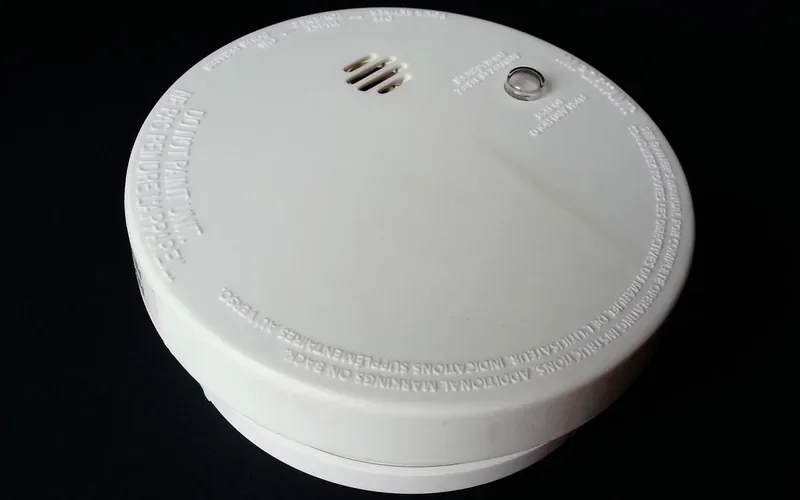
A battery- or plug-in CO alarm rated for residential use, installed near (but not directly above) the stove and checked seasonally, is the minimum safeguard CPSC recommends alongside an annual professional inspection of the stove, chimney, and flue. Never run a barrel stove in a fully sealed space with no outside combustion air, and never use one as a sole heat source in a room where you’re sleeping unless it’s been professionally inspected and the space is properly vented.
Permits, Insurance, and Certification
Do You Need a Permit for a Barrel Stove?
In most U.S. jurisdictions, yes. Many states and hundreds of counties require a building or mechanical permit before installing any solid-fuel heating appliance, including a barrel stove, and some regions restrict or ban installing an uncertified stove entirely. Requirements vary by county and even by city, so call your local building or fire department before you cut a hole for the flue – not after. If you live in a wildfire- or air-quality-restricted state, check rules like the ones covered in our wood-burning restrictions guide before installing any solid-fuel stove.
Does a Barrel Stove Affect Homeowner’s Insurance?
It can. Insurers commonly ask whether a solid-fuel stove is UL-listed and professionally installed before writing or renewing a policy, and a fire loss traced to an unlisted, uninspected stove can complicate or void a claim. Call your insurance provider before installation, not after a claim is filed, and keep the kit’s UL 1482 documentation and any inspection paperwork on file.
UL Listing vs. EPA Certification vs. WETT
These three labels answer different questions, and mixing them up is a common mistake. UL 1482 tests whether the kit’s fire chamber is built safely. EPA certification (required on new stoves sold in the U.S. since 2016 under the agency’s New Source Performance Standards) measures smoke emissions using secondary combustion technology – something a barrel stove’s simple firebox generally doesn’t have, so most barrel stoves are not independently EPA-emissions-certified as complete heating units, unlike a modern catalytic or non-catalytic stove. WETT (Wood Energy Technology Transfer) is a Canadian certification for installers and inspectors, not a U.S. requirement – if you’re in the U.S., ask your insurer what certification or inspection they actually require instead of assuming WETT applies.
Barrel Stove vs. Other Heating Options
| Heating Option | Upfront Cost | Emissions Certification | Best For |
|---|---|---|---|
| Wood-burning barrel stove (UL-listed kit) | Low | Not independently EPA-certified (no secondary combustion) | Garages, workshops, cabins with ready wood supply |
| Factory-built EPA-certified wood stove | Moderate to High | EPA NSPS-certified | Primary or supplemental home heat, lower emissions |
| Electric space heater | Low | Not applicable (no combustion) | Small, occupied spaces with no flue or chimney access |
A barrel stove wins on upfront cost and on using scrap or already-seasoned firewood, but it gives up the cleaner, more controlled burn of an EPA-certified stove. If your main goal is heating an occupied living space efficiently and legally in an air-quality-restricted area, a certified stove or insert is usually the better long-term choice; a barrel stove earns its keep in a detached workshop, garage, or seasonal cabin where a simple, inexpensive heat source outweighs the emissions and insurance trade-offs – as long as it’s installed to the clearances above.
Frequently Asked Questions
Is a Wood-Burning Barrel Stove Safe?
Yes, when it’s built from a UL 1482-listed kit, installed with at least 36 inches of clearance to combustibles per NFPA 211, and paired with a CO alarm and annual chimney inspection. The risk comes from unlisted kits, improvised barrels, skipped clearances, and neglected creosote buildup – not from the barrel-stove concept itself.
Can You Use a Barrel Stove Indoors?
Yes, in a garage, workshop, or cabin, provided it’s installed with a properly sized flue, meets NFPA 211 clearances, sits on code-compliant floor protection, and has a working CO alarm nearby. Check local permit requirements before installation, since most jurisdictions regulate indoor solid-fuel appliances.
Do You Need a Permit for a Wood-Burning Barrel Stove?
In most U.S. counties, yes. Permit rules vary by jurisdiction, so contact your local building or fire department before installation. Skipping a required permit can also affect your insurance coverage if there’s ever a fire loss.
What’s the Difference Between a Barrel Stove Kit and an EPA-Certified Stove?
A barrel stove kit adds a UL-listed fire chamber (door, damper, flue collar) to a plain steel drum, but the resulting stove generally has no secondary combustion system, so it isn’t independently EPA-emissions-certified the way a modern factory-built stove is. EPA certification measures smoke output, not structural fire safety – UL 1482 covers the latter.
How Do You Prevent Creosote Buildup in a Barrel Stove?
Burn well-seasoned, dry hardwood rather than green or wet wood, keep the fire burning hot enough to fully combust the smoke instead of smoldering, empty ashes after every use, and have the chimney professionally swept and inspected at least once a year – more often if the stove is run at low, smoldering burns.
Conclusion
A wood-burning barrel stove can be a genuinely safe, low-cost way to heat a garage, workshop, or cabin – but only when it starts with a UL 1482-listed kit, respects the 36-inch NFPA 211 clearance and correct floor protection, and is backed by a CO alarm and an annual chimney inspection. Skip any one of those and you’re trading a cheap heat source for a real fire or carbon monoxide risk. If you’re ready to build one, see our 55-gallon drum wood stove kit guide for the parts list and setup steps.
Sponsored / affiliate links. As an Amazon Associate I earn from qualifying purchases. I may earn additional commission from eligible campaigns.