Can You Burn Jacaranda Wood? Soft Tree vs Rosewood Facts
Yes, you can burn jacaranda wood: the common jacaranda tree (Jacaranda mimosifolia) is reported to give useful firewood, but its timber is relatively soft, so expect a faster burn than oak. The name also belongs to Brazilian rosewood, a protected species you should never treat as firewood. This guide covers how the two differ, how to burn jacaranda cleanly, and why we do not recommend cooking over it.
Is Jacaranda Wood Good for Firewood?
Best Firewood Moisture Check
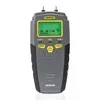 |
General Tools MMD4E Moisture Meter for Wood, Walls & Water Leak Detection A pin-type meter with a backlit LCD that reads wood moisture from 5 to 50 percent, so you can confirm split jacaranda is under the 20 percent burn target before it goes in the stove.
|
As an Amazon Associate we earn from qualifying purchases.
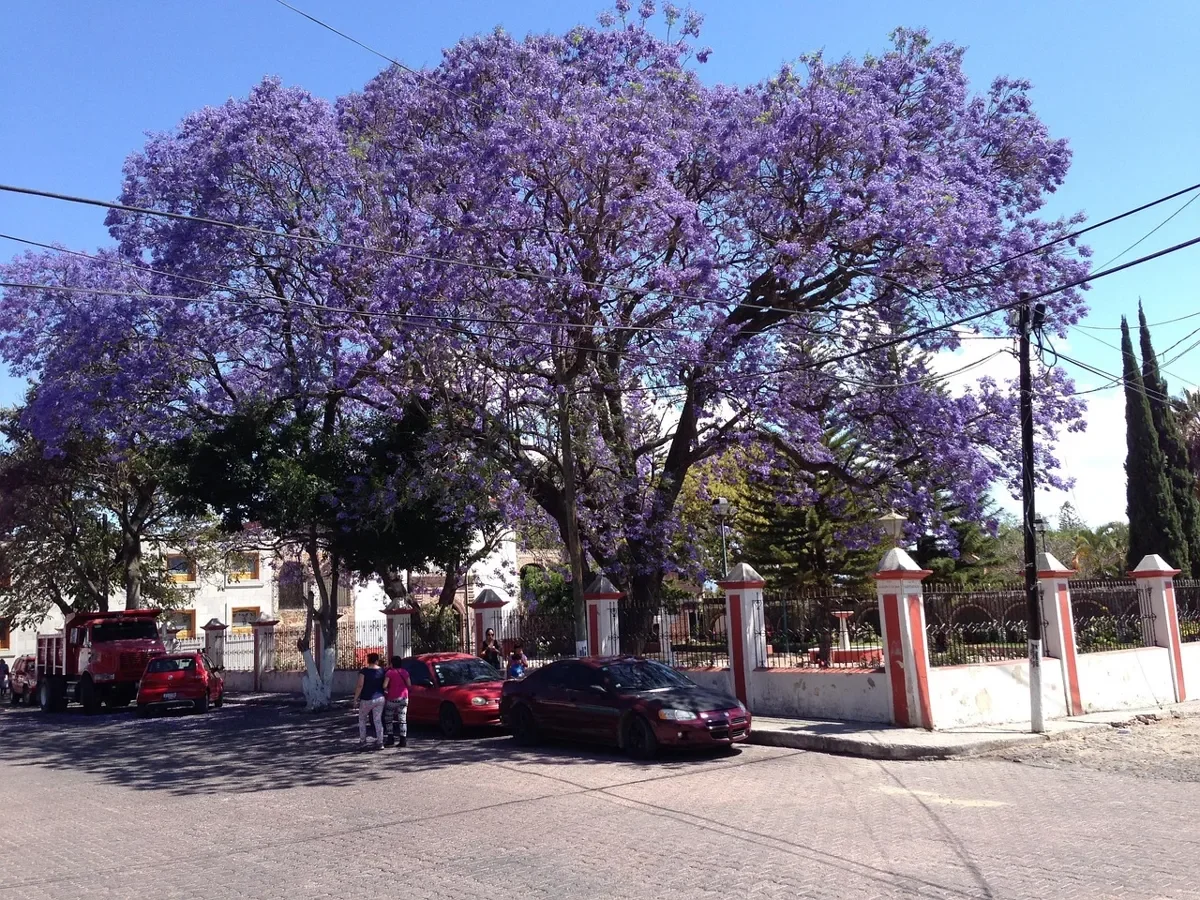
Jacaranda is a usable firewood, not a premium one. The tree most people mean is Jacaranda mimosifolia, the purple-flowering street tree native to south-central South America. The Useful Tropical Plants database says it “provides a useful firewood,” and other references describe the timber as light, soft and fragile, with sapwood that is yellowish-white and heartwood that is dark brown.
That softness is the part most burn-wood pages get wrong. Several sites call jacaranda a dense hardwood that burns long and hot, and in the same article say it burns fast and smokes. Our sources point one way: the timber is relatively soft and, at roughly 490 to 615 kg per cubic meter depending on the source, well below Brazilian rosewood. Lighter wood packs less energy into each split, so you will feed the stove more often than you would with oak or hickory. For the botany side of that question, see our page on whether jacaranda is a hardwood.
Jacaranda also tends to come from the wrong places for a firewood supply. Trees are mostly ornamental street and garden plantings, so you get it as pruning or removal waste, in odd lengths and often still green. Plan on seasoning it before it is ready to burn.
Jacaranda Tree vs Brazilian Rosewood: Two Different Woods
This is the mix-up that matters. In Brazil, Dalbergia nigra is called jacaranda (jacaranda-da-Bahia), and Brazilian rosewood is sometimes sold under that name. Wood you read about as “jacaranda” for guitars and fine furniture is usually rosewood, not the purple-flowered tree. The table compares the two using figures from the Wood Database and Wikipedia.
| Feature | Jacaranda tree (J. mimosifolia) | Brazilian rosewood (D. nigra) |
|---|---|---|
| Family | Bignoniaceae | Legume family (genus Dalbergia) |
| Density | about 490 to 615 kg/m3 (sources vary) | 835 kg/m3 (52 lb/ft3) |
| Janka hardness | Not listed in the sources we read | 2,790 lbf |
| Timber | Pale grey or yellowish-white sapwood, relatively soft, fragile | Brick red to nearly black, very hard and heavy |
| Legal status | CITES status not covered in our sources; IUCN Vulnerable in its native range | CITES Appendix I since June 11, 1992 |
| Typical use | Turnery, small items, local fuel | Instruments, veneer, fine furniture |
| Burn it? | Yes, seasoned | No: rare, restricted and a reported skin and eye sensitizer |
Read across the density row and the gap is clear: Brazilian rosewood is roughly 1.4 to 1.7 times as dense as the jacaranda tree. If a listing calls a dense, oily, dark wood jacaranda, it is almost certainly Dalbergia, and that is not something to put in a stove. The Wood Database notes it has been reported as a sensitizer causing eye and skin irritation, and it says the trade in it is limited to reclaimed or pre-existing pieces.
Does Jacaranda Wood Smoke or Spark?
Pages on this topic contradict each other: some say jacaranda burns clean with little smoke, others say it smokes heavily and sparks. We found no measured test that settles it, so treat every claim about jacaranda-specific smoke with caution.
What is well established is moisture. The EPA’s Burn Wise program says wood burns best below 20 percent moisture and recommends seasoning for at least six months. Wet wood smokes and builds creosote in the flue whatever the species. Because jacaranda usually arrives as freshly cut ornamental waste, the most likely cause of a smoky jacaranda fire is unseasoned wood, not something special about the species. Whether it throws sparks is unconfirmed, so use a fire screen or closed stove door on your first burn, as you would with any unfamiliar wood.
| Wood moisture | What to expect | Action |
|---|---|---|
| Above 20 percent | Hard to light, smoky, more creosote | Keep seasoning |
| About 20 percent or lower | Cleaner burn, EPA target | Burn it |
| Freshly cut (green) | Wet and heavy | Split and stack for at least six months |
The thresholds in that table come from the EPA’s guidance. Check a freshly split face with a meter, not the outside of the log, which dries first. For how seasoning time changes by species, our guide to how long oak takes to season shows the pattern, and softer woods generally dry faster than dense ones.
Can You Cook or Smoke Food With Jacaranda Wood?
We do not recommend it. The Useful Tropical Plants entry lists no known hazards for the tree, but that is not the same as evidence that its smoke is safe or pleasant on food, and we found no culinary source for it. The only wood we could confirm as sensitizing, Brazilian rosewood, is exactly the one that gets sold under the same name.
If you want flavor from the fire, choose a wood with a track record. Our wild cherry cooking guide is a good example of a wood with established culinary use. Never cook over painted, stained or treated offcuts either, which we cover in can burning treated wood be dangerous.
How to Burn Jacaranda Firewood Step by Step
- Confirm the species. Purple flowers, feathery fern-like leaves and pale timber mean Jacaranda mimosifolia. Dark, heavy, oily wood is not the same thing and should not be burned.
- Split it small. Split the rounds so the moisture can escape from the cut faces.
- Stack it off the ground. Store outdoors with only the top covered, as the EPA advises, so the sides can air out.
- Season at least six months. Softer wood may dry sooner, but the meter decides, not the calendar.
- Test it. Split a log and press the meter pins into the fresh face. Burn at 20 percent or lower.
- Burn it hot. Pair it with a denser hardwood if you want long-lasting coals, because jacaranda on its own burns faster.
Before You Cut a Jacaranda: Legal and Environmental Notes
Jacaranda mimosifolia is Vulnerable on the IUCN Red List in its native range because of logging and land clearing, yet it is invasive in South Africa, Namibia and Queensland, Australia. Whether you may cut one down depends on where you live. Street and park trees are often owned by the city, so ask before you remove one, and check local burn restrictions before you light it. Our fire pit safety guide and birch firewood guide are useful comparisons if you are choosing between species.
What This Page Could Not Verify
We could not find a measured heat-output figure (BTU per cord) for jacaranda from a reliable source, so we have not printed one. Some sites quote a specific number, but we could not trace it to a test. If you need the exact value for sizing a stove, weigh the wood, measure moisture and compare against a wood with published data.
Frequently Asked Questions
Can you burn jacaranda wood in a fireplace?
Yes. The common jacaranda tree, Jacaranda mimosifolia, is described as providing useful firewood. The wood is relatively soft, so it burns faster than dense hardwoods, and it needs to be seasoned to under 20 percent moisture like any other firewood.
Is jacaranda wood the same as Brazilian rosewood?
No. Brazilian rosewood is Dalbergia nigra, a different tree in the legume family that is sometimes called jacaranda in Brazil. The flowering jacaranda tree, Jacaranda mimosifolia, is in the Bignoniaceae family, so the two share a name but not a species.
Is it safe to cook over jacaranda wood?
We could not find a reliable source showing that jacaranda smoke is safe or tasty for food, so we do not recommend it. Use woods with a long record of culinary use, such as fruitwoods, and keep jacaranda for heating fires.
Does jacaranda wood smoke a lot?
Sources disagree, and moisture is the biggest factor. Any wood burned above the 20 percent moisture target smokes heavily. Freshly cut jacaranda wood is likely to smoke more than wood seasoned for at least six months.
Is it legal to burn Brazilian rosewood?
Burning is not what the law targets. Brazilian rosewood is listed in CITES Appendix I, which restricts trade, so real Dalbergia nigra offcuts are valuable and are better kept for instruments and inlay than burned.
How long should jacaranda firewood season?
The EPA recommends seasoning firewood for at least six months, stored outdoors and off the ground with only the top covered. Test a freshly split face with a moisture meter and burn it once it reads 20 percent or lower.
Bottom Line
You can burn the jacaranda tree as long as the wood is seasoned to 20 percent moisture or lower, and you should expect a softer, faster burn than dense hardwoods. Do not confuse it with Brazilian rosewood, which is protected, dense and a reported sensitizer, and do not cook over jacaranda without a reliable source saying it is safe. Sources: EPA Burn Wise, Wood Database and Wikipedia’s Jacaranda mimosifolia entry.
Sponsored / affiliate links. As an Amazon Associate I earn from qualifying purchases. I may earn additional commission from eligible campaigns.