How Can MDF Be Recycled: Sustainable Solutions
Are you wondering what to do with that stack of old MDF furniture or offcuts? You’re not alone.
Many people face the dilemma of disposing of medium-density fiberboard (MDF) in an environmentally friendly way. Unlike solid wood, MDF can be tricky to recycle due to its composition, but don’t worry—solutions are available. Imagine transforming waste into something new and useful, contributing to a healthier planet while reducing landfill waste.
In this guide, we’ll explore practical steps you can take to recycle MDF effectively, turning what was once a disposal headache into an opportunity for sustainable living. Ready to unlock the secrets of MDF recycling and make a positive impact on the environment? Let’s dive in and discover how you can be part of the solution.
What Is Mdf?
MDF stands for Medium Density Fiberboard. It’s a type of engineered wood. It is made from wood fibers. These fibers are glued together with resin. Then, it is pressed into sheets. MDF is often smooth and dense. It is heavier than plywood. It can be cut easily. It’s also easy to paint.
MDF consists of wood fibers, resin, and wax. Wood fibers are from softwood and hardwood. Resin holds the fibers together. Wax adds water resistance. MDF is strong and durable. It does not warp easily. It has no grain. This makes it easy to cut in any direction. MDF is smooth. It is great for painting and veneering.
MDF is used in many ways. Builders use it for furniture. It’s common in cabinets and shelves. It is also used for moldings and panels. MDF is popular in doors. It is even used in decorative items. Its smooth surface is ideal for these uses. MDF is less costly than solid wood. This makes it a good choice for many projects.
Credit: it-recycle.uk
Challenges In Recycling Mdf
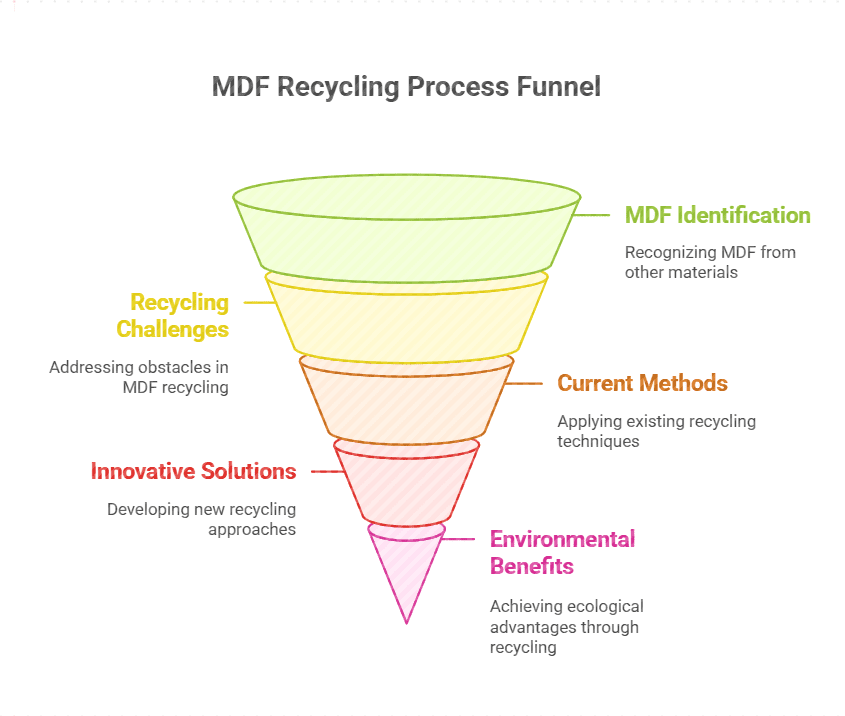
MDF stands for Medium Density Fiberboard. It is made of wood fibers mixed with resin. The resin makes recycling more difficult. Some recycling centers cannot handle MDF. It requires special machines to break it down. These machines are not common. Most MDF ends up in landfills. Recycling MDF needs more research and better machines.
MDF does not break down easily in nature. It stays in landfills for a long time. Harmful chemicals from MDF can leak into the soil. This affects plants and animals nearby. Burning MDF releases toxic fumes. These fumes are bad for the air. They can harm people’s health. Finding ways to recycle MDF can help the planet.
Current Recycling Methods
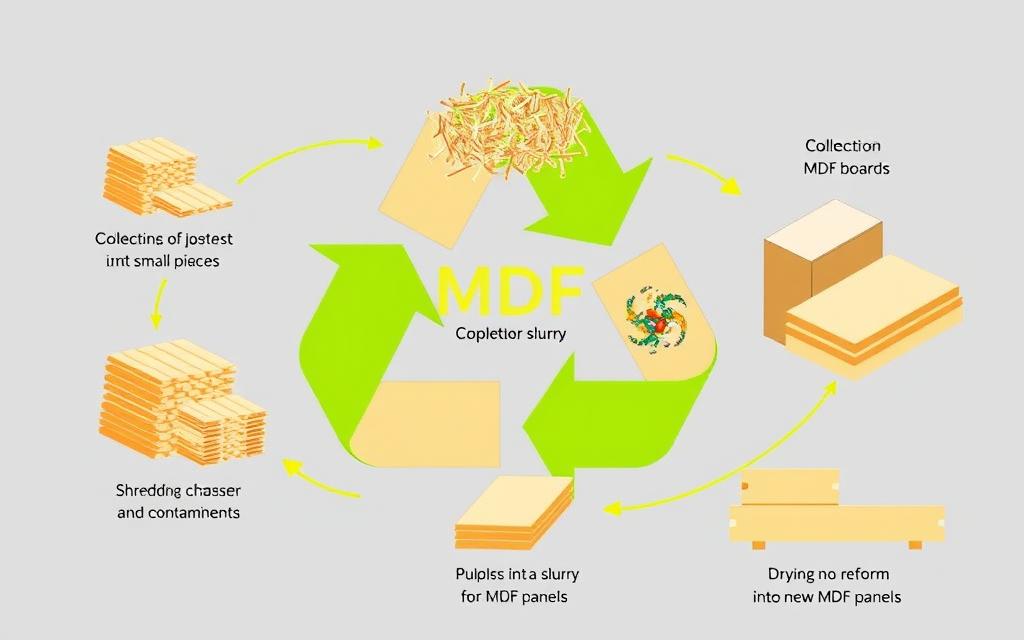
Mechanical recycling breaks down MDF into small pieces. These pieces are often used for particleboard. Machines grind MDF into a fine powder. This powder can be used for new products. The process is simple and quick. It helps reduce waste. Many factories use this method. It saves costs and energy. MDF can be recycled many times. This helps the environment.
Chemicals break down MDF into basic parts. This method uses solvents to dissolve the glue. It separates wood fibers from glue. The fibers can be reused. Chemical processes are more complex. They require special equipment. Some factories prefer mechanical methods. But chemical recycling has benefits. It creates clean fibers. These fibers are often stronger. Chemical processes can be expensive. They require skilled workers. But they help keep our planet green.
Innovative Recycling Solutions
MDF can be broken down by special fungi and bacteria. These tiny helpers eat the MDF and turn it into soil. This process is called biodegradation. It is safe for the environment. The soil created can be used to grow plants. This helps reduce waste in landfills. It also brings new life to the earth. Biodegradation takes time. But it is a natural and gentle way to recycle MDF.
MDF can be burned to make energy. This is called energy recovery. Burning MDF releases heat. The heat turns water into steam. The steam runs machines that create electricity. This method is helpful because it saves space in landfills. It also makes use of waste materials. While burning, some gases are released. They should be carefully managed. This ensures the air stays clean and safe for everyone.
Benefits Of Recycling Mdf
Recycling MDF reduces landfill waste and conserves natural resources. This eco-friendly process transforms old MDF into new products, saving energy and cutting down on pollution. It supports sustainable practices and promotes a healthier planet.
Environmental Advantages
Recycling MDF helps the planet. It cuts down on waste. Less waste means less pollution. Recycling saves trees. This is good for nature. By recycling, we use fewer raw materials. This helps the Earth stay healthy. Recycling MDF also saves energy. Using recycled materials needs less energy. This is better for the air and water.
Economic Incentives
Recycling MDF can save money. It costs less to recycle than to make new MDF. Companies can lower their costs. This can lead to cheaper products. People can save money by buying recycled products. Recycling creates jobs. People need to work at recycling centers. This helps the economy grow. Recycling MDF can be good for everyone.

Credit: www.sciencedirect.com
Future Of Mdf Recycling
MDF recycling is getting better with new technologies. Machines can now separate wood fibers from glue. This helps in creating new boards from old ones. Sensors can identify different materials in MDF. This makes sorting easier. New methods are energy-efficient and reduce waste.
Governments are making rules to help recycling. They ask factories to use recycled MDF. This reduces the need for cutting more trees. Policies support eco-friendly practices. They encourage companies to recycle more. This helps the environment and saves resources.
How To Support Mdf Recycling
Consumers play a big role in recycling MDF. They need to know why recycling is important. Awareness helps people make better choices. People can learn how to recycle MDF at home. Simple steps can make a difference. Schools can teach kids about recycling. Kids can share this with family. More people understanding leads to more recycling.
Industries must work together for better recycling. Sharing ideas and resources helps everyone. Companies can create new ways to recycle MDF. Partnerships can lead to smart solutions. Working together makes recycling easier. Collaboration can save money and time. Strong teamwork is the key. It helps to make recycling successful.
Credit: www.unilinpanels.com
Frequently Asked Questions
How Do You Recycle Mdf?
MDF recycling involves breaking it down into wood fibers. Specialized facilities handle this process. Contact local waste management for options. Some recycling centers accept MDF. Ensure MDF is free from contaminants. Recycled MDF can be used in new products. This eco-friendly method helps reduce landfill waste.
Is Mdf 100% Recyclable?
MDF is not 100% recyclable due to its chemical bonding components. It can be reused or repurposed in some applications. Recycling facilities may not accept MDF because it requires special processing. Consider donating or finding creative ways to extend its life.
Always check local recycling guidelines for MDF disposal options.
How Environmentally Friendly Is Mdf?
MDF is less eco-friendly due to formaldehyde emissions. Its production consumes energy and resources. Recycling MDF is challenging, impacting sustainability. Opt for certified, low-emission MDF to reduce environmental impact. Choose suppliers who prioritize sustainable practices. Always check for certifications like FSC or PEFC for better ecological standards.
Is Mdf Particle Board Recyclable?
Yes, MDF particle board is recyclable. Recycling facilities can process it to create new products. Check local recycling guidelines for specific instructions. Recycling MDF helps reduce waste and promotes sustainability.
Conclusion
Recycling MDF helps the environment. It reduces landfill waste. Recycled MDF can be used in many new products. This supports sustainable practices and resource conservation. Small steps can make a big difference. Start recycling MDF today. Encourage others to do the same.
Together, we can create a greener planet. Remember, every effort counts. Stay informed and make responsible choices. Recycling is not just about waste. It’s about building a sustainable future. Let’s protect our planet for future generations. Take action now, and make a positive impact.