When Did MDF Become Popular? The 1980s Mass-Production Boom
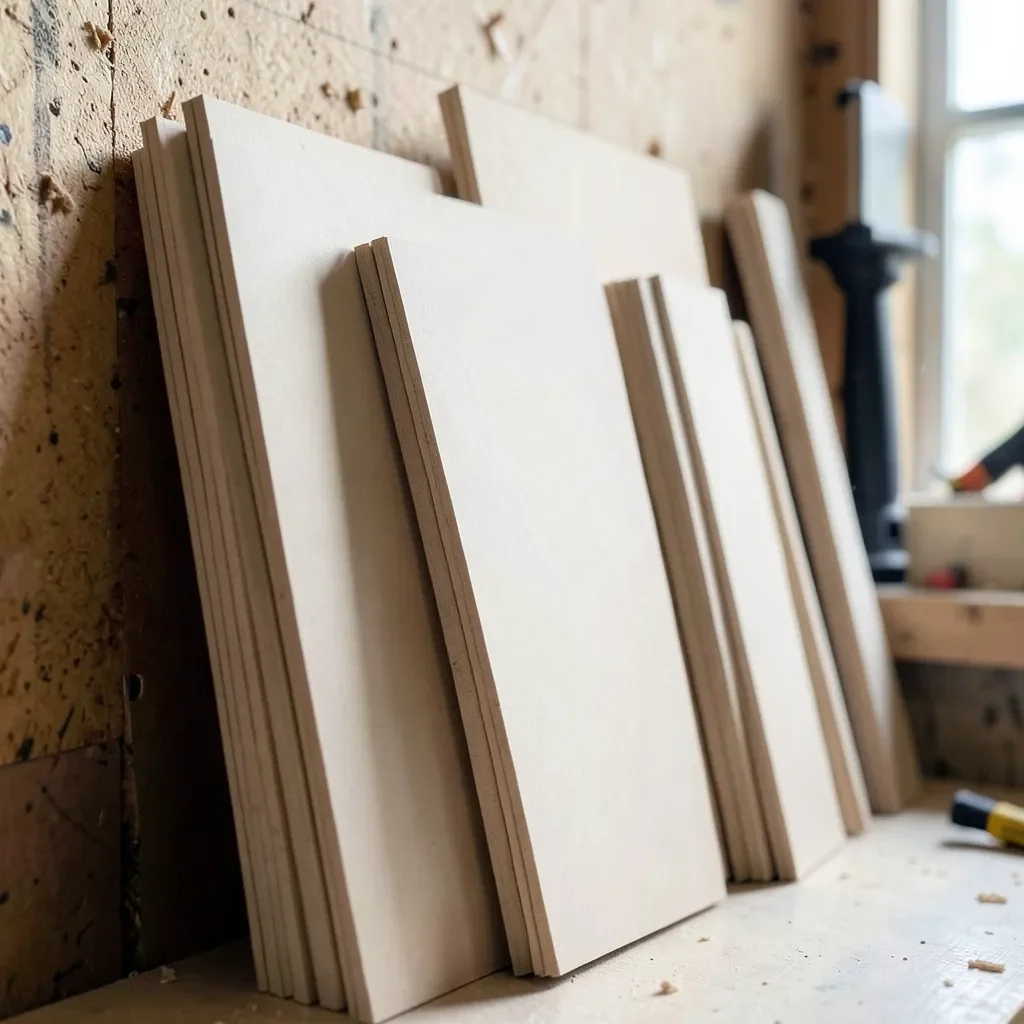
MDF became a mainstream building material in the 1980s, roughly 15 years after commercial production began in 1966 at an Allied Chemical Corporation mill in Deposit, New York. The delay came down to manufacturing scale: only once mills could produce it fast and cheap enough did MDF undercut solid wood on price. This guide covers MDF’s real origin story, the 1980s boom, and why it’s still the default choice for painted cabinetry today.
MDF’s Real Origin Story
Best MDF Edge Sealer Pick
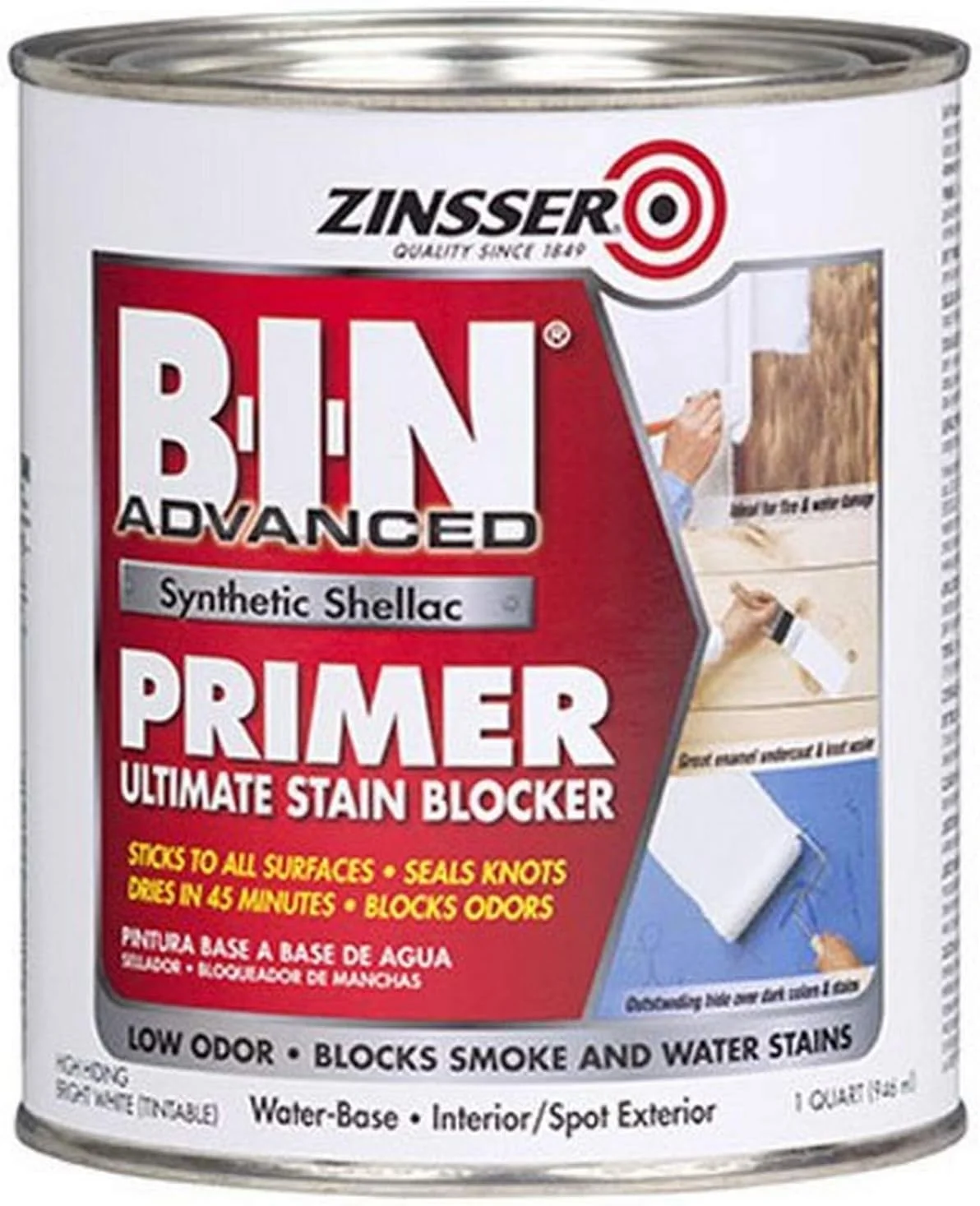 |
Zinsser B-I-N Advanced Synthetic Shellac Primer, 1 Quart – $17.36 Raw MDF edges soak up moisture and swell if left unsealed — a shellac-based primer like this locks down the fuzzy raised fibers this guide’s modern-applications section covers, before paint goes on.
|
MDF’s roots trace back further than most people realize. In 1925, inventor William Mason — a friend of Thomas Edison — left his fiberboard equipment running overnight by accident and found it had pressed wood chips into a thin, durable sheet the next morning. He patented that process, creating what became hardboard, the material MDF would later build on.
The modern MDF product came decades later. Engineering firm Miller Hofft developed the process in the 1960s, and the first dedicated MDF mill started up in 1966 under the Allied Chemical Corporation in Deposit, New York. The term “medium density fiberboard” itself wasn’t even coined until 1970, when researcher Harry Raddin used it in a paper on production economics. Europe followed a few years later, with the first European MDF made in 1973.
📊 MDF entered commercial production in 1966, but the term “medium density fiberboard” wasn’t coined until 1970 — Source: Columbia Forest Products, The History of MDF
Why MDF Didn’t Take Off Until the 1980s
A 15-year gap sits between MDF’s first commercial mill (1966) and its mainstream boom (1980s) — and that gap is really a story about manufacturing capacity, not demand. Early MDF production was slow and expensive relative to solid lumber, which limited it to niche uses. Large-scale mills in North America and Europe didn’t come online in force until the 1980s, and once they did, output rose and per-board cost dropped enough for MDF to genuinely undercut solid wood on price for the first time.
That cost advantage, not any single technical breakthrough, is what actually pulled MDF into mainstream furniture and cabinetry. Once builders could buy it cheaper than plywood or solid lumber for a comparable job, adoption followed quickly.
How Technology Made MDF Cheap Enough to Go Mainstream
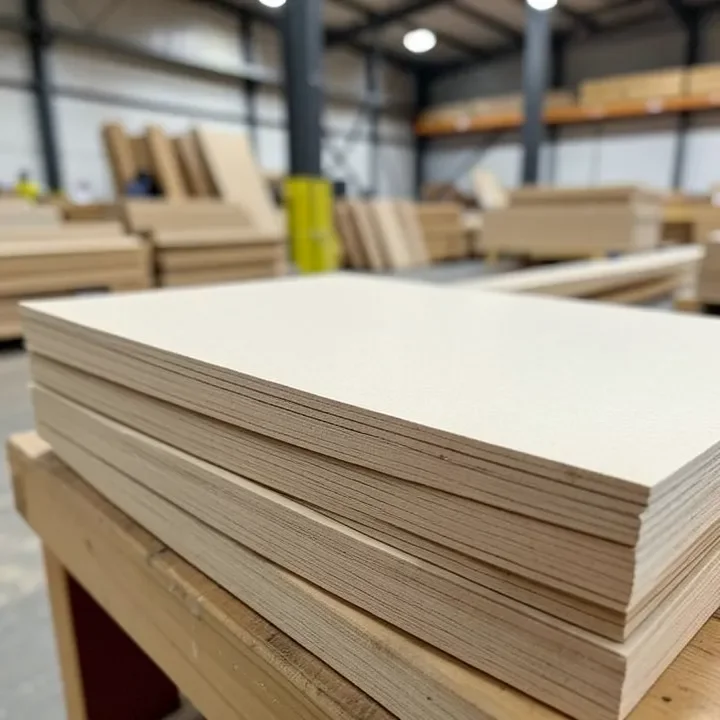
Manufacturing improvements through the 1970s and 1980s let mills press more board, faster, from the same volume of wood fiber and resin. Better presses and process control also cut down on inconsistent density and surface flaws — the kind of defects that made early MDF a harder sell to furniture makers who needed a predictable, paintable surface.
The result was a board that was both cheaper and more consistent than what the 1966 mills were producing. That combination, rather than any single new feature, is what let MDF replace solid wood in applications where appearance and cost mattered more than raw strength.
MDF’s Global Expansion
Once North American production scaled up in the 1980s, MDF manufacturing spread quickly to Europe and Asia, following the same pattern: local mills sprang up to meet furniture and construction demand once the economics worked. MDF’s global production volume has grown steadily since, largely because it uses wood fiber and mill byproducts that would otherwise go to waste, making it attractive both economically and as a use for lower-grade wood material.
Formaldehyde-based resins in the adhesive did raise real air-quality concerns as MDF use grew, which eventually led to the emission standards discussed in the FAQ below — a regulatory response to MDF’s own success, not a sign it was ever banned.
Where MDF Is Used Today
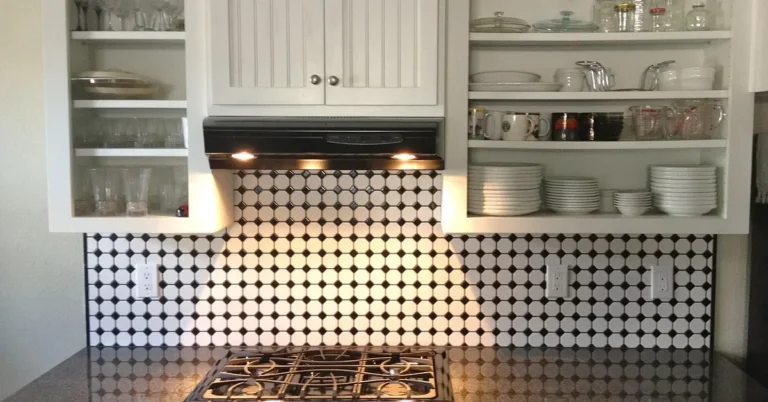
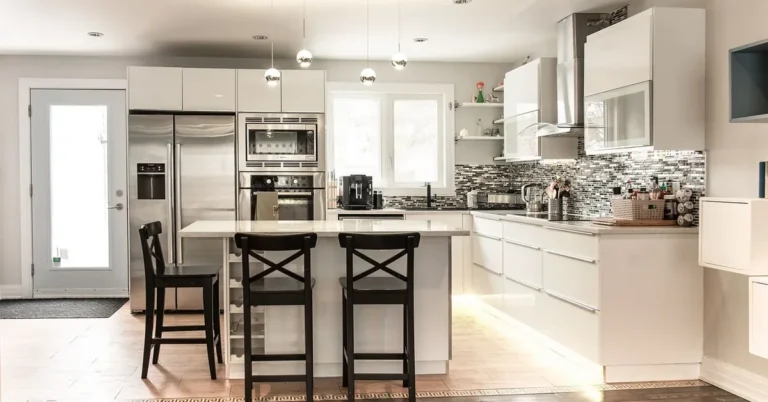
MDF is now the default substrate for painted kitchen cabinets, built-in furniture, and interior trim, largely because it takes paint more evenly than plywood or solid wood without visible grain telegraphing through. It’s also common in flooring underlayment, door skins, and speaker cabinets, where its density and lack of grain direction help with sound damping.
Because raw MDF edges soak up moisture and swell if left unsealed, most cabinetry and trim work seals the cut edges before painting — see our guide on how to seal MDF for the full process.
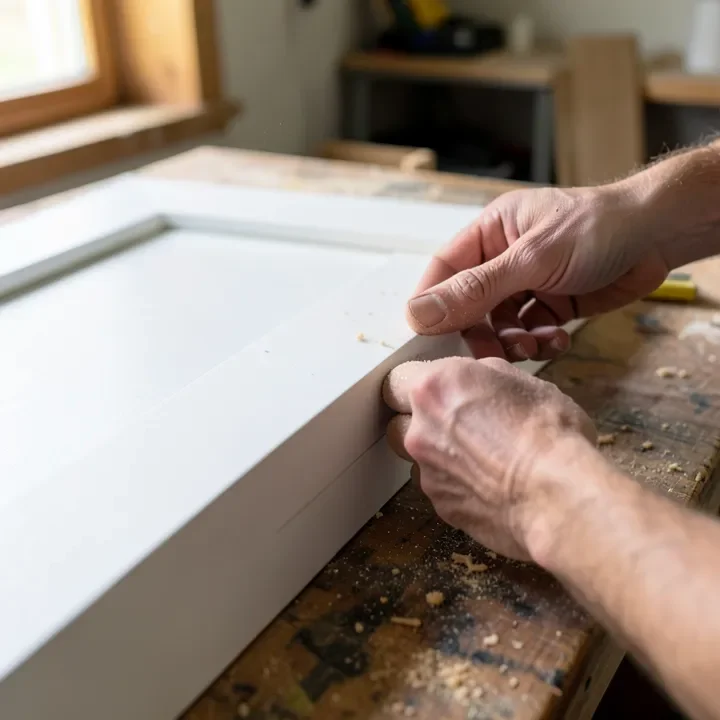
Large-scale production of MDF began in the 1980s, in both North America and Europe — the decade when MDF became a genuinely mainstream building material rather than a niche product.
European Panel Federation, wood-based panel industry history
Frequently Asked Questions
When did MDF start being used?
Commercial MDF production began in 1966 at an Allied Chemical Corporation mill in Deposit, New York, though it didn’t become a mainstream material until large-scale production ramped up in the 1980s. The term “medium density fiberboard” itself wasn’t coined until 1970.
Is MDF illegal in America?
No, MDF is not illegal — it’s regulated. Under EPA TSCA Title VI (matching California’s CARB Phase 2 limits), MDF sold in the U.S. is capped at 0.11 parts per million formaldehyde emissions, and composite wood products must carry third-party certification confirming compliance.
Should I avoid MDF furniture?
Not necessarily. Modern MDF sold in the U.S. must meet the same 0.11 ppm formaldehyde limit under TSCA Title VI, so certified furniture is considered safe for normal home use. Ensure good ventilation when it’s new, and choose furniture that’s certified compliant if formaldehyde sensitivity is a concern.
When did MDF get so expensive?
MDF prices spiked during the COVID-19 pandemic due to supply chain disruptions and a surge in home improvement demand. Raw material and transportation costs added to the increase. Prices have since eased but remain more variable than they were before 2020.
Is MDF better than solid wood?
It depends on the job. MDF is cheaper, takes paint more evenly, and resists warping better than solid wood in stable indoor humidity. Solid wood is stronger, holds screws better, and handles moisture and outdoor exposure better. Choose MDF for painted indoor cabinetry and trim, and solid wood where structural strength or outdoor durability matters.
Conclusion
MDF’s commercial history started in 1966, but it took until the 1980s — once manufacturing scale finally drove costs below solid wood — for it to become the mainstream material it is today. That same cost-and-consistency advantage is why it’s still the default choice for painted cabinetry, trim, and built-in furniture now.
Sponsored / affiliate links. As an Amazon Associate I earn from qualifying purchases. I may earn additional commission from eligible campaigns.
 MECCANIXITY MDF Wood Board for Crafts,3/18"(4mm) Thick Medium Density Fiberboard Unfinished Wood for DIY Projects, Art Classes, Carpentry, Painting (12 x 16 in,2Pcs)
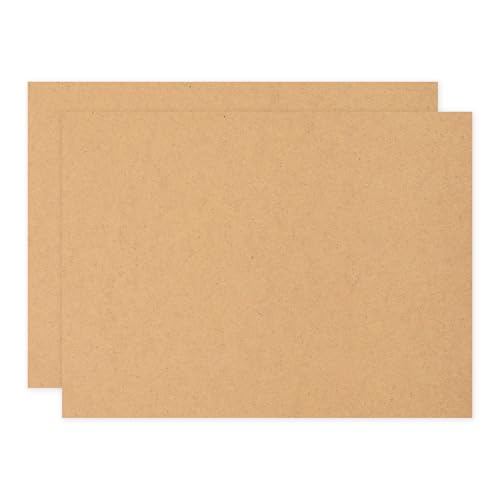 MECCANIXITY MDF Wood Board for Crafts,1/12"(2mm) Thick Medium Density Fiberboard Unfinished Wood for DIY Projects, Art Classes, Carpentry, Painting (12 x 8 in,2Pcs)