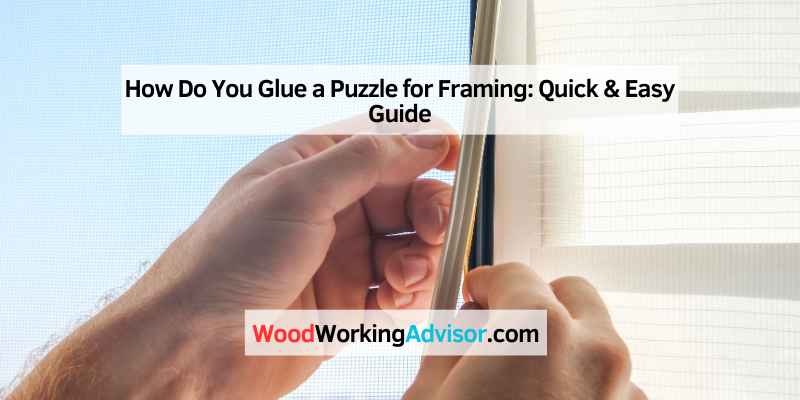
How Do You Glue a Puzzle for Framing: Quick & Easy Guide
To glue a puzzle for framing, first, carefully slide a piece of cardboard under the puzzle. Then, apply puzzle glue evenly across the surface and let it dry completely.
Framing a puzzle not only preserves your hard work but also transforms it into a beautiful piece of art. Many people enjoy completing puzzles as a relaxing activity, but preserving that effort often becomes a challenge. Gluing the puzzle ensures that it stays intact for years to come.
With the right materials and techniques, you can create a stunning display for your home. This guide will help you through the essential steps to glue and frame your puzzle effectively. Enjoy the process and take pride in showcasing your accomplishment!
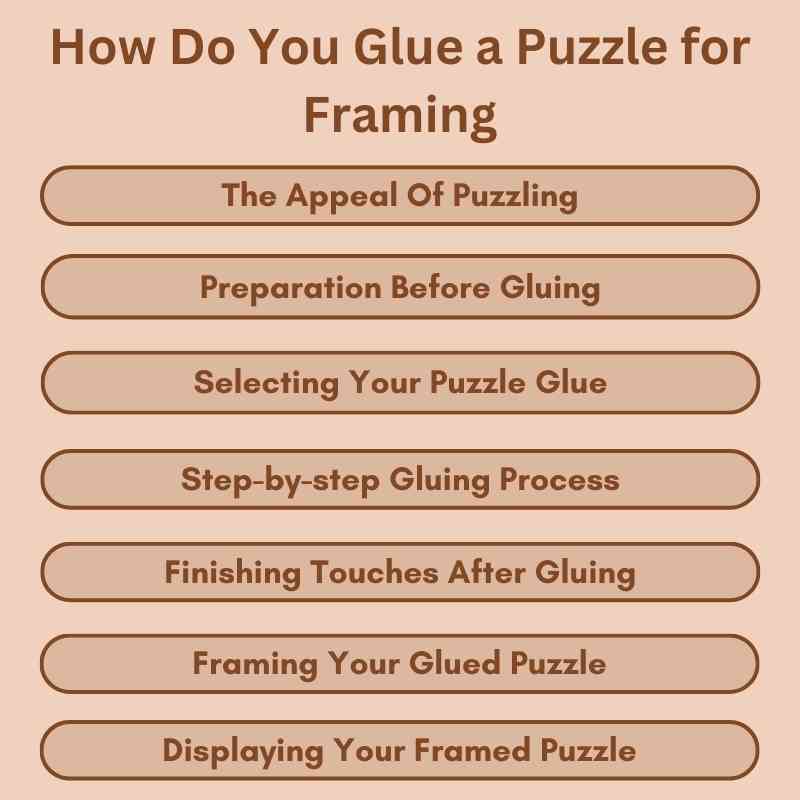
The Appeal Of Puzzling
Puzzles are not just games; they are works of art. Many people enjoy creating beautiful images piece by piece. Once completed, these puzzles can be framed to showcase their beauty.
Framing your puzzle offers several benefits. It protects the puzzle from dust and damage. A framed puzzle can also become a stunning decorative piece in your home. Friends and family will admire your hard work and creativity.
Hanging a framed puzzle adds a personal touch to any room. It can spark conversations and memories. Many choose to display puzzles that feature favorite places, animals, or themes.
Framing not only preserves the puzzle but also highlights its vibrant colors. A well-framed puzzle can brighten up any space. Enjoy the joy of your completed puzzle for years to come.
Choosing The Right Puzzle To Frame
Choosing the right puzzle is key for framing. Quality puzzles last longer and look better. Design matters too. Bright colors and interesting images catch the eye.
Piece count is another important factor. Smaller puzzles are easier to glue and frame. Larger puzzles may require more space. Consider where you want to display your framed puzzle.
| Piece Count | Considerations |
|---|---|
| Less than 500 | Easy to handle and frame |
| 500 – 1000 | Good balance of size and detail |
| Over 1000 | Requires more effort but looks stunning |
Preparation Before Gluing
Start by choosing a flat, sturdy surface for gluing your puzzle. A table or large cardboard works well. Ensure it is clean and free of dust.
Align the pieces carefully. Use a puzzle mat or thin board to hold them together. This helps prevent them from shifting.
Check for any loose pieces. Press them down gently to secure their position. Make sure all edges align perfectly for a neat finish.
| Surface Options | Features |
|---|---|
| Table | Sturdy and spacious |
| Cardboard | Lightweight and portable |
| Puzzle Mat | Flexible and easy to store |
Selecting Your Puzzle Glue
Choosing the right puzzle glue is important for a successful project. Several types of glue can work well.
| Type of Glue | Pros | Cons |
|---|---|---|
| Liquid Glue | Easy to apply and dries clear. | Can warp the puzzle if overused. |
| Glue Sheets | No mess and simple to use. | May not adhere well to larger puzzles. |
| Spray Adhesive | Quick application and even coverage. | Can be hard to control and may overspray. |
Test different adhesives to find what works best for your puzzle. Proper application helps keep the puzzle intact for framing.
Step-by-step Gluing Process
Start by choosing a clear drying glue. Use a sponge brush for better control. Apply the glue evenly across the puzzle surface. Make sure to cover all areas without excess glue.
After applying, let the puzzle dry in a flat position. Keep it in a cool, dry place. Avoid direct sunlight to prevent warping. Check the drying time on the glue label. Typically, it takes 2 to 4 hours to dry completely.
Once dry, inspect the puzzle for any missed spots. If needed, apply a second layer of glue. This ensures the puzzle stays intact for framing.
Finishing Touches After Gluing
After gluing your puzzle, trimming excess is important. Use a sharp knife for clean edges. Carefully cut around the puzzle’s outer border. This step makes the puzzle look neat and tidy.
Sealing the edges ensures longevity. Use a clear sealant or glue along the edges. This helps protect your puzzle from dust and moisture. A good seal keeps the colors vibrant for years.
Always let the glue dry completely before sealing. Follow the manufacturer’s instructions for best results. Taking these steps will make your puzzle last longer and look great.
Framing Your Glued Puzzle
Choosing the right frame is crucial for your glued puzzle. A frame should match the puzzle’s colors and style. Use frames made of wood or metal for durability.
Consider the puzzle’s size. Measure it carefully before selecting a frame. Look for frames that allow for easy mounting and display.
Different mounting techniques can help keep your puzzle intact. Use acid-free glue to prevent damage. A clear coat can protect the surface and enhance colors.
| Mounting Technique | Description |
|---|---|
| Glue Method | Apply glue directly to the back of the puzzle. |
| Backing Board | Secure the puzzle to a sturdy backing board. |
| Frame with Glass | Use a frame with glass for extra protection. |
Displaying Your Framed Puzzle
Finding the perfect spot for your framed puzzle is key. Consider high-traffic areas like living rooms or hallways. These places allow everyone to admire your work.
Avoid direct sunlight to prevent fading. Use UV-protective glass to shield your puzzle. Keeping it away from damp areas also helps maintain its condition.
| Location | Lighting | Preservation Tips |
|---|---|---|
| Living Room | Soft, diffused light | Use UV-protective glass |
| Hallway | Indirect light | Keep away from moisture |
| Home Office | Adjustable desk lamps | Regular dusting |
Troubleshooting Common Issues
Bubbling and warping can ruin your puzzle. To fix this, use a flat weight. Place it on the puzzle for a few hours. This helps flatten any bubbles.
If you see separated pieces, use a small amount of glue. Apply it carefully with a toothpick. Press the pieces together firmly. Hold them for a few seconds.
Check if the puzzle is dry before framing it. A dry puzzle is less likely to warp. Always use a puzzle preserver for best results.
| Issue | Solution |
|---|---|
| Bubbling | Use a flat weight to flatten |
| Warping | Apply pressure with a weight |
| Separated Pieces | Use glue and press together |
Creative Alternatives To Framing
Many people enjoy gluing puzzles for display. Several puzzle coating options exist to protect your artwork. Choose glue that is non-toxic and safe for your puzzle material. A puzzle preserver works well for this purpose.
For a more creative approach, try these DIY display ideas:
- Use a simple frame to showcase your puzzle.
- Try a shadow box for a unique effect.
- Hang your puzzle with string lights for a fun touch.
- Adorn the puzzle with decorative borders before framing.

Frequently Asked Questions
How Do I Prepare A Puzzle For Gluing?
Start by ensuring the puzzle is completed and flat. Use a clean surface to avoid dirt or dust. Gently lift the puzzle and place it on a backing board. This will make handling easier and keep the pieces intact while gluing.
What Glue Is Best For Puzzles?
PVA glue is ideal for puzzles as it dries clear and is non-toxic. It provides a strong bond without damaging the pieces. Alternatively, puzzle-specific adhesives are available that are formulated for this purpose. Always check for a clear drying option to maintain the puzzle’s appearance.
How Long Does Puzzle Glue Take To Dry?
Puzzle glue typically takes about 24 hours to dry completely. However, drying times can vary based on the thickness of the glue layer. Always refer to the manufacturer’s instructions for the best results. Patience is key to ensure the puzzle is securely bonded.
Can I Frame A Glued Puzzle Immediately?
It’s best to wait at least 24 hours before framing a glued puzzle. This allows the glue to fully cure and prevents any damage during framing. Rushing this process may lead to misalignment or pieces shifting. Ensure the puzzle is completely dry for optimal results.
Conclusion
Gluing a puzzle for framing is a rewarding process. It preserves your hard work and creates beautiful wall art. Remember to choose the right adhesive and follow the steps carefully. With patience and attention to detail, your puzzle will shine in its new frame.
Enjoy showcasing your masterpiece!