
How Do You Treat Teak Wood: Essential Care
Treating teak wood involves regular cleaning with mild soap and water, occasional sanding to remove stubborn marks, and applying protective finishes like teak oil or marine varnish. This essential care preserves teak’s natural beauty, durability, and golden-brown hue, preventing graying and extending its lifespan for years of enjoyment.
How Do You Treat Teak Wood: Essential Care for Lasting Beauty
Teak wood is a dream for many homeowners and DIYers. It’s strong, beautiful, and can withstand the elements, making it perfect for furniture, decks, and outdoor spaces. But if you’ve ever noticed your lovely teak pieces turning a dull, silvery gray, you know the frustration! Many people wonder, “How do you treat teak wood to keep it looking its best?” It might seem complicated, but with a few simple steps, you can easily maintain your teak’s rich, warm glow. This guide will walk you through everything you need to know, making teak care a breeze, not a burden.
We’ll cover cleaning, dealing with common issues, and choosing the right protective finishes. By the end, you’ll feel confident in giving your teak the attention it deserves, ensuring it stays gorgeous for a long time.
Why Teak Wood Needs Special Care
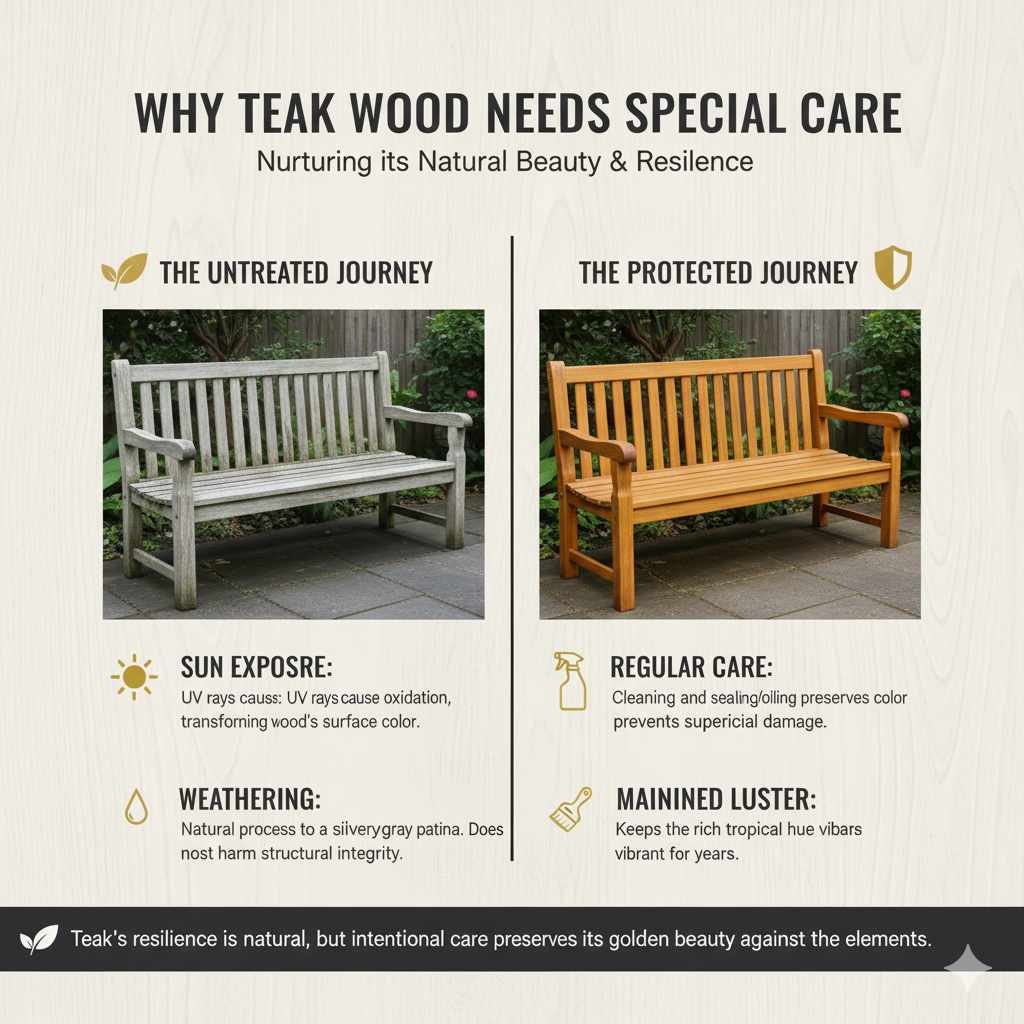
Teak is famous for its natural resilience. It contains a high concentration of natural oils and silica, which make it resistant to water, rot, and insect infestations. This is why teak is a top choice for outdoor furniture and boat decks. However, its natural beauty comes with a catch: exposure to sunlight and the elements can cause the wood to oxidize.
When teak wood oxidizes, the original golden-brown color slowly transforms into a soft, silvery-gray patina. This is a natural weathering process and doesn’t mean the wood is damaged. Many people actually prefer this weathered look! But if you want to keep that rich, tropical hue, you’ll need to give your teak a little help. Regular care helps prevent superficial damage and keeps the wood looking its finest.
Understanding Teak’s Natural Patina
The silvery-gray color that teak develops over time is called a patina. This is a natural chemical reaction that happens when the wood’s surface is exposed to UV rays from the sun and oxygen in the air. It’s not a sign of rot or decay; in fact, the wood underneath is still strong and protected by its natural oils.
Think of it like the browning of an apple after you cut it. The color changes, but the apple is still good to eat. Similarly, teak’s patina is a surface change. Some people love this look because it can blend beautifully with natural outdoor settings. Others prefer to maintain the original warm, golden color.
Key characteristics of teak patina:
- Appearance: Silvery-gray to a light, chalky gray.
- Texture: The surface can sometimes feel slightly rougher due to weathering.
- Protection: The wood beneath the patina remains protected and durable.
- Natural Process: It’s a direct result of exposure to sunlight and air.
Deciding whether to maintain the color or embrace the patina is a personal choice. Both look good, and both are healthy for the wood in their own way. The methods for treating teak wood will differ based on your preference.
Step-by-Step Guide: How to Clean Teak Wood
Regular cleaning is the most basic and essential step in teak care. It removes dirt, grime, and mildew that can build up over time. You don’t need fancy tools or expensive cleaners; simple household items usually do the trick!
What You’ll Need:
- Soft brushes (a scrub brush and a smaller detailing brush)
- Two buckets
- Mild soap or detergent (like dish soap or a specific teak cleaner)
- Clean water
- Soft cloths or towels
- Hose with a spray nozzle (optional)
The Cleaning Process:
- Prepare Your Cleaning Solution: In one bucket, mix a small amount of mild soap with warm water. You want a gentle solution, not too sudsy. If you’re using a dedicated teak cleaner, follow the product’s instructions.
- Rinse the Teak: Before scrubbing, gently rinse the teak surface with clean water. This helps to loosen surface dirt and dust, making cleaning easier. A hose works well for this, but be careful not to use high pressure, which can damage the wood fibers.
- Scrub Gently: Dip your soft scrub brush into the soapy water. Gently scrub the teak surface. Work in the direction of the wood grain. For intricate areas or tight spots, use a smaller detailing brush. Don’t scrub too hard, as you could scratch the wood.
- Address Stubborn Spots: For any tougher spots, like mildew or dark stains, you might need a stronger solution. A 50/50 mix of white vinegar and water can be effective. For very stubborn stains, a specialized teak cleaner might be necessary. Always test these solutions in an inconspicuous area first.
- Rinse Thoroughly: Once you’ve finished scrubbing, rinse the teak thoroughly with clean water. Make sure all soap residue is gone. Leftover soap can attract dirt and leave a dull film.
- Dry the Teak: Use soft cloths or towels to wipe down the teak and absorb excess moisture. Allow the wood to air dry completely. This might take a few hours, depending on the weather.
This simple cleaning process can be done a couple of times a year, or more often if your teak is exposed to heavy use or harsh weather.
Dealing with Mold and Mildew on Teak
Mold and mildew are common problems, especially in damp or shaded environments. They appear as black or green spots on the surface of your teak wood. Thankfully, they are usually superficial and easy to remove.
Why Teak Gets Moldy:
- Humidity and moisture trapped on the surface.
- Lack of proper ventilation around the furniture.
- Shady spots where sunlight doesn’t dry the wood.
- Accumulated dirt and debris that hold moisture.
How to Remove Mold and Mildew:
- Gentle Cleaning: Start with the mild soap and water solution as described in the cleaning section. Scrub gently but firmly to lift the surface mold.
- Vinegar Solution: If soap and water aren’t enough, a solution of equal parts white vinegar and water is a great natural disinfectant. Apply it to the affected areas and let it sit for about 10-15 minutes before scrubbing and rinsing.
- Specialized Teak Cleaners: For persistent mildew, a commercial teak cleaner designed to kill mold and mildew can be very effective. Always follow the manufacturer’s instructions carefully.
- Bleach (Use with Caution): In very rare, severe cases, a diluted bleach solution (1 part bleach to 4 parts water) might be used. However, bleach can sometimes lighten the wood color unevenly and can be harsh. Use it as a last resort and always rinse extremely well. Wear gloves and eye protection when using bleach.
- Rinse and Dry: After treating the mold, rinse the teak thoroughly with clean water and ensure it dries completely in the sun if possible.
Preventing mold and mildew is key. Try to keep teak furniture in areas with good airflow and occasional sunlight. Wiping down surfaces after rain can also help.
Restoring Grayed or Weathered Teak
If your teak has turned that familiar gray color, you have a choice: embrace it or restore it. Restoring the original color involves removing the weathered top layer of wood.
What You’ll Need:
- Soft brushes
- Mild soap and water
- Specialized teak brightener/restorer (optional, but recommended)
- Fine-grit sandpaper (around 120-180 grit)
- Clean cloths
- Water
Restoration Steps:
- Clean the Teak: Start by thoroughly cleaning the teak as described earlier to remove surface dirt and grime.
- Apply a Teak Brightener (Optional but Recommended): Many teak restorers are acidic and designed to lift the graying and reveal the wood’s natural color quickly. Follow the product instructions. Typically, you’ll apply it, let it sit for a short time, and then rinse thoroughly. This step often makes sanding much easier and more effective. You can find these products at marine supply stores or well-stocked hardware stores.
- Light Sanding: Once the teak is clean and dry (or after using a brightener and rinsing/drying), you can lightly sand the surface. Use a fine-grit sandpaper (120-180 grit). Always sand in the direction of the wood grain. The goal here is to remove the outermost weathered layer, not to carve into the wood.
- Clean Away Dust: After sanding, brush away any sawdust. You can also wipe the surface down with a damp cloth and let it dry completely.
- Apply Protection: Once the teak is completely dry after restoration, it’s ready for a protective finish.
Restoring teak is an excellent way to give old furniture a new lease on life. It’s like giving the wood a gentle spa treatment!
Protecting Your Teak: Choosing the Right Finish
After cleaning or restoring your teak, applying a finish is crucial if you want to maintain its golden-brown color and provide an extra layer of protection. There are several options, each with its own pros and cons.
Option 1: Teak Oil
Teak oil is a popular choice because it penetrates the wood, enhancing its natural oils and providing a rich, warm luster. It helps repel water and UV rays, slowing down the graying process.
- Pros: Enhances natural beauty, easy to apply, good water resistance, restores color.
- Cons: Needs frequent reapplication (every 3-6 months, depending on exposure), can attract dust if not fully cured, doesn’t form a hard film.
How to Apply Teak Oil:
- Ensure teak is clean, dry, and completely free of dust.
- Apply oil liberally with a clean cloth or brush, working in the direction of the grain.
- Let the oil soak in for about 15-20 minutes, reapplying to any areas that look dry.
- Wipe away any excess oil with a clean, dry cloth. This is crucial to prevent a sticky surface.
- Allow the teak to cure fully before use (check product instructions).
Option 2: Teak Sealers/Stains
These products are designed to color and protect teak. They often contain UV inhibitors and pigments to block the sun’s rays and maintain color. Some are clear, while others offer a tinted finish.
- Pros: Offers good UV protection, available in various colors, can last longer than oil.
- Cons: Can sometimes look less natural than oil, application can be trickier for an even finish, may peel or flake if not applied correctly.
How to Apply Teak Sealers:
- Prepare teak as usual (clean, dry, dust-free).
- Apply thinly and evenly with a brush or foam applicator, following the grain.
- Work in small sections, as sealers can dry quickly.
- Wipe off any excess or puddles immediately.
- Allow to dry and reapply a second coat if recommended by the manufacturer.
Option 3: Marine Varnish or Polyurethane (Exterior Grade)
For a high-gloss, durable finish, exterior-grade varnishes or polyurethanes can be used. These form a protective film on the surface, offering excellent water and UV resistance.
- Pros: Very durable, long-lasting UV and water protection, high-gloss finish.
- Cons: Can crack or peel over time, requires meticulous prep and application, can look artificial or like plastic, difficult to repair if damaged.
How to Apply Varnish/Polyurethane:
- This requires a very clean, dust-free environment and meticulous preparation.
- Apply multiple thin coats using a high-quality brush.
- Lightly sand between coats with very fine-grit sandpaper (220-320 grit) and wipe clean.
- Follow manufacturer drying times and recoating instructions precisely.
No Finish: Embracing the Natural Patina
As mentioned earlier, choosing not to apply a finish is a perfectly valid option. Teak is naturally durable and can withstand the elements even when allowed to weather to its natural gray patina. This approach requires only basic cleaning.
- Pros: Easiest maintenance, no need for refinishing, natural look.
- Cons: Wood turns gray, surface might feel rougher over time.
The choice of finish depends on your desired look, the amount of maintenance you’re willing to do, and the desired level of protection.
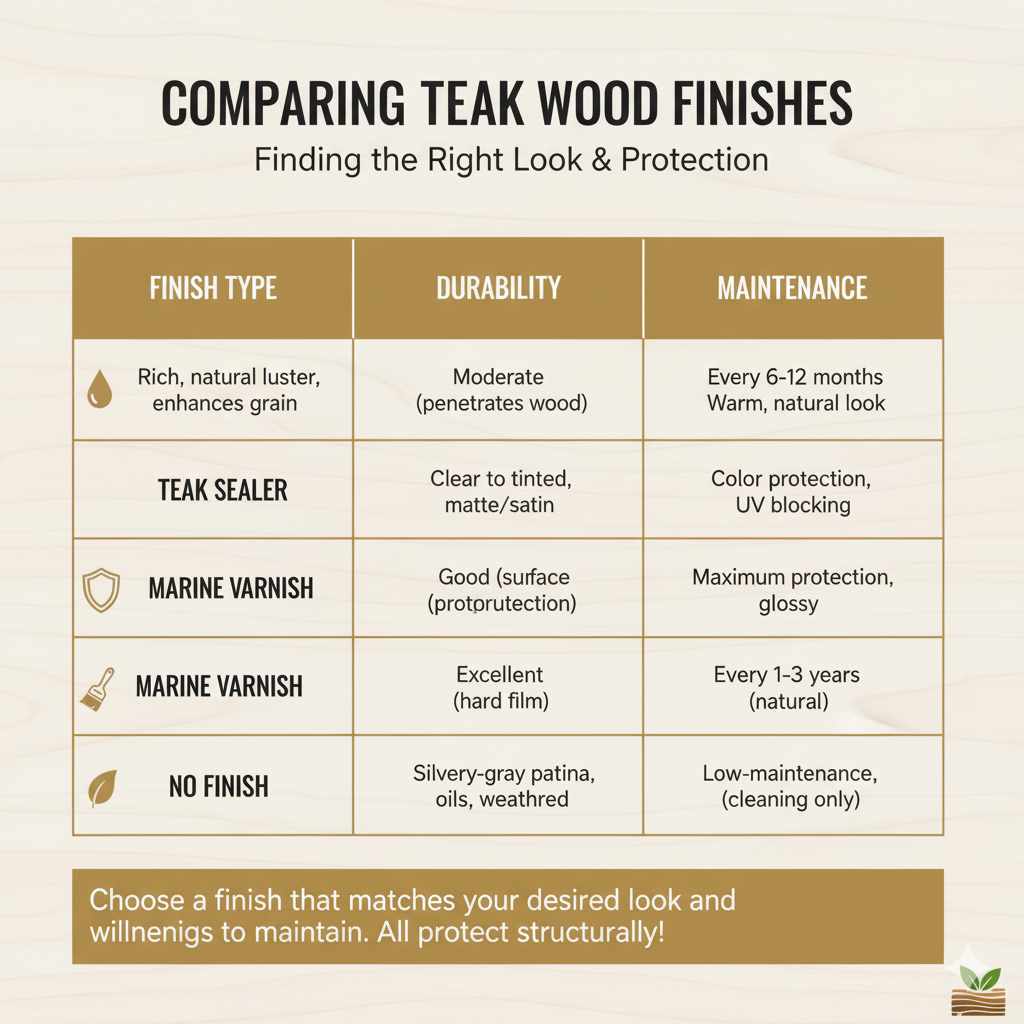
Table: Comparing Teak Wood Finishes
Here’s a quick comparison to help you decide:
| Finish Type | Appearance | Durability | Maintenance Frequency | Ease of Application | Best For |
|---|---|---|---|---|---|
| Teak Oil | Rich, natural luster, enhances grain | Moderate (penetrates wood) | Every 3-6 months | Easy | Maintaining natural color, warm look |
| Teak Sealer/Stain | Varies (clear to tinted), smooth | Good (surface protection) | Every 6-12 months | Moderate | Color protection, UV blocking |
| Marine Varnish/Polyurethane | High-gloss, plastic-like | Excellent (hard protective film) | Every 1-3 years (or as needed) | Difficult (requires prep) | Maximum protection, glossy finish |
| No Finish (Natural Patina) | Silvery-gray, weathered | Excellent (natural oils) | Minimal (cleaning only) | N/A | Low-maintenance, natural look |
Important Safety Tips for Teak Care
Working with wood finishes and cleaners always involves some safety considerations. Here are a few essential tips to keep you safe:
- Ventilation: Always work in a well-ventilated area, especially when using oils, sealers, or varnishes. Open doors and windows, or work outdoors.
- Protective Gear: Wear gloves to protect your skin from chemicals and oils. Safety glasses are recommended to protect your eyes from splashes or airborne particles, especially when sanding.
- Read Labels: Always read and follow the manufacturer’s instructions and safety warnings on any product you use, whether it’s a cleaner, brightener, oil, or varnish.
- Disposal of Rags: Used rags soaked with oil-based finishes (like many teak oils and varnishes) can spontaneously combust if stored improperly. Lay them flat to dry outdoors, or soak them in water in a sealed metal container before disposal. Check local regulations for proper disposal of chemical-soaked materials. The U.S. Environmental Protection Agency (EPA) has detailed information on safe rag disposal.
- Sanding Dust: Minimize inhalation of sanding dust by wearing a dust mask, especially when sanding larger areas.
Safety first ensures that your DIY projects are rewarding and incident-free!
Frequently Asked Questions About Teak Wood Care
Q1: How often should I clean my teak furniture?
For most outdoor teak furniture, a good cleaning twice a year is usually sufficient. If it’s in a heavily used area or exposed to harsh conditions, you might want to clean it more often. A quick wipe-down with a damp cloth can also help remove light dust.
Q2: My teak is very dirty and has green mold. What’s the best way to clean it?
Start with a mild soap and water solution and a soft brush. If that doesn’t work, try a 50/50 mix of white vinegar and water. For stubborn mold, a specialized teak cleaner designed for mold and mildew removal is your best bet. Always rinse thoroughly and let the wood dry completely.