Do You Need to Seal Teak Outdoor Furniture?
Sealing teak outdoor furniture is optional for durability — USDA Forest Products Laboratory research rates teak Class 1 for natural decay resistance — but a penetrating teak sealer is what keeps the golden color from turning silver-gray. Skip sealing and the wood is fine structurally; skip it and expect the patina within a season. This guide covers when sealing is worth it, which sealer type actually resists mold (teak oil often doesn’t), and the exact prep and application steps.
Quick Answer
Teak outdoor furniture doesn’t need sealing to survive outdoors — it’s naturally decay- and pest-resistant — but sealing preserves the honey-gold color instead of letting it weather to silver-gray. If you seal, use a dedicated teak sealer (not plain teak oil, which can trap moisture and feed mold) applied to clean, dry wood every 1–2 years.
The Importance Of Sealing Teak Outdoor Furniture
Best Teak Sealer Pick
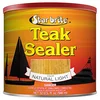
STAR BRITE Teak Sealer (No-Drip, One-Coat) – $57.45
A dedicated sealer, not an oil — matches the prep steps above and avoids the mold risk plain teak oil carries in humid climates.
- Best for: owners who want the one-coat, no-lap-mark application described in the steps above
- Why we picked it: sealer format resists mold better than plain teak oil per the myth-check above
- Main drawback: pricier per bottle than basic teak oil
Compare more teak sealer options
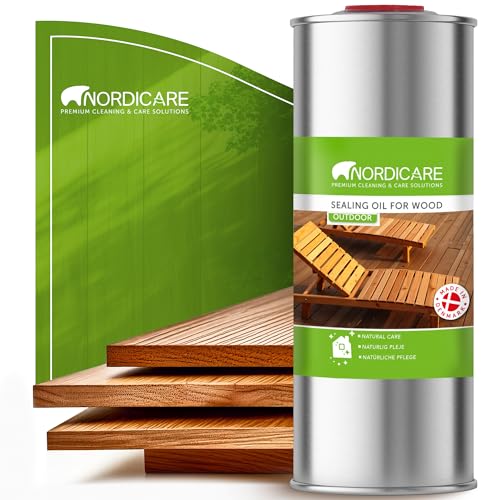
 Option 1 Teak Care Kit (Clean+Oil) – $39.95
|
 Option 2 Golden Teak Oil – $31.52
|
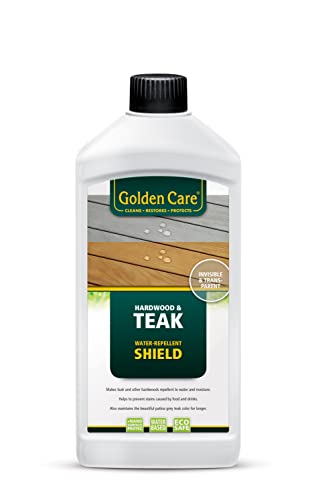
 Option 3 Teak Shield Stain Protector – $38.99
|
As an Amazon Associate we earn from qualifying purchases.
Teak outdoor furniture is known for its strength and beauty. Sealing it is vital for maintaining its appeal, and it pairs with the rest of our teak care and maintenance guides. This process protects the wood from weather damage. It helps keep the furniture looking fresh and new.
Preserving Natural Beauty
Teak wood has a rich, golden color. Over time, exposure to sun and rain can fade this color. Sealing helps retain that natural beauty. Here are key benefits:
- Color Protection: Sealing keeps the vibrant hue.
- Grain Enhancement: It highlights the unique patterns in the wood.
- Resistant to Stains: Sealed teak repels dirt and grime.
Regular sealing can maintain this beauty for years. Choose a high-quality sealant to achieve the best results.
Extending Furniture Life
Sealing teak furniture significantly extends its lifespan. Without proper sealing, wood can crack and warp. Here are a few reasons why sealing is crucial:
- Moisture Barrier: Protects against water damage.
- UV Protection: Shields from harmful sun rays.
- Prevents Mildew: Reduces the risk of mold growth.
By investing time in sealing, you save money on replacements. Regular maintenance enhances durability and performance. Enjoy your teak furniture for many seasons to come.
Characteristics Of Teak Wood
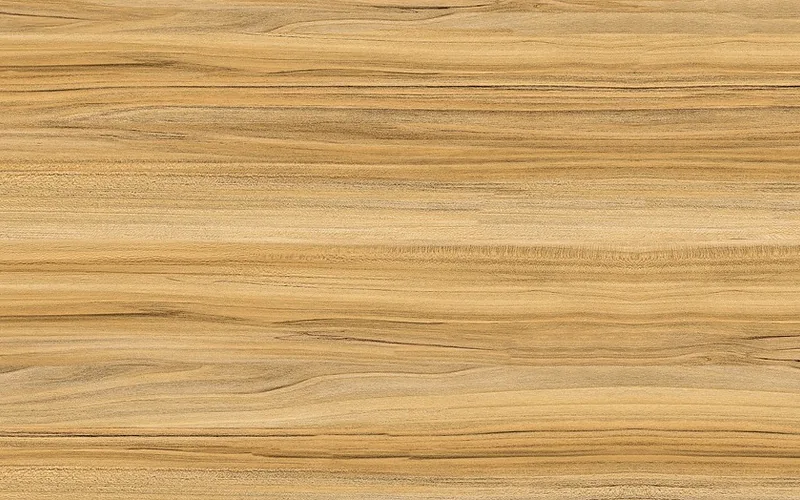
Teak wood is known for its unique properties. It combines beauty, strength, and resilience. Understanding these characteristics helps in maintaining outdoor furniture.
Natural Oils And Durability
Teak contains natural oils. These oils make the wood strong and durable. They protect against moisture and pests. This quality extends the lifespan of the furniture.
- Natural Resistance: Teak resists decay and rot.
- Low Maintenance: Requires less upkeep than other woods.
- Longevity: Can last for decades with proper care.
Weather Resistance Qualities
Teak wood excels in weather resistance. It withstands harsh sun, rain, and wind. This makes it ideal for outdoor use.
| Weather Element | Teak Wood Response |
|---|---|
| Sunlight | Resists fading and maintains color. |
| Rain | Repels water, preventing warping. |
| Wind | Stays sturdy without cracking. |
These qualities make teak furniture perfect for outdoor settings. It remains beautiful and functional in various climates.
Do You Actually Need To Seal Teak Furniture?
Sealing is optional, not required — teak is one of the few outdoor woods that performs fine bare. Its natural oils and high silica content give it a Class 1 durability rating, the top tier for untreated decay resistance. Left unsealed, teak weathers to a silver-gray patina but does not rot, warp, or attract termites the way most other outdoor woods do. Sealing exists purely to keep the honey-gold color instead of letting it gray.
📊 Teak earns a Class 1 (highest) natural durability rating for decay resistance — Source: USDA Forest Products Laboratory, Comparative Durability of Untreated Wood
Why Some Owners Skip Sealing On Purpose
- Zero maintenance: unsealed teak just gets an occasional soap-and-water wash — no yearly reapplication.
- No lap marks or blotching: uneven sealer application is the most common DIY mistake; skipping sealer skips the risk.
- The silver-gray patina is intentional on some furniture lines — many teak boat and outdoor brands are designed to weather this way.
If you prefer the original gold tone, sealing is the only way to keep it — weathering is not reversible without sanding back down to fresh wood.
When To Seal Teak Furniture
Sealing teak outdoor furniture protects it from the elements. Proper sealing enhances its beauty and longevity. Understanding when to seal is crucial for maintaining your furniture.
New Furniture Preparation
If you want to seal new teak furniture, don’t do it straight out of the box. Follow these steps:
- Let new furniture sit outdoors, unsealed, for 1–2 weeks first — sun and rain open the wood grain so sealer penetrates instead of sitting on the surface.
- Clean the surface with a mild soap and water.
- Let the furniture dry completely (24 hours minimum, out of direct sun).
- Choose a dedicated teak sealer — not plain teak oil, which stays on the surface longer and can encourage mold in humid climates.
- Apply the sealer using a clean cloth or brush, working with the grain.
- Allow the first coat to dry completely before adding a second coat.
Sealing new furniture helps prevent fading and discoloration. It also protects against moisture damage — but it is a cosmetic choice, not a structural necessity (see above).
Signs It’s Time To Reseal
Regular maintenance is key to keeping teak furniture in good shape. Look for these signs:
- Fading Color: The rich golden hue starts to dull.
- Water Stains: Water leaves marks after rainfall.
- Rough Texture: The surface feels rough or splintered.
- Mold or Mildew: Visible growth on the surface.
Resealing your teak furniture restores its protective layer. Check your furniture at least once a year — and if mildew has already formed, clean and treat it before applying a fresh coat, since sealing over mildew traps it under the finish.
Choosing The Right Sealant
Sealing your teak outdoor furniture protects it from damage. The right sealant keeps the wood looking fresh. It also extends the life of your furniture. Understanding the types and factors helps in making the best choice.
Types Of Teak Sealants
Different sealants work for teak wood. Here are some popular types:
- Oil-Based Sealants: Penetrate deep into the wood.
- Water-Based Sealants: Dry quickly and resist fading.
- Varnishes: Create a hard protective layer.
- Natural Oils: Enhance color and grain.
| Sealant Type | Advantages | Disadvantages |
|---|---|---|
| Oil-Based | Deep penetration, rich color | Long drying time |
| Water-Based | Fast drying, low odor | May require more coats |
| Varnish | Durable finish | Can yellow over time |
| Natural Oils | Eco-friendly, enhances grain | Needs frequent reapplication |
Factors To Consider
Choosing a sealant requires careful thought. Consider these factors:
- Climate: Humid areas may need more durable sealants.
- Usage: Heavily used furniture needs stronger protection.
- Color Preference: Some sealants change the wood color.
- Application Ease: Some sealants are easier to apply.
Pick a sealant that fits your furniture needs. Protecting your teak outdoor furniture ensures it remains beautiful for years.
Preparing Teak Furniture For Sealing
Preparing teak furniture properly is essential for effective sealing. This process ensures that the sealant adheres well and provides long-lasting protection. Follow these steps to prepare your teak furniture effectively.
Cleaning And Sanding
Start by cleaning your teak furniture to remove dirt and grime. Use a mild soap solution and a soft brush. Rinse thoroughly with clean water and let it dry completely.
Next, sanding is crucial. This step smooths the surface and opens the wood pores. Here’s how to sand:
- Use fine-grit sandpaper (220-grit works well).
- Sand in the direction of the grain.
- Remove dust with a damp cloth.
Make sure the surface feels smooth to the touch. Proper cleaning and sanding will allow the sealant to penetrate the wood effectively.
Drying And Application Conditions
Drying is a critical step. Allow your teak furniture to dry in a shaded area. Direct sunlight can cause uneven drying. Ensure the furniture is completely dry before sealing.
Check the weather conditions:
| Condition | Ideal | Avoid |
|---|---|---|
| Temperature | 60°F – 80°F (15°C – 27°C) | Below 50°F (10°C) |
| Humidity | 40% – 70% | Above 80% |
| Wind | Light breeze | Strong winds |
Follow these conditions for best results. Proper preparation leads to a beautiful and durable finish.
Application Techniques For Sealant
Applying sealant to your teak outdoor furniture protects it from damage. Proper techniques ensure long-lasting beauty and durability. Follow these steps for the best results.
Tools Required
- Sealant: Choose a high-quality teak sealant.
- Brush: Use a natural bristle brush for even application.
- Cloth: Soft, lint-free cloth for wiping.
- Sandpaper: Fine-grit sandpaper for surface prep.
- Protective gear: Gloves and mask for safety.
Step-by-step Guide
- Prepare the Surface: Clean the furniture with mild soap and water.
- Sand the Surface: Lightly sand the teak with fine-grit sandpaper.
- Wipe Clean: Use a lint-free cloth to remove dust.
- Apply Sealant: Dip the brush into the sealant. Apply evenly.
- Work in Sections: Focus on one area at a time.
- Wipe Off Excess: Use a clean cloth to remove extra sealant.
- Let It Dry: Allow the sealant to cure as per the instructions.
Follow these techniques for an effective seal. Enjoy your beautiful teak furniture for years to come!
Maintenance Tips Post-sealing
After sealing your teak outdoor furniture, regular maintenance keeps it looking great. Proper care enhances its lifespan and keeps its natural beauty. Follow these tips for effective maintenance.
Regular Cleaning
Cleaning your teak furniture regularly is essential. Use a soft brush or cloth to remove dust and dirt.
- Mix mild soap with warm water.
- Gently scrub the surface with the solution.
- Rinse thoroughly with clean water.
- Dry with a soft towel to prevent water spots.
Cleaning every two to three months helps maintain the finish. Avoid harsh chemicals that can damage the sealant — see our full teak cleaning guide for the exact solution ratios.
Dealing With Stains And Scratches
Stains and scratches can happen. Address them quickly to keep your furniture looking its best.
- For stains:
- Blot spills immediately with a clean cloth.
- Use a mixture of baking soda and water for tough stains.
- Gently scrub the area and rinse.
- For scratches:
- Use a fine-grit sandpaper.
- Sand the scratched area lightly.
- Apply teak oil or a matching stain to blend.
Regular maintenance keeps your teak furniture looking fresh and beautiful. Don’t ignore small issues; address them promptly.
Common Mistakes To Avoid
Sealing teak outdoor furniture enhances its beauty and lifespan. Avoiding common mistakes ensures effective sealing. Here are key pitfalls to steer clear of.
Overapplication Of Sealant
Applying too much sealant can cause problems. It may lead to an uneven finish or sticky surfaces. Follow these tips to avoid overapplication:
- Use a foam brush or a lint-free cloth for even application.
- Apply thin layers. Multiple thin coats work better than one thick coat.
- Follow manufacturer instructions for recommended amounts.
Check your furniture after each coat. Look for shiny spots indicating excess sealant. Wipe away any areas that appear too thick.
Ignoring Weather Conditions
Weather plays a crucial role in sealing teak furniture. Ignoring it can ruin your efforts. Consider these factors:
| Weather Condition | Recommendation |
|---|---|
| High Humidity | Wait for drier days to apply sealant. |
| Rain | Seal on clear, dry days only. |
| Extreme Heat | Seal early morning or late afternoon. |
Check the forecast before starting. Proper timing leads to better results. Protect your teak furniture from the elements.
Eco-friendly Sealing Options
Choosing eco-friendly sealing options for your teak outdoor furniture is smart. These options protect your furniture and the environment. They help maintain the beauty of your teak while being kind to nature.
Natural Oil-based Sealants
Natural oil-based sealants are great for teak furniture. They penetrate deep into the wood, providing excellent protection. These sealants enhance the natural color and grain of the wood.
- Easy to apply: Use a brush or cloth.
- Quick drying: Usually dries within a few hours.
- Non-toxic: Safe for pets and kids.
- Renewable: Made from natural sources.
Some popular natural oil-based sealants include:
| Sealant Name | Main Ingredients | Benefits |
|---|---|---|
| Teak Oil | Pure oils | Enhances color, water-resistant |
| Tung Oil | Tung tree nuts | Durable, water-resistant |
| Linseed Oil | Flax seeds | Natural, affordable |
Biodegradable Options
Biodegradable sealants are safe for the environment. They break down naturally over time. These sealants do not harm wildlife or plants.
- Plant-based: Made from renewable resources.
- Low VOC: Fewer harmful emissions.
- Safe disposal: Easy to dispose of without harm.
Some recommended biodegradable sealants include:
| Sealant Name | Main Ingredients | Benefits |
|---|---|---|
| Eco Wood Treatment | Plant oils | Non-toxic, protects wood |
| Natural Wood Finish | Vegetable oils | Easy application, safe |
| Bio-based Sealant | Renewable materials | Long-lasting, eco-friendly |
Professional Vs. DIY Sealing
Choosing between professional sealing and DIY sealing for your teak outdoor furniture is important. Each option has its benefits and drawbacks. Understanding these can help you make the right decision.
Pros And Cons
| Method | Pros | Cons |
|---|---|---|
| Professional Sealing |
|
|
| DIY Sealing |
|
|
When To Call A Professional
Consider professional help in these situations:
- Complex furniture designs
- Large outdoor spaces
- Lack of experience or tools
- Time constraints
- Desire for a flawless finish
Professionals ensure your teak furniture looks stunning. Their expertise can prevent costly mistakes.
Frequently Asked Questions
How Often Should I Seal Teak Outdoor Furniture?
You should seal teak outdoor furniture every 1 to 2 years. This helps protect the wood from moisture and UV damage. Regular sealing maintains its natural beauty and extends its lifespan. Always choose a high-quality teak sealer for best results.
What Is The Best Sealer For Teak Furniture?
A dedicated teak sealer, not plain teak oil, is the best choice for outdoor use. Sealer forms a breathable barrier that resists water and UV without the mold risk that plain oil carries in humid climates. Look for a one-coat, no-drip formula designed specifically for outdoor teak.
Can I Use Varnish On Teak Outdoor Furniture?
Using varnish on teak outdoor furniture is generally not recommended. Varnish can create a hard film that traps moisture, leading to damage. Instead, opt for penetrating oils or sealers that allow the wood to breathe. This approach ensures better durability and a more natural appearance.
How Do I Prepare Teak Furniture For Sealing?
To prepare teak furniture for sealing, start by cleaning it thoroughly. Use a mild soap solution and a soft brush to remove dirt and grime. Rinse well and let it dry completely. Sand any rough areas lightly to ensure an even application of the sealer.
Does Teak Furniture Actually Need To Be Sealed?
No, not for durability. Teak carries a Class 1 natural decay-resistance rating from the USDA Forest Products Laboratory and holds up outdoors unsealed for decades. Sealing is purely cosmetic — it keeps the honey-gold color instead of letting the wood weather to a silver-gray patina.
Conclusion
Teak outdoor furniture doesn’t need sealing to last — its natural oils and Class 1 decay resistance handle that on their own. Seal it if you want to keep the honey-gold color; skip it if you’re fine with a silver-gray patina. Either way, clean it every few months, reseal every 1–2 years if you do seal, and use a dedicated sealer rather than plain oil in humid climates.
Sponsored / affiliate links. As an Amazon Associate I earn from qualifying purchases. I may earn additional commission from eligible campaigns.