Teak Oil vs Danish Oil: What’s Actually Different
Teak oil and Danish oil are both oil-and-varnish blends, and “teak oil” isn’t oil pressed from teak trees – it’s a marketing name for a finish formulated with more UV protection, aimed at outdoor teak furniture. Danish oil is the more general-purpose version of the same idea, usually with a bit more varnish content for a slightly harder film. The names describe intended use more than a strict chemical difference, and formulations vary enough between brands that it’s worth reading the can rather than assuming based on the name alone.
What’s Actually in Each One
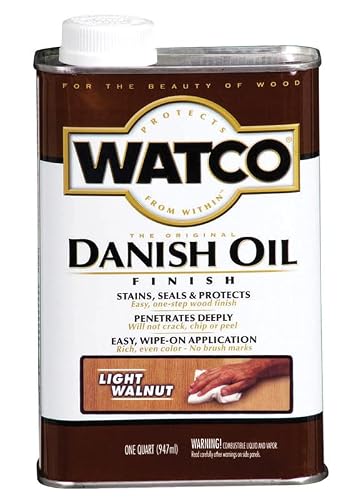
Best Danish Oil for Indoor Furniture
 |
Watco Natural Danish Oil Wood Finish, Quart – $22.79 A one-step stain-seal-protect oil for indoor furniture and cabinetry, penetrates deep without brush marks.
|
Both are wipe-on finishes built from a drying oil (usually tung oil, linseed oil, or a blend), thinned with mineral spirits, with some varnish or resin mixed in to add a bit of surface film and durability once cured. The varnish content is the main practical difference: Danish oil formulations generally lean a little heavier on varnish, giving a slightly harder, more water-resistant film once fully cured, while teak oil formulations are typically marketed with UV inhibitors added specifically to slow the graying that untreated teak develops outdoors in direct sun. Neither is a pure, single-ingredient product, and neither name is trademarked or standardized – two different brands’ “teak oil” can have meaningfully different ingredient ratios.
Where Each One Actually Makes Sense
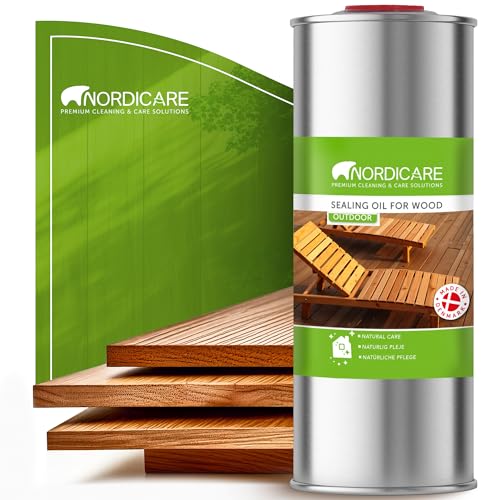
Teak oil earns its name from being marketed toward outdoor teak furniture and boat decks, where UV resistance and water-shedding matter more than a hard, scratch-resistant surface. Danish oil is the more common choice for interior furniture, cutting boards not used with raw meat, and cabinetry, where its slightly harder cured film adds a bit more resistance to everyday scuffs and spills. Both work reasonably well on the other’s “typical” use case – the distinction is really about which properties matter more for a given piece, not a hard rule about where each can be used.

Application Is Nearly Identical
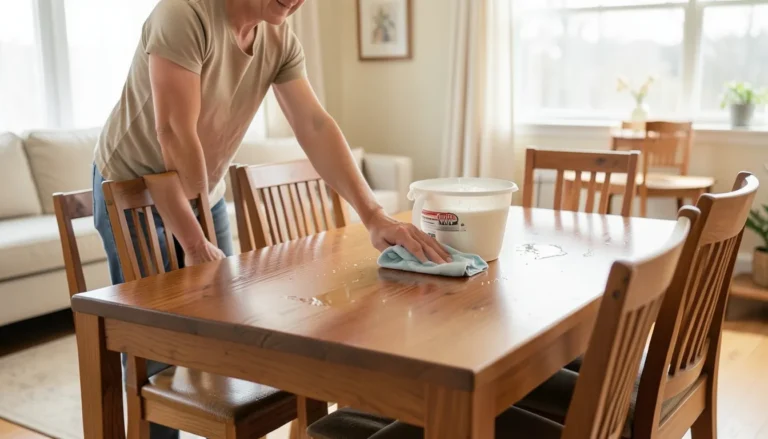
Sand the wood, wipe or brush the oil on generously, let it soak in for 15-30 minutes, then wipe off every bit of excess – any oil left sitting on the surface stays tacky and attracts dust as it tries to cure. Most pieces need two to three coats for real protection, with light re-sanding or a scuff pass between coats if the label calls for it. The core technique doesn’t change between the two products; what changes is dry time and how many coats you’ll want before you’re satisfied with the film buildup.
Drying and Cure Time
Both feel dry to the touch within a few hours under normal room conditions, but “dry” and “cured” aren’t the same thing. Full cure – the point where the finish has actually hardened all the way through and resists water and light wear – typically takes several days to a couple of weeks, and can run longer in cold or humid conditions, since the oil cures by reacting with oxygen in the air, not by simply evaporating. Avoid heavy use, water contact, or stacking anything on a freshly oiled surface until it’s had that full cure window, even once it feels dry to a light touch.
This is the safety point that’s easy to miss: any rag used with teak oil, Danish oil, linseed oil, or tung oil can spontaneously combust as it dries, because the same oxidation reaction that cures the finish on wood also generates heat in a wadded-up, oxygen-exposed rag – and that heat has nowhere to escape from a balled-up cloth in a trash can. Lay used rags flat outdoors to fully dry before disposal, or submerge them in a sealed container of water. This risk applies equally to both products – it’s not unique to Danish oil, despite that being the version most often mentioned in the warning.
Cost and Maintenance
Price between the two products is usually close – a quart of either typically runs in a similar range at a hardware store, and neither is a major cost factor compared to the wood itself. Both need periodic reapplication as the finish wears; a good sign it’s time is when water stops beading on the surface or the wood starts looking dry and dull instead of rejecting a spill. Outdoor teak-oiled furniture generally needs recoating more often than indoor Danish-oiled furniture simply because it’s exposed to more sun and moisture cycling, not because the oil itself wears out faster.
Frequently Asked Questions
What is the actual difference between teak oil and Danish oil?
Both are oil-and-varnish blends. Teak oil is typically formulated with UV inhibitors for outdoor use on teak and similar hardwoods, while Danish oil usually has a bit more varnish content for a harder cured film, making it a common choice for indoor furniture. Formulations vary by brand, so the names aren’t strictly standardized.
Which oil is better for outdoor teak furniture?
Teak oil, since it’s generally formulated with more UV protection for sun and weather exposure. Danish oil will still protect outdoor wood to some degree, but it isn’t built with the same UV resistance in mind.
How long does Danish oil take to fully cure?
It typically feels dry to the touch within a few hours but can take several days to a couple of weeks to fully cure, depending on temperature, humidity, and how many coats were applied. Avoid heavy use or water exposure until it’s had that full cure window.
Can teak oil rags catch fire?
Yes. Any rag soaked in teak oil, Danish oil, linseed oil, or tung oil can spontaneously combust as it dries and cures, since the curing reaction itself generates heat. Lay used rags flat outdoors to dry or store them submerged in a sealed container of water – never ball them up in a trash can.
Bottom Line
Teak oil and Danish oil are close cousins, not fundamentally different products – pick teak oil for outdoor teak and similar hardwoods where UV resistance matters most, and Danish oil for indoor furniture where a slightly harder cured film is more useful. Either way, treat the used rags with the same fire-safety caution, since that risk doesn’t change based on which one is in the can.
Sponsored / affiliate links. As an Amazon Associate I earn from qualifying purchases. I may earn additional commission from eligible campaigns.