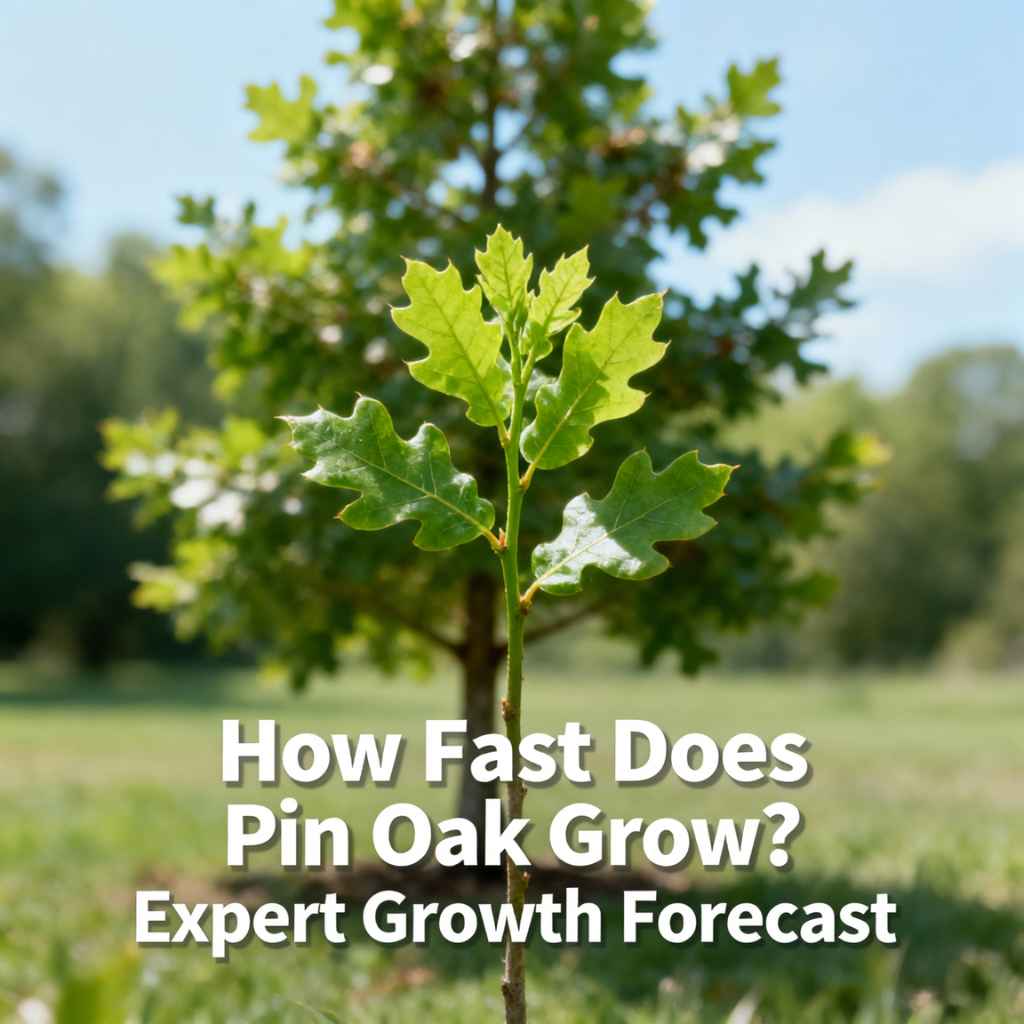
How Fast Does Pin Oak Grow? Expert Growth Forecast
Many gardeners wonder How Fast Does Pin Oak Grow? Expert Growth Forecast because they want their new trees to look their best quickly. It can be tricky to find clear answers, but don’t worry!
This guide will walk you through everything you need to know, step by step. We’ll make it simple and easy to understand. Get ready to learn about your pin oak’s growth.
Pin Oak Growth Rate Explained
Understanding the growth speed of a pin oak tree is key for anyone looking to add this beautiful tree to their landscape. This section breaks down what influences how fast a pin oak grows and what you can expect in its early years. We will look at the typical yearly gains and what makes one tree grow faster than another.
This information helps set realistic expectations for your tree’s development and ensures you can provide the best care. Knowing the normal growth pattern also helps spot any potential issues early on.
Average Annual Growth
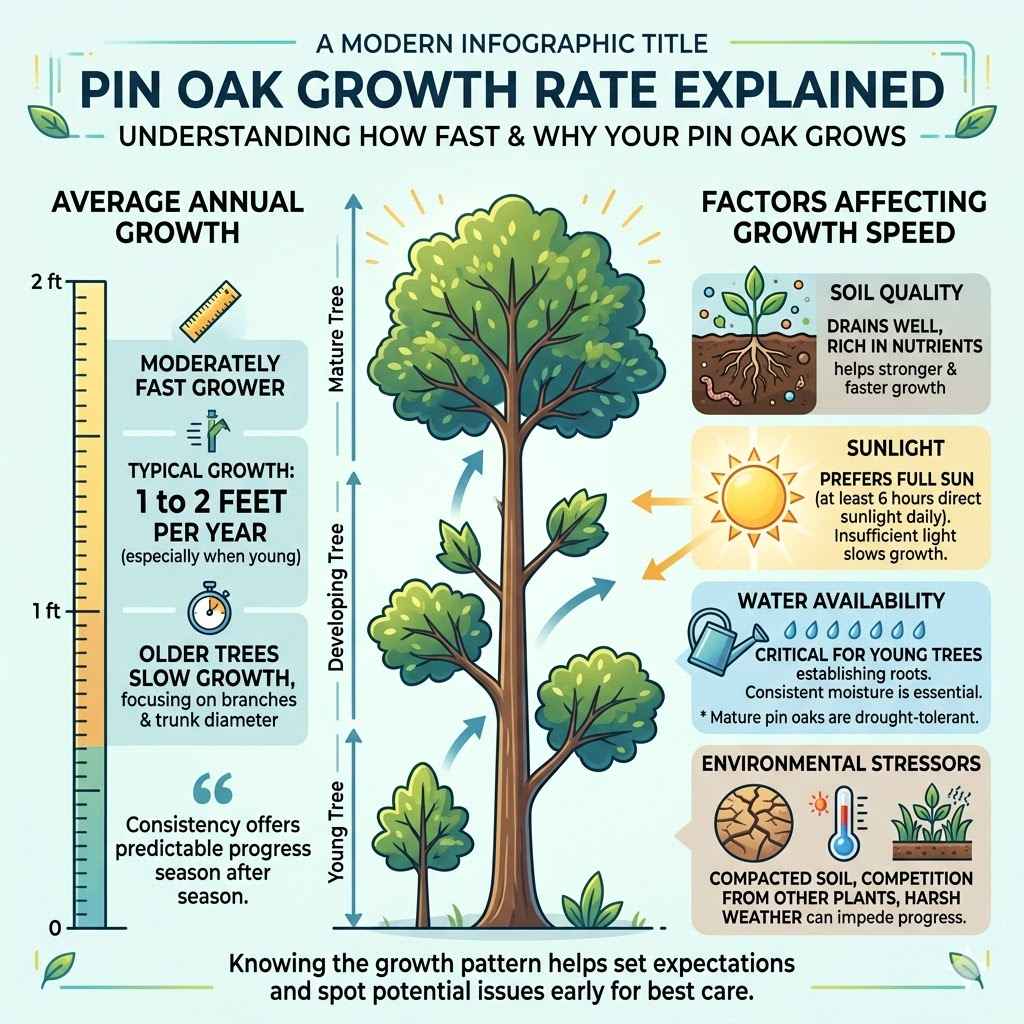
Pin oaks are known for being moderately fast growers. They typically add between 1 to 2 feet in height each year, especially when they are young and in ideal conditions. This growth rate can vary a bit based on several factors we’ll discuss later.
For example, a young pin oak planted in a sunny spot with good soil and plenty of water might reach the higher end of this range. An older tree will slow down its growth, focusing more on spreading its branches and trunk diameter.
This steady growth makes the pin oak a popular choice for landscaping projects where a mature look is desired within a reasonable timeframe. It’s not as slow as some ornamental trees, but it’s also not so fast that it becomes unmanageable. The consistent upward and outward expansion means you’ll see noticeable changes season after season.
This predictable progress is reassuring for homeowners.
Factors Affecting Growth Speed
Several elements play a big role in how quickly a pin oak tree grows. These include the quality of the soil, the amount of sunlight it receives, and the availability of water. Good soil that drains well and is rich in nutrients will help the tree grow stronger and faster.
Pin oaks also prefer full sun, meaning at least six hours of direct sunlight each day. Insufficient sunlight can significantly slow down growth.
Water is another critical component, especially for young trees establishing their root systems. While mature pin oaks are quite drought-tolerant, consistent moisture in the first few years is essential for vigorous growth. Extreme temperatures or harsh weather conditions can also temporarily impact a tree’s growth rate.
Environmental stressors, like compacted soil or competition from other plants, can also impede its progress.
Expert Forecast For Pin Oak Tree Growth
This part looks at what experts predict for pin oak growth over time. We’ll explore how environmental conditions and care practices align with professional observations. The How Fast Does Pin Oak Grow?
Expert Growth Forecast often considers seasonal changes and long-term health. Understanding these expert insights helps you support your tree’s optimal development. It’s about providing the right conditions so your pin oak can thrive and reach its full potential in your yard.
Maturity and Size Expectations
Pin oaks are medium to large trees that can reach impressive sizes. When fully mature, they typically stand between 60 to 80 feet tall, with a spread of about 40 to 60 feet. Their growth slows considerably after about 20-30 years.
At this stage, the tree is focused more on thickening its trunk and developing a full, rounded canopy. While it might still gain a few inches in height annually, the most rapid growth phases are in the past.
The mature shape of a pin oak is also noteworthy. It often develops a beautiful, symmetrical form with lower branches that tend to droop slightly, giving it a stately appearance. This mature structure contributes to its ornamental value, providing shade and visual interest for decades.
Knowing these size expectations helps in planning where to plant your pin oak so it has ample space to grow without encroaching on structures or utility lines.
Seasonal Growth Patterns
Pin oaks exhibit distinct growth patterns throughout the year. The most active growth occurs during the spring and early summer months when temperatures are mild and there is plenty of moisture. During this period, you will see the most significant increase in height and the development of new leaves.
As the summer heat intensifies, growth may slow down slightly.
In the fall, the tree prepares for dormancy. Leaf color change is a visual cue that growth has ceased for the season. Winter is a period of rest, with no significant growth occurring.
The cycle begins anew in the spring. This predictable rhythm means that while you can measure growth throughout the growing season, the biggest jumps happen during the peak periods. This seasonal aspect is crucial for timing fertilization and watering for best results.
Caring For Your Pin Oak For Better Growth
To ensure your pin oak reaches its full growth potential, proper care is essential. This section provides practical tips and advice on how to nurture your tree. From planting to ongoing maintenance, the right approach makes a significant difference.
Following these simple guidelines will help your pin oak grow strong and healthy, contributing to its impressive size and beauty for years to come. Let’s look at what your tree needs.
Planting Location And Soil Preparation
Choosing the right spot for your pin oak is the first step to great growth. These trees thrive in full sun, so pick a location that gets at least six hours of direct sunlight daily. They also prefer well-drained soil.
While pin oaks are adaptable, they don’t like to sit in waterlogged conditions. If your soil is heavy clay, consider amending it with compost or sand to improve drainage before planting.
When planting, dig a hole that is two to three times wider than the root ball but only as deep as the root ball. This allows the roots to spread out easily. Gently loosen the roots if they are tightly bound.
Planting too deep can cause serious problems, so make sure the top of the root ball is level with or slightly above the surrounding soil. Good soil preparation sets the stage for a strong start.
Watering And Fertilizing Needs
Water is vital for a growing pin oak, especially during the first few years after planting. Water deeply and regularly, allowing the soil to dry out slightly between waterings. Aim for consistent moisture, particularly during dry spells.
Once the tree is established, it becomes much more drought-tolerant. You can check soil moisture by sticking your finger a few inches into the ground near the base of the tree.
Fertilizing can help boost growth, but it’s not always necessary. If your soil is poor or the tree shows signs of slow growth or yellowing leaves, a balanced, slow-release fertilizer applied in early spring can be beneficial. Avoid over-fertilizing, which can harm the tree.
Always follow the fertilizer package instructions carefully. The goal is to provide nutrients without causing stress.
Pruning And Maintenance
Proper pruning helps shape your pin oak and promotes healthy growth. The best time to prune is typically during the dormant season, in late winter or early spring before new growth begins. Remove any dead, damaged, or crossing branches.
This helps improve air circulation and light penetration within the canopy. Avoid heavy pruning of young trees, as this can slow their growth.
For pin oaks, it’s common to prune the lower branches as the tree matures to create clearance for walking or mowing underneath. This also accentuates the tree’s attractive, somewhat weeping form. Regular inspection for pests or diseases is also part of good maintenance.
Catching issues early can prevent them from significantly impacting growth and overall health. Keep the area around the base of the tree clear of grass and weeds, which compete for water and nutrients.
Understanding Pin Oak Growth Challenges
Sometimes, pin oaks face challenges that can slow their growth. This section addresses common issues and how to manage them. Understanding these potential problems helps you ensure your tree stays healthy and continues its growth trajectory.
We will cover issues like soil compaction and disease.
Common Pests And Diseases
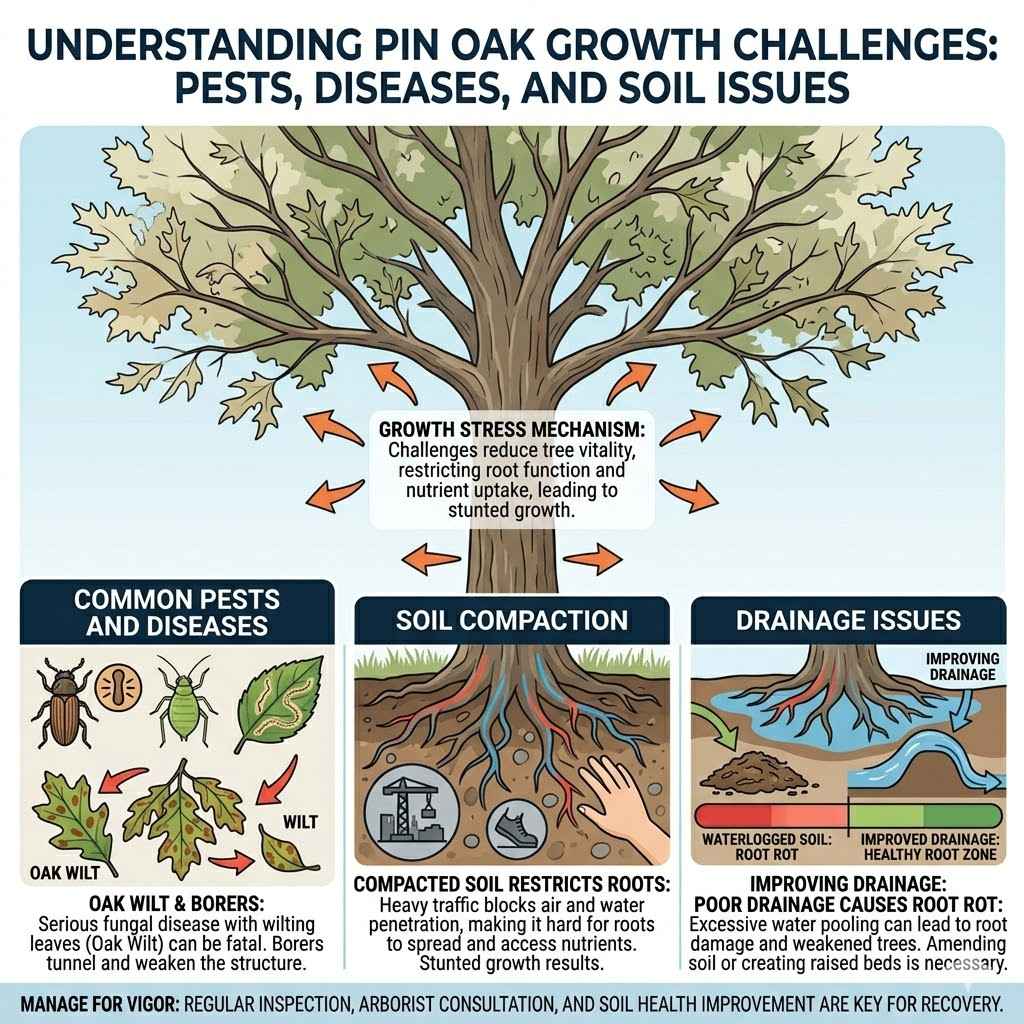
While generally hardy, pin oaks can be susceptible to certain pests and diseases that affect their growth. One common issue is oak wilt, a serious fungal disease that can spread rapidly and be fatal. Symptoms include wilting leaves and premature leaf drop.
Another concern can be borers, insects that tunnel into the wood, weakening the tree. Aphids and leaf miners can also infest pin oaks, though they usually cause less damage.
Regular inspection of your tree can help identify early signs of infestation or disease. If you notice wilting leaves, unusual spots, or insect activity, it’s wise to consult with a local arborist. They can help diagnose the problem and recommend the best course of action.
Prompt treatment is often key to saving an affected tree and restoring its vigor.
Soil Compaction And Drainage Issues
Poor soil conditions can significantly hinder pin oak growth. Soil compaction, often caused by heavy foot traffic or construction equipment, restricts root growth and reduces air and water penetration. Compacted soil makes it harder for roots to spread and access necessary nutrients and moisture.
This stress can lead to stunted growth and a weakened tree.
Drainage is also crucial. Pin oaks prefer moist, but not waterlogged, soil. If the planting site has poor drainage, water can pool around the roots, leading to root rot and other problems.
Improving drainage might involve amending the soil with organic matter or creating raised beds. Addressing these soil issues is fundamental for supporting healthy root development and, consequently, robust tree growth.
Frequently Asked Questions
Question: How tall can a pin oak tree get?
Answer: A mature pin oak tree typically reaches a height of 60 to 80 feet.
Question: Do pin oaks grow fast or slow?
Answer: Pin oaks are considered moderately fast growers, adding 1 to 2 feet in height annually when young.
Question: What is the best soil for pin oaks?
Answer: Pin oaks prefer well-drained soil that is rich in organic matter.
Question: When is the best time to prune a pin oak?
Answer: The best time to prune is in late winter or early spring before new growth begins.
Question: Are pin oaks drought tolerant?
Answer: Mature pin oaks are quite drought tolerant, but young trees need regular watering.
Summary
Understanding How Fast Does Pin Oak Grow? Expert Growth Forecast involves knowing its average yearly gains, from 1 to 2 feet when young. Factors like sun, water, and soil quality greatly influence this.
Mature trees reach 60-80 feet, with growth slowing over time. Proper care, including good planting location, consistent watering, and timely pruning, supports healthy development. Addressing common issues like pests and soil compaction helps ensure your pin oak thrives.