Bona Nordic Seal vs Natural Seal on Red Oak (2x White Pigment)
Bona Nordic Seal packs roughly twice the white pigment of Bona NaturalSeal, so it bleaches red oak toward a pale, Scandinavian look while NaturalSeal keeps the wood’s natural reddish warmth — but uneven rolling on either one leaves blotchy patches that need a full sand-down to fix. Both cover 400–500 sq ft per gallon. This guide compares color, coverage, recoat time, and the topcoat each needs on red oak.
Quick Answer
Bona Nordic Seal has about 2x the white pigment of Bona NaturalSeal, so it bleaches red oak toward a whitewashed, Scandinavian tone, while NaturalSeal preserves the wood’s natural reddish warmth. Both cover 400–500 sq ft per gallon; NaturalSeal recoats in 2–3 hours. Pick Nordic Seal for a pale, modern floor — NaturalSeal to keep red oak’s classic color.
Choosing the Right Floor Finish: Nordic Seal and Beyond
Best Bona Nordic Seal Pick
Bona NordicSeal Wood Floor Sealer, 128 oz – $39.99
The exact sealer this guide compares — 2x the white pigment of NaturalSeal for the pale, whitewashed look on red oak covered above.
- Best for: A bleached, Scandinavian look on red oak
- Why we picked it: Matches the exact pigment ratio and coverage rate in the comparison table above
- Main drawback: Uneven rolling shows blotchy patches — needs careful, overlapping passes
Compare more red oak sealer options
 Option 1 Bona NaturalSeal Wood Floor Sealer – $93.10
|
 Option 2 Bona Mega ONE Floor Finish (Satin) – $105.99
|
 Option 3 Duratool 18-Inch T-Bar Applicator Bundle – $24.99
|
As an Amazon Associate we earn from qualifying purchases.
Selecting the right finish matters for how your red oak floors look and how long that look lasts. Bona Nordic Seal and Bona NaturalSeal are both water-based primers/sealers from the same product line, but they use different amounts of white pigment — and that single difference drives almost everything else about how each one performs on red oak.
What Is Bona Nordic Seal?
Bona Nordic Seal is a water-based sealer that carries about twice the white pigment of Bona NaturalSeal. That extra pigment is what gives red oak its pale, almost bleached look and cuts down the amber/yellow tint red oak develops over time. Your floors keep a light, contemporary color instead of aging into deeper orange tones.
- Color neutralization: The added white pigment significantly cuts red oak’s natural ambering, giving a cleaner, brighter, whitewashed result.
- Coverage: Like NaturalSeal, it covers roughly 400–500 sq ft per gallon depending on how porous the wood is.
- Water-based formula: Low-VOC and water-cleanup, which is why most installers apply it with a pad, T-bar, or roller rather than a brush.
- Topcoat compatibility: Designed to be sealed over with a Bona Traffic HD topcoat (Raw or Satin) rather than mixed with other brands’ finishes.
Characteristics of Bona NaturalSeal
Bona NaturalSeal carries about half the white pigment of Nordic Seal, so it preserves more of red oak’s natural reddish-brown color and grain instead of bleaching it. It dries to recoat in just 2–3 hours — faster than most installers plan for Nordic Seal — and Bona recommends pairing it with a Bona Traffic HD Raw topcoat, which reduces side-bonding and tannin bleed on oak specifically.
- Grain enhancement: Shows off red oak’s natural grain pattern instead of muting it under white pigment.
- Color preservation: Keeps the warm reddish tones red oak is known for, rather than neutralizing them.
- Faster recoat: 2–3 hours between coats versus the full day most installers give Nordic Seal.
- Sheens available: Works under matte through gloss topcoats, so the sheen decision happens at the topcoat stage, not the sealer stage.
| Spec | Bona Nordic Seal | Bona NaturalSeal |
|---|---|---|
| White pigment | 2x NaturalSeal’s amount | Half of Nordic Seal’s amount |
| Color result on red oak | Pale, bleached, Scandinavian look | Warmer reddish tone preserved |
| Coverage rate | 400–500 sq ft/gal | 400–500 sq ft/gal |
| Recoat time | ~24 hrs recommended | 2–3 hrs |
| Recommended topcoat | Bona Traffic HD (Raw or Satin) | Bona Traffic HD Raw (less tannin bleed) |
| Best for | Modern, whitewashed floors | Preserving red oak’s natural warmth |
Coverage and recoat figures from Bona product data via RW Supply & Design’s Bona sealer comparison.
Application, Durability & Cost
Both sealers protect the wood once a topcoat goes over them, but the application process and the risk of a blotchy result differ enough to affect your decision — especially if you’re doing this yourself.
Durability and Protection
Neither sealer is the wear layer — that’s the topcoat’s job. Bona recommends a Bona Traffic HD topcoat over either sealer; the topcoat you choose is what actually determines scratch resistance, not the sealer underneath it. On red oak specifically, Traffic HD Raw is the pairing Bona names for NaturalSeal because it cuts down on tannin bleed — the yellow-brown staining that can show through some topcoats on oak.
Application: Avoiding the Blotchy Look
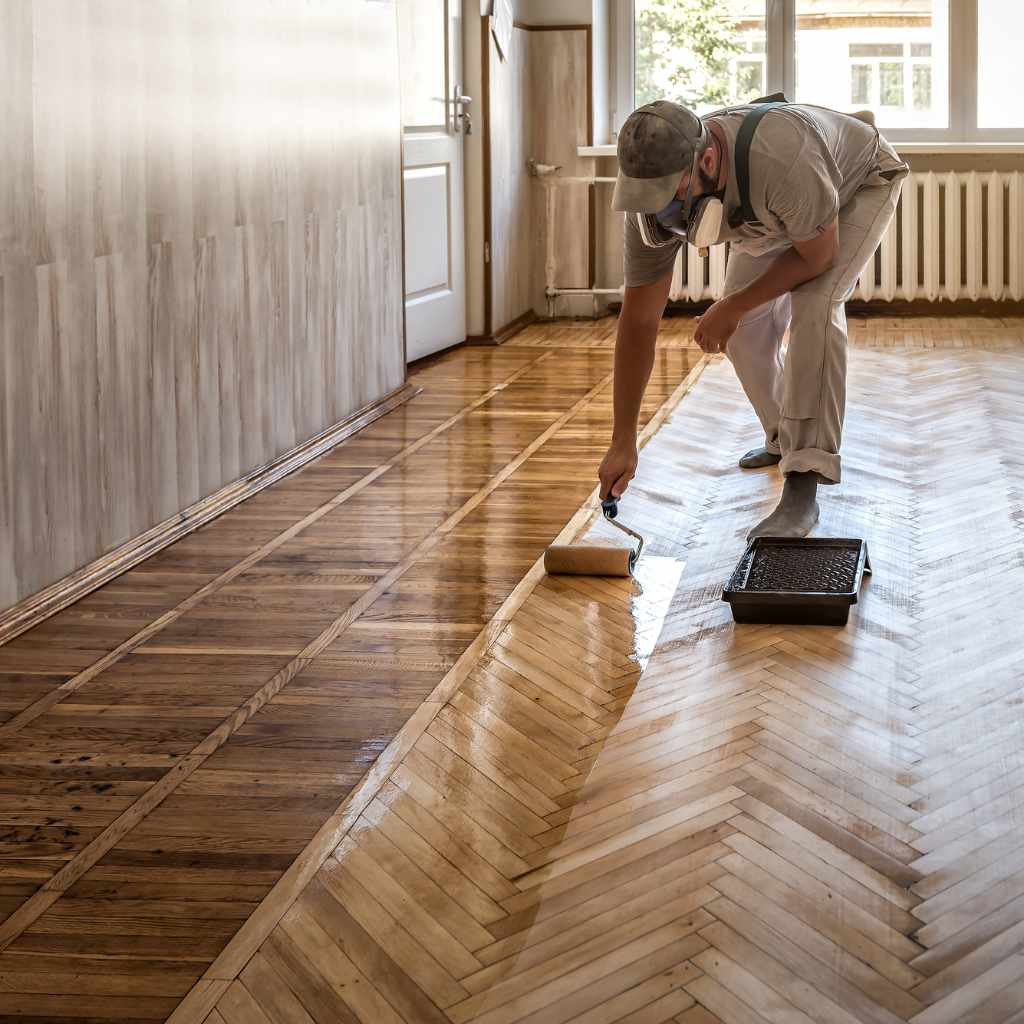
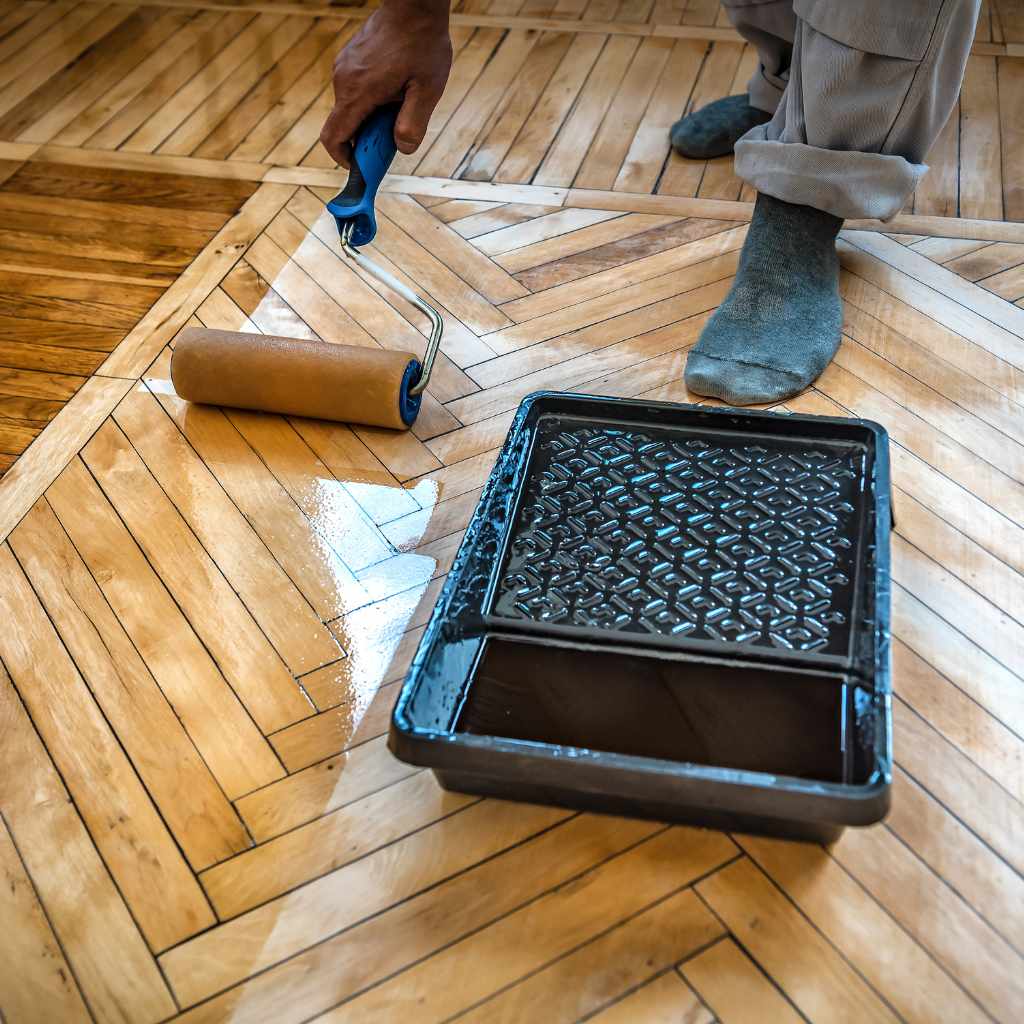
Application is where most DIY jobs go wrong. Because Nordic Seal carries so much white pigment, uneven coverage shows up as visible blotches once it dries — something a plain natural seal rarely does. Roller or T-bar passes need to overlap fully, and drips near baseboards or on stairs have to be brushed out evenly before they dry, or they need to be sanded out later. Give each coat a full day before recoating, and if the first coat looks patchy, a second coat usually evens it out.
📊 Both Bona NordicSeal and NaturalSeal cover 400–500 sq ft per gallon, and NaturalSeal is dry enough to recoat in just 2–3 hours. — Source: RW Supply & Design, Comparing the 5 Bona Hardwood Sealers
“Roller marks need to overlap or you get gaps and a streaky look once it’s cured — and drip marks near the baseboards have to be brushed out evenly or they’ll need sanding out later.”
Cost Considerations
Material cost per gallon is similar between the two sealers — the bigger cost swing is labor. Nordic Seal’s blotch risk means installers often plan for an extra coat and more careful, slower application, which adds labor hours. NaturalSeal’s faster 2–3 hour recoat window can mean a shorter job. Get quotes that specify coat count, not just a flat price, since that’s where the two products diverge most on total cost.
Which One Fits Your Floors?
Modern Home, High Foot Traffic
A family with kids and a dog wants a bright, contemporary look on red oak floors that can take daily wear. Nordic Seal fits here: the pale, whitewashed color hides scuffs better than a dark finish, and a Traffic HD topcoat handles the abuse. The tradeoff is application time — expect two coats and a full day of cure between them to avoid blotching.
Classic Home, Preserving Original Character
A couple restoring a historic home wants to keep red oak’s natural warmth rather than bleach it out. NaturalSeal is the better match: it preserves the grain and reddish tone, needs fewer coats, and recoats in 2–3 hours instead of a full day — a faster, simpler job for a floor that’s meant to look like it always did.

Frequently Asked Questions
Is Bona Nordic Seal suitable for all types of wood?
Bona Nordic Seal is designed primarily for hardwood floors, including red oak. Test it on a scrap piece or an inconspicuous area first, since the amount of white pigment needed for an even, non-blotchy result can vary by how porous the specific wood is.
How often do floors finished with these sealers need refinishing?
With proper care and the right topcoat, floors finished with either Bona Nordic Seal or NaturalSeal typically last 5 to 10 years before refinishing, depending on foot traffic and how well the topcoat resists scratches.
Can I apply NaturalSeal over Bona Nordic Seal?
No. Bona designs these sealers as separate systems, not layers to combine. Applying NaturalSeal over cured Nordic Seal won’t blend the pigment evenly and can affect how the topcoat bonds. Pick one sealer and follow Bona’s own topcoat pairing for it.
How do I clean and maintain floors finished with these products?
Use a pH-neutral cleaner made for wood floors, sweep or vacuum regularly so grit doesn’t scratch the topcoat, and skip ammonia-based or abrasive cleaners. Felt pads or couch stoppers under furniture legs prevent the scuffs that show up fastest on a pale Nordic Seal finish.
Is DIY application recommended for these finishes?
DIY is realistic for NaturalSeal since one uneven coat is less visible, but Nordic Seal’s high pigment content makes blotching a real risk for first-time applicators. If you have zero patience for careful, overlapping roller passes and a full day of cure time between coats, hire a pro instead.
Why does Bona Nordic Seal turn out blotchy on red oak?
Blotching happens when roller or T-bar passes don’t fully overlap, leaving thin and thick pigment patches that dry unevenly. Some installers apply a coat of Bona ClassicSeal or NaturalSeal first, then Nordic Seal on top, to even out absorption before the high-pigment coat goes down.
Can Bona Red Out fix pink or orange tones in red oak before sealing?
Some installers report combining a color-correcting product like Bona Red Out with Nordic Seal to counter red oak’s natural pink or orange undertone before it bleaches. This isn’t a step Bona documents as required, so test it on a scrap board first rather than the whole floor.
Final Thoughts
Bona Nordic Seal and NaturalSeal solve different problems on the same wood: Nordic Seal bleaches red oak toward a modern, whitewashed look, while NaturalSeal keeps its natural reddish warmth with a faster, simpler application. Match the sealer to the color you actually want, budget for a second coat and a full day of cure if you pick Nordic Seal, and pair either one with the Bona Traffic HD topcoat this guide names above. For stain-first options before you seal, see our red oak stain cost comparison, browse the complete wood finishing guide for how sealers, stains, and topcoats fit together, or check our Danish oil vs polyurethane comparison if you’re considering an oil finish instead of a sealed system.
Sponsored / affiliate links. As an Amazon Associate I earn from qualifying purchases. I may earn additional commission from eligible campaigns.