How Long Does Cedar Wood Chips Break Down
Figuring out how long cedar wood chips take to break down can feel a bit tricky when you’re just starting out. You see them used in gardens and know they’re great, but the exact timeline for decomposition isn’t always clear. This can lead to some guesswork when you’re planning your landscaping projects or trying to compost.
Don’t worry, though! We’re going to break down exactly what affects this process and give you a clear idea of what to expect. We’ll cover everything you need to know so you can make informed decisions about using cedar chips.
Cedar Wood Chips Decomposition Factors
Understanding how long cedar wood chips break down requires looking at several key influences. It’s not a one-size-fits-all answer because nature is dynamic. The environment where the chips are placed plays a huge role.
Factors like moisture levels, the types of microbes present, temperature, and even the size of the wood chips themselves all contribute to the speed at which they decompose. Think of it like cooking; different ingredients and cooking methods yield different results in different timeframes. This section will explore each of these elements in detail, providing a clear picture of the variables at play.
Moisture Content
Water is a critical ingredient for decomposition. Microorganisms, like bacteria and fungi, that do the heavy lifting of breaking down wood need moisture to survive and thrive. When cedar wood chips are too dry, these helpful critters can’t work efficiently, and the decomposition process slows to a crawl.
If the chips are consistently waterlogged, however, it can also hinder the process by limiting oxygen availability. An ideal scenario provides consistent, but not excessive, moisture.
- Optimal Hydration Levels: The best moisture content for decomposition is typically around 50-60%. This is often described as being as damp as a wrung-out sponge.
- Impact of Drought Conditions: During prolonged dry spells, the decomposition rate of cedar chips can drop significantly, potentially taking months or even years longer to break down compared to wetter periods.
- Waterlogging Issues: If cedar chips are constantly submerged in water, anaerobic conditions can develop. This means there’s not enough oxygen for the most efficient decomposers, leading to slower breakdown and sometimes an unpleasant odor.
Microbial Activity
The unseen heroes of decomposition are the microorganisms. Bacteria, fungi, and even certain types of insects are responsible for breaking down the complex organic materials in wood chips into simpler substances that can enrich the soil. The diversity and abundance of these microbes in a given environment directly influence how quickly cedar wood chips break down.
A healthy soil ecosystem teeming with life will break down chips much faster than a sterile or depleted one.
- Fungal Colonization: Fungi are particularly adept at breaking down lignin and cellulose, the main structural components of wood. White rot and brown rot fungi are common decomposers.
- Bacterial Involvement: Bacteria work alongside fungi, further processing the broken-down materials. They play a crucial role in the later stages of decomposition.
- Importance of Aeration: Microbes need oxygen to perform their work efficiently. Compacted wood chips or soil can limit airflow, slowing down microbial activity.
Temperature and Climate
Temperature plays a significant role in the metabolic rate of microorganisms. Warmer temperatures generally accelerate biological processes, including decomposition. Conversely, cold temperatures slow them down considerably.
Cedar wood chips break down much faster in warm, humid climates than they do in cold, dry ones. Seasonal changes will also affect the speed.
- Ideal Decomposition Range: Most decomposition activity occurs in moderate to warm temperatures, typically between 70°F and 90°F (21°C to 32°C).
- Impact of Freezing Temperatures: During winter months in colder climates, decomposition virtually grinds to a halt. The process will only resume once temperatures warm up again.
- Seasonal Fluctuations: Expect faster breakdown during spring and summer when conditions are favorable, and significantly slower rates during fall and winter.
Chip Size and Surface Area
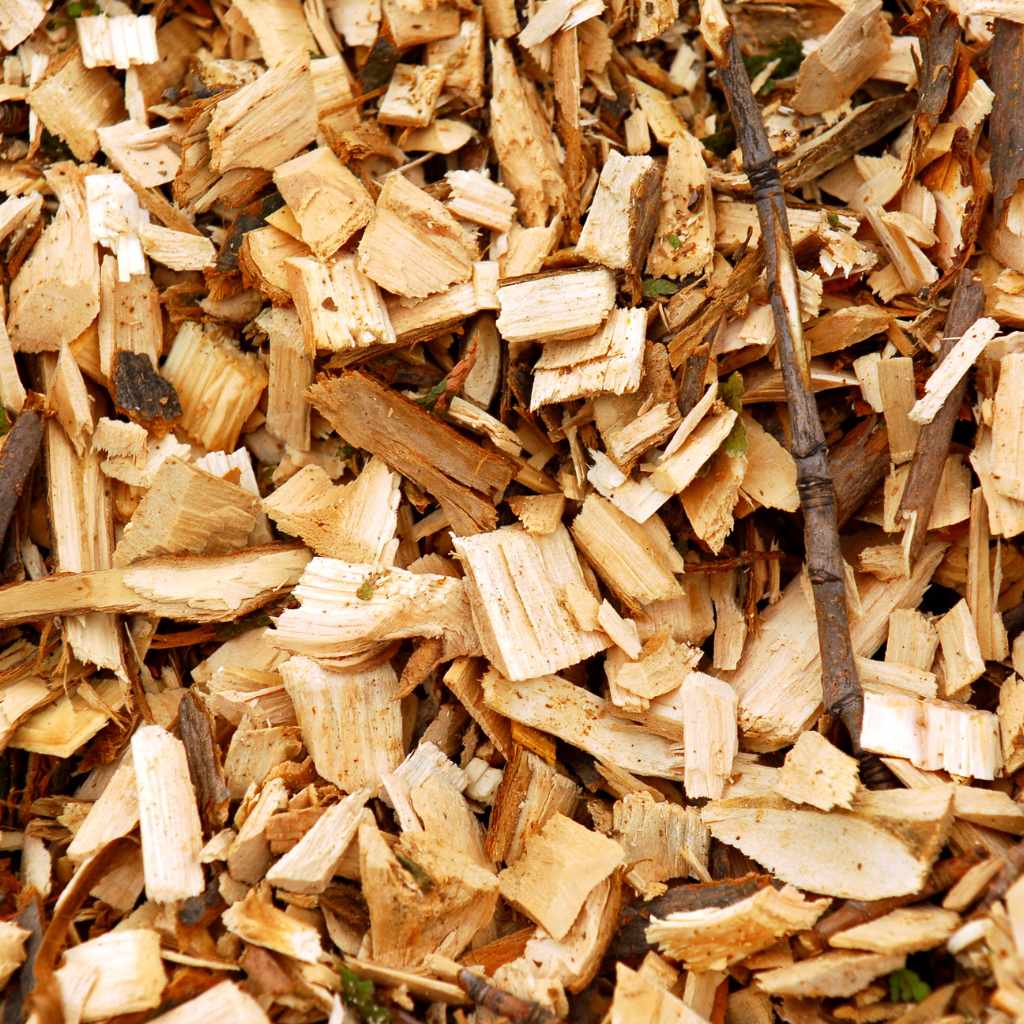
The physical characteristics of the cedar wood chips themselves matter. Smaller chips have a larger surface area exposed to the environment and the decomposers. This increased surface area allows microbes to access and break down the wood more readily.
Larger chunks of wood will naturally take longer to break down compared to finely shredded material.
- Smaller Chips Decompose Faster: Finely shredded or small cedar chips offer more contact points for microbes, speeding up the breakdown process.
- Larger Pieces Require More Time: Chunky or large cedar bark pieces will break down at a much slower pace due to their reduced surface area.
- Shredded vs. Bark Nuggets: Cedar mulch that is shredded will decompose more quickly than larger bark nuggets or larger pieces of split cedar.
Wood Type and Density
While we are focusing on cedar, it’s worth noting that different types of wood decompose at varying rates. Cedar, known for its natural oils and resins, is relatively resistant to decay compared to some other woods. These natural compounds help protect the wood from insects and fungi, giving it a longer lifespan.
However, once these oils are depleted and the wood structure is compromised, decomposition proceeds.
- Cedar’s Natural Resistance: The oils and compounds in cedar wood contribute to its natural rot resistance, making it last longer in outdoor applications.
- Comparison to Softer Woods: Woods like pine or fir, which have less natural resistance, tend to decompose more quickly than cedar.
- Hardwood vs. Softwood Decomposition: Generally, softer woods break down faster than hardwoods, and cedar falls somewhere in between, leaning towards a slower decomposition rate due to its unique properties.
The Decomposition Timeline For Cedar Wood Chips
Now let’s get to the core question: how long does cedar wood chips break down? Based on the factors we’ve just discussed, there isn’t a single definitive answer, but we can provide a realistic range. For typical garden use, where cedar chips are applied as mulch, you can expect them to start breaking down noticeably within 6 to 12 months.
However, complete decomposition, where they are no longer recognizable as wood chips and have fully integrated into the soil, can take anywhere from 1 to 3 years. This extended period is actually a benefit for gardeners, as it means the mulch layer lasts longer, suppressing weeds and retaining moisture for a considerable time.
Initial Breakdown Phase
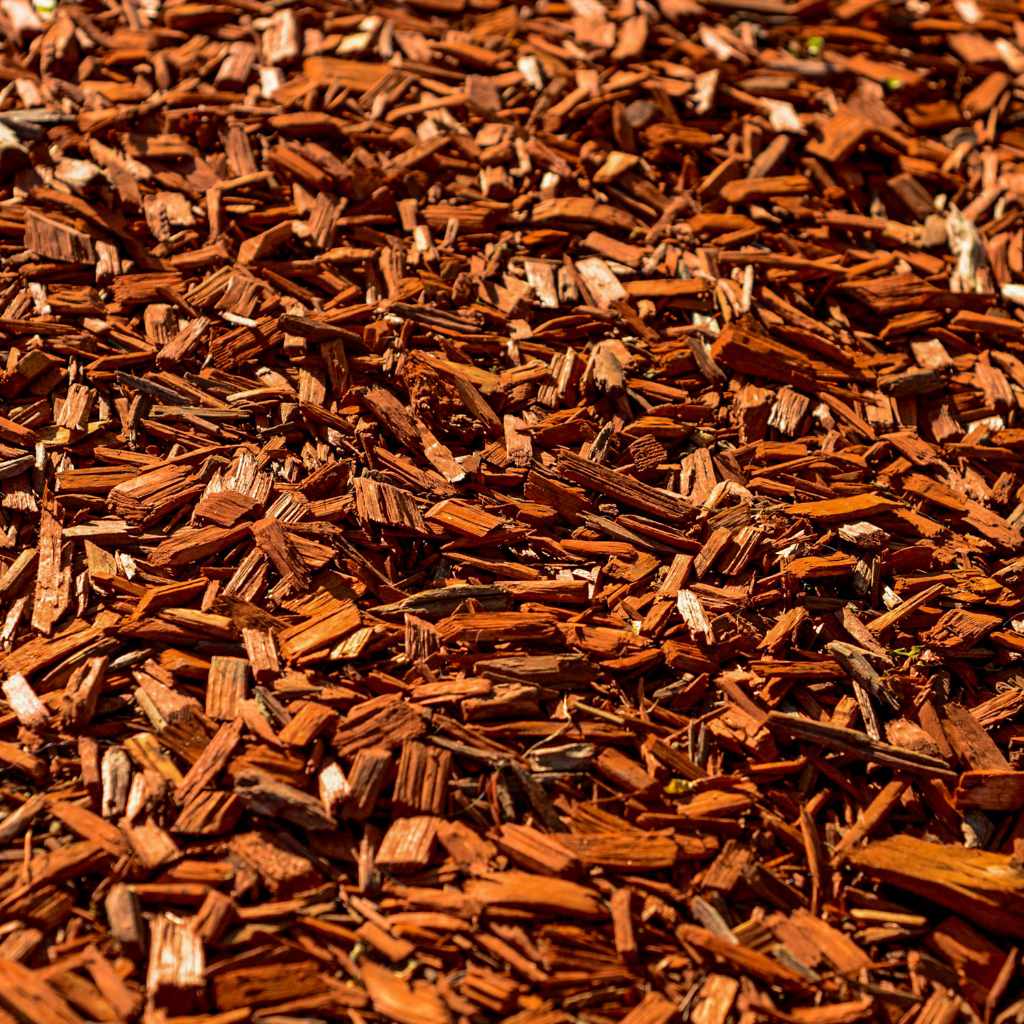
The initial phase of decomposition is when the outer layers of the cedar wood chips begin to soften and break apart. This is primarily driven by fungal activity, which starts colonizing the surface of the chips. During this stage, the chips will start to lose some of their vibrant reddish-brown color, often becoming a duller brown.
You might also notice a slight breakdown of the chip structure, with edges becoming softer and more prone to crumbling.
- Surface Erosion: Fungi begin to break down the lignin and cellulose on the exposed surfaces of the chips. This makes them more porous and less distinct.
- Color Change: The bright, fresh look of new cedar chips will gradually fade to a more muted, earthy brown as the outer layers weather and begin to decompose.
- Softening Edges: The sharp edges of the wood chips will start to round off and soften, indicating the initial stages of material degradation.
Intermediate Decomposition Stage
As the cedar wood chips continue to break down, more significant changes become apparent. This stage involves the combined efforts of fungi, bacteria, and soil invertebrates. The chips will become more fragmented, and their original shapes will be harder to discern.
You’ll notice them starting to blend more with the surrounding soil, contributing nutrients as they go. This is where the mulch really starts to act as a soil amendment.
- Fragmentation and Crumbling: The chips will break into smaller pieces and start to crumble easily when disturbed. Their original form becomes significantly altered.
- Blending with Soil: The decomposed material will begin to integrate with the top layer of the soil, enriching it with organic matter and nutrients.
- Nutrient Release: As decomposition progresses, the cedar wood chips release valuable nutrients back into the soil, benefiting surrounding plants.
Advanced Decomposition and Integration
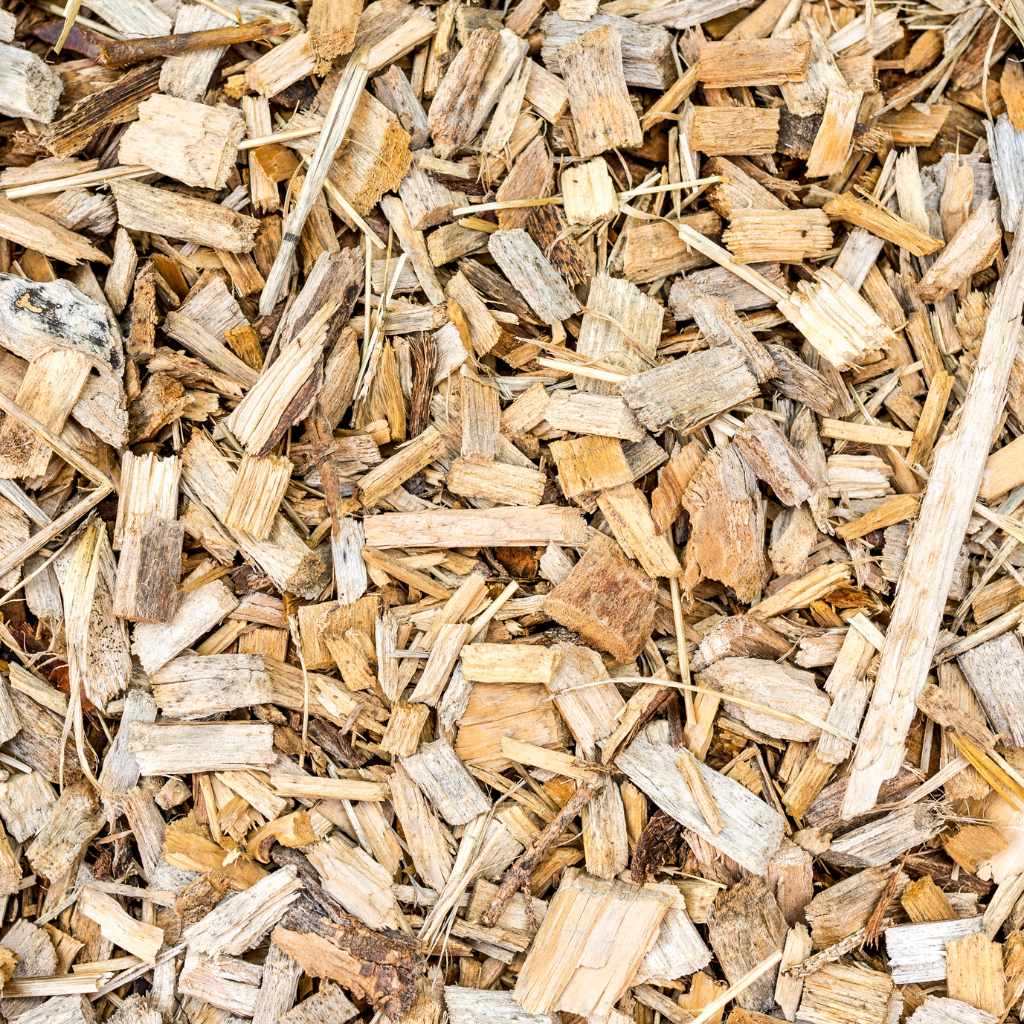
In the final stages, the cedar wood chips are largely unrecognizable as distinct pieces of wood. They have broken down into humus, a stable form of organic matter that is an integral part of healthy soil. This humus improves soil structure, water retention, and aeration.
At this point, the chips have fully served their purpose as mulch and have become a valuable component of the soil ecosystem. This is the goal for composted materials.
- Formation of Humus: The remaining organic matter transforms into humus, a dark, nutrient-rich substance that is the hallmark of fertile soil.
- Soil Structure Improvement: The integrated organic matter helps bind soil particles together, improving aeration and drainage.
- Complete Integration: The material is no longer identifiable as wood chips and has become a natural part of the soil structure, contributing to its overall health.
Factors Influencing the Timeline
The specific timeline for decomposition can vary greatly. In a consistently moist and warm environment with a healthy microbial population, you might see significant breakdown within 6 months. Conversely, in a dry, cool climate with less microbial activity, it could take 2 years or more for the chips to be substantially decomposed.
The size of the chips also plays a major role. Smaller, shredded cedar mulch will break down faster than larger cedar bark nuggets.
- Warm, Damp Environments: Expect the faster end of the decomposition spectrum, with noticeable breakdown in 6-12 months.
- Cool, Dry Climates: The process will be significantly slower, potentially taking 2-3 years for substantial decomposition.
- Chip Size Matters: Finely shredded mulch will decompose much faster than larger bark pieces or split logs.
Benefits of Cedar Wood Chips Beyond Decomposition
While the question of how long does cedar wood chips break down is important for planning, it’s equally vital to recognize the immediate and ongoing benefits these chips offer. Their natural properties make them an excellent choice for gardeners and landscapers, even before they fully decompose. These advantages contribute to healthier plants and a more sustainable garden.
Understanding these perks helps appreciate why they are a popular choice, regardless of their decomposition speed.
Weed Suppression
One of the most immediate and appreciated benefits of using cedar wood chips is their effectiveness in suppressing weeds. The thick layer of chips acts as a physical barrier, blocking sunlight from reaching weed seeds in the soil. This prevents many weed seeds from germinating.
For those that do manage to sprout, the chips make it harder for them to establish strong root systems and easier to pull them out.
- Light Blocking Barrier: The dense layer of mulch prevents sunlight from penetrating to the soil surface, which is essential for seed germination.
- Reduced Weed Competition: By limiting weed growth, cedar chips reduce competition for water, nutrients, and sunlight that your desired plants need to thrive.
- Easier Weed Removal: Any weeds that do manage to grow through the mulch tend to have shallow roots, making them much easier to pull by hand.
Moisture Retention
Cedar wood chips are excellent at helping the soil retain moisture. They act like a sponge, absorbing rainwater and dew and slowly releasing it into the soil. This reduces the need for frequent watering, saving both time and water resources.
This is particularly beneficial during hot, dry periods when plants are most susceptible to drought stress.
- Evaporation Reduction: The mulch layer acts as a protective cover, significantly reducing the amount of water lost from the soil surface through evaporation.
- Water Absorption: Cedar chips absorb water and slowly release it, keeping the soil consistently moist, which is ideal for plant root systems.
- Water Conservation: By retaining moisture, the need for supplemental watering is decreased, contributing to water conservation efforts in gardening.
Temperature Regulation
The layer of cedar wood chips helps to insulate the soil, moderating its temperature. In the summer, it keeps the soil cooler by blocking direct sunlight. In the winter, it provides a protective layer that helps prevent extreme temperature fluctuations, shielding plant roots from frost heave and sudden cold snaps.
This consistent soil temperature is beneficial for plant root health and growth.
- Cooler Summer Soil: By reflecting sunlight and creating an insulating layer, mulch helps keep the soil surface and root zone cooler during hot summer months.
- Warmer Winter Soil: In winter, the mulch acts as an insulator, trapping heat in the soil and protecting plant roots from harsh frosts and freezing temperatures.
- Reduced Plant Stress: Stable soil temperatures reduce stress on plant roots, leading to healthier growth and better overall plant resilience.
Aesthetic Appeal
Beyond their functional benefits, cedar wood chips significantly enhance the visual appeal of any landscape. Their natural reddish-brown color adds warmth and texture to garden beds, pathways, and around trees. They create a clean, finished look that unifies planting areas and provides a pleasing contrast to the greens of foliage and the colors of flowers.
They are a simple way to elevate the overall appearance of an outdoor space.
- Natural Beauty: The rich, earthy tones of cedar chips provide a natural and attractive ground cover that complements various plant types and garden styles.
- Clean and Tidy Appearance: They create a uniform look in garden beds and around trees, giving the landscape a well-maintained and professional appearance.
- Versatile Use: Cedar chips can be used in flower beds, vegetable gardens, around trees and shrubs, and even on pathways to create decorative and functional areas.
Soil Enrichment Over Time
As cedar wood chips decompose, they slowly release organic matter and nutrients into the soil. This process improves soil structure, making it more loamy and improving its ability to hold water and nutrients. While the primary role of mulch is often seen as external, its eventual breakdown contributes significantly to the long-term health and fertility of the soil.
- Organic Matter Addition: The gradual breakdown of cedar chips adds essential organic matter to the soil, which is vital for soil health.
- Nutrient Contribution: As they decompose, chips release trace nutrients back into the soil, providing a slow-release feeding for plants.
- Improved Soil Texture: The addition of decomposed organic matter enhances soil structure, leading to better drainage and aeration.
Maximizing Cedar Wood Chip Longevity and Effectiveness
While we want cedar wood chips to break down eventually to enrich the soil, sometimes we want them to last longer as a mulch layer. Understanding how to manage them can extend their effectiveness and appearance. Proper application and maintenance can ensure they continue to provide benefits for an extended period.
This involves a few simple practices that anyone can adopt in their garden or landscaping efforts.
Proper Application Techniques
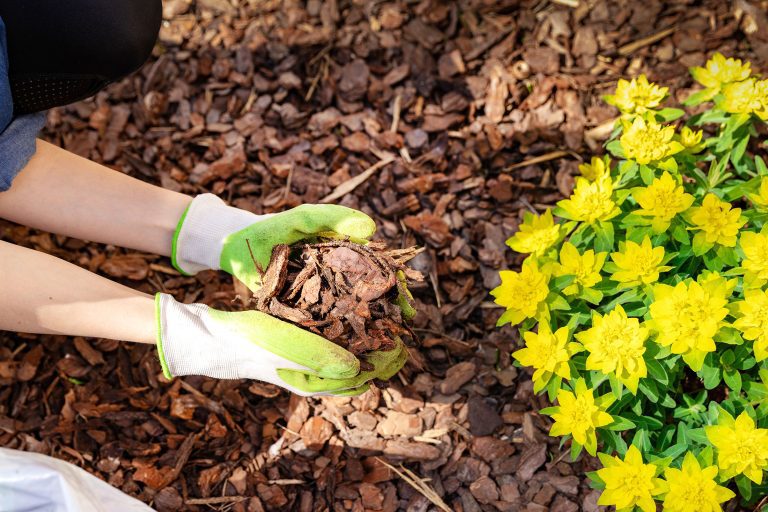
How you apply the cedar wood chips can affect both their longevity and their effectiveness. It’s best to apply them in a layer that is neither too thin nor too thick. A layer of 2-4 inches is typically recommended for most applications.
Avoid piling the mulch directly against the trunks or stems of plants, as this can trap moisture and lead to rot or disease.
- Ideal Layer Thickness: Apply cedar wood chips in a layer of 2 to 4 inches deep. This provides adequate coverage for weed suppression and moisture retention without suffocating plants.
- “Mulch Volcanoes” to Avoid: Keep mulch a few inches away from the base of tree trunks and plant stems. This prevents moisture buildup that can lead to rot, fungal diseases, and pest issues.
- Even Distribution: Spread the chips evenly across the intended area to ensure consistent coverage and uniform benefits.
Top-Up and Refreshing
Over time, the mulch layer will naturally thin out as it decomposes and settles. To maintain its effectiveness in weed suppression and moisture retention, you’ll need to top it up periodically. The frequency of this depends on the climate and the specific decomposition rate, but generally, adding a fresh layer every 1-2 years is sufficient.
This keeps the visual appeal sharp and the functional benefits consistent.
- Annual or Biennial Refresh: Plan to add a fresh layer of cedar wood chips every one to two years to maintain the desired depth and effectiveness.
- Observe the Current Layer: Check the mulch depth regularly. If it has thinned to less than 2 inches, it’s time to replenish.
- Benefits of Replenishing: Topping up ensures continued weed suppression, optimal moisture retention, and a consistently attractive landscape appearance.
Dealing with Decomposition in Composting
If your goal is to compost cedar wood chips rather than have them sit as mulch, the approach is different. For faster composting, chips should be mixed with “green” materials like kitchen scraps and grass clippings to provide nitrogen and moisture. Shredding them into smaller pieces also greatly speeds up the breakdown process in a compost pile.
Proper aeration and turning are also key.
- Balance with Nitrogen-Rich Materials: Mix cedar chips (a “brown” material) with nitrogen-rich “green” materials like vegetable scraps, grass clippings, or coffee grounds to provide the necessary nutrients for decomposition.
- Shredding for Speed: For faster composting, shred the cedar wood chips into smaller pieces before adding them to the compost bin. This increases surface area for microbial action.
- Regular Turning and Aeration: Turn your compost pile regularly to introduce oxygen, which is essential for the aerobic bacteria that break down organic matter efficiently.
Situations Where Longevity is Desired
There are specific landscaping scenarios where you might want your cedar wood chips to last as long as possible. For instance, on slopes or in areas with heavy foot traffic, a longer-lasting mulch is advantageous. Using larger-sized cedar nuggets instead of finely shredded mulch will extend its lifespan considerably.
Also, placing them in areas that receive less moisture or have cooler temperatures will naturally slow their decomposition.
- Slopes and High-Traffic Areas: Larger cedar nuggets are ideal for these areas as they are less likely to wash away or get displaced, and they naturally last longer.
- Drier, Cooler Locations: Applying mulch in areas that naturally stay drier or are in shadier, cooler spots will also help extend its visible presence.
- Reduced Microbial Activity Zones: Areas with less organic matter or fewer beneficial microbes will see a slower decomposition rate for the wood chips.
Frequently Asked Questions
Question: How long do cedar wood chips typically last as mulch before needing replacement
Answer: Cedar wood chips can last as mulch for approximately 1 to 2 years before needing to be replenished. This duration depends on factors like climate, chip size, and moisture levels.
Question: Can cedar wood chips be too acidic for garden plants
Answer: While cedar wood itself is naturally somewhat acidic, once it’s broken down and integrated into the soil, its pH impact is generally negligible. Fresh chips might slightly lower pH, but this effect is temporary and minimal.
Question: How can I speed up the decomposition of cedar wood chips for composting
Answer: To speed up decomposition, mix cedar chips with nitrogen-rich materials like kitchen scraps and grass clippings, shred them into smaller pieces, and ensure the compost pile is kept moist and turned regularly for aeration.
Question: Will cedar wood chips harm my garden plants
Answer: Generally, no. When applied correctly (not piled against stems), cedar wood chips are beneficial, suppressing weeds, retaining moisture, and eventually enriching the soil. Their natural oils are not typically harmful to plants.
Question: What is the primary reason cedar wood chips break down slowly
Answer: Cedar wood chips break down slowly primarily due to their natural oils and resins, which act as a natural deterrent to rot and insect infestation, giving them a longer lifespan than many other types of mulch.
Final Thoughts
The timeframe for how long does cedar wood chips break down is a dynamic range, influenced by nature’s conditions. You can expect visible changes within a year, with full integration into the soil potentially taking up to three years. This slow and steady decomposition is one of their key advantages, offering lasting benefits as mulch.
They work hard to keep weeds down, retain moisture, and regulate soil temperature, all while slowly feeding your soil with organic matter. For gardeners, this means less frequent replenishment and a healthier growing environment over time. Whether you’re using them for their aesthetic appeal or their functional properties, cedar wood chips are a valuable addition to any landscape.
Consider the environment where you place them and how you apply them to get the most out of their natural qualities. Embrace the slow, beneficial process of their breakdown as they contribute to the long-term vitality of your garden.