How Long Does MDF Furniture Last: Durability Insights
When you’re shopping for furniture, durability is often at the top of your list. You want pieces that will stand the test of time, providing value and beauty for years to come.
That’s why understanding how long MDF (Medium-Density Fiberboard) furniture lasts is crucial. You might have heard mixed reviews about MDF—some say it’s a cost-effective alternative to solid wood, while others question its longevity. But what if you could unlock the secrets to extending its life?
Imagine knowing exactly how to care for your MDF furniture to maximize its lifespan. By the end of this article, you’ll have all the answers you need, ensuring your investment pays off. Stay with us as we dive into the factors that determine MDF furniture’s durability and reveal practical tips to make it last longer.
Mdf Material Properties
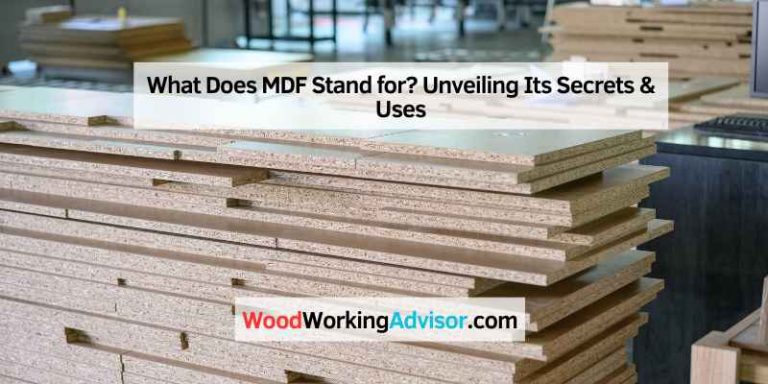
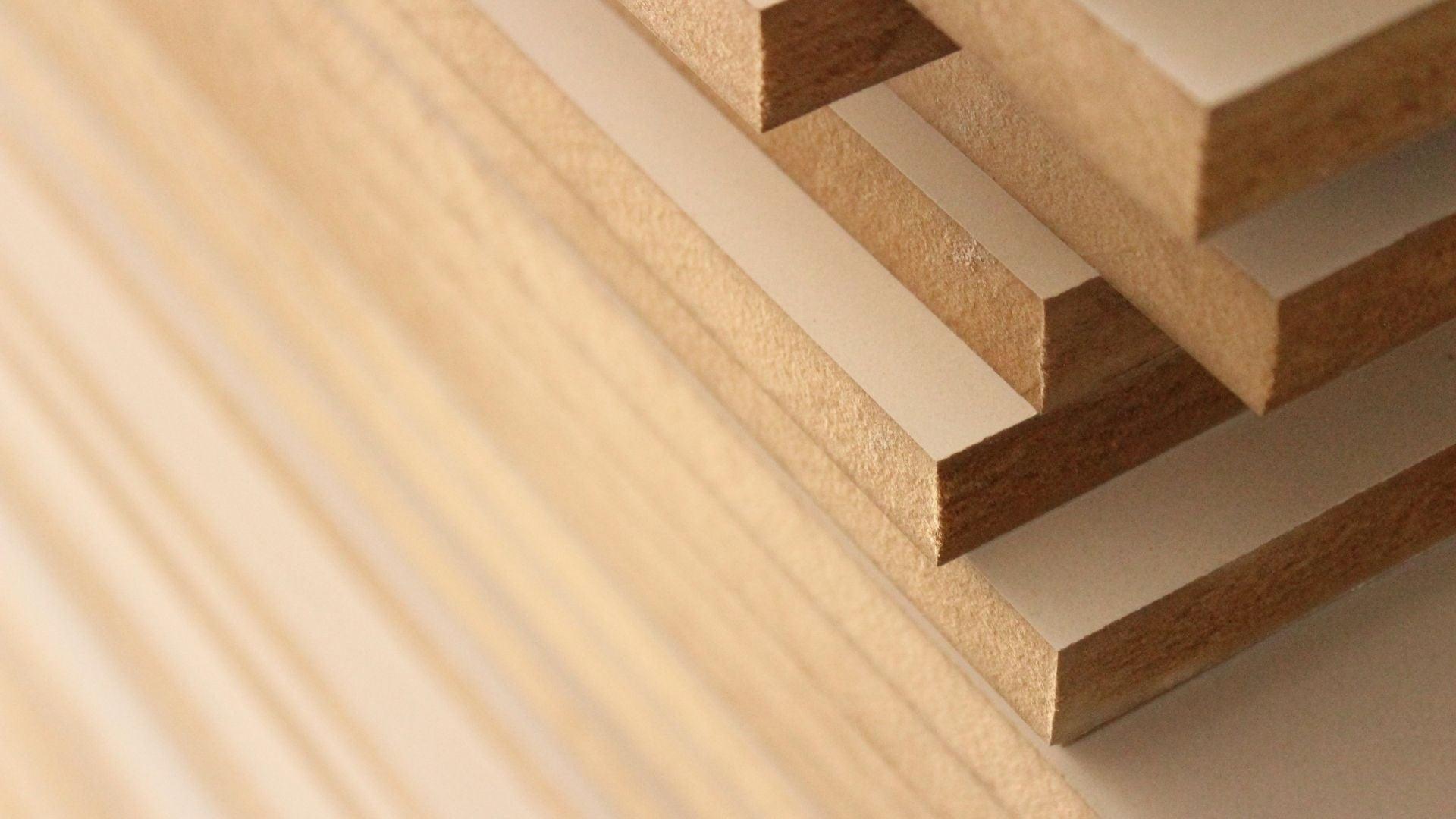
MDF stands for Medium-Density Fiberboard. It is made from wood fibers. These fibers are mixed with wax and resin. Then, they are pressed into sheets. The process gives MDF a smooth finish. It is denser than particleboard. MDF is often used for furniture and cabinets. The uniform structure makes it easy to cut. It also holds screws and glue well. This makes it a popular choice for builders.
MDF is not as strong as solid wood. It can break if handled roughly. It is less durable than plywood. But, MDF is more affordable. It is also easier to paint. MDF does not have knots or grain patterns. This makes the surface smooth. It is good for making shelves and doors. Keep it dry, as moisture can damage it. Regular care helps it last longer.
Factors Affecting Longevity
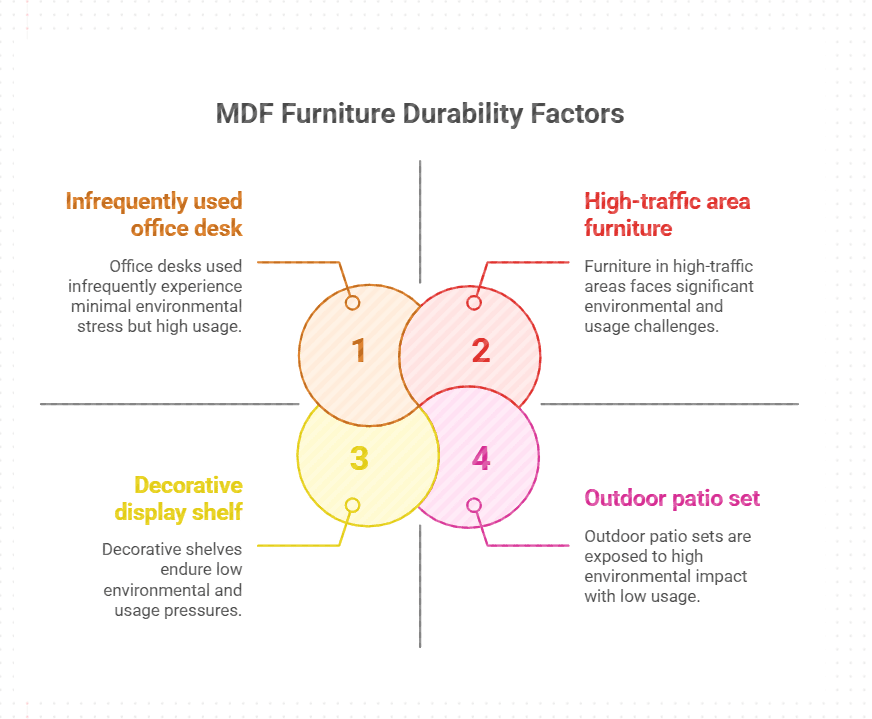
The lifespan of MDF furniture depends on several factors. Quality of materials, usage frequency, and maintenance play key roles. Proper care extends its durability, making MDF a practical choice for many households.
Environmental Conditions
MDF furniture lasts longer in stable conditions. Extreme heat can warp it. High humidity might cause swelling. Direct sunlight can fade colors. Cold temperatures may make it brittle. Keep it away from water. Water can damage it quickly. Proper ventilation is important. It helps prevent moisture buildup.
Usage Patterns
Frequent use can affect lifespan. Heavy items may stress the material. Gentle handling is recommended. Regular cleaning keeps it looking new. Avoid scratching the surface. Use protective mats under items. Rotate items to avoid indentations. Check for damages regularly. Fix minor issues early. Proper care extends its life.
Maintenance Tips
MDF furniture needs gentle cleaning. Use a soft cloth for dusting. Avoid using water directly on the surface. It can cause swelling. Mix a few drops of dish soap in warm water. Dip the cloth in the mixture, but keep it damp, not wet. Wipe the furniture softly. Dry with a clean towel. Prevent scratches by using coasters.
Keep MDF away from heat sources. Direct sunlight can fade the color. Use furniture pads under heavy items. This prevents dents or marks. Always lift furniture when moving, never drag. Dragging can damage the legs and surface. Regularly check for loose screws or joints. Tighten them to ensure stability. Apply edge banding to protect corners from chipping.
Credit: agosandco.com.au
Comparing Mdf To Other Materials
MDF, or Medium Density Fiberboard, is made from wood fibers. Solid wood comes directly from trees. MDF is cheaper than solid wood. It is smooth and easy to paint. Solid wood is strong and lasts long. It can get scratches but is easy to repair. MDF cannot handle water well. It may swell or break. Solid wood is better for outdoor use. MDF is great for indoor furniture. It is also good for shelves and cabinets.
Plywood is made by gluing layers of wood together. MDF is made from wood fibers. Plywood is strong and light. MDF is heavier than plywood. Plywood is more water-resistant. It is good for areas with moisture. MDF is cheaper than plywood. It is good for painted furniture. Both are popular for making furniture. Choose MDF for inside furniture. Use plywood for stronger pieces.
Signs Of Wear And Tear
MDF furniture shows aging through faded surfaces. Paint may peel or chip over time. Scratches and scuffs are common on tables and chairs. Water can cause swelling on MDF surfaces. Discoloration is another sign of wear. Look for bubbling in areas exposed to moisture. Loose joints indicate instability.
Weak spots often appear on older MDF pieces. Sagging shelves can’t hold heavy items. Cracks in panels suggest structural damage. Warping can occur from heat or humidity. Loose screws or nails may weaken the structure. Uneven legs cause wobbling. Splintered edges can be sharp and unsafe.

Credit: domestikgoddess.com
Extending The Lifespan
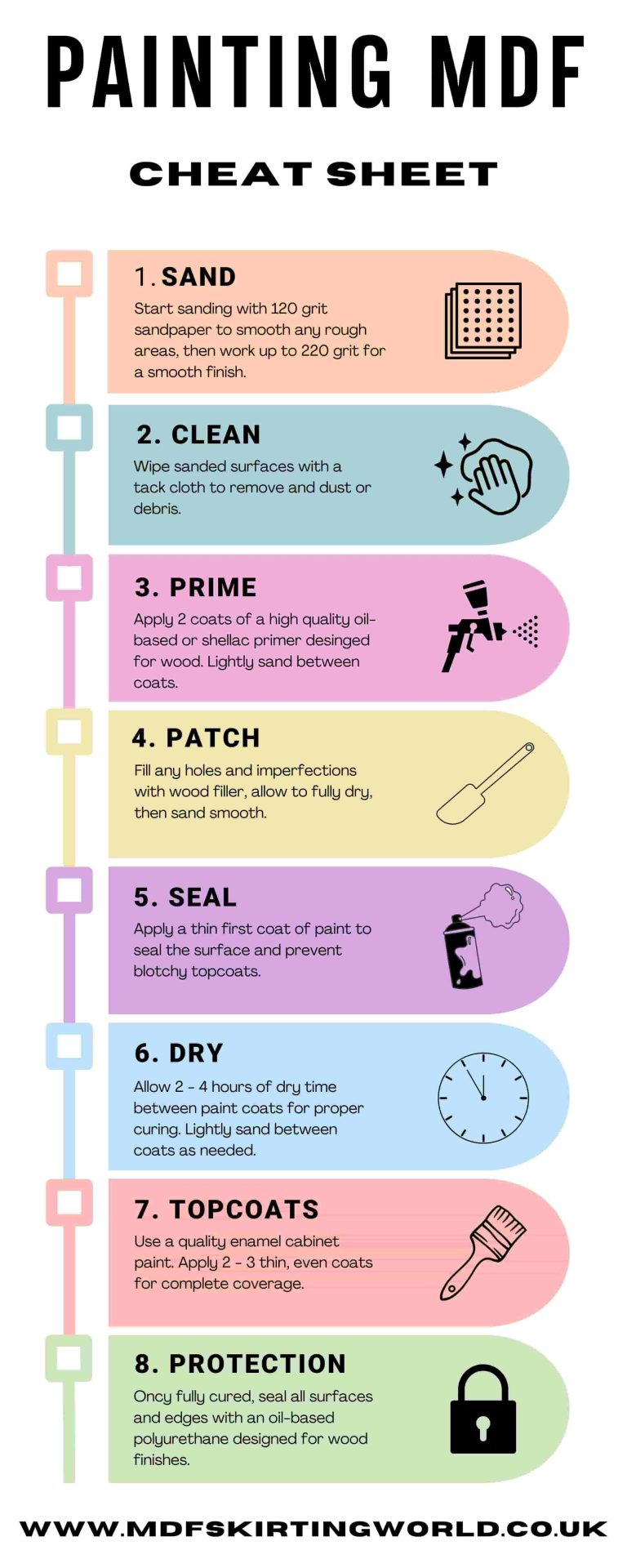
Protective coatings add a shield to MDF furniture. They keep water and dust away. This stops damage and keeps the furniture looking new. A simple coat of varnish or paint works well. It is like giving the furniture a raincoat. This helps in rooms with more moisture, like bathrooms or kitchens. You can also use oil or wax for a natural look. These coatings help the furniture last longer.
Proper strategic placement of MDF furniture is key. Avoid placing it in direct sunlight. Sunlight can cause the color to fade. Keep away from heat sources like radiators. Heat can make the wood swell or crack. Placing furniture on a level surface helps too. It prevents wobbling and stress on joints. This care will make your furniture last for years.
Consumer Experiences
Many people like MDF furniture for its affordable price. Users report their furniture lasting several years. Some say it stays nice for even longer with proper care. They love how it can look like real wood. It fits well in many homes.
Families with kids say MDF holds up well. They appreciate that it is easy to clean. Some users mention small scratches. But they find them easy to fix. Others think it is not as strong as solid wood. Still, they like the value it offers.
People notice swelling if water spills on MDF. Keeping it dry helps prevent this. Users also find that heavy items can cause dents. To avoid this, they suggest using coasters. Sometimes, edges might chip. Most think these problems are minor. They still enjoy their MDF pieces.
Credit: bewooded.co.uk
Frequently Asked Questions
What Is The Life Expectancy Of Mdf Furniture?
MDF furniture typically lasts 5 to 10 years with proper care. Its lifespan depends on usage and environmental factors. Regular maintenance, such as avoiding moisture and excessive weight, extends its durability. Quality of construction and finish also impact longevity. Investing in high-quality MDF can result in longer-lasting furniture.
Should I Avoid Mdf Furniture?
MDF furniture offers affordability and versatility. Consider its durability and potential off-gassing. Choose high-quality MDF to ensure longevity and safety. Proper care can enhance its lifespan. It’s a practical option for budget-conscious buyers.
Is Mdf Furniture Durable?
MDF furniture is durable for indoor use, offering strength and affordability. It’s resistant to warping and cracking. Proper care ensures longevity, but it’s less resistant to moisture compared to solid wood. Ideal for modern designs, MDF furniture suits various styles and budgets, making it a popular choice in homes.
What Are 3 Disadvantages Of Mdf?
MDF is less durable than solid wood, prone to water damage, and can emit formaldehyde.
Conclusion
MDF furniture can last many years with proper care. It’s affordable and versatile, making it a popular choice. Regular cleaning prevents wear and tear. Avoid moisture to keep it in good shape. Consider room conditions and usage when buying MDF furniture.
It suits those looking for budget-friendly options. Not as durable as solid wood, but good value. Ideal for kids’ rooms and temporary setups. With these tips, you can extend its lifespan. Choose wisely for your needs and enjoy your MDF furniture.