How Long Should a Pressure Treated Wood Deck Last: Insights
Imagine enjoying a sunny afternoon on your deck, sipping your favorite drink, and feeling the warm breeze. It’s a perfect picture, isn’t it?
But there’s a question that might nag at you: “How long will this pressure treated wood deck really last? ” You’ve invested time and money into creating this outdoor haven, so naturally, you want it to endure for as long as possible.
Understanding the lifespan of your deck can help you plan for maintenance, avoid costly surprises, and ensure that your outdoor space remains a source of joy. We’ll explore the factors that influence the durability of pressure treated wood decks, helping you maximize your investment. Keep reading to discover how you can extend the life of your deck and keep those sunny afternoons blissful.
Factors Affecting Deck Longevity
Quality wood lasts longer. High-grade wood has fewer knots. Fewer knots mean fewer weak spots. Strong wood resists damage better. Choose pressure-treated wood for a longer-lasting deck.
Climate affects deck life. Hot sun can dry wood. Rain can make wood rot. Snow adds weight and moisture. Wood expands and contracts with temperature changes. Protect wood from harsh weather.
Regular care makes a deck last. Clean dirt and leaves often. Apply sealant to protect the wood. Check for loose nails or screws. Fix small problems quickly. Good care stops big damage.
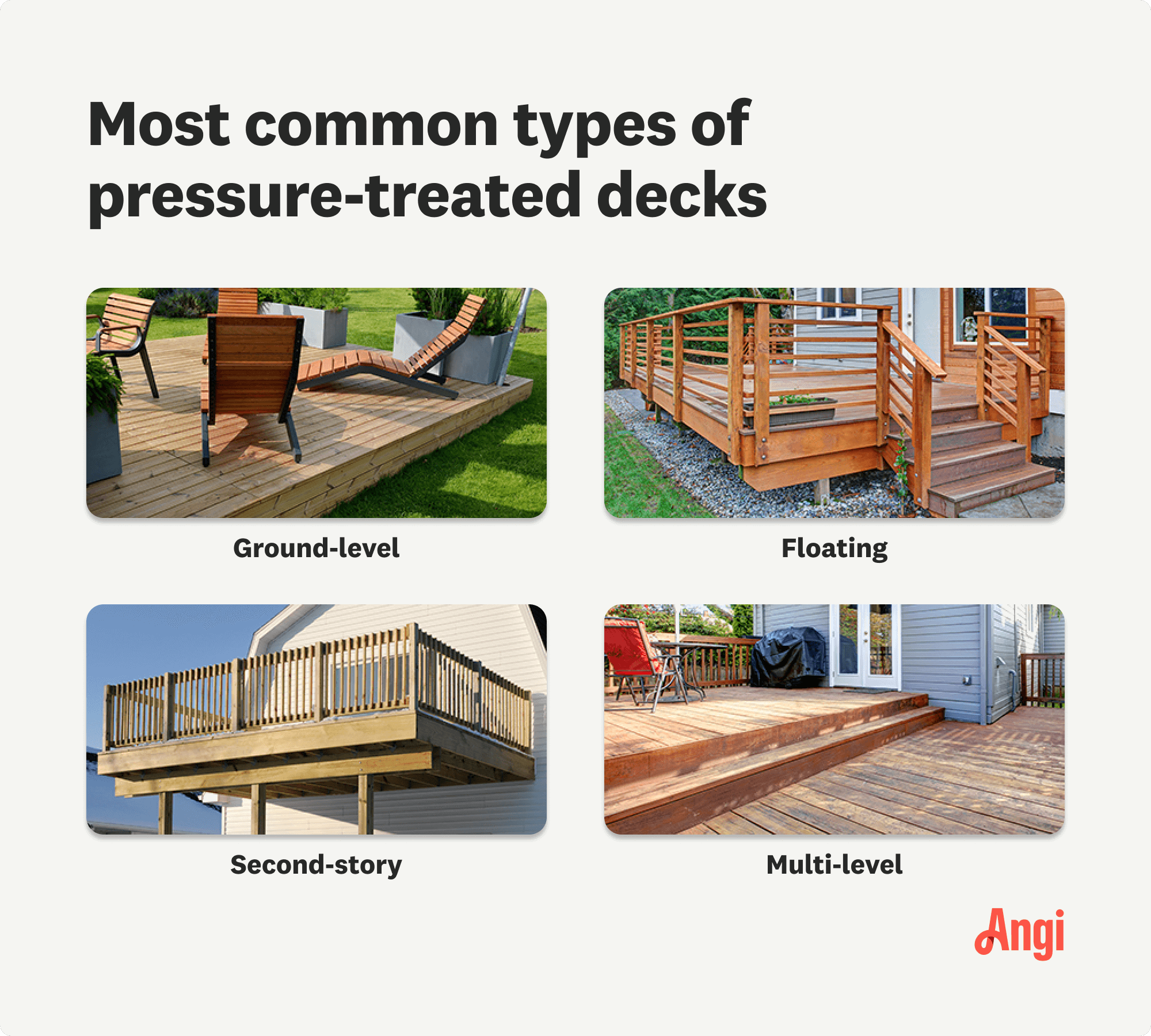
Credit: www.angi.com
Types Of Pressure Treated Wood
Pressure treated wood lasts longer. Chemicals protect it from bugs and rot. These chemicals get into the wood. This keeps the wood strong. Some woods are treated with CCA, others with ACQ. Each has its own benefits.
CCA has been used for many years. It is less common now. ACQ is newer. It is safer for the environment. Both treatments help the wood last longer. This means less fixing and replacing.
| Treatment Type | Expected Lifespan |
|---|---|
| CCA | 20 years or more |
| ACQ | 15-20 years |
CCA treated wood can last over 20 years. ACQ treated wood lasts about 15 to 20 years. Weather and care change how long the wood lasts. Regular checking helps keep the deck strong.
Signs Of Deck Aging
Pressure-treated wood decks can last 15 to 20 years. Signs of aging include faded color, cracks, or loose boards. Regular maintenance helps prolong their lifespan.
Visual Indicators
Wood decks change as they age. Color fadingis common. The wood turns gray. This shows the deck is old. Cracks are another sign. These can be small or big. They show wear and tear. Warping is also a problem. Boards might twist or lift. This makes the deck uneven. Mold and mildewcan grow. They appear as dark spots. These spots are unhealthy. They make the deck slippery.
Structural Concerns
Structural problems need attention. Loose nails can appear. They make the deck unsafe. Rotting woodis dangerous. It happens when wood stays wet. This weakens the deck. Boards might feel soft. This means they are weak. Sagging areasare risky. They show the deck might collapse. Check the supports. They should be strong. Weak supports can cause accidents.
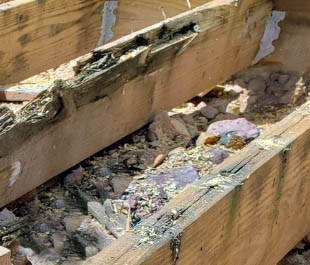
Credit: buildingadvisor.com
Extending Deck Lifespan
Keep your deck clean to make it last longer. Remove leaves and dirt often. Use a soft brush and mild soap. This keeps the wood looking good and strong.
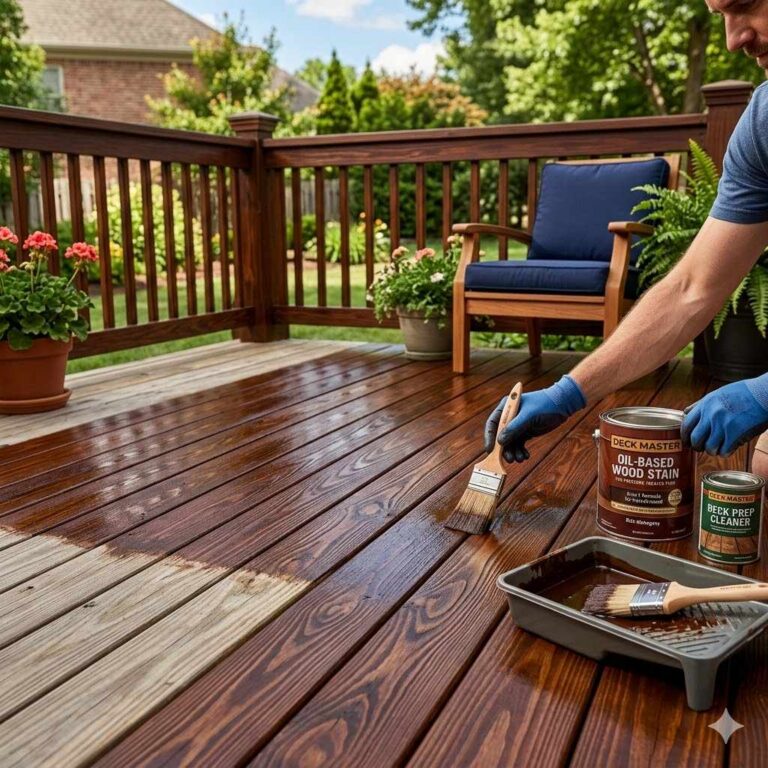
Apply a protective coating to the wood. This helps keep water out. Water can make wood weak. Use coatings that protect from sun and rain. Reapply them every year.
Check your deck for damage. Fix any broken or cracked wood. Replace boards that are too damaged. This keeps the deck safe and strong.
Economic Considerations
Pressure treated wood decks typically last 15 to 20 years. Cost-effective maintenance can extend their lifespan. Regular sealing protects against moisture, preserving wood quality longer.
Cost Of Replacement Vs. Maintenance
Replacing a deck can be very costly. Regular maintenance is often cheaper. A well-kept deck lasts longer. This saves you money in the long run. Simple tasks like sealing and cleaning help. These tasks are easy to do. They also protect the deck from damage.
Neglecting maintenance may lead to early replacement. This costs more than regular upkeep. Think about the long-term benefits. Maintaining your deck can save a lot of money.
Long-term Investment Value
A pressure-treated wood deck is a good investment. It adds value to your home. A strong deck makes a home look better. It also provides a space for fun. Family and friends can gather there. Proper care keeps the deck in good shape. This ensures it stays valuable for many years.
Think of your deck as more than wood. It’s a part of your home’s worth. Regular care keeps it looking new. This keeps the investment strong over time.
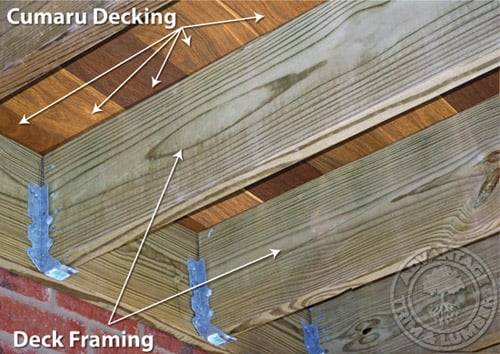
Credit: blog.advantagelumber.com
Frequently Asked Questions
What Is The Life Expectancy Of A Pressure-treated Wood Deck?
A pressure-treated wood deck typically lasts 15 to 20 years. Regular maintenance can extend its lifespan. Factors like climate, usage, and maintenance affect longevity. Inspect and clean your deck annually to ensure durability. Proper sealing and staining enhance its lifespan and appearance.
When Should I Replace My Pressure Treated Deck?
Replace your pressure treated deck when it shows signs of severe damage, rot, or structural instability. Regularly inspect for loose boards, splinters, or decay. Typically, decks last 10-15 years depending on maintenance and weather conditions. Regular maintenance can extend its lifespan, but significant damage indicates it’s time for replacement.
How Much To Replace A 20×20 Deck?
Replacing a 20×20 deck typically costs $8,000 to $15,000. Prices vary based on materials and labor. Wood tends to be cheaper, while composite materials cost more. Always get multiple quotes from contractors to find the best deal for your budget and needs.
What Should Never Be Done With Pressure-treated Wood?
Never burn pressure-treated wood due to toxic chemicals. Avoid using it for food preparation surfaces. Don’t compost or mulch it. Refrain from using it indoors without proper sealing. Avoid inhaling sawdust while cutting or sanding it.
Conclusion
A pressure treated wood deck can last many years. Proper care is key. Regular maintenance like sealing and cleaning helps. It protects from harsh weather and decay. Choose quality materials for a longer lifespan. Inspect your deck yearly for damage.
Repair promptly to avoid bigger issues. A little effort can extend the deck’s life. Enjoy your outdoor space for years to come. With care, your deck remains safe and beautiful.