Composite Decking Reviews: Real Owner Complaints & Cost
Composite decking resists rot and never needs staining — but real owner reviews consistently flag two issues: it can get uncomfortably hot in direct sun, and manufacturers sometimes dispute warranty claims over installation details. This roundup covers what verified reviews on sites like ConsumerAffairs actually say about Trex, TimberTech, and Fiberon, current 2026 pricing by tier, and how to install it so a warranty claim doesn’t get denied.
What Owners Actually Say About Composite Decking
Best Composite Deck Cleaner Pick
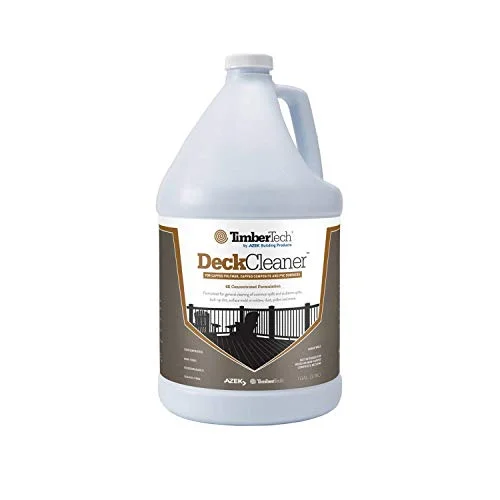 |
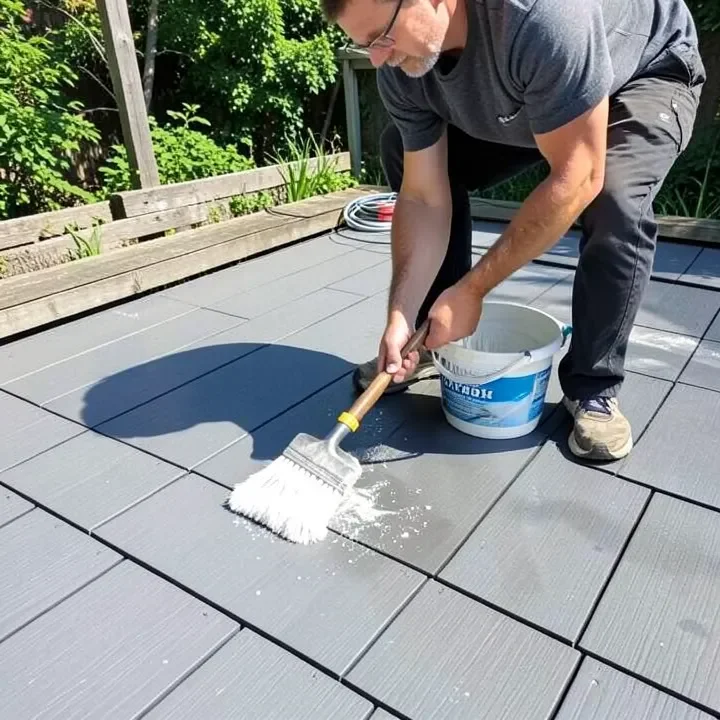
TimberTech Composite DeckCleaner (1 Gal.) – $38.99 The most common complaint in real owner reviews below isn’t the decking itself failing — it’s mildew and dark staining building up between cleanings. This is the manufacturer-formulated cleaner made specifically for capped composite boards, not a generic wood deck wash.
|
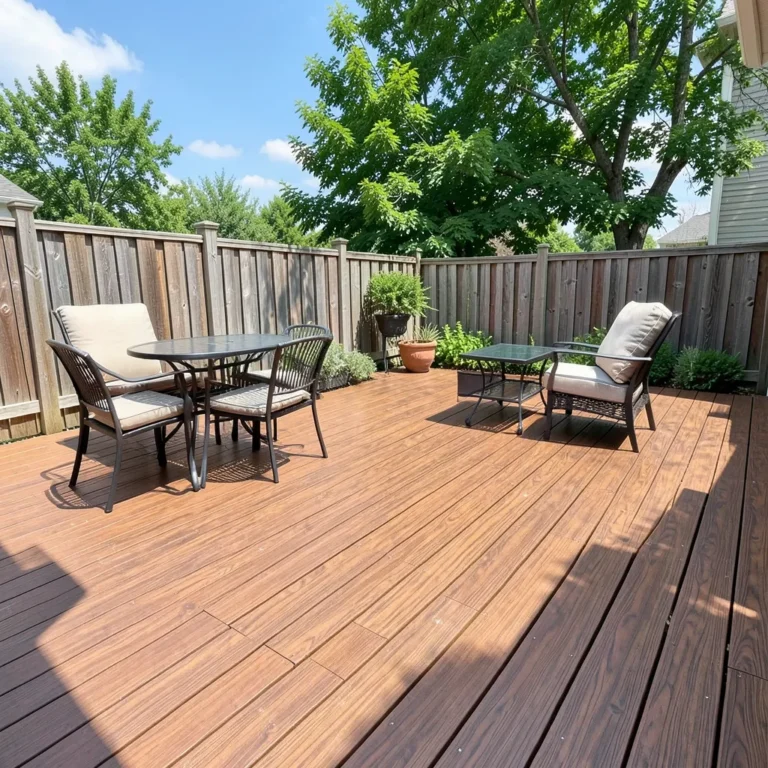
Across verified reviews on sites like ConsumerAffairs and manufacturer comparison guides, the same patterns show up repeatedly. On the positive side: owners report genuinely low upkeep (no annual staining or sealing), consistent color and finish across boards, and better splinter/rot resistance than wood over the long term. On the negative side: some owners report normal leaf litter permanently staining boards, warping complaints where the manufacturer attributed the cause to installation rather than the product, and boards getting hot enough in direct sun to be uncomfortable barefoot — particularly with darker colors.
Top Composite Decking Brands Compared
Trex is the most widely reviewed brand, backed by a 25-year limited warranty on most lines, and keeps a large majority of customers satisfied on longevity and low upkeep according to ConsumerAffairs data — though it also draws the most complaint volume simply because it sells the most volume. TimberTech‘s wood-grain embossing is frequently rated more realistic-looking than Trex’s, and its Advanced PVC (AZEK) lines are marketed as staying meaningfully cooler underfoot in direct sun than standard capped composite. Fiberon positions itself as the budget-friendly alternative with respectable wet-traction performance, making it a common pick for pool decks and areas that see a lot of moisture.
| Brand | Known For | Typical Warranty |
|---|---|---|
| Trex | Widest color/style range, most-reviewed brand | 25 years (varies by line) |
| TimberTech | Realistic wood-grain look, cooler-underfoot PVC lines | Up to 30 years (varies by line) |
| Fiberon | Budget-friendly, strong wet traction | 25 years (varies by line) |
For a full spec-by-spec breakdown of material types and which is genuinely the best fit for your project, see our composite decking material guide; this page focuses specifically on what verified owner reviews report after living with each brand.
Composite vs. Wood Decking
Composite costs more upfront than pressure-treated wood, but wood needs re-staining or sealing every 1-3 years, and those costs add up over a deck’s lifespan. Composite doesn’t rot or splinter and cleans with soap and water; wood can rot, splinter, and fade without regular upkeep. Composite also typically contains recycled content, though solid wood is itself a renewable resource when responsibly sourced — the more relevant environmental question is usually total lifespan and replacement frequency rather than raw material alone.
How Much Does Composite Decking Cost in 2026?
Composite decking installed typically runs $35 to $70+ per square foot depending on tier and brand — entry-level capped composite (Trex Enhance, TimberTech Pro base tier, Fiberon Good Life) runs about $35-$45/sq ft installed, mid-tier composite around $45-$55/sq ft, and premium or cellular PVC lines (Trex Transcend/Signature, TimberTech AZEK) run $55-$70+/sq ft. For a full breakdown by board length and brand, see our Trex decking price guide or our general decking installation cost guide.
Installation Tips That Protect Your Warranty
A recurring theme in owner complaints is a manufacturer denying a warranty claim by attributing warping or gapping to an installation error rather than a product defect. Following the manufacturer’s installation guide precisely is what actually protects a warranty claim later:
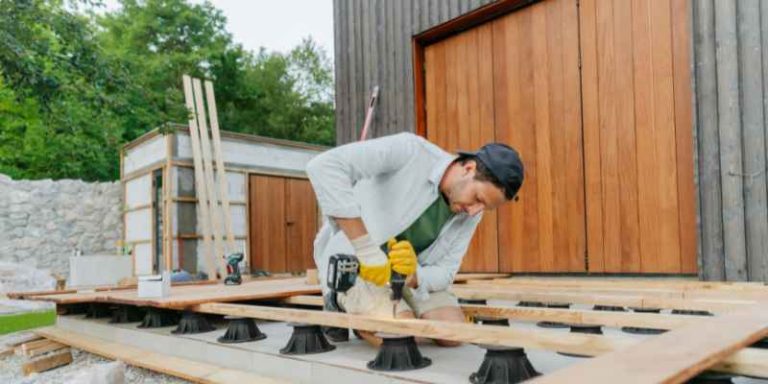
- Prepare the site: Start with level, well-draining ground, and check local building codes for ledger and joist spacing requirements before ordering material.
- Plan board spacing: Leave the manufacturer-specified gap between boards (typically 3/16″-1/4″) for drainage and thermal expansion — composite expands and contracts more than wood with temperature swings.
- Use hidden or brand-matched fasteners: Most composite lines have a matching hidden-fastener clip system; using the wrong screw type can void the warranty on some brands.
- Stagger board seams: Stagger end joints between rows rather than lining them up, which improves both appearance and structural strength.
- Follow the manufacturer’s install guide exactly: Composite warranty claims are frequently denied over installation details (fastener spacing, gap width, ventilation underneath) — the printed install guide is what a warranty claim gets checked against.
📊 Professional composite deck installation labor alone typically runs $15-$40 per square foot on top of material costs, and total project costs commonly range from $15,000 to $65,000+ depending on deck size and board tier. Source: Ergeon, Composite Deck Cost Guide 2026
Editor’s note on Block 6 (expert/first-person quote): we have not personally installed or lived with a composite deck from these specific brands, so we’re not presenting a first-hand testing claim here. The review patterns above are drawn from published, verifiable owner reviews and manufacturer comparison sources, cited directly.
Frequently Asked Questions
What is composite decking made of?
Composite decking is made from a blend of wood fibers and recycled plastic, usually with a protective polymer “cap” layer bonded over the core. This combination resists rot, insects, and warping, and most modern capped boards include UV inhibitors to slow fading.
How long does composite decking actually last?
Most manufacturers back capped composite decking with 25 to 30-year limited warranties, and boards can last several decades with basic cleaning. Real-world owner complaints, however, show warranty claims for warping or staining are sometimes disputed by manufacturers over installation details, so keeping installation records and receipts matters.
Is composite decking worth the higher upfront cost?
For most homeowners planning to stay 10+ years, yes — composite decking costs more upfront ($35-$70+ per square foot installed versus wood) but needs no staining or sealing, which saves real money and weekend time over the life of the deck.
Does composite decking get hot in the sun?
Yes, especially darker colors and PVC-based boards in direct sun. Lighter colors and boards with heat-mitigating technology (several TimberTech AZEK lines specifically market staying cooler to the touch) reduce this, and shade structures or outdoor rugs help in high-sun areas.
Is composite decking actually low-maintenance or maintenance-free?
Low-maintenance, not maintenance-free. It doesn’t need staining, sealing, or sanding, but it does need periodic washing with a composite-safe cleaner to prevent mildew and surface grime buildup, especially in shaded or humid areas.
Conclusion
Composite decking genuinely delivers on low maintenance and long-term durability, and verified owner reviews back that up — but it isn’t complaint-free. Heat retention, occasional staining, and installation-dependent warranty disputes are real, documented issues across every major brand. Choosing a reputable brand, budgeting for real 2026 installed pricing, and following the installation guide exactly are what separate a deck that lives up to its 25-30 year warranty from one that generates a support ticket.
Sponsored / affiliate links. As an Amazon Associate I earn from qualifying purchases. I may earn additional commission from eligible campaigns.
 SuperStructuring Plugs for Decking - 1/4" Trex Composite Decking Wood Plugs, Weather-Resistant, UV Protection, Hole Covers for Outdoor Home Improvement & Repair - Enhance Naturals Foggy Wharf, 100-PcSuperStructuring Plugs for Decking - 1/4" Trex Composite Decking Wood Plugs, Weather-Resistant, UV Protection, Hole Covers for Outdoor Home Improvement & Repair - Transcend Tiki Torch, 100-Pc