Lowe’s Pressure Treated Lumber: Sizes & Ratings (2026)
The rating on a pressure treated board’s end tag matters more than its price: deck boards and rails need UC3B, while posts, ledgers and anything touching soil need UC4A or higher. This guide maps each common size to the rating it needs, corrects the retention numbers most guides mix up, and shows how to price-check a board at Lowe’s yourself.
Lowe’s Pressure Treated Lumber Prices (2026)
I could not read live prices from lowes.com for this update (the site blocked automated access), so this page does not list dollar figures it cannot back up. Prices are per piece, change by store and by week, and the shelf tag or your store’s product page is the only number that counts.
| Best Fastener Pick for Treated Lumber | |
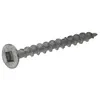 |
Hillman 71033 Galvanized Deck Screws, #8 x 3 Inch, 100 Pack – $11.65 Copper-treated wood corrodes ordinary steel, so the fasteners you pair with these boards matter as much as the boards. These screws are sold for use in treated lumber.
Price from Amazon on 2026-10-01 and may change. As an Amazon Associate we earn from qualifying purchases. |
To compare boards fairly, divide the tag price by the board length in feet. A 16 ft board and an 8 ft board at different tag prices can then be compared per foot. Two things beat chasing the lowest per-foot price: buying the correct use category the first time, and not paying twice to replace a board that was rated too low.
| Part of the project | Typical sizes | Minimum use category |
|---|---|---|
| Decking boards and railings | 5/4×6, 2×6 | UC3B |
| Fence pickets and rails | 1×6, 2×4 | UC3A or UC3B |
| Joists and beams, easy to replace | 2×6 to 2×12 | UC3B |
| Joists and beams, hard to replace or near soil | 2×8 to 2×12 | UC4A |
| Ledger board | 2×10, 2×12 | UC4A |
| Structural deck posts and fence posts | 4×4, 6×6 | UC4A |
| Raised garden box and landscape wall | 2×8, 2×10, 4×4 | UC4A |
| Permanent wood foundation | Lumber and plywood | UC4B |
Use categories come from the AWPA system as summarized by the Western Wood Preservers Institute (source linked below). For store-by-store numbers, see our 2x6x16 treated deck board price comparison and the Menards pressure treated lumber guide.
Types of Pressure Treated Lumber at Lowe’s
What the Use Categories Mean
| Use category | Exposure | Typical applications |
|---|---|---|
| UC3B | Above ground, uncoated or poor water runoff | Decking, railings, deck joists and beams, fence pickets |
| UC4A | Ground contact or fresh water, general use | Fence, deck and guardrail posts, ledgers, garden boxes |
| UC4B | Ground contact, heavy duty | Permanent wood foundations; high decay potential including salt water splash |
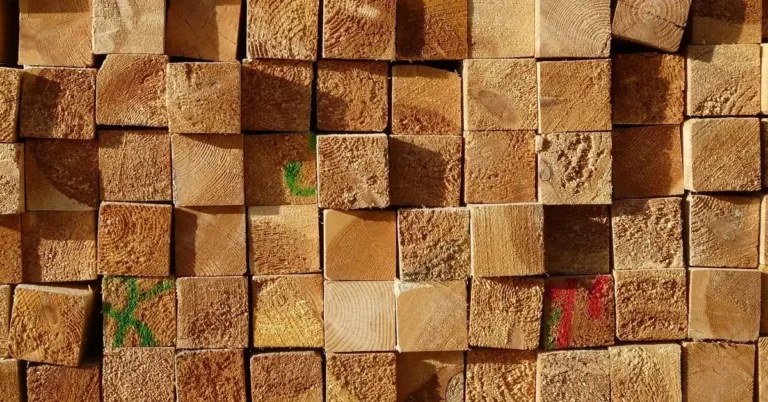
A board’s end tag shows the company, the preservative, the retention, the exposure and a line such as AWPA U1 with the use category. Match the category on the tag to the job before you load the cart.
The Retention Number Is Not Universal
Many guides quote 0.40 as the ground contact retention, but that figure belongs to ACQ only. Copper azole (CA-C) reaches the same use category at a much lower retention, so comparing numbers across different preservatives will mislead you. Compare the use category first, then check the preservative name against what your fasteners can handle.
| Use category | ACQ retention (pcf) | Copper azole CA-C retention (pcf) |
|---|---|---|
| UC3B above ground | 0.15 | 0.06 |
| UC4A ground contact | 0.40 | 0.15 |
| UC4B heavy duty (permanent wood foundation) | 0.60 | 0.31 |
Same ground contact rating, different numbers: ACQ needs 0.40 pcf and copper azole needs 0.15 pcf for UC4A. Source: AWPA 2020 Book of Standards, Table 3-1, via Western Wood Preservers Institute
Joists and Beams Near the Ground Need UC4A
The standard that sets these categories says sawn joists and beams that are difficult to replace and critical to the structure should be treated to the UC4A ground contact requirement, even though they sit above the soil. The same applies where soil, leaf litter or other debris is likely to build up against the wood. A low deck is the common case: choose UC4A for the frame and save UC3B for the decking.
Some Treated Boards Are Above-Ground Only
Not every treated board can go in the ground. The Western Wood Preservers Institute lists EL2 products, including the brands Ecolife and Severe Weather MAX, as above ground only, and the same applies to PTI products. Read the tag on every board you buy, and see our guide on Severe Weather wood vs pressure treated for the brand name.
Fasteners and Drying: What to Know Before You Build
Copper-based treatments corrode ordinary fasteners. A treated-wood manufacturer advises hot-dipped galvanized or stainless-steel fasteners, and specifically galvanized hardware marked G-185 rather than electro-galvanized, G-90 or G-60, which were made for older CCA wood (treatedwood.com). KDAT (kiln-dried after treatment) costs more but tends to reduce warping, while most treated lumber is air-dried.
Pressure Treated Plywood at Lowe’s
Treated plywood follows the same use categories as lumber. According to the AWPA table, exterior plywood above ground needs UC3B, ground contact plywood needs UC4A, and a permanent wood foundation needs UC4B. Plywood used only as a damp, above-ground subfloor falls under the lower UC2 category. Our guides on 4x8x3/4 treated plywood and Lowe’s 3/4 plywood subfloor cover thickness and grade.
Pressure Treated Lumber by Project
Building a Deck
- Ledger board: UC4A (2×10 or 2×12)
- Posts: UC4A (4×4 or 6×6)
- Joists and beams: UC3B above ground, UC4A if hard to replace or close to soil
- Decking and railing: UC3B
- Stairs: UC3B or UC4A depending on exposure
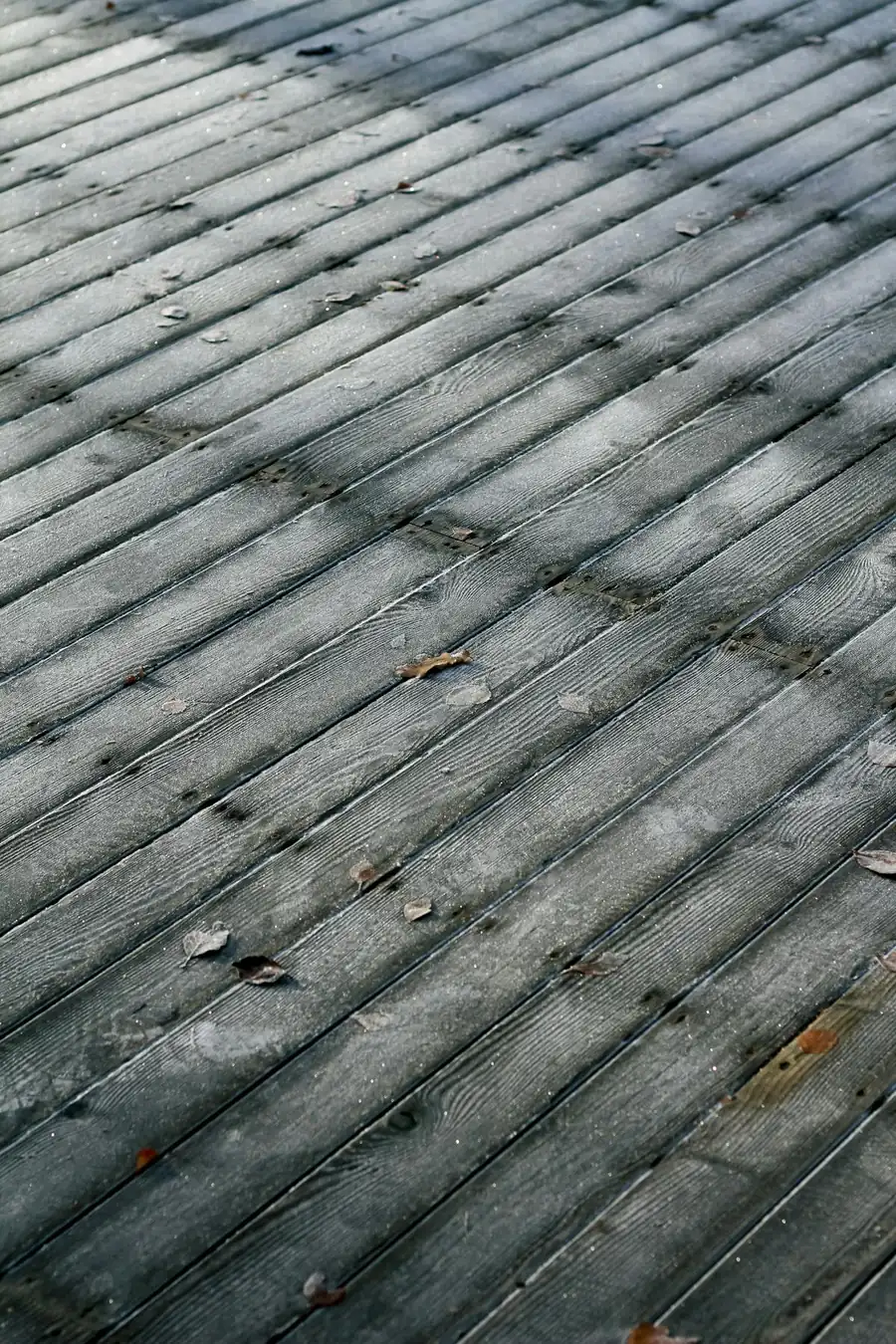
Deck framing also depends on local code and on how the ledger attaches to the house. Our wood deck installation cost guide covers budget, and the treated wood for ground contact guide explains UC4A vs UC4B in more depth.
Building a Fence
- Posts: UC4A, the category listed for sawn fence posts
- Rails: UC3A or UC3B
- Pickets: UC3A or UC3B (cedar is a common alternative if you prefer an untreated face board)
Wet soil is where posts fail first, so see how to keep wood posts from rotting in the ground and our ground contact pressure treated wood guide.
Raised Garden Beds
A garden box is a ground contact use, so the AWPA table lists UC4A. The AWPA says the preservatives in treated wood sold to consumers are registered by the EPA for general use. One manufacturer, in its own FAQ, says its copper azole ground contact lumber can be used around edible plants and is sold in 2×8 and wider (treatedwood.com). If you want zero doubt, line the bed or build with untreated rot-resistant wood. Do not reuse old CCA-treated wood: the EPA notes manufacturers stopped making it for homeowner uses in December 2003, and it should not be reused as mulch (EPA).
What to Look for When Buying PT Lumber at Lowe’s
- Read the end tag: confirm the use category, the preservative and an AWPA U1 line before anything else.
- Sight down each board: treated lumber is usually air-dried and can twist, so reject crooked pieces in the pile.
- Avoid deep splits: surface checking is common, but splits that reach deep into the board are not.
- Pick KDAT if you plan to stain soon: it costs more and tends to warp less.
- Buy matching fasteners at the same time: copper-treated wood eats unrated screws.
If you are choosing between brands, our YellaWood vs pressure treated comparison is a good next read.
Can You Stain Pressure Treated Lumber from Lowe’s?
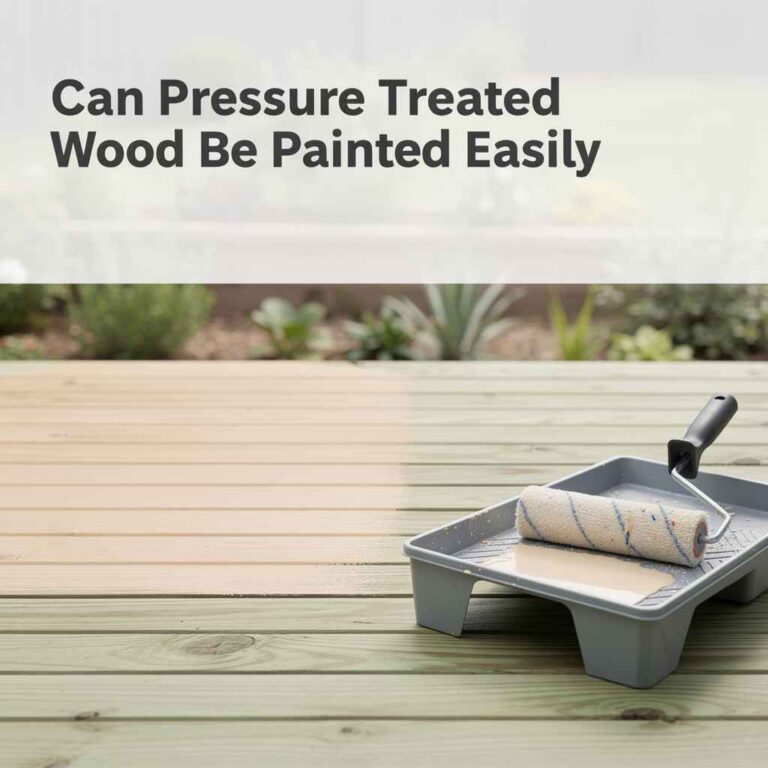
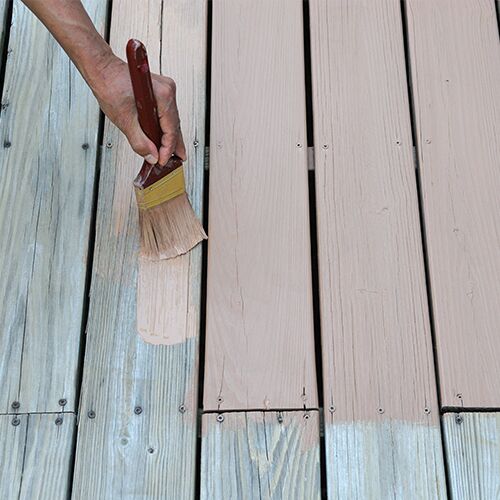
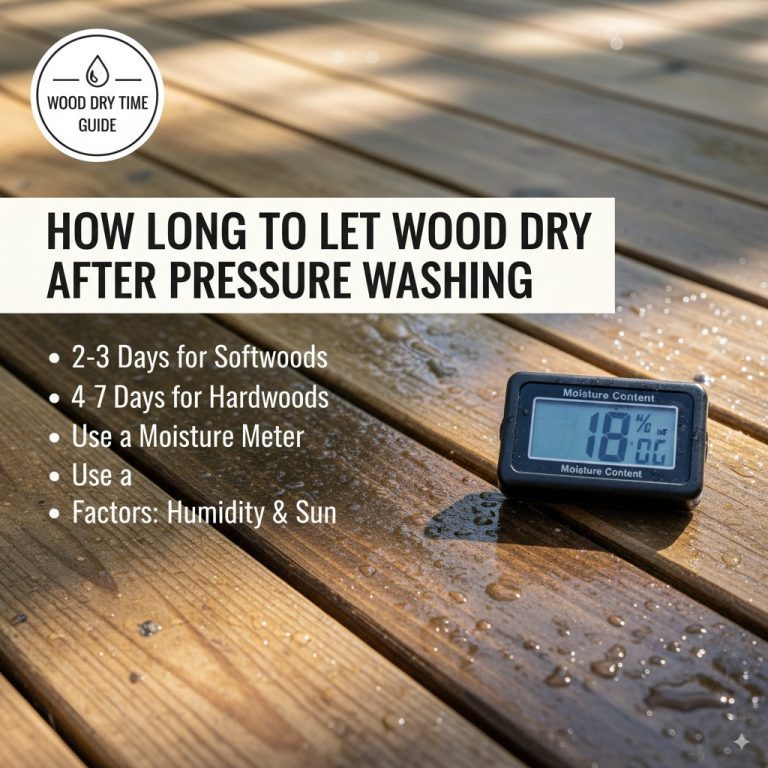
Yes, but let it dry first. The manufacturer guidance says treated wood is typically ready to finish about 60 days after installation. Sprinkle water on the surface: if it soaks in, you can stain, and if it beads, wait longer. Our deck stain and sealer guide explains which products to use afterward.
Safety When Cutting and Disposing of Treated Wood
Wear gloves when handling treated wood, and always wear eye protection and a dust mask when cutting, sawing or sanding, as the treatedwood.com guidance advises. Never burn treated scraps, because the preservative components concentrate in smoke and ash; see why in our guide on burning pressure treated wood. For a short primer on the chemistry, see what pressure treated wood is.
Frequently Asked Questions
How do I find the price of pressure treated lumber at Lowe’s?
Check the shelf tag in your store or the product page for your store. Prices are per piece, so divide by the board length in feet to compare per-foot cost between an 8 ft and a 16 ft board.
What use category do I need for fence and deck posts?
Sawn fence posts, deck posts, guardrail posts and ledger boards are listed as UC4A ground contact in the AWPA table. Above-ground UC3B lumber is meant for decking, railings and similar parts that can dry out.
Can I use above-ground rated lumber for deck joists or a ledger?
Joists and beams that are easy to replace can be UC3B. Ledgers are listed as UC4A, and joists and beams that are hard to replace or exposed to soil and debris should be treated to UC4A.
Is pressure treated lumber safe for vegetable gardens?
Garden boxes are a UC4A use. The AWPA says consumer wood preservatives are registered by the EPA for general use, and one manufacturer says its copper azole ground contact lumber can be used around edible plants. Never use old CCA-treated wood.
What fasteners should I use with pressure treated lumber?
Use hot-dipped galvanized fasteners marked G-185 or stainless steel. Avoid electro-galvanized, G-90 and G-60 hardware, which was designed for older CCA wood.
How long before I can stain pressure treated lumber?
Treated wood is typically ready to finish about 60 days after installation. Test with water: if it absorbs, you can stain.
Can I burn leftover pressure treated scraps?
No. The preservative components concentrate in smoke and ash, so dispose of treated scraps rather than burning them.
Sponsored / affiliate links. As an Amazon Associate I earn from qualifying purchases. I may earn additional commission from eligible campaigns.