How Long Should Treated Lumber Dry before Staining: Expert Tips
Are you planning to give your outdoor space a fresh look with a new coat of stain? If you’re working with treated lumber, timing is everything.
You might be eager to start, but the success of your project hinges on one crucial factor: drying time. Rushing this process can lead to unsightly results and costly mistakes. So, how long should treated lumber dry before staining? Understanding this can save you time, money, and frustration.
Dive in as we uncover the secrets to achieving a flawless finish that lasts. Your perfect outdoor space is just a read away!
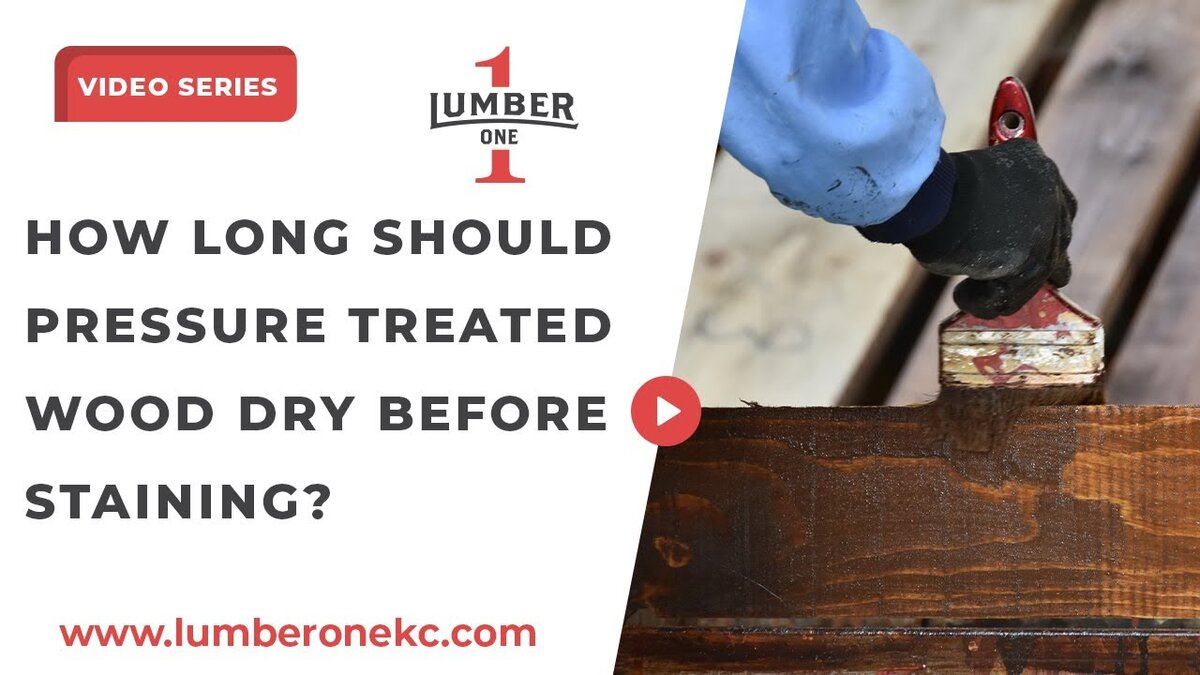
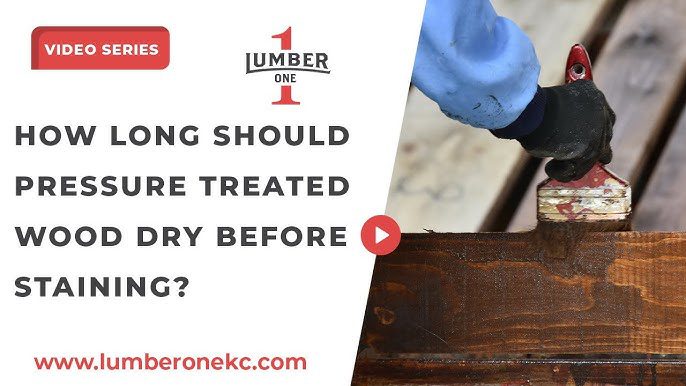
Credit: lumberonekc.com
Importance Of Drying Treated Lumber
Treated lumber needs time to dry before staining. Wet wood won’t absorb stain well. This can lead to uneven color. Drying helps the wood absorb the stain properly. This also protects the wood from damage. Proper drying can take several weeks. Weather affects drying time. Sunshine and warm temperatures help it dry faster. It may take longer in cold or wet areas.
Use a moisture meter to check if the wood is ready. The meter should show less than 15% moisture. Then the wood is dry. Once dry, you can stain and protect your wood. This keeps your wood looking good for longer.
Factors Affecting Drying Time
Different types of treated lumber dry at different speeds. Pressure-treated lumber often takes longer to dry. Kiln-dried lumber dries faster. Choice of lumber affects the drying time. Softwoods like pine dry quicker. Hardwoods may take longer. Always check the lumber type before starting.
Weather impacts drying time. Dry and sunny days help lumber dry faster. Rainy or humid weather slows down the process. Wind can also help in drying. Indoor storage might delay drying. Always consider weather conditions.
Thicker lumber needs more time to dry. Thin boards dry quickly. A 2×4 may dry faster than a 4×4. Always measure thickness before planning. Thicker pieces need more patience. Monitor the drying process regularly.
Methods To Test Lumber Dryness
A moisture meteris a tool that checks wood dryness. It measures the water inside the wood. A readingbelow 15% means the wood is dry. This tool is easy to use. Just press the meter on the wood. The screen shows the moisture level. This helps in knowing if the lumber is ready for staining.
The water drop testis simple and quick. Place a drop of water on the wood surface. Watch how fast it absorbs. If the drop sits for minutes, the wood is not dry. If the water soaks quickly, the wood is dry. This test is easy and needs no special tools. It is a handy way to check wood dryness at home.
Ideal Drying Period Recommendations
Treated lumber needs time to dry. On average, it takes about two to three monthsfor it to dry. This helps the wood to be ready for staining. If the wood is not dry, stains won’t work well. The water needs to leave the wood first. A dry day is the best time to check. Touch the wood. If it feels cool or damp, wait longer. Staining too soon can cause problems. Stains may not stick well.
Seasons change drying times. In summer, wood dries faster. The sun helps a lot. But in winter, it takes longer. Cold and wet weather slow the process. Check the weather before starting. Always choose a warm day. Avoid rainy days. The wood needs to be dry for the best results.
Tips For Accelerating The Drying Process
Store lumber in a dry place. Keep it away from rain and moisture. Lay it on a flat surface. Use wooden blocks to raise it off the ground. This prevents moisture from the soil. Cover the lumber with a tarp. This keeps it dry but allows air flow. Avoid using plastic covers. They trap moisture.
Space the lumber pieces apart. This lets air move freely. Place fans around the area to boost airflow. Keep the area ventilated. Open windows or doors if possible. Turn the wood occasionally. This helps all sides dry evenly. Good air circulation speeds up drying. It’s important for a quick drying process.

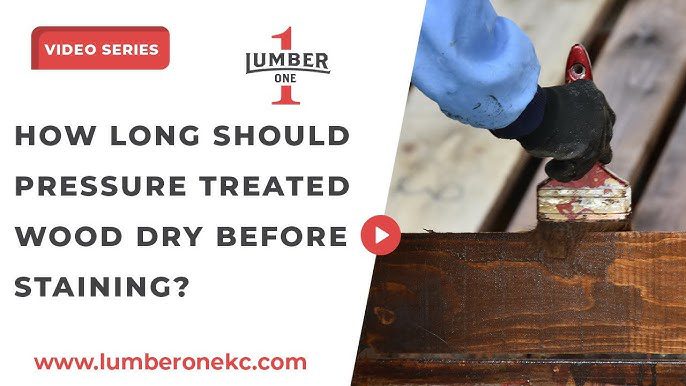
Credit: lumberonekc.com
Common Mistakes To Avoid
Let treated lumber dry for at least six months before staining. Staining too soon can cause uneven color. Ensure wood is dry to touch to avoid peeling and poor finish.
Ignoring Weather Forecasts
Staining treated lumber needs dry weather. Rain or snow can ruin the wood. Plan the staining on sunny days. Check the weather every day. Some days may look sunny but can change. Weather forecasts help to choose the best day. Staining on a wet day wastes time and effort.
Neglecting Moisture Checks
Always check the wood’s moisture before staining. Wet lumber will not take the stain well. Use a moisture meter to check dryness. Lumber should be below 15% moisture. This ensures the stain sticks well. Wet wood may look dry but still hold water inside. Make sure it is dry to have a good finish.
Benefits Of Proper Drying Before Staining
Dry wood absorbs stain better. Wet wood might repel stain. Stain spreads evenly on dry wood. It shows true color. Drying helps wood look beautiful. The color stays longer. The surface feels smooth. A good finish depends on drying.
Dry wood lasts longer. Moisture can harm wood. It may cause rot or decay. Drying stops damage early. Dry wood stays strong. It keeps its shape. It does not crack easily. Proper drying is crucial for wood health.
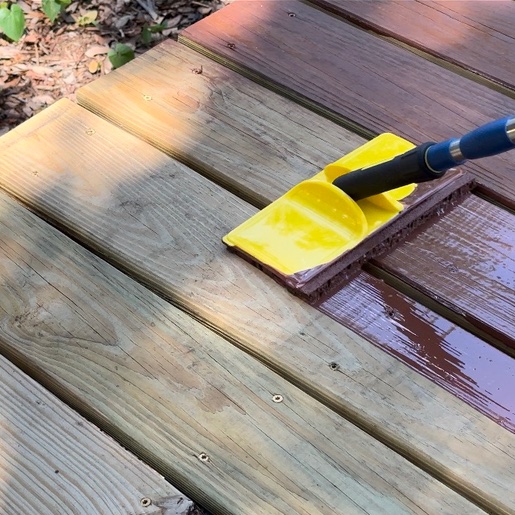
Credit: thecraftsmanblog.com
Frequently Asked Questions
What Happens If You Stain Treated Wood Too Soon?
Staining treated wood too soon traps moisture, causing peeling and uneven finish. Ensure wood is dry before staining.
How Can I Determine If Pressure Treated Wood Is Ready For Staining?
Check wood moisture using a moisture meter; it should be below 20%. Water test: droplets should absorb quickly. Wood surface must be dry and clean for staining. Proper drying ensures effective stain absorption. Ideal drying time: 3-6 months after treatment.
Can You Stain Or Paint Pressure Treated Wood Right Away?
You should wait before staining or painting pressure treated wood. Allow it to dry for 2-3 months. The wood’s moisture content needs to decrease for better adhesion. Test by sprinkling water; if it absorbs, it’s ready. Proper preparation ensures a lasting finish.
How Do You Know If Treated Lumber Is Dry Enough To Paint?
Use a moisture meter to check the wood’s moisture content. It should be 15% or lower for painting. Alternatively, sprinkle water on the surface; if it absorbs quickly, the wood is likely dry enough. Ensure the wood feels dry and doesn’t have a greenish tint.
Conclusion
Waiting for treated lumber to dry is crucial before staining. It usually needs a few weeks. This ensures optimal stain absorption. Dry wood enhances the finish and prevents peeling. Check moisture levels with a meter. Aim for a moisture content below 15%.
This helps the stain last longer. Patience pays off with better results. A well-dried lumber leads to a stunning deck or furniture. Remember, rushing can lead to poor outcomes. Taking time now saves effort later. Enjoy your beautifully stained wood.
Your patience will be rewarded.