Pressure-Treated Wood Colors: Why It’s Green, Brown, or Gray (and What to Do About It)
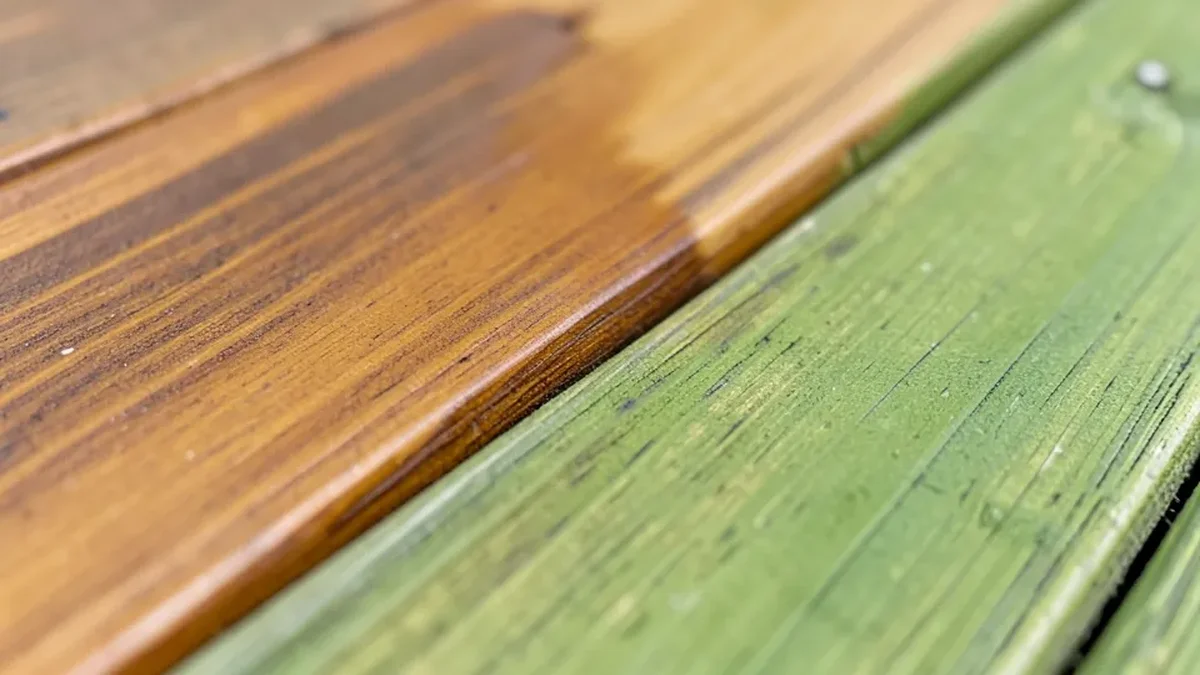
The color you see on pressure-treated lumber at the store – usually a greenish or light brown tint – comes from the copper-based preservative used to treat it, not from a dye meant to look good. That “natural” treated color will fade to gray within a year outdoors regardless of what it looked like on day one. If you want a specific, lasting color, that comes from a stain or sealer applied after the wood dries out, not from the treatment itself.
Why Treated Wood Is Green or Brown in the First Place
Best Stain Made for Pressure-Treated Wood
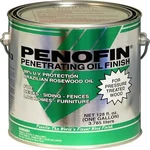 |
Penofin Tahoe Pressure-Treated Wood Stain (1 Gal) – $63 Formulated specifically for the density and moisture profile of treated lumber, instead of a general-purpose deck stain.
|
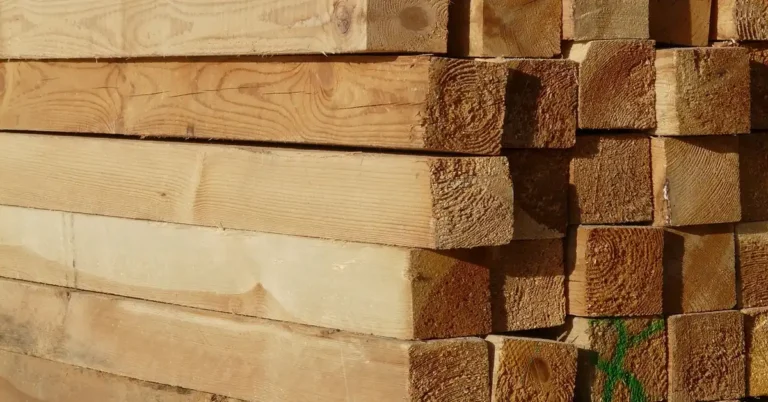
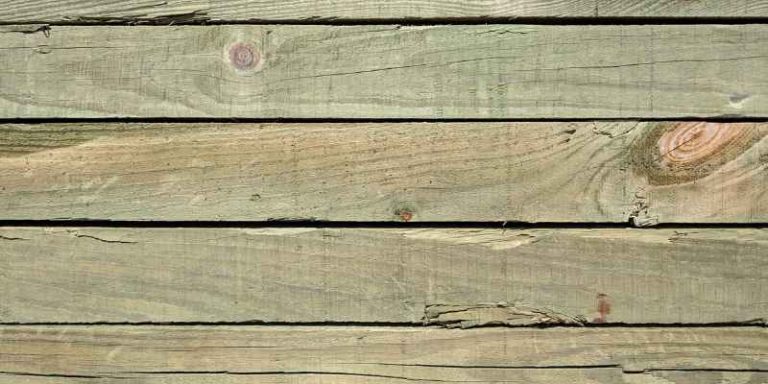
Modern pressure-treated lumber is infused with a copper-based preservative (most commonly ACQ or micronized copper azole) under pressure, forcing it deep into the wood fibers to resist rot and insects. That copper compound is what tints the wood green when it’s freshly treated. Some manufacturers add a brown tint on top so it looks less like raw lumber on the shelf, but that’s cosmetic – it doesn’t change the protection underneath. Either way, that color is not stable: UV exposure breaks it down within months, and most treated wood left unfinished outdoors weathers to a silvery gray within 6-12 months, the same way any untreated wood does.
The Real Color Options (After the Treatment)
Once the wood has dried enough to accept a finish (see the drying note below), you’re choosing a stain or paint, not a “treated wood color.” The realistic categories are:
- Clear/transparent sealer: lets the current color and grain show through, offers the least UV protection, and needs reapplication most often (about once a year).
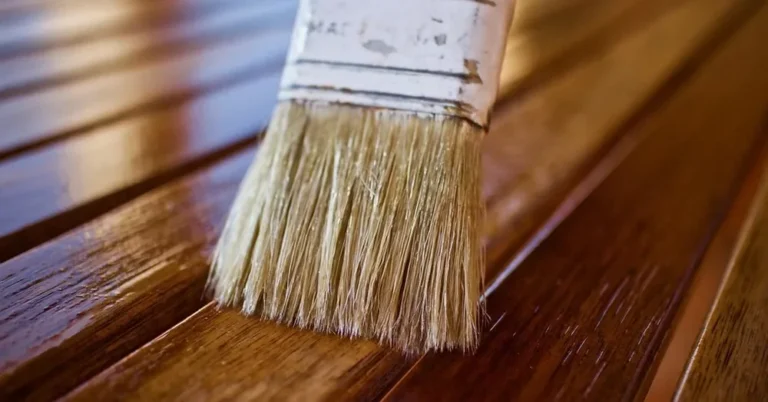
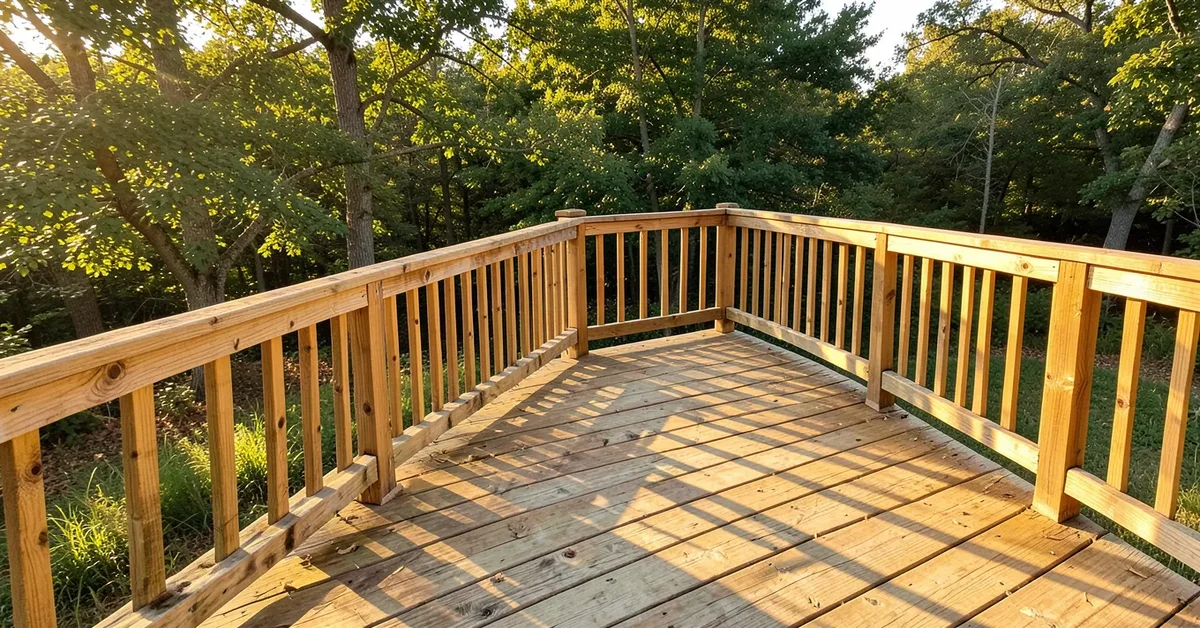
- Semi-transparent stain (cedar, redwood, natural, honey tones): the most common choice for decks and fences – it tints the wood while still showing grain, and holds up 2-3 years before recoating.
- Solid-color stain: behaves closer to paint, fully hides the grain and the green/brown tint underneath, and lasts the longest between coats (3-5 years) since the heavier pigment load blocks more UV.
- Gray weathered look, on purpose: some homeowners skip finishing altogether and let the wood gray naturally, or use a “weathered gray” toner to get that look immediately instead of waiting a year for it to happen on its own.
Bold, non-wood colors (bright red, blue, yellow) are technically possible with an exterior solid-color acrylic paint, but they’re rare for a reason: they read as “painted lumber” rather than a finished deck or fence, they show wear and touch-up spots more visibly than a stain, and full paint coverage on a deck surface tends to peel and chip under foot traffic in a way that a penetrating stain doesn’t.
The Drying Wait Nobody Mentions
Freshly pressure-treated lumber is often still wet with the treatment solution when it’s sold. Staining or painting it too early traps that moisture and the finish will peel or blister within a season. The standard test: sprinkle water on the surface – if it beads up, the wood is still too wet to finish; if it soaks in, it’s ready. Depending on the lumber and climate, that can take anywhere from a few weeks to several months after installation.
Frequently Asked Questions
What are common pressure-treated wood colors?
Fresh from the lumberyard, it’s usually greenish or light brown from the copper-based preservative. Left unfinished outdoors, it weathers to gray within about a year. Applied colors range from clear sealers through cedar/redwood-toned semi-transparent stains to full solid-color stains that hide the wood entirely.
Does pressure-treated wood change color over time?
Yes. The green or brown preservative tint fades from UV exposure and weathering, typically turning silvery gray within 6-12 months if left unfinished. A UV-blocking stain or sealer slows this fading significantly and needs periodic reapplication to keep the color you want.
Can you paint pressure-treated wood?
Yes, but only after the wood has fully dried from the treatment process, which can take weeks to months. Use an exterior primer rated for treated lumber, then a quality exterior paint. Painting too soon traps moisture and causes peeling.
How do you maintain the color once it’s finished?
Reapply a UV-rated stain or sealer on the schedule for that product type – roughly yearly for clear sealers, every 2-3 years for semi-transparent stains, and 3-5 years for solid-color stains. Clean the surface with a wood-safe deck cleaner before each recoat so the new finish bonds properly.
Bottom Line
The color pressure-treated wood ships with is a side effect of the preservative, not a design choice, and it won’t last outdoors regardless of what it looks like at the store. If you want a color that actually holds up, let the wood dry fully, then choose a stain based on how much grain you want visible and how often you’re willing to recoat – not based on the shade the lumber happened to arrive in.
Sponsored / affiliate links. As an Amazon Associate I earn from qualifying purchases. I may earn additional commission from eligible campaigns.