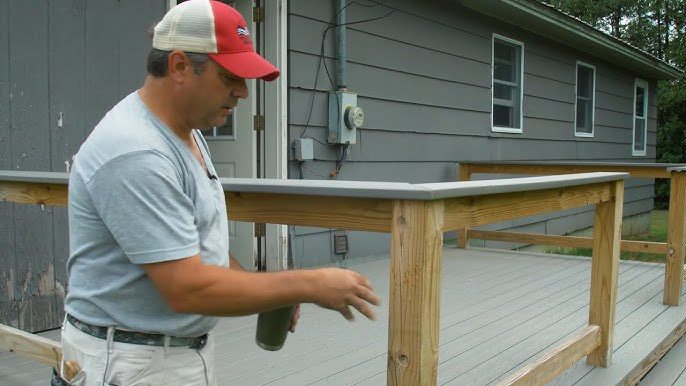
How Long Should You Wait to Paint Pressure Treated Wood?
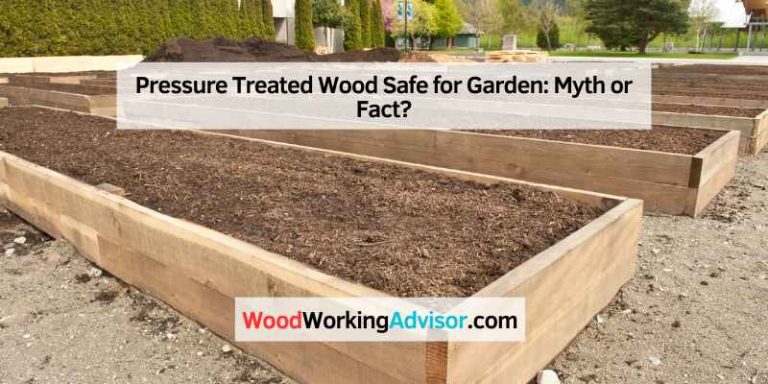
Imagine you’ve just installed a beautiful new deck or fence made from pressure treated wood. You can already picture how stunning it will look once painted, adding charm and personality to your outdoor space.
But wait—before you rush to your local paint store, there’s an important question to consider: “How long should you wait to paint pressure treated wood? ” Getting this timing right can make all the difference between a finish that lasts and one that quickly fades.
You’ll discover the perfect moment to start painting, ensuring your efforts lead to a durable and eye-catching result. Don’t let impatience jeopardize your project; learn the secrets to achieving a flawless finish that will keep your wood looking fantastic for years to come. Stay with us as we guide you through the essential steps to a successful painting process.
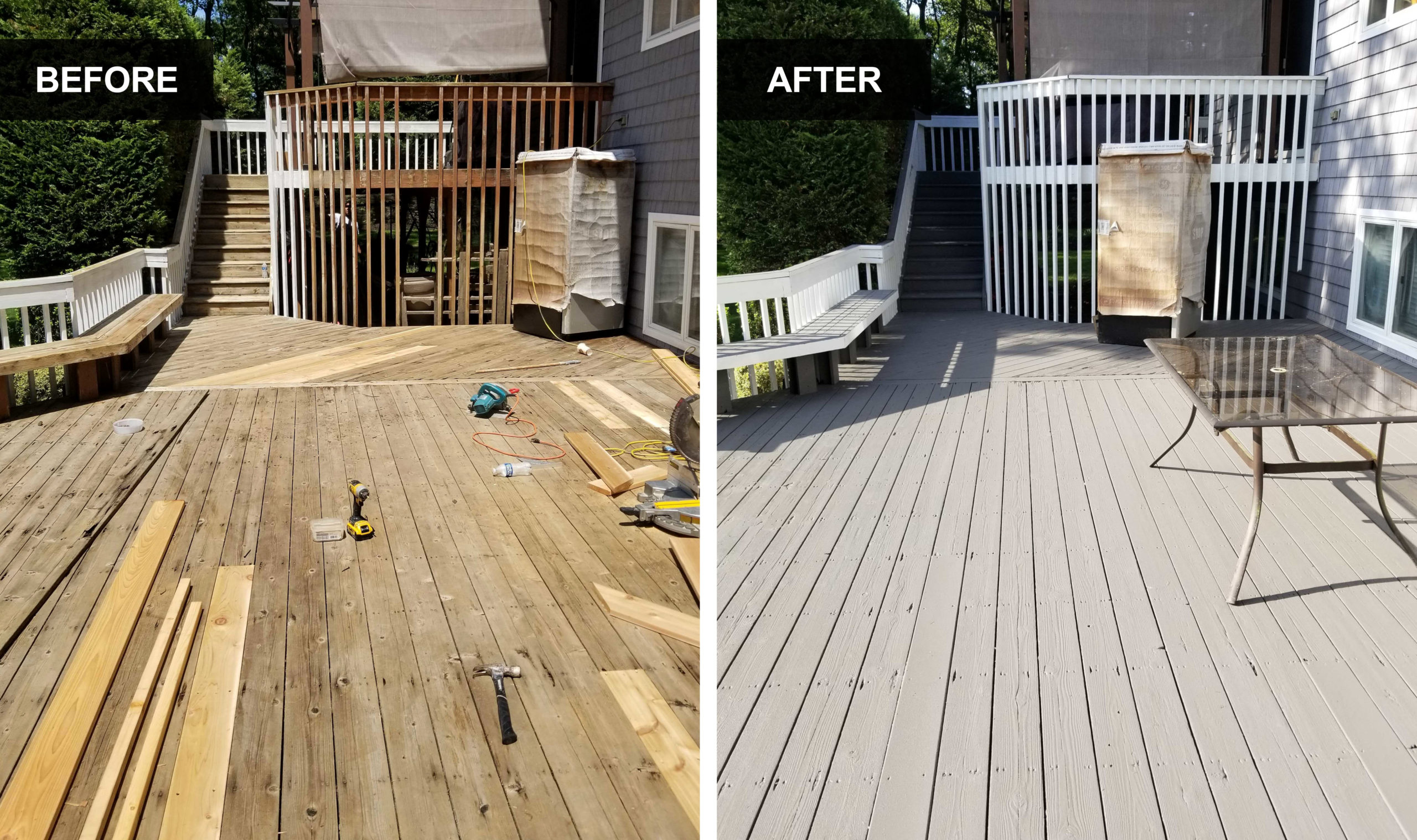
Credit: www.precisionpaintingplus.net
Characteristics Of Pressure Treated Wood
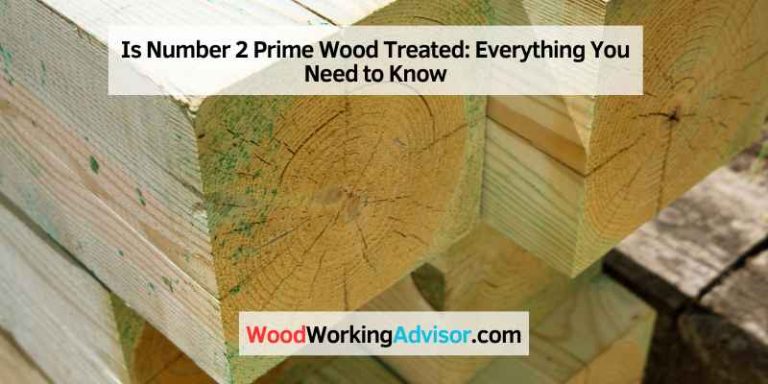
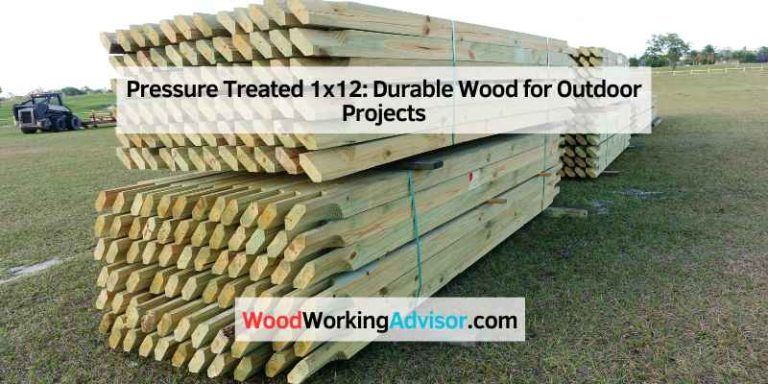
Pressure treated wood is strong and lasts a long time. It has chemicals that keep bugs away. These chemicals also stop rot. This wood is perfect for outdoor projects. Decks and fences often use this wood. The surface can feel rough. It might be damp after treatment. This makes it hard to paint right away. Drying time is important for the wood. Waiting lets the wood dry fully. Dry wood takes paint better. Paint sticks well and looks good. The wood needs time to air out. Sunlight and air help it dry faster. Using the wood when it is wet is not smart. It can warp or bend. Drying makes it stable. Check the wood before painting. Feel if it’s dry. Press with a finger. If it’s dry, it’s ready to paint.
Credit: repurposeandupcycle.com
Importance Of Waiting To Paint
Pressure treated wood needs time to dry. This helps the paint stick better. Wet wood can make paint peel. Let it dry first. Three to six months is a good wait time. This makes sure the wood is ready. Check the wood’s surface. If it’s dry, it’s ready to paint. A dry surface helps the paint last longer. It’s worth the wait.
Quick tests can help know when wood is dry. Splash water on it. If it beads, the wood is still wet. If it soaks in, the wood is dry. Dry wood makes painting easier. The paint stays nice for a long time.
Factors Affecting Drying Time
Drying time depends on the climate. In sunny places, wood dries fast. Rainy days make wood dry slow. Humidity keeps wood wet longer. Wind helps dry wood too. Always check the weather forecast. Choose a dry, sunny day to paint.
Wood must be drybefore painting. Use a moisture meter to check. Ideal moisture level is low. Wet wood makes paint peel. Dry wood holds paint better. Let wood sit and dry first. It takes weeks sometimes. Be patient for better results.
Some treatments dry quicker. Others take longer. Ask at the store about treatment type. Oil-basedtreatments dry slower. Water-based ones dry faster. Always read the label. Follow instructions for best results. This helps paint stick better.

Credit: lopcocontracting.com
Signs Wood Is Ready For Painting
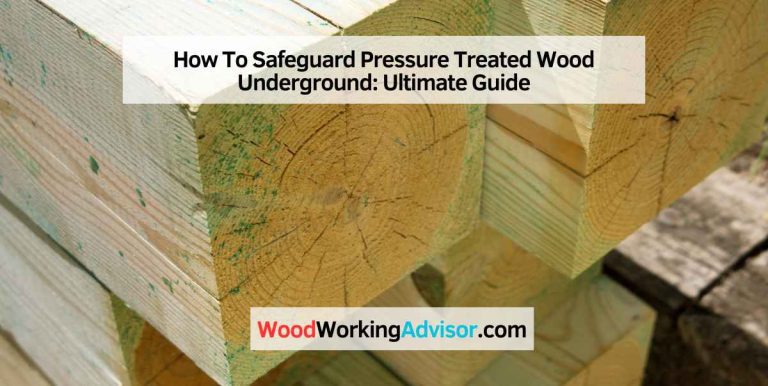
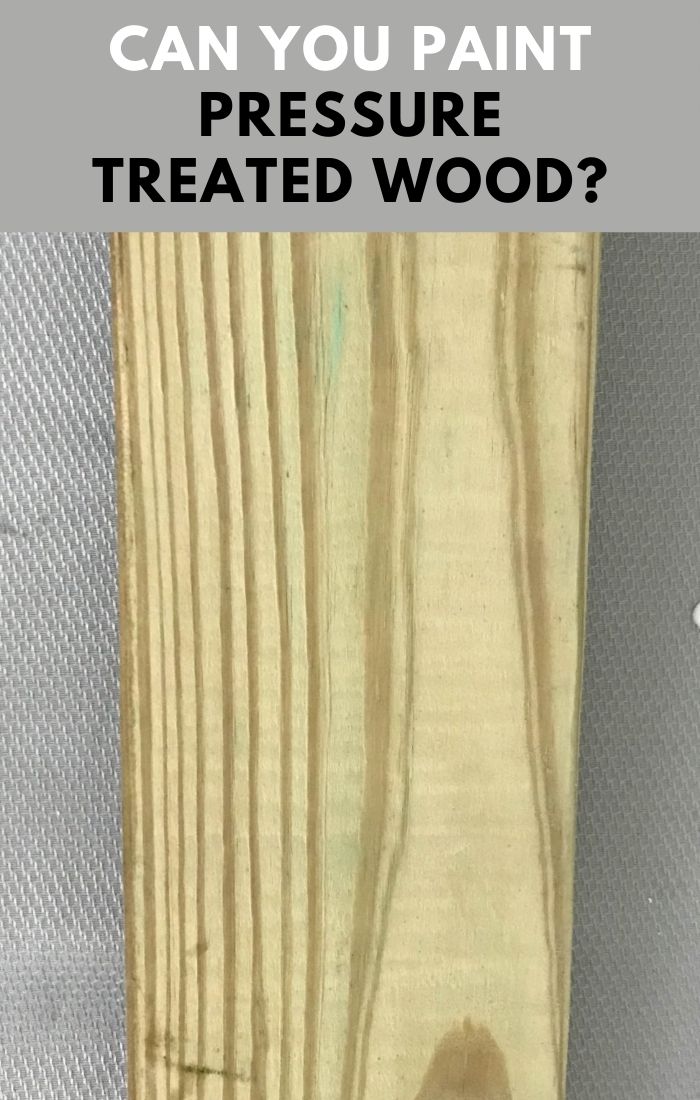
Pressure treated wood changes when it’s ready. Color is the first sign. Fresh wood looks very green. The green fades over time. When the color is pale, the wood is likely ready. Cracks are another sign. Wood dries and cracks naturally. Small cracks mean the wood is drying. Look for these signs carefully.
A moisture meter helps check the wood. Insert it into the wood. It shows a number. This number tells how wet the wood is. High numbers mean the wood is still wet. Low numbers mean it’s dry. Aim for a number below 15%. This means the wood is dry enough to paint.
Preparation Before Painting
Pressure treated wood often has dirt and chemicals. Clean it well before painting. Use water and a mild cleaner. Scrub the surface gently. Let it dry completely. Drying helps the paint stick better.
Sanding smooths rough wood. Sand the wood with fine sandpaper. This helps remove splinters. Make sure to sand evenly. Dust off the surface after sanding. Dust can ruin the paint finish.
Choose the right primer for pressure treated wood. Primer helps paint stick. It protects wood from moisture. Pick a primer that suits outdoor use. Apply it evenly. Let the primer dry fully.
Choosing The Right Paint
Pressure treated wood needs special care. Not all paints work. Oil-based paints are often best. They stick well to the wood. Acrylic paints are another good choice. They are flexible and long-lasting. Paints must be breathable. This helps the wood dry. Avoid paints that trap moisture. They can damage the wood.
Color can change how wood looks. Dark colors absorb more heat. They can cause the wood to warp. Light colors reflect heat. This keeps the wood cool. Choose colors wisely. Consider the weather in your area. Bright colors fade faster in sunlight. Neutral colors last longer. They need less maintenance.
Painting Techniques And Tips
Brush applicationis great for small areas. It allows for detailed work. Brushes work well on corners and edges. They help apply paint evenly. Spray applicationcovers large areas fast. It saves time on big projects. Sprayers can reach high spots easily. Both methods have benefits. Choose based on your project size.
Weather conditionsare important for painting. Dry weather is best. Rain can ruin paint jobs. Wind can blow dust onto wet paint. Warm temperatures help paint dry faster. Cold weather can make paint sticky. Check the forecast before starting. This ensures a smooth finish.
Maintenance After Painting
Painting pressure treated wood requires patience. Wait at least 6 months before painting to ensure proper drying. This time allows the wood to release moisture and chemicals, ensuring the paint adheres well.
Regular Inspection
Inspect painted wood every few months. Look for cracks or peeling paint. Regular checks ensure wood stays protected. Check corners and edges closely. Water can sneak into small gaps. Moisture is wood’s enemy. Early fixes prevent bigger problems.
Touch-up Tips
Keep extra paint handy. Quick touch-ups save time and money. Use a small brush for small areas. Apply thin layers for smooth finish. Don’t rush the drying process. Wait before adding another coat. Clean the surface before painting. Dirt can ruin the finish. Take care of your painted wood. It will last longer.
Frequently Asked Questions
Can I Paint Pressure Treated Wood Immediately?
No, it’s not recommended to paint immediately. Pressure treated wood needs time to dry and cure. Painting too soon can lead to moisture issues and peeling. It’s best to wait for a few weeks or months, depending on the climate, for optimal results.
How Do I Know Wood Is Ready To Paint?
Check for dryness by sprinkling water on the wood. If water absorbs quickly, it’s ready to paint. If it beads up, the wood is still too wet. This simple test helps ensure your wood is prepared for painting.
What Happens If I Paint Too Soon?
Painting too soon can trap moisture within the wood. This may cause peeling and flaking over time. Moisture issues can also lead to mold and mildew growth, compromising wood integrity. Waiting ensures a better finish and longer-lasting results.
Why Does Pressure Treated Wood Need Time?
Pressure treated wood contains chemicals to prevent rot and pests. These chemicals need time to dry and settle. Painting too soon can interfere with this process. Waiting ensures the chemicals have properly settled before sealing with paint.
Conclusion
Waiting to paint pressure treated wood is crucial. It ensures durability and longevity. Wood needs to dry thoroughly first. Moisture affects paint adherence negatively. Typically, wait about six months. Test dryness with a water drop test. If water soaks in, it’s ready.
Proper preparation enhances the finish. Clean the surface thoroughly before painting. Choose the right paint for best results. Follow these steps for a lasting paint job. Painting too soon risks peeling and cracks. Patience pays off with beautiful, lasting results.
Enjoy your well-painted, pressure treated wood. Happy painting!