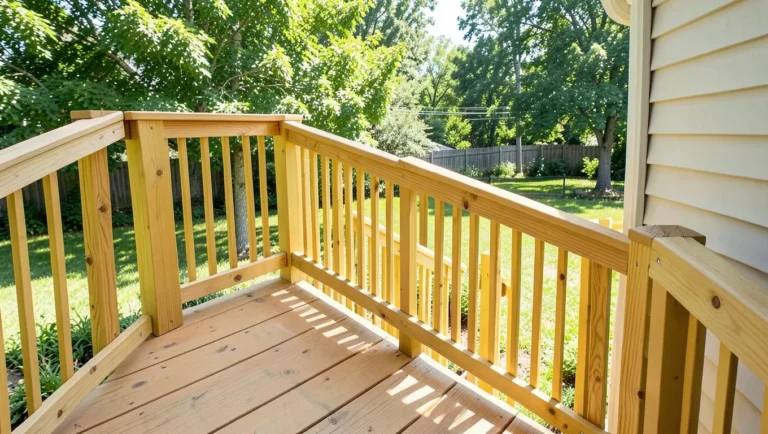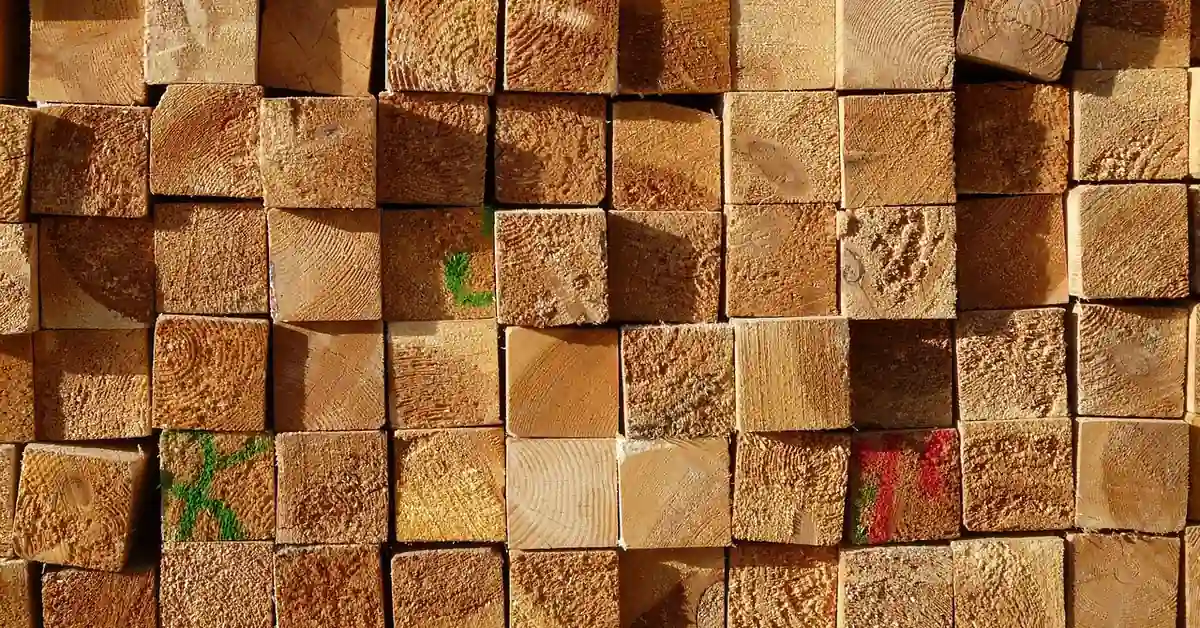
Does Home Depot Pressure-Treated Wood Have Arsenic? (Banned 2003)
Home Depot’s pressure-treated wood does not contain arsenic – the industry voluntarily phased out chromated copper arsenate (CCA) for residential lumber on December 31, 2003, under an agreement with the EPA. Older CCA decks and swing sets built before that date can still carry arsenic residue on the wood surface. This guide covers which chemicals replaced CCA, how to read the AWPA stamp on new lumber, and which fasteners resist the corrosion that comes with the new preservatives.
What Chemicals Does Home Depot Use in Pressure-Treated Wood Today?
Home Depot’s current pressure-treated lumber is treated with alkaline copper quaternary (ACQ) or copper azole (sold under brand names like MicroPro or Preserve), never arsenic. Both preservatives rely on copper as the active fungicide and insecticide, and neither contains chromium or arsenic compounds – the two ingredients that made old CCA lumber a health concern.
One side effect of the switch: copper-based preservatives are more corrosive to plain carbon-steel screws and nails than CCA was. Framing connectors, screws, and hangers used with ACQ or copper azole lumber need to be hot-dip galvanized or stainless steel, or they can corrode within a few years outdoors.
Best ACQ-Safe Deck Screw Pick
 |
304 Stainless Exterior Deck Screws, 80-Pack – $9.99 Rated for the copper-based ACQ and copper azole preservatives now used in Home Depot’s pressure-treated lumber, which corrode standard carbon-steel fasteners over time.
|
As an Amazon Associate we earn from qualifying purchases.
Arsenic and Its Historical Use in Wood Treatment
Chromated copper arsenate (CCA) was the dominant residential wood preservative in the U.S. from the 1970s through 2003. It protected wood from rot, fungus, and insects effectively, which is why it became the industry standard for decks, playsets, and fences for nearly three decades.
Long-term exposure to arsenic carries real health risks, including skin irritation and an elevated cancer risk with repeated contact. In February 2002, the four U.S. registrants of CCA voluntarily agreed with the EPA to end most residential uses by December 31, 2003. Home Depot and other major retailers switched their lumber supply to arsenic-free alternatives ahead of that deadline.
CCA was never banned outright. It’s still permitted for specific non-residential uses – marine pilings, utility poles, and highway noise barriers – where a comparable substitute either doesn’t exist or hasn’t been approved.
Home Depot’s Approach to Pressure-Treated Wood
Home Depot sources its pressure-treated lumber from suppliers that follow current EPA-registered preservative standards. All pressure-treated boards sold in stores today are treated with ACQ, copper azole, or a similar arsenic-free preservative – not CCA.
Every treated board should carry an AWPA end-tag stamped or stapled to one end, listing the preservative used, the retention level, and the use category (for example, UC3B for above-ground exterior use or UC4A for ground contact). If a board is missing this tag, ask an associate before buying – it’s the fastest way to confirm what chemical you’re actually getting.
Current Treatment Processes for Pressure-Treated Wood
Today’s pressure-treated wood is produced using a vacuum-pressure process that forces liquid preservative deep into the wood fibers, the same basic method used for CCA but with a different chemical. The two preservatives you’ll find at Home Depot are:
- ACQ (alkaline copper quaternary): the most common preservative for dimensional lumber; contains copper plus a quaternary ammonium compound as a co-biocide.
- Copper azole (CA-B or CBA-A): uses copper plus azole fungicides; often used for lumber that needs extra corrosion compatibility, since it’s typically less copper-dense than ACQ.
A third option, micronized copper, breaks copper particles down to a microscopic size before treatment, which reduces the greenish surface tint and slightly lowers corrosivity toward fasteners. Borate treatments are also available for wood that stays dry and won’t be exposed to direct ground or weather contact.
EPA Regulations and Safety Measures
The EPA regulates wood preservatives as pesticides under federal law, which is why CCA went through a formal reregistration review before the 2003 phase-out. Modern preservatives like ACQ and copper azole are separately EPA-registered and carry their own use restrictions and label requirements.
📊 The most common U.S. formulation of CCA (Type C) was about 34% arsenic pentoxide by weight of its active ingredients. – Source: U.S. EPA, Chromated Arsenicals (CCA)
Homeowners with an older CCA deck don’t need to panic or tear it out.
“EPA does not require the removal of existing structures made with wood treated with chromated arsenicals, or the surrounding soil.”
If you want to reduce arsenic exposure from an older CCA structure, the EPA and CDC recommend sealing the wood every one to two years with an oil- or water-based penetrating sealant, and washing hands after contact – especially for children who play on older decks or playsets.
How to Identify Which Preservative Treated Your Wood
Look for the AWPA or ICC-ES end-tag stapled to one end of the board. It lists the preservative by name or code – “ACQ,” “CA-B,” or “CA” mean copper azole; “CCA” means the older arsenic-based treatment. Any board sold new at Home Depot today should show ACQ or CA, never CCA.
For wood already installed with no visible tag, color can offer a clue but isn’t definitive: CCA lumber often has a greenish tint, while ACQ and copper azole can range from green to brown depending on the micronized copper level. When the tag is gone and the installation date is unknown, treat the wood as if it could be CCA and take basic precautions like sealing and hand-washing. Our full guide to identifying treated lumber covers stamp codes and visual cues in more detail.
Environmental Impact and Disposal
Pressure-treated wood, old or new, should never be burned in a fireplace, wood stove, or open fire – burning concentrates the preservative chemicals in the ash and smoke. Disposing of it in a regular recycling bin isn’t appropriate either.
| Disposal Method | Description |
|---|---|
| Municipal landfill | Most areas allow treated wood in regular construction/demolition debris landfills; check local rules first. |
| Hazardous waste facility | Some municipalities require CCA-era wood specifically to go through a hazardous waste drop-off. |
| Reuse | Sound treated lumber can be reused for non-food-contact structural projects – sheds, retaining walls, fence posts. |
For new outdoor projects where you’d rather avoid treated lumber altogether, naturally rot-resistant species like cedar, redwood, and black locust are common alternatives, though they typically cost more per board foot than ACQ pine.
Frequently Asked Questions
Does Home Depot pressure treated wood contain arsenic?
No. Home Depot’s pressure-treated wood does not contain arsenic. Chromated copper arsenate (CCA) was the common preservative until manufacturers voluntarily phased it out for residential lumber on December 31, 2003, following a 2002 agreement with the EPA. Today’s boards use alkaline copper quaternary (ACQ) or copper azole instead.
What chemicals are in pressure treated wood today?
Modern pressure-treated wood typically uses alkaline copper quaternary (ACQ) or copper azole as the preservative, sometimes with a borate co-biocide. These are copper-based fungicides and insecticides that contain no arsenic or chromium. Always check the AWPA end-tag stamp on the board to confirm which one was used.
Is pressure treated wood safe for outdoor use?
Yes, modern ACQ- and copper azole-treated wood is rated safe for outdoor use, including decks, fences, and other exterior structures. Because it’s copper-based, it’s more corrosive to plain carbon-steel fasteners than old CCA lumber was, so use hot-dip galvanized or stainless steel screws and hardware.
Can you use pressure treated wood for raised garden beds?
Modern ACQ or copper azole lumber is far safer than old CCA wood, but many gardeners still avoid it for raised beds since trace copper can leach into soil over time. Untreated cedar, redwood, or a plastic liner between the wood and soil are common alternatives for edible gardens.
Is CCA-treated wood still legal to buy?
CCA was phased out only for residential and general consumer uses. It’s still legally manufactured and used for specific non-residential applications, including marine pilings, utility poles, and permanent wood foundations, where the EPA determined the exposure risk is lower and no adequate substitute existed at the time of the 2003 agreement.
Conclusion
Home Depot’s current pressure-treated wood is arsenic-free. The arsenic concern is a real one, but it applies to CCA lumber sold before the December 31, 2003 residential phase-out, not to boards sold today. Check the AWPA end-tag to confirm ACQ or copper azole, use stainless or hot-dip galvanized fasteners to avoid corrosion, and if you’re working with an older deck of unknown age, seal it and wash up after handling it. See also our guide on what pressure-treated wood is and how it’s rated, and our breakdown of whether it’s safe for bird houses and other small outdoor builds.
Sponsored / affiliate links. As an Amazon Associate I earn from qualifying purchases. I may earn additional commission from eligible campaigns.