How Long to Let Wood Conditioner Dry: Quick Tips!
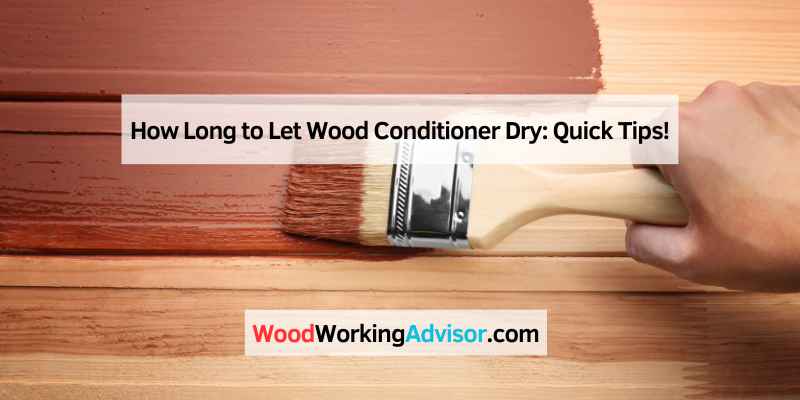
Let wood conditioner dry for about 15 to 30 minutes before applying stain or finish. Ensure it dries completely for optimal results.
Wood conditioner plays a crucial role in preparing your wood surfaces for staining. It helps to even out the absorption of stains, preventing blotchiness. Proper application can significantly enhance the final look of your project. Choosing the right wood conditioner is essential for different types of wood.
Softwoods, like pine, often benefit more from conditioning compared to hardwoods. Understanding drying times is vital to achieve a smooth finish. Rushing the process can lead to uneven coloration and poor adhesion of the stain. Knowing how long to let wood conditioner dry can make a significant difference in your woodworking results.
Introduction To Wood Conditioner
Wood conditioner serves a vital role in woodworking. Its main purpose is to prepare wood for staining. This preparation helps achieve an even stain color. Without a conditioner, stains can appear blotchy.
Using a pre-stain wood conditioner offers several benefits for projects. It enhances the wood’s natural beauty. The conditioner also prevents the wood from absorbing too much stain. This results in a more professional finish. It works on softwoods and hardwoods alike. Overall, it is a simple step that can greatly improve your results.
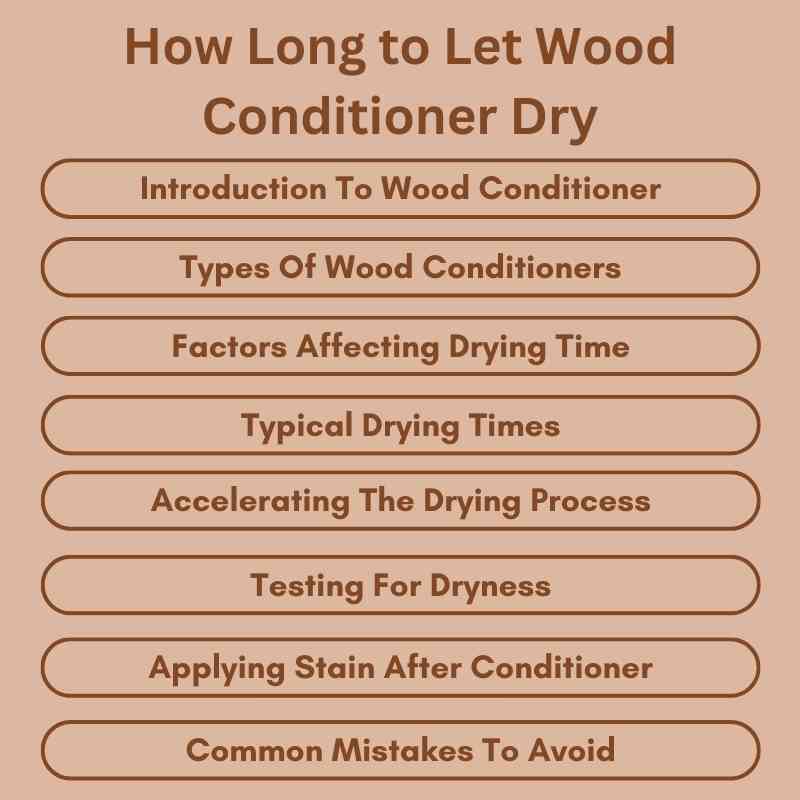
Types Of Wood Conditioners
Oil-based conditioners are popular for their deep penetration into wood. They enhance the natural grain and provide a rich finish. These conditioners take longer to dry, often requiring 24 hours. Proper ventilation helps speed up the drying process.
Water-based conditioners dry much faster, usually within 1 to 2 hours. They are easy to clean up with soap and water. These conditioners are ideal for indoor projects. They also have low odor and less volatile organic compounds (VOCs).
| Type | Drying Time | Benefits |
|---|---|---|
| Oil-Based | 24 hours | Deep penetration, rich finish |
| Water-Based | 1-2 hours | Quick drying, easy cleanup |
Factors Affecting Drying Time
Wood type and its porosity greatly affect drying time. Hardwoods like oak absorb less conditioner than softwoods like pine. This means that softwoods may need more drying time.
Environmental conditions also play a role. High humidity can slow down drying, while low humidity speeds it up. Temperature is important too; warmer conditions help the conditioner dry faster.
The application thickness influences drying time. A thick layer takes longer to dry than a thin one. Always aim for a thin, even coat for better results.
Typical Drying Times
Drying times for wood conditioner can vary. Manufacturer recommendations play a big role. Always check the label for specific guidance.
| Conditioner Type | Typical Drying Time |
|---|---|
| Oil-Based | 4 to 6 hours |
| Water-Based | 1 to 2 hours |
Oil-based conditioners take longer to dry than water-based ones. Patience is key for the best results.
Always test a small area first. This helps to see how the wood reacts. Following the drying times ensures a smooth finish.
Accelerating The Drying Process
Using fans or heaters can help speed up the drying of wood conditioner. Place a fan near the wood to create airflow. This will help evaporate the moisture quickly.
Heaters can also raise the temperature. Warmer air absorbs moisture better than cold air. Ensure the heat is not too intense to avoid damaging the wood.
Ideal temperature for drying is between 70°F and 80°F. Keep humidity levels low, ideally below 50%. This combination helps the wood conditioner dry evenly and effectively.
Testing For Dryness
Testing for dryness is important after applying wood conditioner. Use the Touch Test for a quick check. Lightly touch the surface with your fingers. If it feels tacky or sticky, it needs more time to dry. A smooth, dry feel indicates it’s ready for the next step.
Moisture meters are great tools for precise measurements. They help to ensure your wood is adequately dried. Simply insert the meter into the wood. Readings below 12% suggest that the wood is dry enough. This helps prevent issues later in your project.
Applying Stain After Conditioner
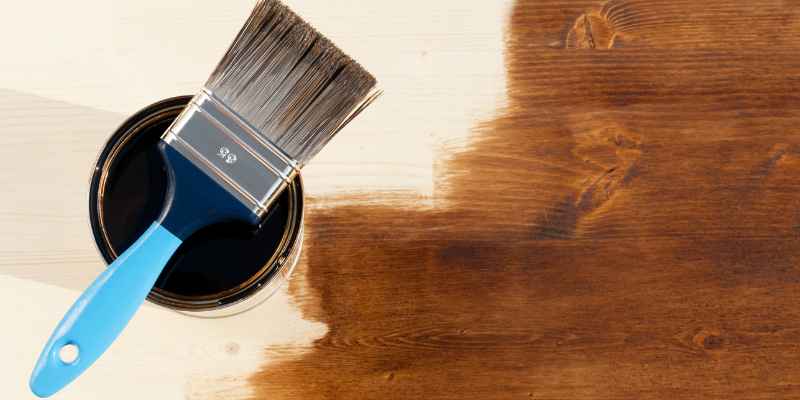
After applying wood conditioner, let it dry for at least one hour. This time allows the wood to absorb the conditioner properly. Always check for tackiness before applying stain. If the surface feels sticky, wait longer.
For an even application of stain, use a clean brush or cloth. Start at one end and move steadily to the other. Avoid going back over already stained areas. This helps prevent blotches and uneven color.
Stain compatibility varies by type. Test your chosen stain on a small area first. This ensures it works well with the conditioner. Always read the manufacturer’s instructions for best results.
Common Mistakes To Avoid
Over-application of wood conditioner can lead to uneven surfaces. This makes the finish look bad. Always apply a thin, even layer. Wipe off any excess with a clean cloth.
Inadequate drying time can ruin the final look. Each brand has specific drying times. Follow the manufacturer’s instructions closely. Touching the surface before it dries can create smudges. Patience is key for a great finish.
Maintenance And Care
After applying wood conditioner, let it dry for at least two hours. This allows the wood to absorb the conditioner properly. Always check the manufacturer’s instructions for specific drying times.
Once dry, avoid exposing the wood to moisture. Keep it in a dry area for best results. Regularly inspect the wood for signs of wear.
Use a soft cloth to dust the surface often. This helps maintain its shine and beauty. Apply a fresh coat of wood conditioner every six to twelve months. This keeps the wood looking new and protects it from damage.
| Tip | Frequency |
|---|---|
| Dusting | Weekly |
| Conditioning | Every 6-12 months |
Frequently Asked Questions
How Long Should Wood Conditioner Dry?
Wood conditioner typically needs to dry for about 15 to 30 minutes. This allows the product to penetrate the wood effectively. However, drying times can vary based on humidity and temperature. Always check the manufacturer’s instructions for specific recommendations tailored to your product.
Can I Apply Stain Before Wood Conditioner Dries?
No, you should wait until the wood conditioner is fully dry before applying stain. Applying stain too soon can lead to uneven coloration. Allowing the conditioner to dry ensures better absorption of the stain. This results in a more uniform finish and enhances the wood’s natural beauty.
What Happens If I Don’t Use Wood Conditioner?
Skipping wood conditioner can lead to blotchy stains on softwoods. Without it, the wood may absorb stain unevenly, creating an unsightly appearance. Additionally, the wood might not achieve the desired depth of color. Using conditioner helps achieve a smooth and professional-looking finish.
Is Wood Conditioner Necessary For All Woods?
Wood conditioner is especially beneficial for softwoods and porous woods. Hardwoods may not require conditioning but can still benefit from it. It helps achieve a more even stain application across different wood types. Evaluate the wood you’re using to decide if conditioning is necessary.
Conclusion
Understanding the drying time for wood conditioner is essential for achieving a flawless finish. Proper drying ensures optimal absorption and enhances the wood’s appearance. Always follow the manufacturer’s guidelines for the best results. With the right approach, your woodworking projects will shine beautifully and stand the test of time.