How Many Earthquake Straps Do I Need for Bookshelves: Expert Guide
Imagine this: a small earthquake hits, and your beloved bookshelf topples over, spilling books and treasured items all over the floor. It’s a nightmare scenario, but one that can be easily avoided with a little preparation.
If you’re asking yourself, “How many earthquake straps do I need for bookshelves? ” You’re already on the right track to protecting your home and possessions. We’re going to guide you through the process of determining the right number of straps needed to secure your bookshelves effectively.
But it’s not just about safety—it’s about peace of mind. You deserve to feel confident that your home is a safe haven, even when the ground shakes. By the end of this article, you’ll have a clear plan for safeguarding your space, so you can relax and focus on the things that truly matter. Stick with us, and let’s make sure your bookshelves are as stable as they are stylish.
Credit: www.earthquakecountry.org
Importance Of Earthquake Straps
Earthquake straps keep your bookshelves safe. These straps stop shelves from falling. They are very important in earthquake-prone areas. Safety is the main reason to use them. Straps hold the shelves to the wall. This prevents them from tipping over. Shelves can hurt people if they fall. It is important to strap them. Even small earthquakes can make shelves move. Books and items can fall off easily. Use straps for peace of mind. They protect your belongings. Straps are simple but very useful. They help keep your home safe.
Installing earthquake straps is easy. You need a few tools. Most straps come with instructions. Follow them for best results. Make sure straps are tight. Check them often. This ensures safety. Do not wait for an earthquake to use them. Be prepared and keep your family safe. Earthquake straps are a small investment for big protection.
Assessing Your Bookshelf
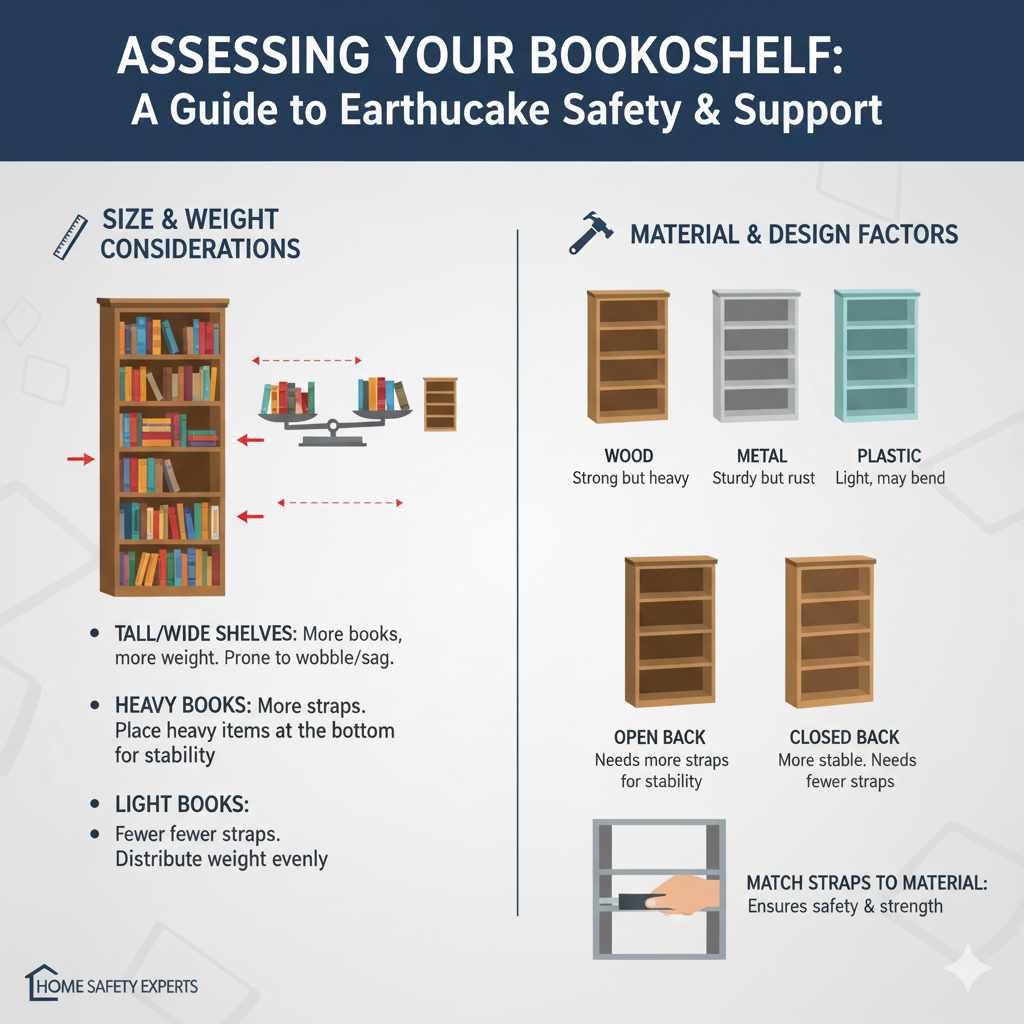
Bookshelves come in many sizes. Large shelves hold more books. More books mean more weight. Heavy books need extra support. Check the height and width of your shelf. Tall shelves might wobble. Wide shelves might sag. Straps help keep shelves safe. Use more straps for heavy books. Light books need fewer straps. It’s smart to balance the weight. Place heavy books at the bottom. This helps keep the shelf steady.
Bookshelves can be made from wood, metal, or plastic. Wood shelves are strong but heavy. Metal shelves are sturdy but can rust. Plastic shelves are light but may bend. Each material needs different support. Consider the design of the bookshelf. Some have open backs. Others have closed backs. Open backs need more straps. Closed backs are more stable. Use straps to match the shelf’s material. This ensures safety and strength.
Calculating Strap Requirements
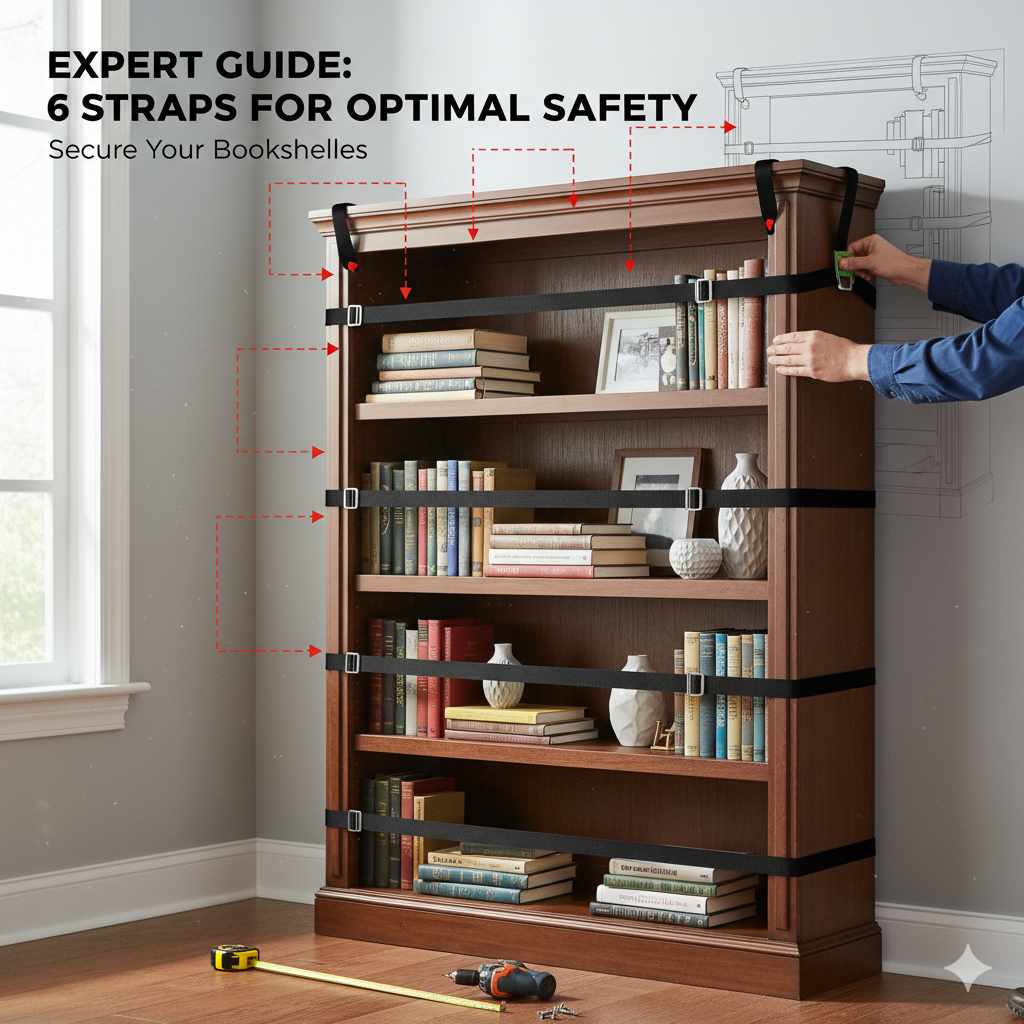
Earthquake straps help keep bookshelves safe. Each shelf usually needs at least two straps. Bookshelves that are tall might need more straps. Check the height to decide. Wide shelves also need extra support. Measure the width for more straps. Standard guidelines suggest straps every few feet. This keeps the shelf stable. Safety is important. More straps make the shelf stronger. Follow the guidelines for better support.
Size matters in choosing straps. Weight of books can affect how many straps are needed. Heavy books need more support. Material of the shelf is important too. Wooden shelves might need fewer straps. Metal shelves could need more. Room conditions also play a role. Check for humidity and temperature. These factors affect shelf safety. Earthquake area? Use more straps for safety. Always consider these factors.
Installation Tips
Selecting the correct earthquake strap is crucial. Metal straps offer strong support. Plastic straps are more flexible. Both types have their uses. Consider the weight of your bookshelf. Heavy bookshelves need stronger straps. Check the strap’s length too. Make sure it fits your shelf size. Always look for straps with adjustable lengths.
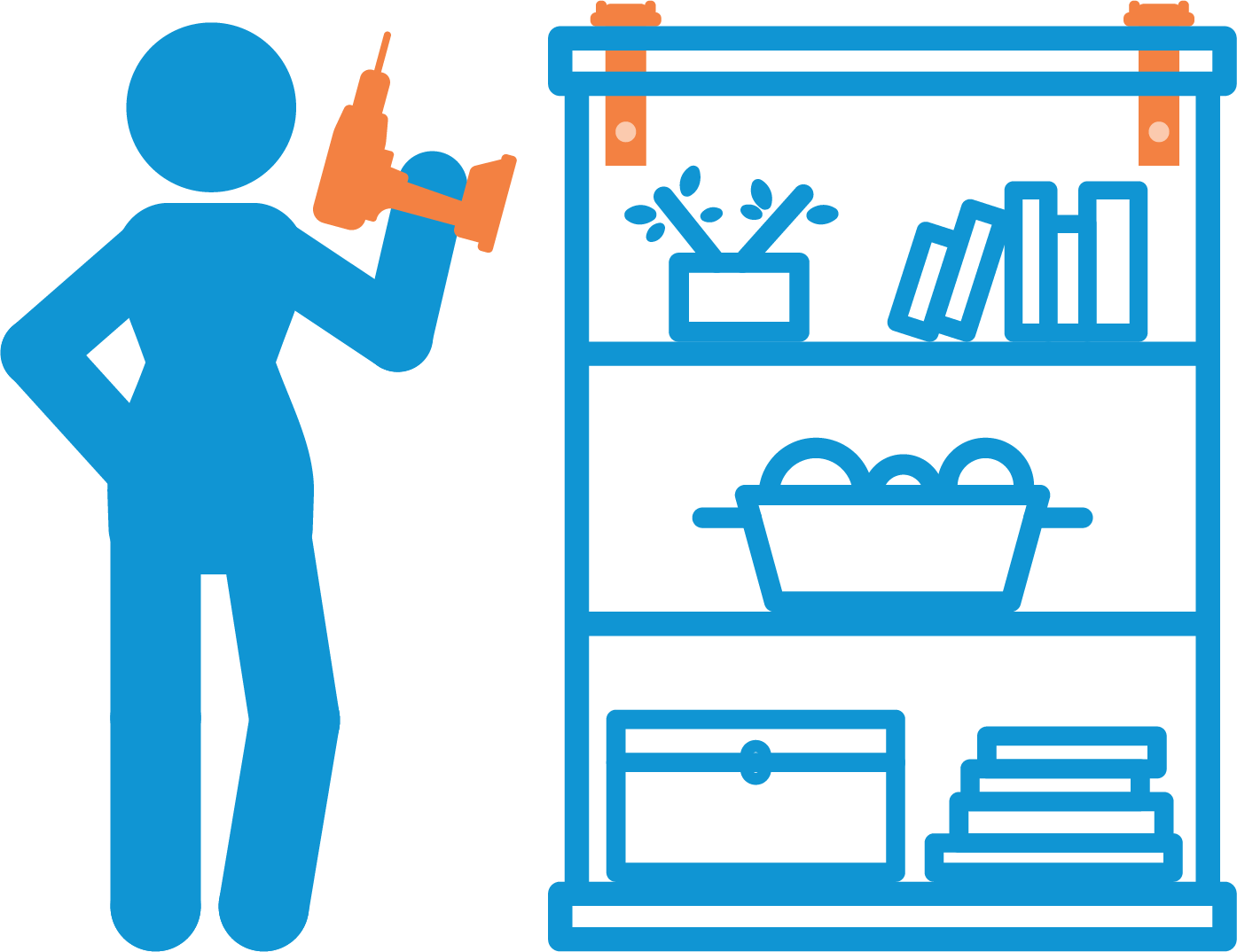
Attach straps securely to the wall. This prevents shelves from tipping. Use a stud finder to locate wall studs. Anchoring to studs gives better support. Use screws for metal straps. Plastic straps may need special anchors. Tighten straps well but avoid over-tightening. Over-tightening can damage the shelf. Ensure straps are evenly spaced. This keeps shelves balanced.
Common Mistakes To Avoid
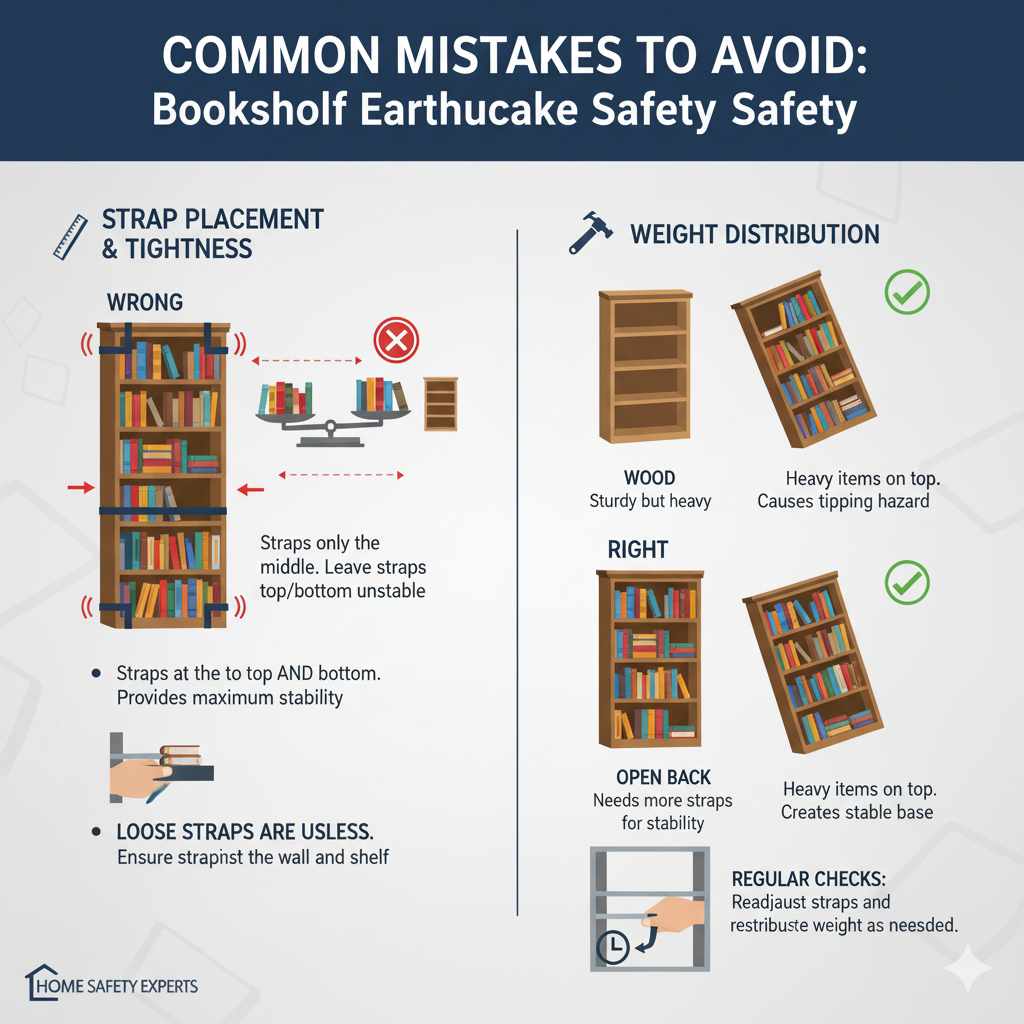
Placing straps in the wrong spots can be a big mistake. Straps should be at the top and bottom of the bookshelf. This helps to keep the bookshelf steady. Make sure straps are tight. Loose straps won’t hold well during an earthquake.
Bookshelves should have even weight distribution. Heavy books should be at the bottom. Light items can go on top. This keeps the bookshelf from tipping. Check the weight often. Changes in weight can make shelves unsafe.
Maintenance And Safety Checks
Earthquake straps help keep bookshelves safe. Regular checks are needed. Inspect straps often for any problems. Make sure they are tight and secure. Loose straps can cause bookshelves to fall. Always check for damage or wear.
Regular Inspection Protocols
Set up a routine for inspections. Check straps monthly. Look for cuts or fraying. Replace damaged straps right away. Ensure screws and bolts are tight. Missing parts must be replaced quickly.
Signs Of Strap Wear And Tear
Straps may show signs of age. Look for faded colors. Torn straps need fixing. Frayed edges are a problem. These signs mean the straps are weak. Weak straps cannot hold bookshelves well. Always fix these issues fast.
Expert Advice
Earthquake strapskeep bookshelves safe during shakes. They hold shelves tight. Each shelf needs two straps for strong support. Shelves taller than six feet need extra care. Short shelves need fewer straps. Heavy bookshelves need more straps to stay safe. Use strong strapsfor heavy items.
Check the weight of books on shelves. Heavier shelves need strong straps. Strap each shelf in two places. This makes them stable. Secure straps to walls firmly. This stops shelves from falling. Check straps often. Replace worn straps quickly. Safety first!
Find earthquake safety guides online. Visit local hardware stores. Ask experts for advice. Watch videos on using straps. Look for community safety workshops. Read about earthquake preparedness. Stay informed and ready.

Credit: www.amazon.com
Frequently Asked Questions
How Many Earthquake Straps Do I Need?
Calculate earthquake straps based on appliance size and weight. Typically, two straps secure a standard water heater. For larger appliances, consult the manufacturer’s guidelines or a professional for accurate requirements. Proper installation enhances safety during seismic activity.
How To Earthquake Proof A Bookshelf?
Secure bookshelves to walls using brackets or straps. Distribute weight evenly on shelves. Use non-slip shelf liners. Place heavy items on lower shelves. Install shelf lips or guards to prevent items from falling. Regularly check and tighten all fasteners.
How Many Planks Do I Need For 15 Bookshelves?
To craft 15 bookshelves, you’ll need 90 wooden planks. Each bookshelf requires 6 planks. Ensure you have enough planks for your project. Calculate accurately to avoid shortage. Efficient planning helps create sturdy and reliable bookshelves. Always double-check your measurements and requirements before starting.
How To Make Furniture Earthquake Proof?
Secure furniture to walls using brackets or straps. Install non-slip pads under items. Use museum putty for smaller objects. Place heavy items on lower shelves. Regularly check and tighten all fastenings.
Conclusion
Choosing the right number of earthquake straps is crucial. It ensures your bookshelves stay secure during shakes. Assess the size and weight of your shelves. More straps might be needed for larger or heavier units. Consider your area’s seismic activity.
High-risk zones may require additional precautions. Always follow installation guidelines for best results. Keep safety a priority in your home. Properly securing your bookshelves can prevent injuries and damage. Remember, a little preparation can make a big difference. Stay safe and protect your valuables.