How Many Layers of Polyurethane on Hardwood Floors: Expert Guide
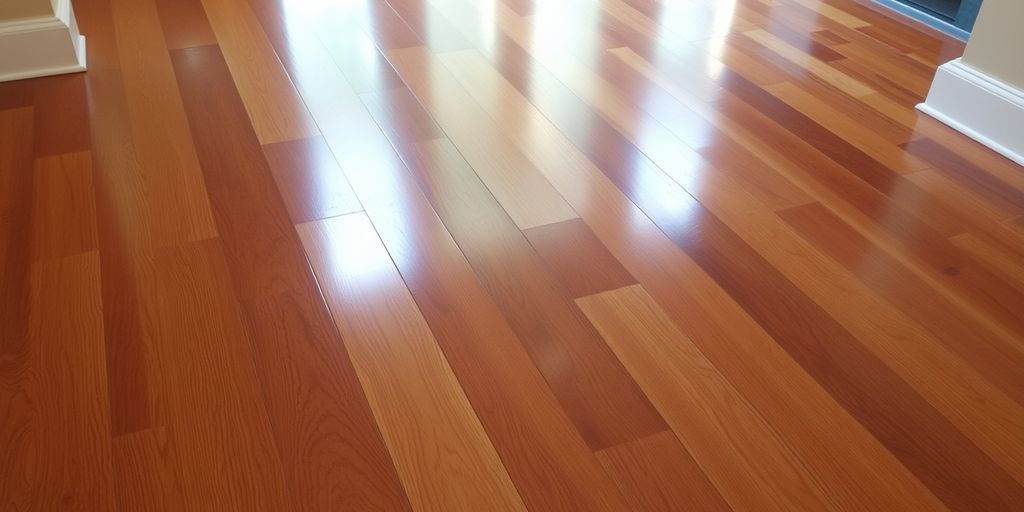
Are you wondering how to achieve that flawless, glossy finish on your hardwood floors? The secret often lies in the number of polyurethane layers you apply.
But how many is too many, and how few is too few? This is a question that puzzles many homeowners like yourself. Finding the right balance can make a world of difference in both the look and longevity of your flooring.
Imagine walking into your home and being greeted by the warm, inviting shine of perfectly finished hardwood. That vision can be your reality, and it starts with understanding the nuances of polyurethane application. Let’s dive into what you need to know to make your floors look stunning while ensuring they stand the test of time. Keep reading, because the perfect finish is just a few scrolls away.
Credit: procoatinc.com
Benefits Of Polyurethane Coating
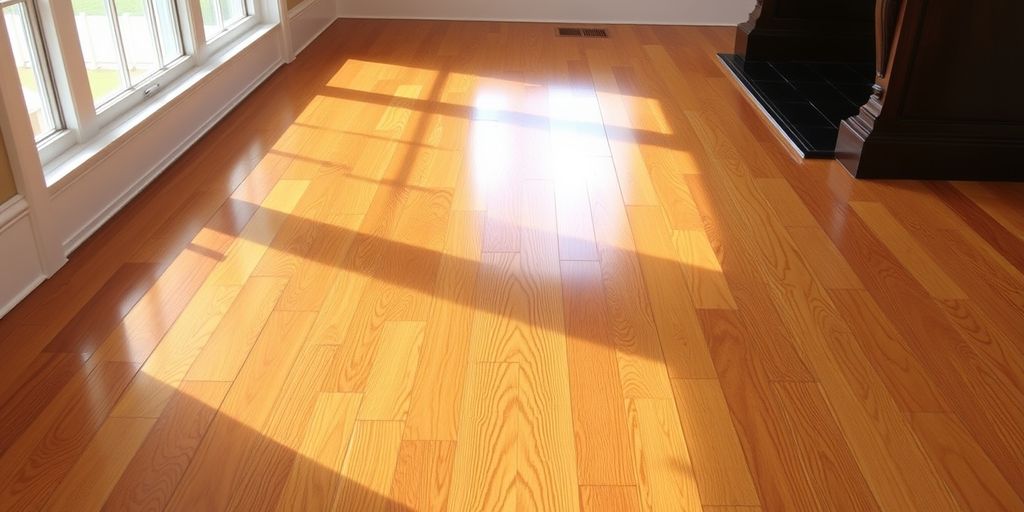
Polyurethane coating makes floors shiny and strong. It protects wood from scratches. Dust and spills do not harm the floor. This coating helps floors last longer. Sunlight does not fade the color. You can clean the floors easily. Water will not damage the wood. Polyurethane gives a smooth finish. Walking on the floor feels nice. This coating is very popular for floors. It makes floors look new for a long time. Applying multiple layers is smart. It adds more protection to the wood.
Choosing The Right Polyurethane
Applying three to four coats of polyurethane ensures durability for hardwood floors. Each layer adds protection against scratches and moisture. Allow each coat to dry completely before adding the next for best results.
Oil-based Vs Water-based
Oil-based polyurethanegives a warm look to floors. It is durable and easy to apply. It has a strong smell. Drying takes longer. Water-based polyurethanedries quickly. It is less smelly. It gives a clear finish to floors.
Considerations For Durability
Think about foot traffic. More traffic needs more layers. Two layersare often enough. Some choose three layersfor extra protection. Oil-basedlasts longer. It can handle wear and tear well. Water-basedmight need extra layers. It is less durable but looks modern.
Preparation Before Application
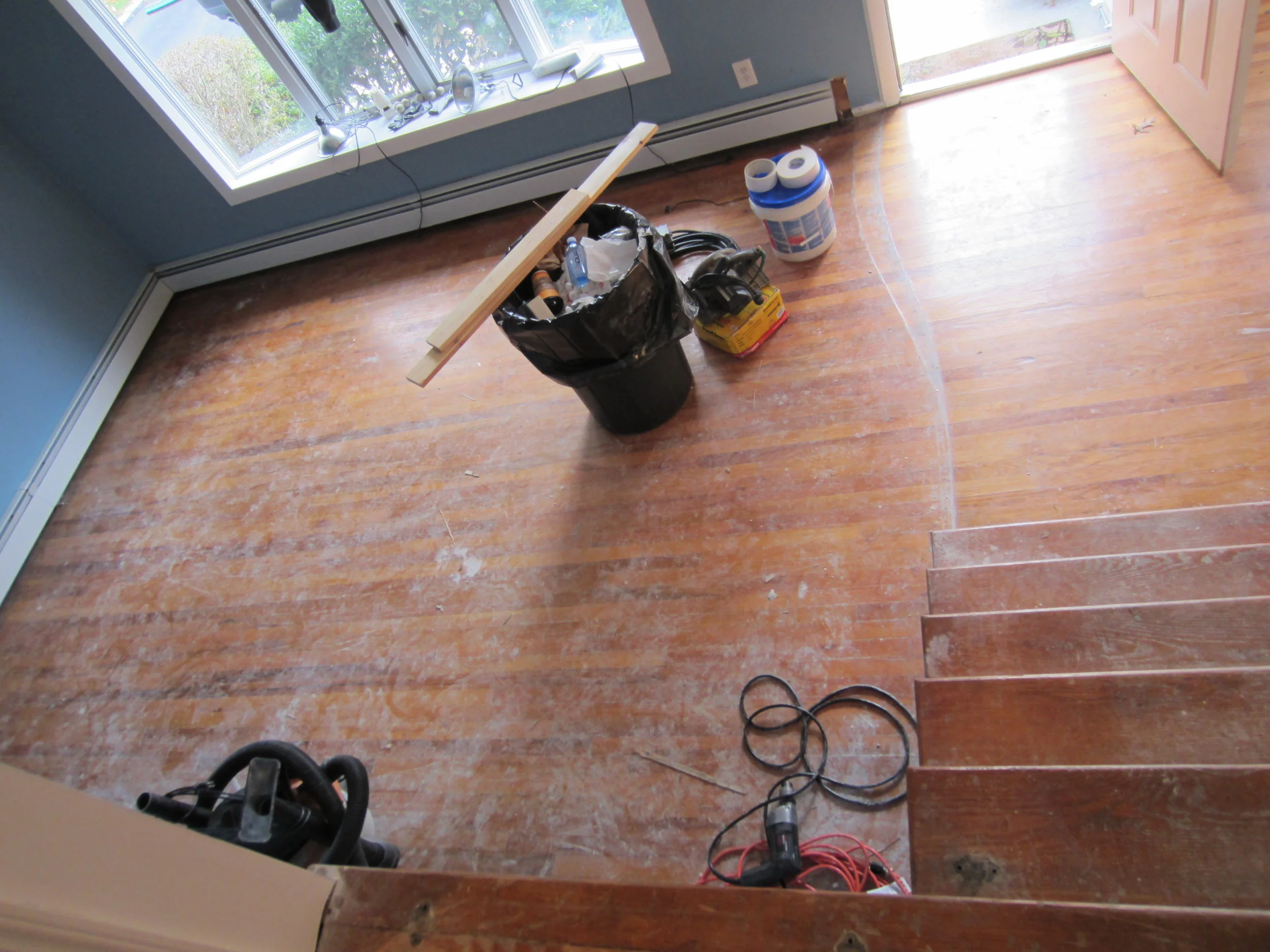
Start by sweeping the floor to remove dirt. Use a soft broom for this task. After sweeping, mop the floor with a damp cloth. The cloth should be slightly wet, not soaked. This helps in removing any leftover dust. Ensure the floor is dry before moving to the next step. This prevents damage to the wood.
Sanding makes the floor smooth. Use a fine sandpaper for best results. Sand the floor in the direction of the wood grain. Avoid sanding too hard. It can damage the wood. After sanding, clean the floor again. Remove any dust left from sanding. This helps the polyurethane to stick better.

Credit: www.reddit.com
Application Process Explained
You need some basic tools. A clean brush or roller works best. Use a paint tray too. Sandpaper is essential. A vacuum helps clean dust. A tack cloth is useful. Safety gear keeps you safe.
Start with cleaning the floor. Use a vacuum and a tack cloth. Sand the floor lightly. This helps the polyurethane stick. Clean the dust again. Now, pour the polyurethane into a paint tray. Use a brush or roller. Apply the first layer thinly. Let it dry well. Sand the dried layer gently. Clean the dust again. Apply the second layer the same way. Some floors need a third layer. Always sand and clean between layers.
Determining The Number Of Layers
The number of polyurethane layers depends on a few things. The type of wood affects how much polyurethane you need. Some woods soak up more than others. The desired finish also matters. A shiny floor might need more layers. The usage of the floor is important. Floors with heavy foot traffic need more protection. Lastly, the humidity levels in your area can change how many layers you need.
Most floors need at least two to three layers of polyurethane. For light traffic areas, two layers might be enough. If the floor gets a lot of use, consider adding a third layer. This helps to protect the floor. It keeps the wood looking nice and shiny for longer.
Credit: www.valentiflooring.com
Drying And Curing Time
Proper curingis key for a strong finish on floors. If not cured right, floors can get damaged easily. Curing makes floors hardand durable. It helps the finish last longer. Floors need time to cure properly. Rushing can lead to problems. Always wait until the floor is fully cured. This ensures the best results.
Good air flow helps the floor dry fast. Open windows if possible. Fans can also speed up drying. Keep room temperature warm. This helps the drying process. Avoid stepping on the floor while it dries. This keeps the finish smooth. Use less polyurethane for faster drying. Thin layers dry quicker than thick ones.
Maintaining Polyurethane Floors
Use a soft broom for dust. Wipe spills quickly with a damp cloth. Avoid harsh cleaners. They can damage the floor. Use a mild soap. Mix with warm water. Mop gently. Dry after mopping. This prevents water spots. Clean weekly for best results.
Heavy furniture can scratch floors. Use pads under furniture legs. This protects the surface. High heels can dent wood. Encourage guests to remove shoes. Sunlight fades colors. Use curtains to block direct sun. Rugs can add protection. Place them in busy areas.
Common Mistakes To Avoid
Applying too many polyurethane layers can lead to a cloudy finish on hardwood floors. Balancing the number of coats ensures durability and a smooth look. Common mistakes include ignoring drying time and uneven application.
Application Errors
Polyurethane needs careful application. Many make mistakes. Applying too much can cause issues. Bubbles might appear. Too little leaves floors unprotected. Each layer must be thin. Thick layers take longer to dry. Drying time is crucial. Rushing leads to problems. Floors must be clean before applying. Dust can ruin the finish. Use a good brush. Cheap brushes leave streaks. Follow instructions closely. Skipping steps can ruin your hard work.
Ignoring Manufacturer Guidelines
Guidelines are vital. They ensure best results. Some ignore them. This leads to bad finishes. Read instructions carefully. Different brands have different steps. Use recommended tools. Wrong tools can damage floors. Always use suggested products. Mixing brands can cause trouble. Proper ventilation is necessary. Fumes can be harmful. Safety is important. Wear masks if needed. Protect your health.
Expert Tips For Best Results
Polyurethane makes floors shine and last longer. Experts suggest using three to four layers. This gives the floor a strong shield. Each layer must dry before adding the next. This helps keep the floor looking new.
Some floors need more care. High traffic areas might need more layers. This keeps the floor safe from scratches. Always use a smooth brush for the best finish.
To keep floors shiny, clean them often. Use a soft mop. Avoid harsh cleaners that can harm the finish. Keep water away from wood. Water can damage the layers.
Place rugs in busy areas. This reduces wear and tear. Regular care helps the floor stay beautiful. Follow these tips for long-lasting floors.
Frequently Asked Questions
Can You Put Too Many Coats Of Polyurethane On Wood?
Yes, applying too many polyurethane coats can lead to a thick, uneven finish. Excessive layers may cause peeling or cracking. Typically, 2-3 coats are sufficient for a durable and smooth finish. Ensure proper drying and sanding between coats for best results.
How Long Do You Have To Wait To Put A Second Coat Of Polyurethane On?
Wait 24 hours before applying a second coat of polyurethane. Ensure the first coat is completely dry. Sand lightly between coats for a smooth finish. Humidity and temperature can affect drying times. Always refer to the product instructions for specific guidance.
Can You Put A Second Coat Of Polyurethane Without Sanding?
Applying a second coat of polyurethane without sanding may lead to poor adhesion. Sanding ensures better bonding and a smoother finish. Use fine-grit sandpaper to lightly sand the surface before applying the next coat for optimal results. Always clean thoroughly to remove dust before recoating.
Are Two Coats Of Poly Enough?
Two coats of polyurethane often provide sufficient protection for most surfaces. For high-traffic areas, consider three coats. Ensure each coat dries completely before applying the next. Lightly sand between coats for a smooth finish. Quality and application method can affect results, so adjust based on specific needs.
Conclusion
Choosing the right polyurethane layers is crucial for hardwood floors. It ensures durability and shine. Most floors need two to three layers for protection. Each coat adds strength and luster. Sand between coats for a smooth finish. This helps in bonding and even application.
Consider the floor’s use and foot traffic when deciding. High-traffic areas might need extra coats. Always let each layer dry properly. This prevents peeling and bubbles. Your floors will stay beautiful and last longer. Proper care and layering make a big difference.
Enjoy your glossy, protected hardwood floors!