How to Remove Sharpie from Hardwood Floor
To remove Sharpie from a hardwood floor, start with rubbing alcohol on a soft cloth for a sealed (polyurethane) finish, or a baking soda paste for a gentler approach on waxed floors. Always test on a hidden spot first, work gently, and stop if the finish starts to look cloudy. Fresh marks come off far more easily than ink that’s had time to sit.
Why Sharpie Stains Are Hard To Remove
Best For Restoring Shine After Cleaning
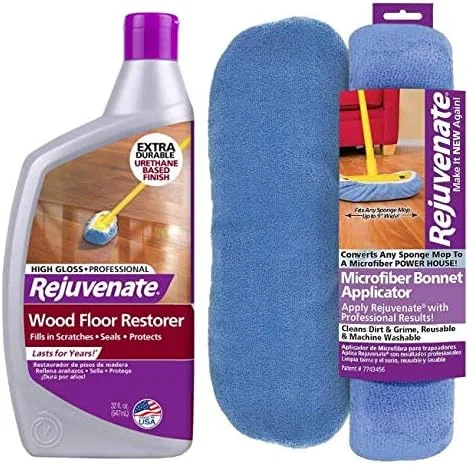 |
Rejuvenate Wood Floor Restorer & Polish, 32oz – $19.97 A mop-on polish that fills light scratches and restores shine to a sealed floor – useful for evening out any dulling left behind after scrubbing out a stain.
|
Sharpie ink is formulated to bond to surfaces permanently, using dyes and solvents that soak into anything porous – paper, unfinished wood, even the microscopic pores in some finishes. A floor with an intact polyurethane or wax coating has some protection, since the ink mostly sits on top of the finish rather than the wood itself, which is why fresh marks on a well-sealed floor usually come off with minimal effort. On unfinished, worn, or unsealed wood, the ink can soak in deep enough that full removal isn’t realistic without sanding.
Before You Start
- Test first. Try any cleaning method on a small, hidden spot – under a rug or a piece of furniture – before treating the visible stain.
- Clean the area first. Wipe away dust and grime with a damp cloth and dry it fully before applying any solvent.
- Go gentle before going strong. Start with the mildest method that might work and only move to stronger solvents if it doesn’t.
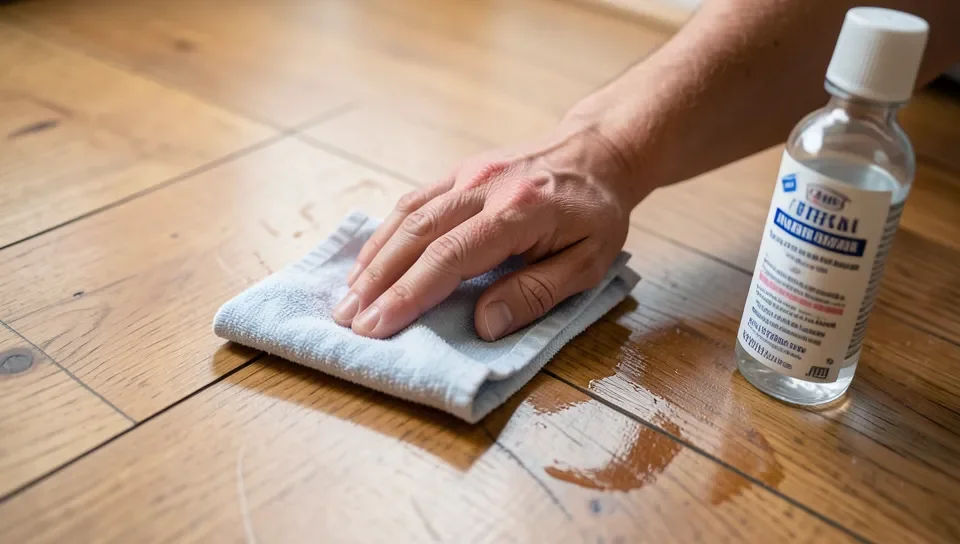
Method 1: Rubbing Alcohol (Best First Try On Sealed Floors)
- Dampen a soft cloth with 70% (or higher) isopropyl alcohol – don’t soak it.
- Rub the stain gently in small circles.
- Wipe with a dry microfiber cloth to remove residue.
- Repeat if needed, but stop if the finish starts to look cloudy or hazy.
This is usually the most effective first step on a sealed floor, and it’s gentle enough to try before anything more aggressive.
Method 2: Baking Soda Paste (Gentler, Works On Waxed Floors)
- Mix a tablespoon of baking soda with a few drops of water into a paste.
- Apply with a soft cloth and rub gently in small circles for about 30 seconds.
- Wipe clean with a damp cloth and dry the area.
Baking soda’s mild abrasiveness lifts ink without the solvent risk of alcohol or acetone, which makes it a safer option on a waxed finish – just don’t scrub hard enough to burnish the surface.
Method 3: Non-Gel White Toothpaste
- Apply a pea-sized amount of plain white (non-gel, non-whitening) toothpaste to a soft cloth.
- Rub gently over the stain for about a minute.
- Wipe off with a damp cloth, then dry and buff with a microfiber cloth.
The mild abrasives in plain toothpaste can lift light marks on a sealed finish. Skip this on a waxed floor – toothpaste can strip wax along with the stain.
Method 4: Acetone (Last Resort, Sealed Floors Only)
- Dip a cotton ball in a small amount of pure acetone or acetone-based nail polish remover.
- Dab (don’t rub hard) directly on the stain.
- Wipe immediately with a damp cloth and dry thoroughly.
Acetone is strong enough to strip finish along with the ink, so treat it as a last resort for a stain nothing else has touched – test on a hidden spot first, and expect some risk of dulling even with careful use. Never use it on a waxed or unfinished floor. Acetone is also the standard fix for spray paint overspray on hardwood – see the full guide to removing spray paint from hardwood floors for that specific method.
Method 5: Magic Eraser (Quick, But Abrasive)
- Dampen a melamine foam eraser slightly with water.
- Rub the stain gently for a few seconds.
- Wipe with a damp cloth and dry right away, checking for any dulling of the finish.
Works well for a light mark on a polyurethane finish, but the mild abrasive action can dull a waxed or delicate finish faster than the other methods – test first.
Comparing The Methods
| Method | Best For | Main Risk | Waxed-Floor Safe? |
|---|---|---|---|
| Rubbing Alcohol | Fresh stains, sealed floors | Can dull finish if overused | Use with care |
| Baking Soda Paste | Stubborn stains, any finish | Takes more effort | Yes |
| Toothpaste | Light stains, sealed floors | Not for waxed floors | No |
| Acetone | Deep, stubborn stains (last resort) | Can strip finish | No |
| Magic Eraser | Light stains, sealed floors | Abrasive, may dull finish | Use with care |
After The Stain Is Gone
Once the ink is off, a thin layer of floor polish or wax matched to your finish type restores any shine lost during cleaning – follow the product’s directions rather than guessing at the amount. Placing a rug or mat over high-traffic areas near craft or homework spaces reduces the odds of a repeat mark going forward.
Preventing The Next One
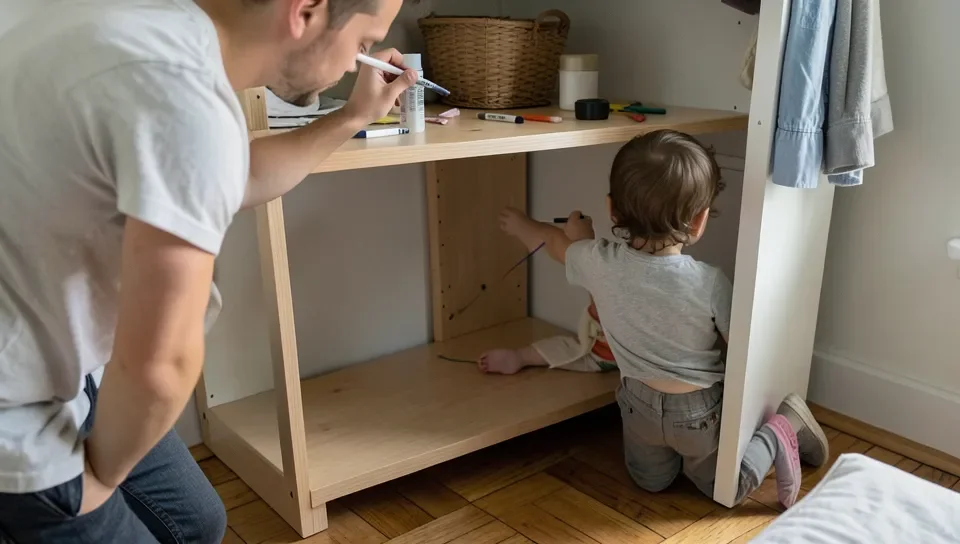
- Store permanent markers out of reach of young kids.
- Use washable markers for craft projects done near hardwood.
- Put down a drop cloth or mat during art activities.
- Reseal floors periodically per your finish manufacturer’s schedule – a fresh seal coat gives ink less to grip.
If The Stain Won’t Budge
If none of the above fully removes the mark – common on unfinished or deeply worn wood where the ink has soaked in – light sanding (around 220-grit) followed by refinishing that spot is the remaining option. Matching a spot repair to the surrounding finish is easy to get visibly wrong, so this is a reasonable job to hand to a flooring professional if you’re not experienced with refinishing.
Frequently Asked Questions
Can I Use Vinegar To Remove Sharpie From Hardwood Floors?
It’s not recommended. Vinegar is acidic and can dull or etch a polyurethane or wax finish over time. Rubbing alcohol or a specialized wood-safe cleaner are safer choices.
Will These Methods Work On Unfinished Hardwood?
Unfinished wood is more porous, so Sharpie ink sinks in deeper and is harder to fully remove. Rubbing alcohol or a baking soda paste can help, applied gently, but a stain that’s soaked into bare wood may need light sanding and a fresh coat of finish to fully disappear.
How Do I Know If My Floor Is Sealed Or Waxed?
Wipe a small, hidden area with a damp cloth. A sealed (polyurethane) finish stays shiny and doesn’t absorb the water. A waxed finish feels slightly softer and can look duller or hazy where it’s wiped. When in doubt, test any cleaner in that same hidden spot first.
What If I Accidentally Dull The Finish While Cleaning?
A light dulling from over-scrubbing can often be evened out with a wood floor polish made for your finish type, applied per the product’s instructions. If the dulling is deep or the wood looks scratched through the finish layer, that spot may need professional spot-refinishing instead.
Conclusion
Start with the gentlest method that fits your floor’s finish – rubbing alcohol or baking soda paste for most sealed and waxed floors – and reserve acetone for a stubborn stain nothing else has touched. Test in a hidden spot first, work gently, and a fresh coat of polish afterward restores any shine lost along the way.
Sponsored / affiliate links. As an Amazon Associate I earn from qualifying purchases. I may earn additional commission from eligible campaigns.