How Much are Hardwood Floors Installed Per Square Foot: Unveiling Costs
Are you considering giving your home a timeless makeover with hardwood floors? You’re not alone.
Many homeowners dream of the elegance and durability that hardwood flooring brings. But before you leap into this stylish upgrade, a pressing question remains: how much will it cost you per square foot to have these floors installed? The answer can vary widely, influenced by factors like the type of wood, installation complexity, and your geographic location.
Understanding these variables can feel overwhelming, but don’t worry—this article is here to break it down for you in a simple, straightforward way. Discover the secrets to getting the best value for your investment while ensuring your floors are installed with care and precision. Dive in to find out how you can transform your space without breaking the bank!

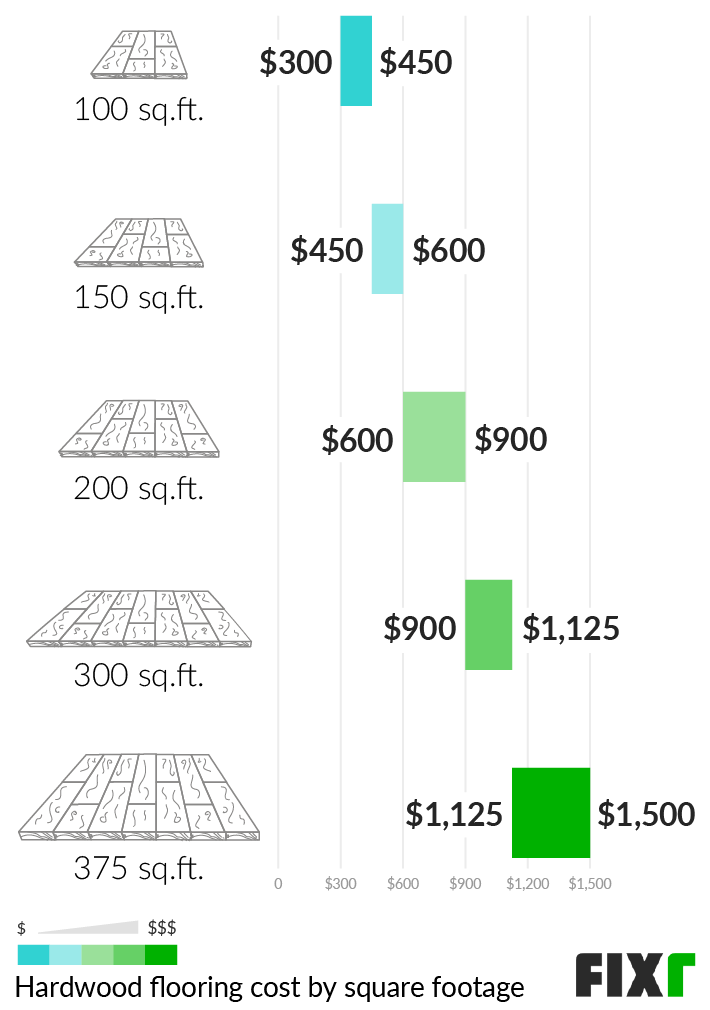
Credit: www.fixr.com
Factors Influencing Installation Costs
Different types of hardwood have different prices. Oak and maple are common choices. Exotic woods like teak are more expensive. The cost depends on the wood quality. High-quality wood costs more. Choose wood that fits your budget.
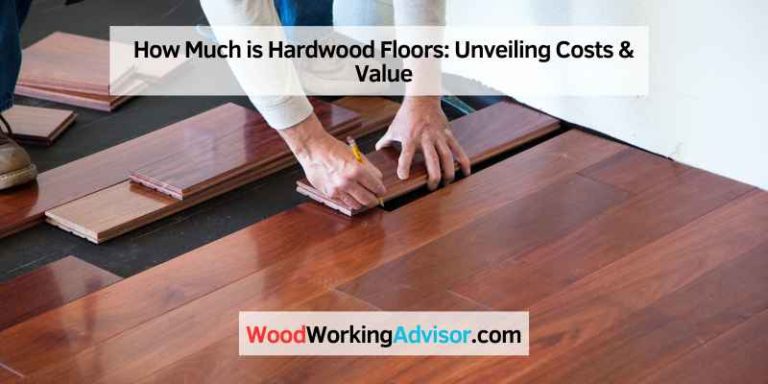
There are several methods to install floors. Nail-down is a popular method. Glue-down is another option. Each method has different costs. Nail-down is usually cheaper. Glue-down might cost more. Choose the method that suits your needs.
Prices vary in different areas. Urban areas might have higher costs. Rural areas might be cheaper. Local demand affects the price. Check prices in your area. Compare before deciding.
Labor costs are important. Skilled workers charge more. Less experienced workers might be cheaper. Quality work needs skilled labor. Consider your budget for labor. Balance cost and quality for the best results.
Comparing Solid Vs. Engineered Hardwood
Solid hardwood is usually more expensivethan engineered wood. The price can range from $5 to $15 per square foot. Engineered hardwood might cost between $3 and $10 per square foot. Solid wood uses more natural material, which adds to the cost. Engineered wood has layers and uses less natural wood.
Solid wood is very durableand can last many years. It can be refinished several times. Engineered wood is also strong but may not last as long. It can be refinished once or twice. Both types need regular cleaningand care. Solid wood may need more attention.
Solid hardwood installation can be complex. It requires precise fitting and nailing. Engineered wood is easier to install. It might only need glue or a simple click system. Installation costs can add up. Solid wood might need professional help. Engineered wood can be a DIY project.
Breakdown Of Material Expenses
Hardwood Pricingcan vary. Basic wood may cost $3 to $5 per square foot. Exotic wood can reach $15 or more. Choose based on style and budget.
Underlayment and Adhesivesare crucial. They help reduce noise and cushion the floor. Expect to spend $1 to $2 per square foot for these materials. Quality matters here. Better materials last longer.
Additional Accessoriesinclude trims and moldings. These complete the look. They match the floor and protect edges. Budget about $1 to $3 per square foot for these items. Costs depend on style and wood type.
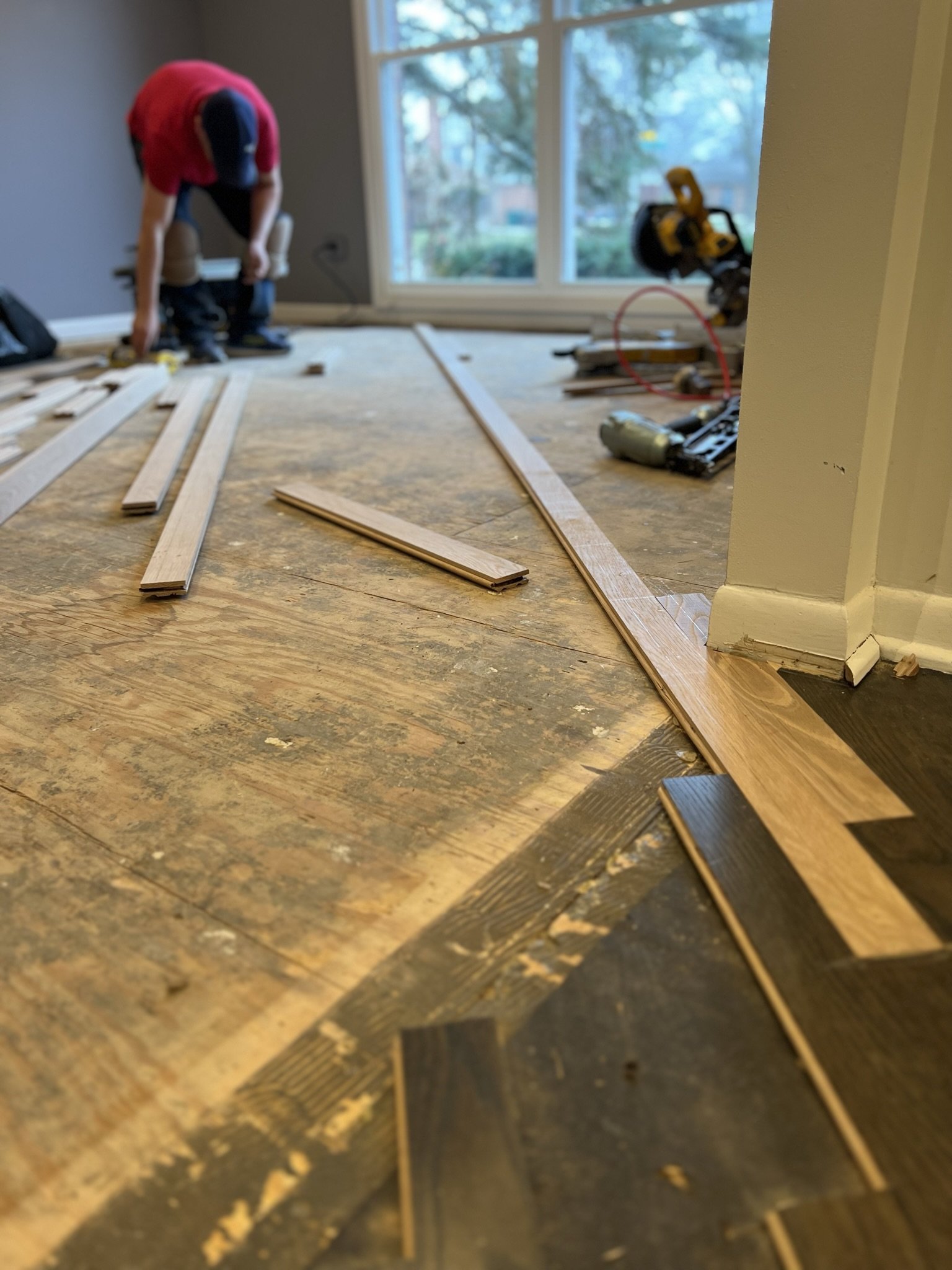
Credit: www.plushardwoodflooring.com
Understanding Labor And Professional Fees
Labor costs can change a lot. Hourly rates for flooring jobs are key. Some installers charge by the hour. Rates can range from $20 to $50 per hour. This depends on the region and installer skill.
The size of the project affects costs. Smaller projects might cost more per square foot. Larger projects could be cheaper per square foot. Installers often give discounts for big jobs.
Installer experience matters. Experienced installers might charge more. But, they often work faster and better. New installers may cost less but could take longer. Choose wisely for the best results.
DIY Vs. Professional Installation
DIY can save money. You buy the materials and do the work. Professional installers charge for labor. This adds to the total cost. DIY might cost less overall. You could save on labor fees. Yet, mistakes can be costly. Fixing errors might increase expenses. Think carefully about your skills and budget.
Installing floors needs specific skills. Professionals have experience. They know the best techniques. DIY requires learning these skills. You need to measure, cut, and fit wood correctly. Mistakes can lead to problems. Consider your ability to handle tools. If unsure, hire a professional.
DIY projects take time. You must plan and prepare. Professionals work faster. They have the right tools. DIY might take days or weeks. Plan your time wisely. Consider how much time you have. Hiring a pro might save time. Think about your schedule before deciding.
Additional Costs To Consider
Consider extra expenses like underlayment, floor removal, and finishing. These can increase the overall installation cost. Budget wisely to avoid surprises.
Floor Preparation
Before installing hardwood floors, proper preparation is crucial. Old flooring may need removal, which adds to costs. Leveling the subfloor is essential for smooth installation. Uneven surfaces can lead to future problems. Subfloor repairs might be necessary, increasing expenses. Ensure the subfloor is clean and dry. Moisture barriers help prevent damage.
Waste Disposal
Installing hardwood floors creates waste. Old flooring materials need disposal. This may require a dumpster rental. Waste removal fees can add up. Consider recycling materials to save money. Some companies offer eco-friendly disposal options. Proper disposal is vital for environmental health.
Post-installation Finishing
Once floors are installed, finishing touches are needed. Sanding smooths the surface. Staining adds color and protection. Sealing ensures durability against moisture and wear. Finishing enhances the floor’s appearance. Professional finishing services might be required for best results. Costs vary based on the finish type and area size.
Ways To Save On Installation Costs
Buying lots of woodat once can save money. Many stores offer discountsfor bulk purchases. You can plan aheadand buy more for future use. This way, you spend less per square foot.
Install floors when demand is low. Fewer people buy during off-seasons. Contractors might charge lessduring these times. You save money and get quicker service.
Talk with your contractor about prices. Some may offer deals if you ask. Being friendly and clear can help. Make sure to comparedifferent contractors. Choose one that fits your budget.
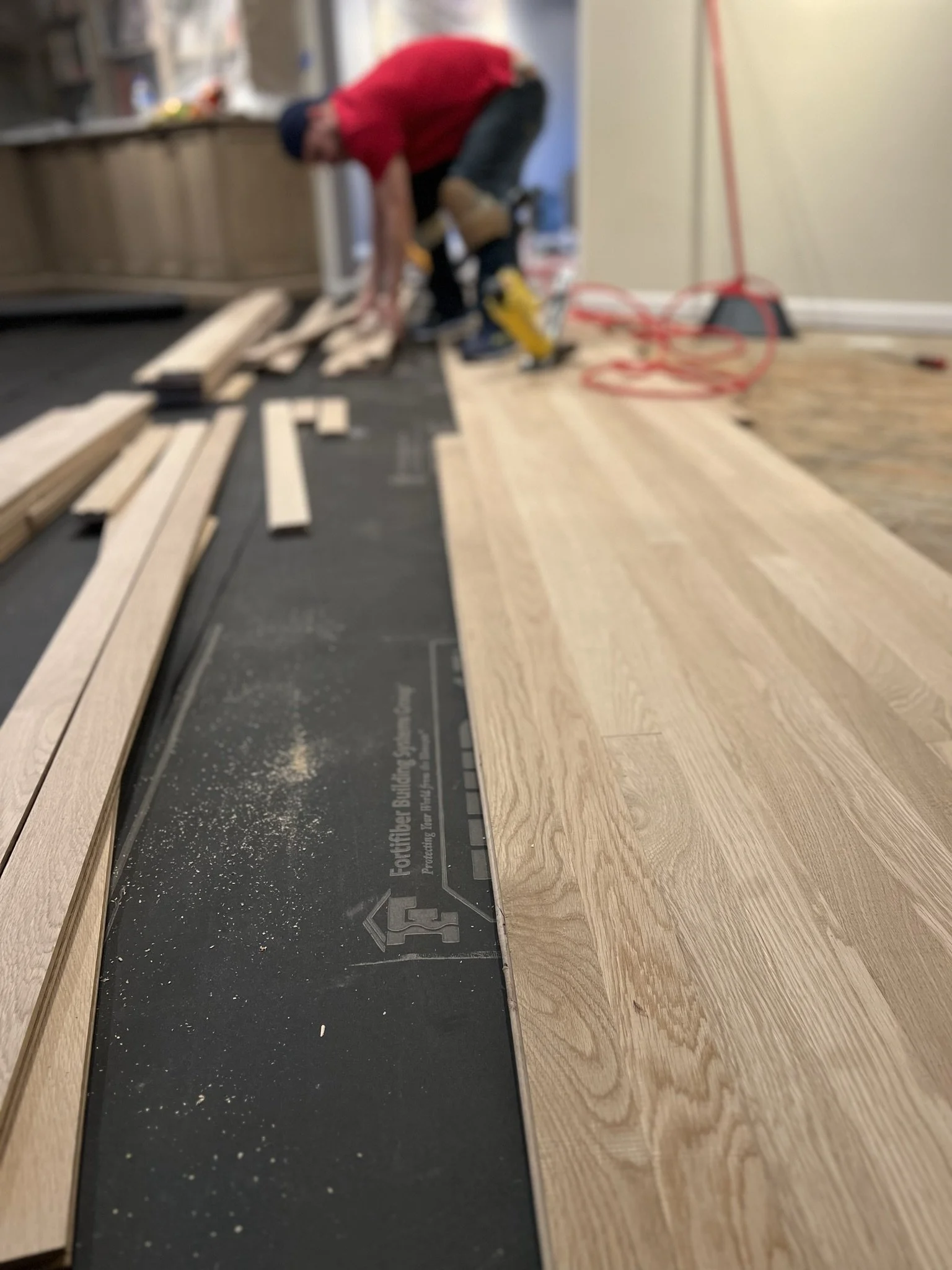
Credit: www.plushardwoodflooring.com
Long-term Value Of Hardwood Flooring
Hardwood floorsmake homes more valuable. Buyers love them. These floors look classy and neat. People pay more for homes with hardwood floors. They last long and stay beautiful for years. This makes them a good choice.
Hardwood floors are very strong. They do not wear out easily. Families can walk on them a lot. They still look great. With proper care, they can last for decades. Scratches can be fixed easily. This makes them a smart investment.
These floors look very pretty. They come in many colors and styles. They match any room decor. Homes with hardwood floors feel warm and welcoming. Guests often admire their beauty. A room with hardwood feels cozy and elegant.
Frequently Asked Questions
What Is The Average Cost Of Hardwood Floor Installation?
The average cost of hardwood floor installation per square foot ranges from $6 to $12. This includes materials and labor. Prices vary based on wood type, location, and installation complexity. Always get multiple quotes for the best deal.
Does Wood Type Affect Installation Cost?
Yes, wood type significantly affects installation cost. Exotic woods like Brazilian cherry or mahogany are pricier. Common choices like oak or maple are more affordable. Each wood type offers unique aesthetics and durability.
Are There Additional Costs For Hardwood Floor Installation?
Additional costs can include subfloor preparation, removal of old flooring, and installation of baseboards. These can add $1 to $3 per square foot. Always inquire about potential extra charges before starting your project.
How Long Does Hardwood Floor Installation Take?
Hardwood floor installation typically takes 1 to 5 days, depending on the area size and complexity. Factors like moisture levels and acclimation time can affect the timeline. Proper planning ensures a smoother, faster installation process.
Conclusion
Choosing hardwood floors enhances any home’s elegance and value. Installation costs vary, typically between $6 and $12 per square foot. Factors like wood type, labor, and location affect prices. Always compare quotes from different contractors. This ensures you get the best deal.
Consider maintenance needs too. Hardwood floors last long but require care. Budget for this in your decision-making process. With these insights, you can plan better and make informed choices. Your dream floor is within reach. Enjoy the timeless beauty of hardwood in your home.