Refinishing a Wood Floor Yourself: Real Cost, Steps and What to Skip
Refinishing hardwood floors costs $3 to $8 per square foot professionally (about $900 to $2,400 for a 300 sq ft room), or roughly $1 to $2 per square foot in materials if you rent equipment and do it yourself. The real number for your project depends on one thing most cost guides skip: whether your floor needs a full sand-down to bare wood, or just a lighter recoat — the price difference between those two jobs is often 3–4x.
Recoat, Refinish, or Restain? These Are Different Jobs at Different Prices
Best For DIY Topcoats
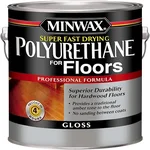 |
Minwax Super Fast-Drying Polyurethane, Clear Gloss, 1 Gallon – $64.98 Covers roughly 400–600 sq ft per coat and recoats in about 2 hours, which is what makes a 2–3 coat DIY schedule realistic in a weekend.
|
People searching for “refinishing” or “restaining” cost are often asking about three genuinely different jobs, and pricing them all the same way is where most cost estimates go wrong:
| Job | What Happens | Cost per Sq. Ft. |
|---|---|---|
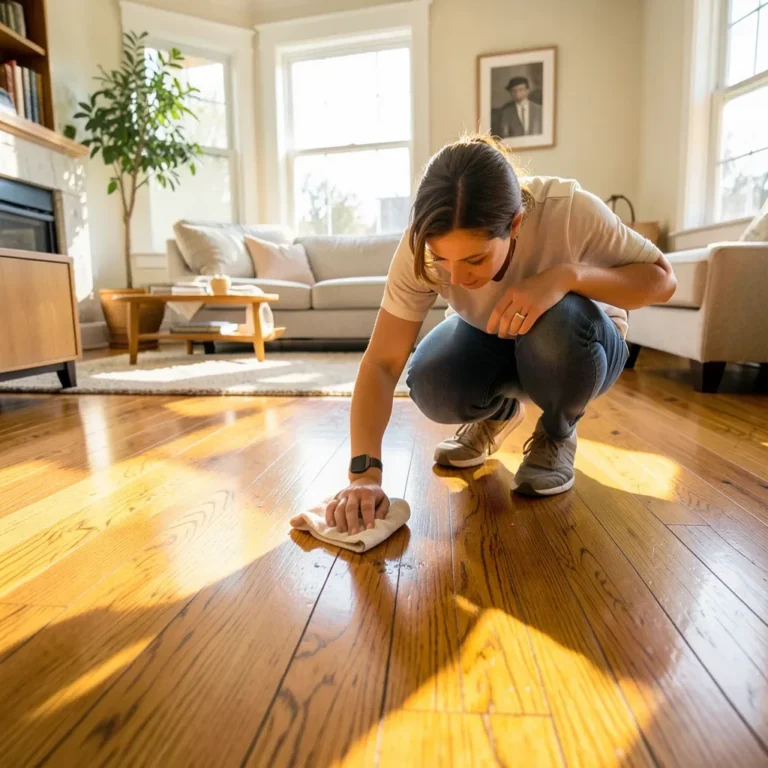
| Screen & recoat | Light buffing of the existing finish (no sanding to bare wood), then one new topcoat. Same color. | $1 – $3 |
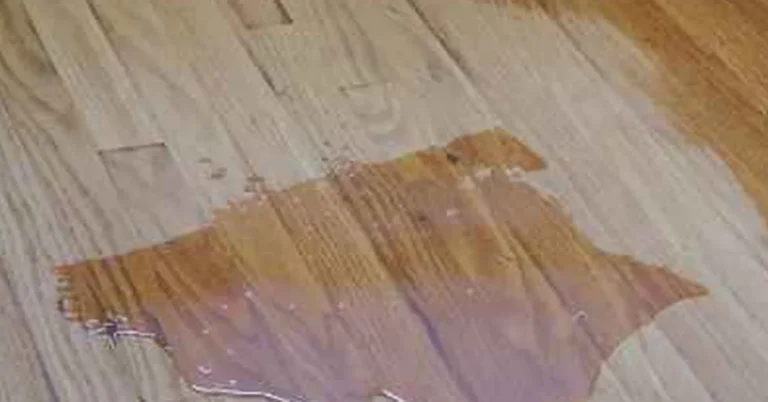
| Full sand & refinish | Sanding down to bare wood to remove all old finish and scratches, then new stain and 2–3 topcoats | $3 – $8 |
| Restain (color change) | Same as a full refinish, but always requires sanding to bare wood first — you cannot change a floor’s color without removing the old finish | $3 – $8 |
| Replace | Tear out and install new hardwood | $8 – $20+ |
The practical takeaway: if your floor just looks dull or lightly scuffed but the color is fine, ask a contractor about a screen-and-recoat instead of a full refinish — it’s a fraction of the cost and skips the dust and time of sanding to bare wood. If you want a different stain color, there’s no shortcut; that always means a full sand-down.
What Drives the Price Within Each Job Type
- Room size: A 300 sq ft room at $3–8/sq ft for a full refinish runs roughly $900–$2,400. Larger jobs often get a slightly lower per-square-foot rate since setup and equipment time gets spread over more area.
- Floor condition: Deep scratches, pet stains, or water damage need extra sanding passes or board replacement, which can add $200–$1,000 to a job.
- Wood species: Common domestic species like red or white oak sand and finish predictably at the base rate. Denser exotic species (Brazilian cherry, ipe) or softer species (pine, which absorbs stain unevenly) both tend to add $1–3/sq ft for the extra care required.
- Finish type: Water-based polyurethane costs more per gallon but dries in hours with low odor. Oil-based polyurethane is cheaper and slightly more durable but takes 8–24 hours between coats and has a strong odor during application.
- Location: Labor rates in major metro areas typically run 20–40% higher than the national average quoted above.
Hidden Costs to Ask About Upfront
Get these itemized in any professional quote before work starts: furniture moving ($50–$200), replacing individual damaged boards ($100–$300), baseboard/quarter-round removal and reinstall if the contractor needs full edge access, and dust containment (dustless sanding systems typically add $0.50–$1 per sq ft but save significant cleanup time afterward).
DIY: What It Actually Takes
- Clear and prep the room — remove furniture, rugs, and vacuum thoroughly.
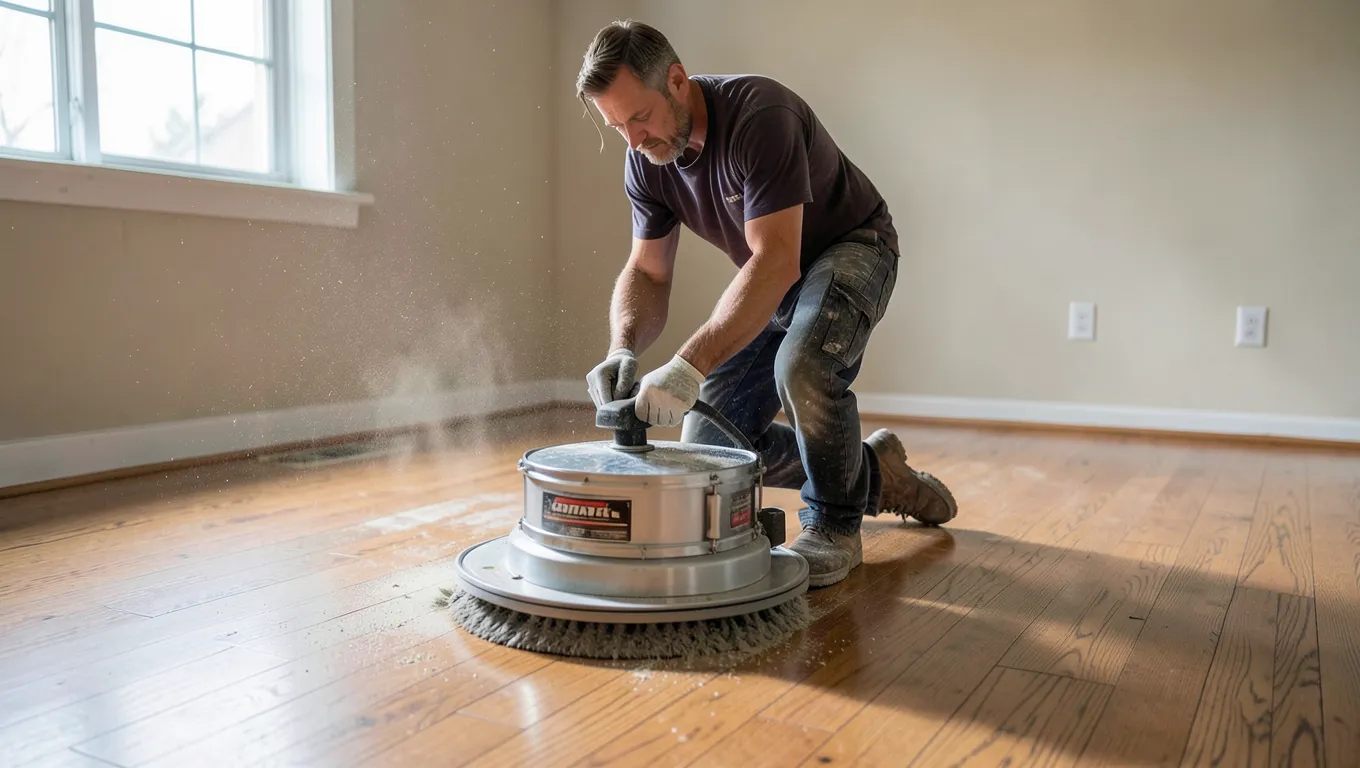
- Rent a drum or orbital sander ($30–$50/day) and sand in the direction of the grain, working through progressively finer grits (36, 60, 100).
- Vacuum and tack-cloth the floor completely — leftover dust is the #1 cause of a gritty final finish.
- Apply stain if changing color, testing on an inconspicuous spot or scrap first, since the same stain looks different on different wood species.
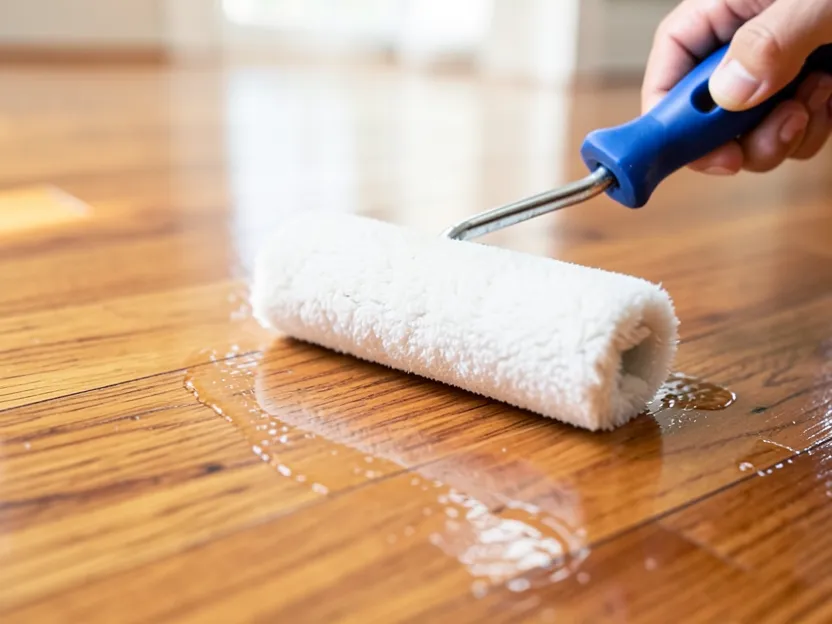
- Apply 2–3 coats of polyurethane, lightly scuff-sanding with fine (220-grit) paper between coats, allowing full manufacturer-recommended dry time.
Budget $200–$500 in materials and equipment rental for a typical room, and plan for a full weekend — sanding, staining, and multiple finish coats with dry time between each rarely compresses into a single day.
| Item | Typical Cost |
|---|---|
| Drum or orbital sander rental | $30 – $50/day |
| Sandpaper (assorted grits) | ~$20 |
| Stain (if changing color) | $20 – $40/gallon |
| Polyurethane | $30 – $65/gallon |
| Applicators, tack cloths, vacuum bags | $15 – $35 |
Professional vs. DIY, Side by Side
| Factor | Professional | DIY |
|---|---|---|
| Cost (300 sq ft, full refinish) | $900 – $2,400 | $200 – $500 |
| Time | 1 – 2 days | Full weekend, sometimes longer |
| Result consistency | Even sanding, no swirl marks | Depends heavily on technique and patience |
| Resale/insurance considerations | Some warranties/inspections prefer licensed work | No formal warranty |
Common Mistakes That Add Cost or Redo Work
- Skipping the tack-cloth step — dust trapped under the finish shows up as a gritty texture that only sanding it back off will fix.
- Rushing dry time between coats — recoating too soon causes the new layer to lift or stay tacky, especially with oil-based finishes.
- Using worn sandpaper — dull abrasive burnishes the wood instead of cutting it cleanly, which makes stain absorb unevenly afterward.
Frequently Asked Questions
How much does it cost to refinish hardwood floors?
Professional full refinishing runs $3 to $8 per square foot, or roughly $900 to $2,400 for a 300 sq ft room. DIY materials and equipment rental typically total $200 to $500 for the same space. A lighter screen-and-recoat job, which skips sanding to bare wood, costs significantly less at $1 to $3 per square foot.
Can I refinish my floors myself?
Yes. With a rented drum or orbital sander, stain, and polyurethane, most people can refinish a room over a weekend. The learning curve is in sanding evenly (avoid digging in at the edges) and giving each finish coat its full dry time before the next.
How long does refinishing take?
Professionals typically finish a room in 1 to 2 days. DIY usually takes a full weekend once you account for sanding, staining, and 2 to 3 finish coats with drying time between each.
What’s the best finish for hardwood floors?
Water-based polyurethane dries fast (often recoatable in 2–4 hours) with low odor, but costs more per gallon. Oil-based polyurethane is cheaper and slightly more abrasion-resistant but takes 8–24 hours between coats and has a stronger odor during application.
How often should I refinish my floors?
Solid hardwood can typically be sanded and refinished 5 to 7 times over its lifetime, roughly every 7 to 10 years depending on wear. Engineered hardwood has a much thinner wear layer and usually tolerates only 1 to 3 refinishes before the veneer is too thin to sand further.
Is refinishing worth it compared to replacing?
Almost always, if the existing floor is solid hardwood in decent structural condition. Refinishing costs a fraction of full replacement ($3–8/sq ft vs. $8–20+/sq ft) and reuses the existing wood rather than sending it to a landfill.
Can I stay home during refinishing?
Yes, though ventilation matters, especially with oil-based finishes. Open windows and use fans to circulate air, and expect a noticeable odor for the first day or two. Dustless sanding systems make staying home considerably more comfortable if you have respiratory sensitivities.
Conclusion
Get an honest read on which job you actually need — a light recoat, a full sand-and-refinish, or a color-changing restain — before comparing quotes, since those three jobs span a 3–4x price range on the exact same floor. For most rooms in reasonable condition, budget $3–8 per square foot professionally or $200–500 in materials if you’re doing it yourself over a weekend.
Sponsored / affiliate links. As an Amazon Associate I earn from qualifying purchases. I may earn additional commission from eligible campaigns.