Is Douglas Fir a Hardwood or Softwood? (Janka Hardness Explained)
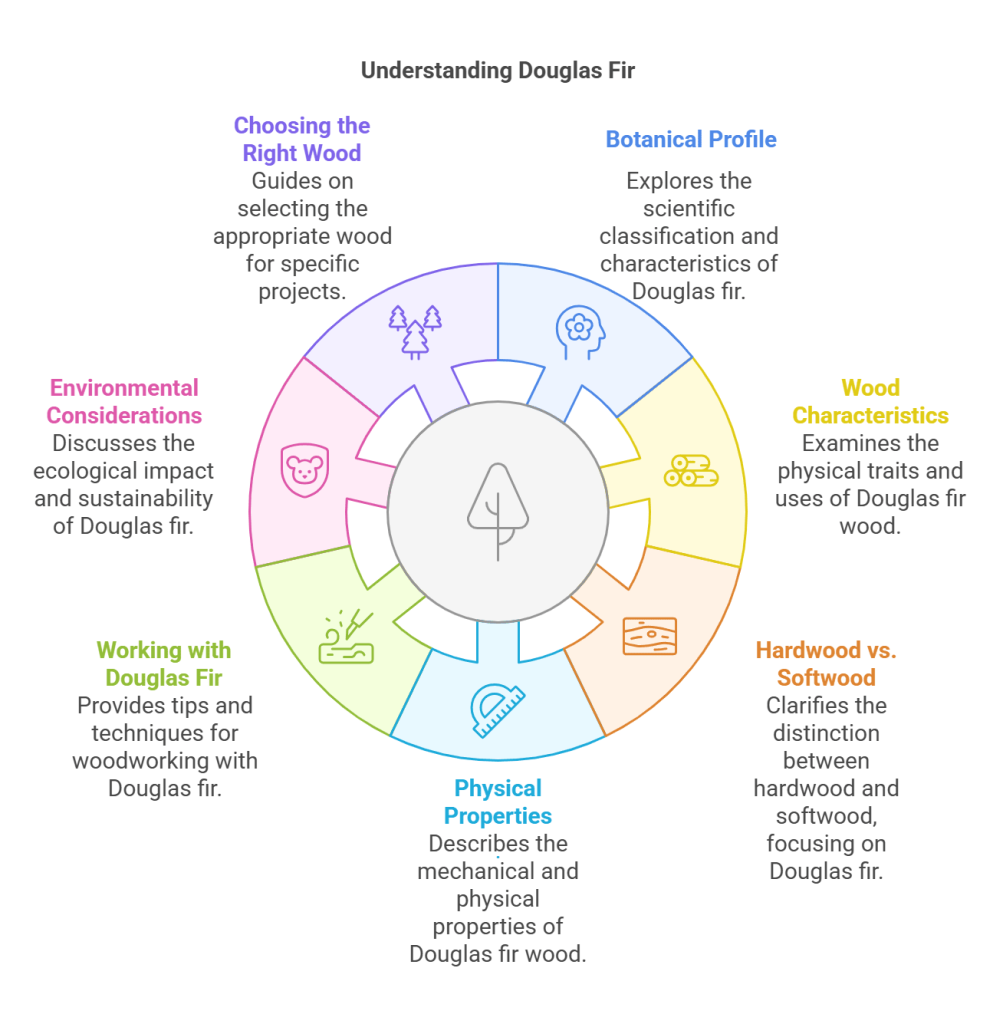
Douglas fir is botanically a softwood — it’s a cone-bearing conifer, not a broadleaf tree — even though it ranks among the hardest and strongest softwoods sold in North America. Get the classification wrong and you might pass over the best framing and structural lumber species available, or overpay for a “hardwood” upgrade you don’t actually need. This guide covers why the hardwood/softwood split has nothing to do with hardness, what Douglas fir’s real Janka rating and density are, and where it beats true hardwoods on the jobsite.
Is Douglas Fir a Hardwood or a Softwood?
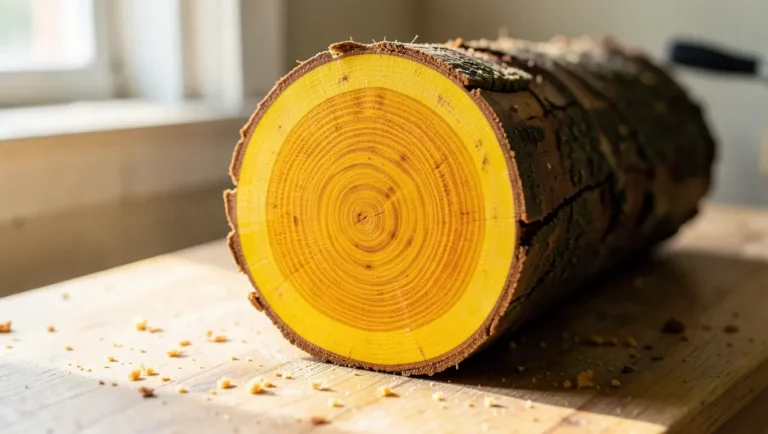
Douglas fir (Pseudotsuga menziesii) is a softwood. It’s a gymnosperm — a cone-bearing, needle-leaved conifer — and every gymnosperm is classified as a softwood regardless of how dense or hard its wood actually is. Hardwoods, by contrast, are angiosperms: broadleaf, flowering trees like oak, maple, and walnut that typically lose their leaves in the fall.
That single fact trips up a lot of buyers, because “softwood” sounds like a warning label for weak lumber. It isn’t. The hardwood/softwood system is a botanical classification based on how a tree reproduces and grows, not a rating of how hard the wood is.
Why “Hardwood” and “Softwood” Don’t Mean What You Think
The clearest way to see the disconnect is to compare two extremes. Balsa wood comes from a broadleaf, flowering tree — so it’s technically a hardwood — yet it’s one of the softest woods on earth. American chestnut is also a true hardwood, and it’s still softer than Douglas fir. Meanwhile Douglas fir, a softwood, is dense and stiff enough to be the default structural framing species across North America.
📊 On the Janka hardness scale, balsa (a hardwood) rates about 70 lbf, American chestnut (also a hardwood) rates about 540 lbf, and Douglas fir (a softwood) rates about 660 lbf — harder than both. — Source: Janka Hardness Test, Wikipedia
Douglas Fir Tree: Botanical Profile
Despite the name, Douglas fir isn’t a true fir — true firs belong to the genus Abies, while Douglas fir sits in its own genus, Pseudotsuga, within the pine family (Pinaceae). Its full scientific name is Pseudotsuga menziesii.
The tree is native to the Pacific Northwest and the Rocky Mountains, where it can reach heights over 300 feet and live for more than 1,000 years in old-growth conditions — among the tallest and longest-lived conifers in North America. Those growth characteristics (fast vertical growth, long straight trunks with minimal taper) are also why the lumber industry gets such long, knot-free structural boards from it.
Douglas Fir’s Physical Properties: Density, Hardness & Strength
Douglas fir has a dry weight of roughly 32 to 41 pounds per cubic foot, putting it among the densest commercial softwoods — denser than pine, spruce, or hemlock. Its Janka hardness of about 660 lbf means it resists dents and wear noticeably better than the softer construction-grade softwoods it’s often grouped with.
What matters more for structural work is stiffness, not just surface hardness. Douglas fir has a high strength-to-weight ratio and a high modulus of elasticity (bending stiffness) for its weight class, which is exactly why it’s graded and stamped for load-bearing framing, beams, and glulam rather than sold mainly as a decorative wood.
| Species | Classification | Janka Hardness (lbf) | Typical Use |
|---|---|---|---|
| Balsa | Hardwood | ~70 | Model building, floats |
| American Chestnut | Hardwood | ~540 | Furniture, trim (historic) |
| Douglas Fir | Softwood | ~660 | Framing, beams, glulam |
| Red Oak | Hardwood | ~1,290 | Flooring, furniture |
Common Uses for Douglas Fir
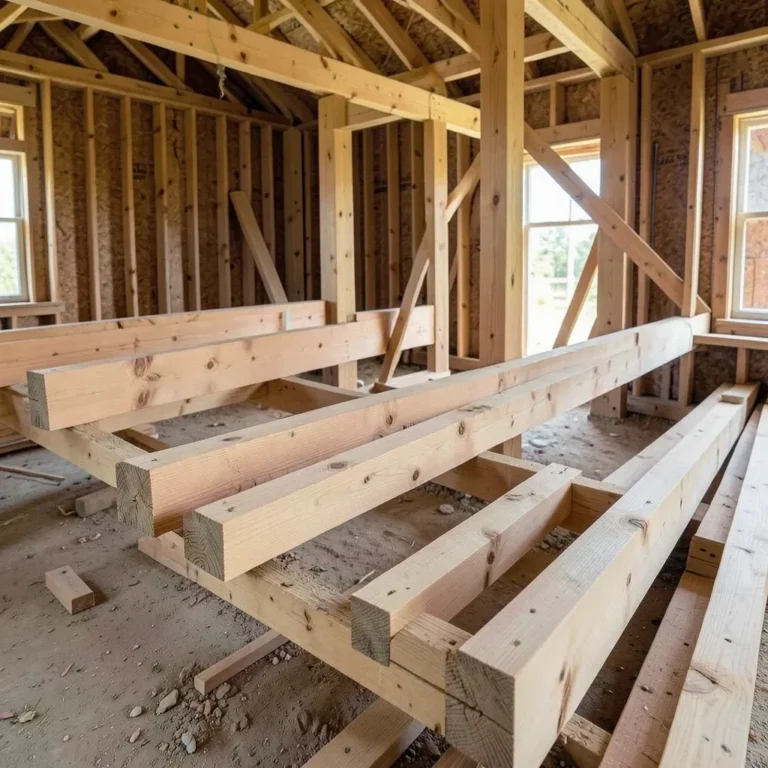
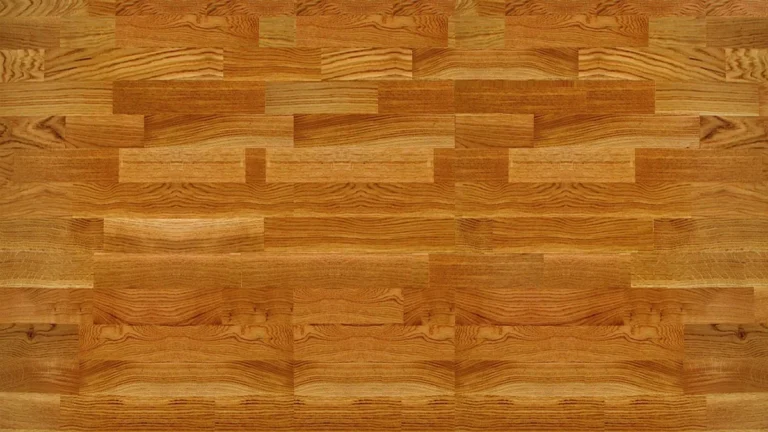
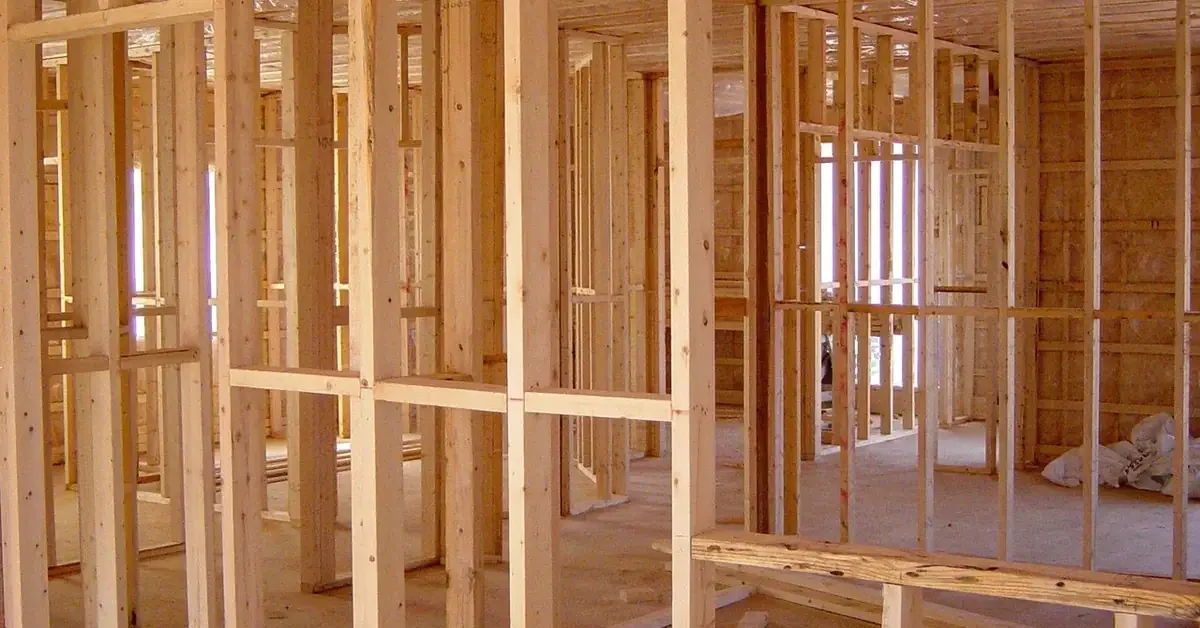
Douglas fir’s combination of stiffness, strength, and availability makes it the backbone of North American light-frame and timber-frame construction. It’s milled into dimensional framing lumber, engineered glulam beams, roof trusses, and plywood, and it also shows up in flooring, stair treads, and furniture where its straight grain and warm color are wanted on display.
Outdoors, Douglas fir holds up reasonably well thanks to natural decay resistance in the heartwood, but it isn’t rot-resistant the way cedar or pressure-treated lumber is — any exterior use (decking, fencing, exposed framing) needs a quality sealer or stain to block moisture, or the wood will check, gray, and eventually soften at the surface.
Best Sealer for Douglas Fir
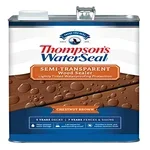 |
Thompson’s WaterSeal Semi-Transparent Stain & Sealer – $28.98 Since Douglas fir isn’t naturally rot-resistant outdoors the way cedar is, exterior framing, fencing, and decking built from it need a waterproofing stain like this one to stop moisture damage.
|
Douglas Fir vs. Cedar for Outdoor Projects
Cedar and Douglas fir are both softwoods, but they behave very differently outdoors. (See how cedar’s own hardwood/softwood classification breaks down, including its natural rot resistance.) Cedar’s heartwood contains natural oils called thujaplicins that actively resist rot, decay fungi, and insects, which is why it can be left unsealed for years with minimal damage. Douglas fir has no equivalent natural preservative — its decay resistance is modest at best — so unsealed Douglas fir left exposed to weather will check, gray, and soften noticeably faster than cedar in the same conditions.
The tradeoff is cost and strength: Douglas fir is typically less expensive than cedar and offers better structural stiffness, so it remains the better pick for load-bearing outdoor framing (deck substructure, pergola posts) as long as it’s properly sealed, while cedar is often preferred for the exposed decking boards and fencing where its natural rot resistance and lighter weight matter more than raw strength.
For projects that sit directly in water, such as dock pilings or pond-adjacent decking, cypress is worth considering alongside cedar — it’s another conifer that’s botanically a softwood despite unusually strong rot resistance, and it’s the traditional choice for structures that stay wet far longer than typical fencing or decking.
Working With Douglas Fir
Douglas fir machines cleanly and holds nails and screws well, but its alternating hard and soft grain bands (the dense latewood next to softer earlywood) mean a dull blade will tear out the soft rings before it cuts the hard ones. A sharp carbide-tipped blade and a slower feed rate keep cuts clean instead of fuzzy.
For finishing, a clear polyurethane coat works well indoors, and if you’d rather paint than stain, see our guide to painting Douglas fir wood for surface prep tips specific to its grain. Outdoor pieces need a UV- and water-resistant stain like the one above. Reapply exterior finishes every one to three years depending on sun and weather exposure — Douglas fir’s grain will visibly gray and roughen once a finish starts failing, which is the clearest sign it’s time to recoat.
Is Douglas Fir a Sustainable Choice?
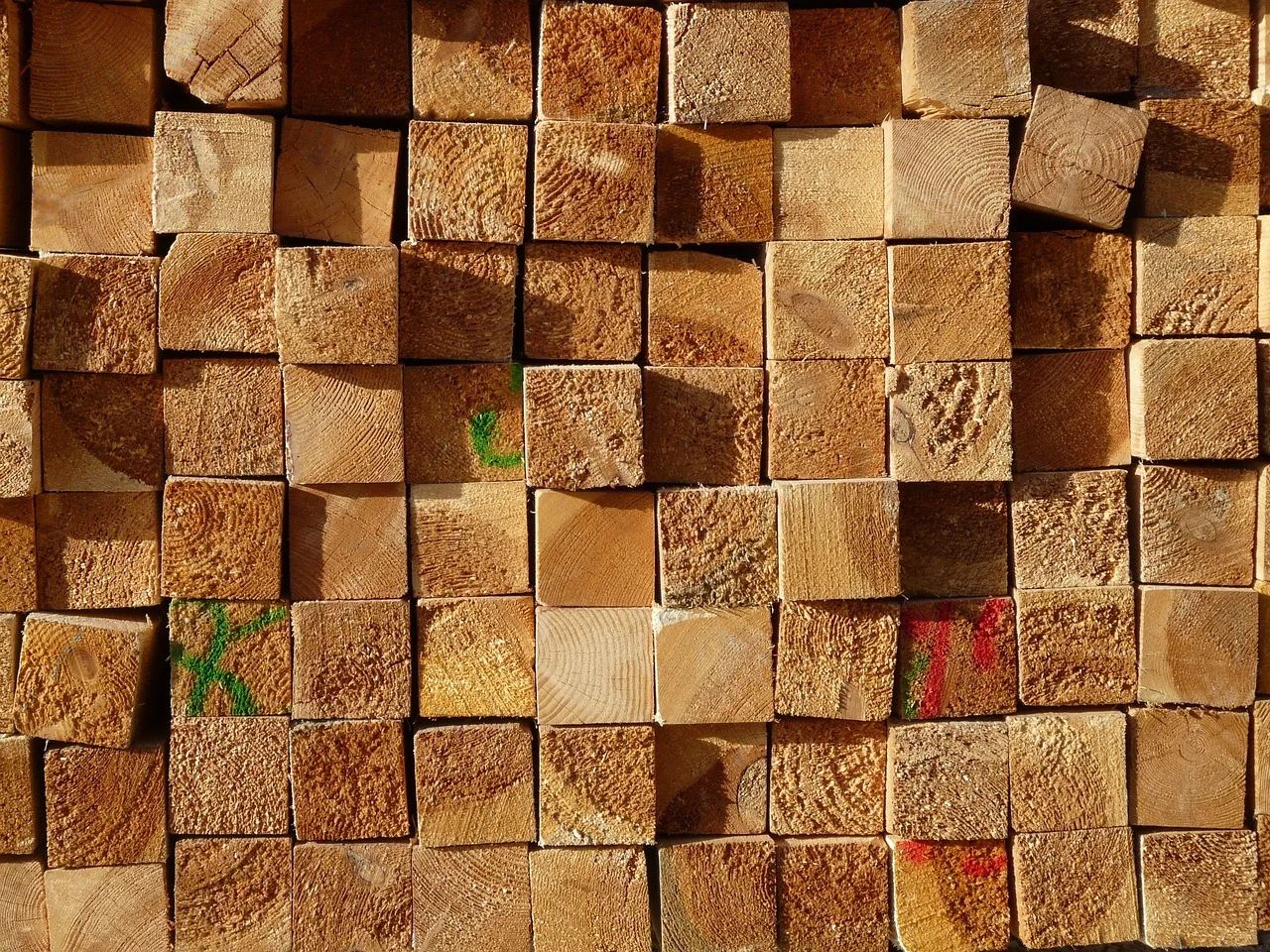
Douglas fir is fast-growing and widely plantation-managed across the Pacific Northwest, and most commercial supply comes from certified, actively replanted forests rather than old-growth stands. Look for FSC or SFI certification on lumber if sourcing responsibly matters for your project — it’s a straightforward way to confirm the wood came from a managed forest rather than an uncertified source.
According to timber-frame builder Western Timber Frame, Douglas fir’s exceptional strength-to-weight ratio is a core reason it remains the standard species for post-and-beam and heavy-timber frame construction in North America, even though hardwoods are technically denser on average.
Frequently Asked Questions
Is Douglas Fir Considered Hardwood?
No. Douglas fir is a softwood because it’s a cone-bearing conifer (a gymnosperm), not a broadleaf flowering tree. The softwood label describes its botanical family, not its actual hardness — at roughly 660 lbf on the Janka scale, it’s harder than several true hardwoods, including balsa and American chestnut.
What Are the Benefits of Douglas Fir Wood?
Douglas fir offers a high strength-to-weight ratio, good dimensional stability, and a straight, attractive grain, all at a lower cost than most hardwoods. That combination is why it’s the default choice for framing lumber, glulam beams, and trusses, and a popular one for flooring and furniture where its warm color is wanted.
How Does Douglas Fir Compare to Other Woods?
Douglas fir is harder and stiffer than most softwoods like pine or spruce, and its Janka rating even beats some true hardwoods such as balsa and American chestnut. It’s still softer than dense flooring hardwoods like red oak (about 1,290 lbf), which is why oak is favored for high-traffic floors while Douglas fir is favored for structural framing.
Can Douglas Fir Be Used for Outdoor Projects?
Yes, but it needs help. Douglas fir’s heartwood has some natural decay resistance, but not enough to skip protection outdoors. Decks, fences, and exposed framing built from it should be sealed with a waterproofing stain and recoated every one to three years, or the surface will gray and soften from moisture exposure.
Is Douglas Fir Good for Furniture?
Yes, for pieces that don’t need to survive constant surface abuse. Douglas fir’s straight grain and warm tone finish well and it’s easier on tools than dense hardwoods, but its softer earlywood bands can dent under sharp impact more easily than oak or maple, so it’s a better fit for tables, shelving, and frames than heavy-use dining chairs.
Conclusion
Douglas fir is a softwood by botanical classification, not by actual hardness — at roughly 660 lbf on the Janka scale, it out-hardens balsa and American chestnut, both true hardwoods. That’s exactly why it’s the default structural framing species in North America, and a solid choice for flooring and furniture when properly finished. For a broader look at how wood species get classified, see our guide to hardwood, softwood, and engineered wood types.
Sponsored / affiliate links. As an Amazon Associate I earn from qualifying purchases. I may earn additional commission from eligible campaigns.