How Much Does a Cord of Ash Wood Cost: 2026 Pricing Guide
Have you ever wondered how much a cord of ash wood costs? You’re not alone.
Ash wood is popular for its durability and beautiful grain, making it a favorite choice for homeowners looking to upgrade their space. Whether you’re planning a cozy fireplace setup or need quality wood for a woodworking project, knowing the price can help you budget effectively.
But what influences the cost, and how can you ensure you’re getting a fair deal? Dive into this article to uncover the factors that affect ash wood pricing and find out how you can make the most informed decision for your needs. Your wallet and your home deserve nothing less than the best.
Factors Influencing Ash Wood Prices
Quality and Grade play a big role in ash wood cost. High-quality wood costs more. It looks better and lasts longer. Low-grade ash wood is cheaper. It may have knots or flaws. People choose based on their needs and budget.
Regional Variations affect the price too. Ash wood costs differ in places. In some areas, ash wood is scarce. This makes it expensive. In other places, it’s common. This makes it cheaper. Local supply impacts cost.
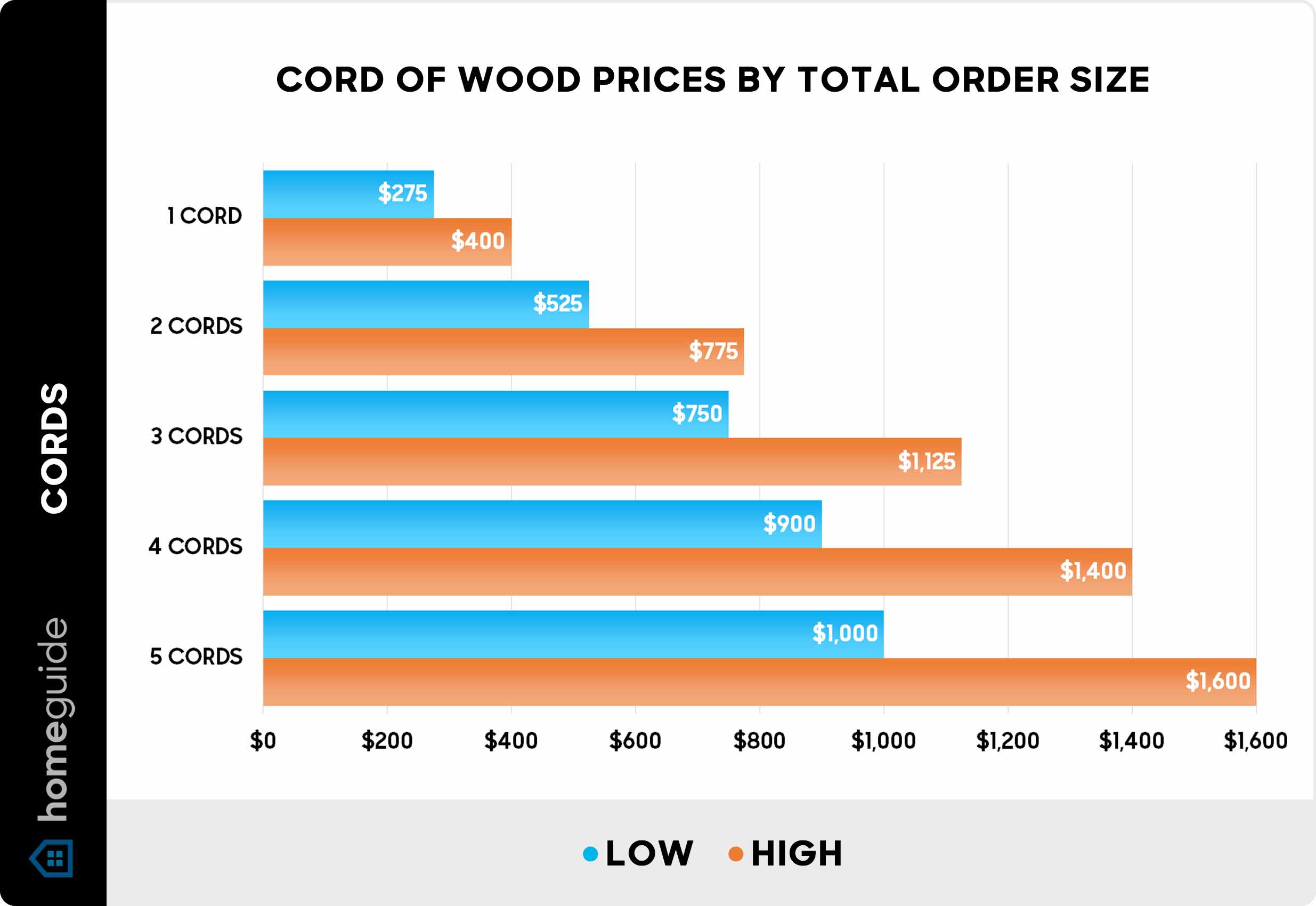
Seasonal Demand changes ash wood prices. Winter sees high demand for firewood. Prices go up. Summer may see less demand. Prices might drop. People buy more when it’s cold. This drives prices higher.
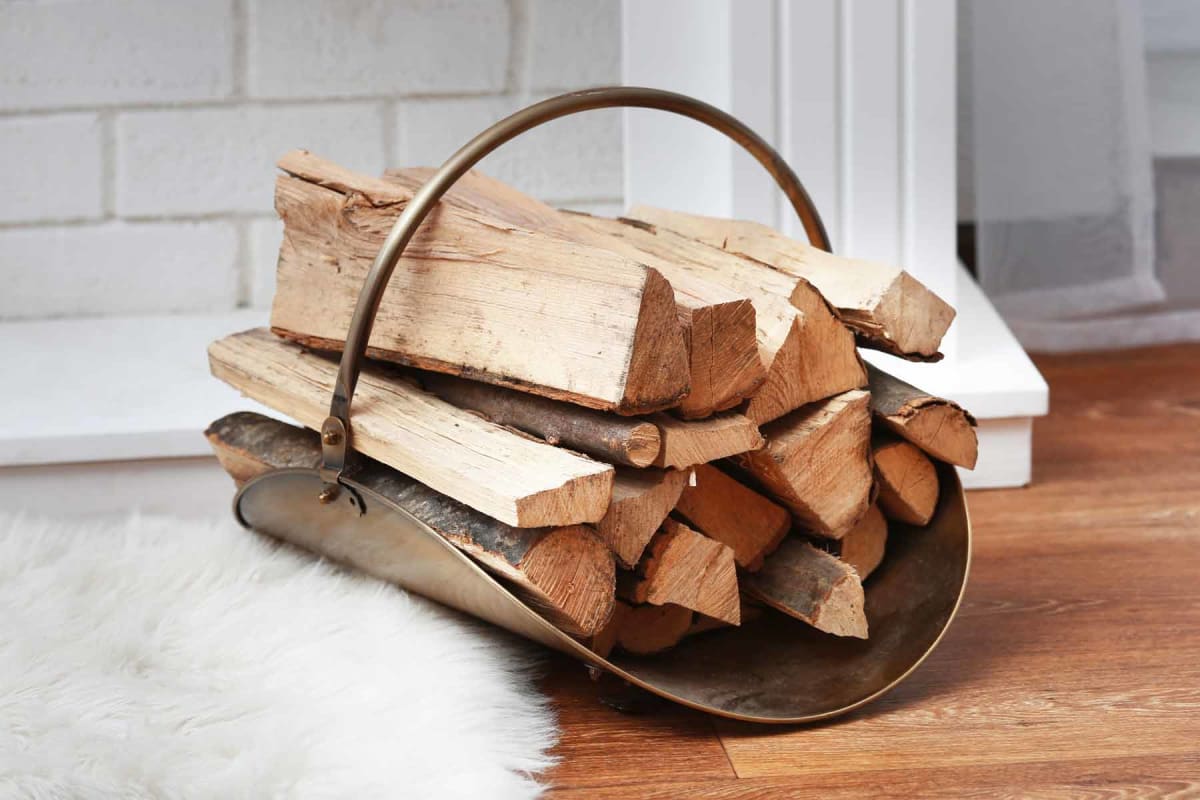
Credit: homeguide.com
Current Market Trends
Ash wood is popular for furniture and flooring. Prices vary by region and season. Demand affects the price. Winter months see higher costs. Cold weather increases demand for firewood. Spring and summer prices might drop. Builders buy less wood then. Local economic conditions also impact costs. High demand in growing areas raises prices.
The supply chain for ash wood involves several steps. Trees are cut and processed. Transportation adds to costs. Fuel prices affect delivery expenses. Storage fees can raise prices too. Import and export costs matter. Global markets influence local prices. Delays can increase costs.
Environmental policies aim to protect forests. These rules affect ash wood supply. Conservation efforts may limit logging. Sustainable practices can increase costs. Regulations might slow down production. But they help preserve nature. Green practices benefit future generations.
Comparing Ash Wood To Other Firewoods
Ash wood is often priced higher than other firewoods. Its cost can be more than oak or pine. A cord of ash wood may cost around $400. Oak might be cheaper, around $300 per cord. Pine could be the least expensive, roughly $250.
Ash wood burns hot and long. It provides steady heat. Oak is also good but takes time to ignite. Pine burns quickly but not for long. Ash is favored for its balance of heat and burn time. It leaves less ash after burning. This makes it ideal for home heating.

Credit: hardwoodbrothers.com
Buying Ash Wood: What To Consider
Picking the best supplier is very important. A good supplier gives quality wood. Make sure the wood is well-seasoned. This helps it burn better. Ask about the wood’s moisture content. It should be low for better burning. Find out how long the supplier has been in business. More years can mean more trust.
Delivery costs can add up quickly. Some suppliers offer free delivery. Others charge a fee. Check if the delivery fee fits your budget. Think about the distance from the supplier to your home. Longer distances might mean higher costs. Ask if they offer discounts for larger orders.
Tips For Saving On Ash Wood Purchases
Consider buying ash wood during off-peak seasons to save money. Prices vary, but a cord typically costs $250 to $400. Comparing local suppliers might offer better deals.
Bulk Buying Advantages
Buying ash wood in bulk can save money. Large orders often mean discounts. It is cheaper than buying small amounts. When buying more, transport costs might be less. This means less trips and less fuel. Bulk buying helps in planning for future needs.
Off-season Discounts
Buying ash wood in the off-season can lower costs. During summer or spring, wood is less in demand. Sellers offer discounts to clear stock. Prices drop and it is a good time to buy. Check with local suppliers for deals. Buying during these months can save money.
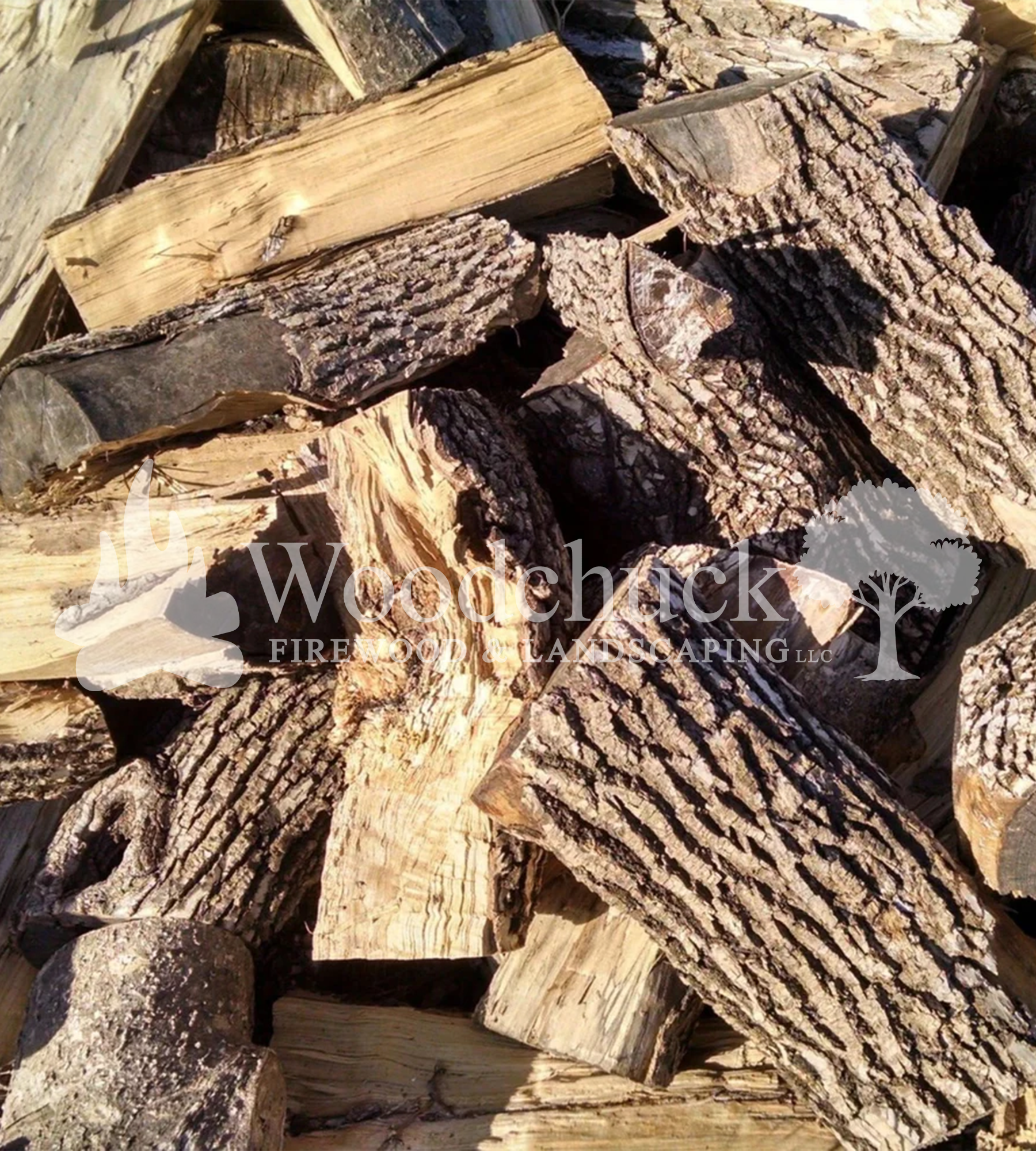
Credit: www.woodchuckfirewood.com
Frequently Asked Questions
How Much Is Ash Wood Worth?
Ash wood is priced between $5 to $10 per board foot. Quality, grain, and region affect the value. Prices may vary due to market demand and availability. Always check current rates with local suppliers for accurate pricing.
How Much Ash Is In A Cord Of Wood?
A cord of wood typically yields 20-50 pounds of ash after burning. The amount depends on wood type and moisture content. Hardwood generally produces less ash than softwood. Proper seasoning reduces moisture, resulting in less ash. Ash quantity influences cleaning frequency and disposal.
Consider wood choice for efficient use.
Is Ash A Valuable Wood?
Ash wood is highly valued for its strength and flexibility. It is popular in furniture and sports equipment manufacturing. Its attractive grain and durability make it a preferred choice for interior design and woodworking projects. Ash’s versatility and aesthetic appeal contribute to its status as a valuable wood.
How Much Should I Pay For A Cord Of Wood?
A cord of wood typically costs between $150 and $400, depending on location, type, and quality. Prices may vary due to seasonality and delivery fees. Always verify local suppliers for the most accurate pricing. Consider the wood’s moisture content, as dry wood burns more efficiently.
Conclusion
Ash wood prices can vary. Many factors affect the cost. Location plays a big role. Seasonality influences pricing too. Quality matters a lot in pricing. Delivery charges can add up. Buying directly from suppliers might save money. Compare prices before purchasing.
Get quotes from multiple sellers. Check online reviews for insights. Understand what you’re paying for. Budget wisely for quality wood. Plan your purchase ahead. Always verify dimensions of a cord. Know your requirements. Be informed. Make a smart choice. Ash wood can be a great investment.
Enjoy its warmth and beauty.