Wood Ash on Lawn: Benefits, Risks, and When to Skip It
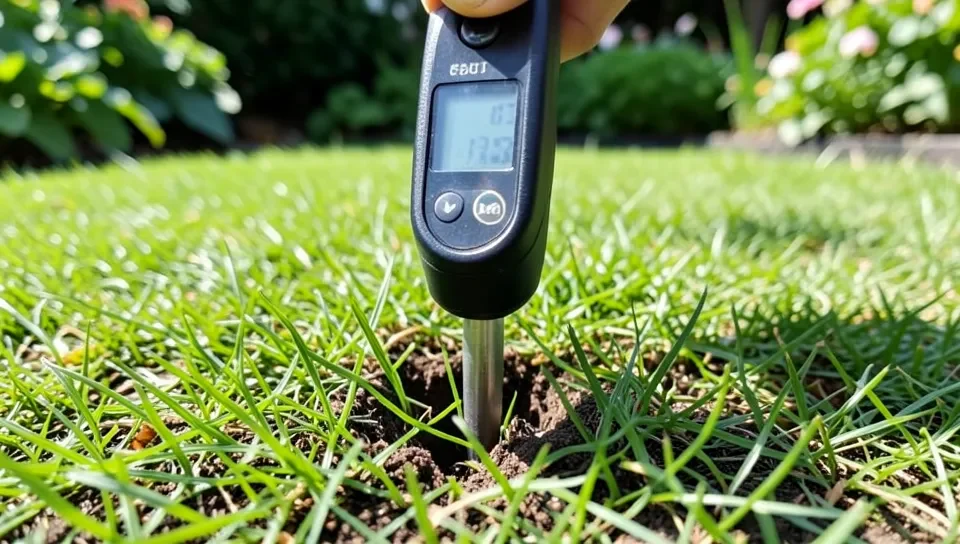
Wood ash raises soil pH and adds potassium and calcium, which genuinely helps a lawn growing in acidic soil – but it does nothing useful, and can actively harm the lawn, if your soil is already neutral or alkaline. The soil test is what decides whether wood ash belongs on your lawn at all, not a general “it’s good for grass” rule.
This page covers what wood ash actually does chemically, how it compares to agricultural lime and fertilizer, and the specific situations where it does more harm than good. For the step-by-step application method once you’ve confirmed it’s worth doing, see our guide to spreading wood ash on a lawn.
What Wood Ash Actually Contains
Wood ash is mostly calcium carbonate, the same compound in agricultural lime, along with meaningful amounts of potassium and smaller amounts of phosphorus and trace minerals like magnesium and manganese. What it does not contain in useful amounts is nitrogen – the wood’s nitrogen mostly burns off as gas during combustion, so wood ash is a liming and potassium amendment, not a fertilizer replacement.
Handle And Store Ash Safely
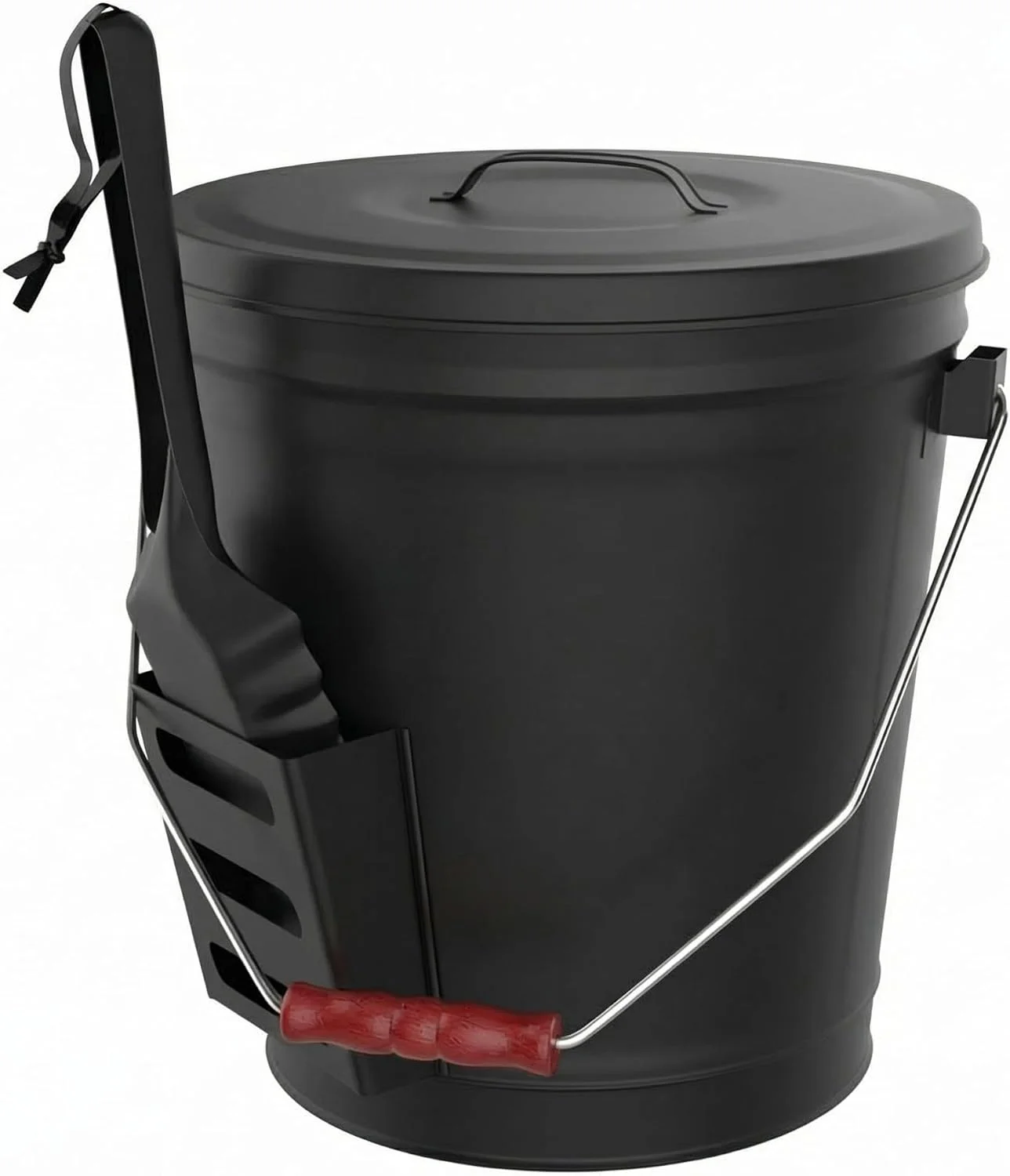 |
Pure Garden Metal Ash Bucket with Lid & Shovel, 4.75 Gal A sealed metal bucket keeps ash dry between uses and lets you carry it to the lawn without a dust cloud following you the whole way.
|
When Wood Ash Actually Helps
Wood ash is worth using specifically when a soil test shows acidic soil (below roughly pH 6.0) and low potassium. In that situation, it does two real jobs at once: it raises pH toward the neutral range most turfgrasses prefer, and it adds potassium that supports root strength and disease resistance. Fescue and other acid-tolerant grasses benefit less from the pH change than bluegrass or bermudagrass, which both prefer closer to neutral soil.
Wood Ash vs. Agricultural Lime vs. Fertilizer
| Amendment | Raises pH? | Adds Nitrogen? | Adds Potassium? | Liming Speed |
|---|---|---|---|---|
| Wood ash | Yes | No | Yes | Fast – already water-soluble |
| Agricultural (pelletized) lime | Yes | No | No | Slow – breaks down over months |
| Standard lawn fertilizer | No | Yes | Varies by blend | N/A |
Wood ash’s liming effect works faster than pelletized lime because it’s already broken down and water-soluble, which is also why it’s easier to over-apply by accident – the pH swing happens quickly instead of gradually over a season.
When Wood Ash Does More Harm Than Good
- Soil is already neutral or alkaline – pushing pH higher makes it harder for grass to absorb iron and manganese, causing yellowing rather than the greening you’re after.
- Applied at the same time as fresh nitrogen fertilizer – wood ash’s alkalinity converts fertilizer nitrogen into ammonia gas, which then off-gasses into the air instead of feeding the grass. Space ash and nitrogen fertilizer applications at least a few weeks apart.
- Near acid-loving plants – blueberries, azaleas, rhododendrons, and many native plant beds bordering a lawn need acidic soil and will suffer if ash drifts or runs off into their root zone.
- Ash from treated, painted, or stained wood – this can introduce chemical residues into the soil that have nothing to do with the beneficial minerals in plain wood ash.
How Much Wood Ash to Apply
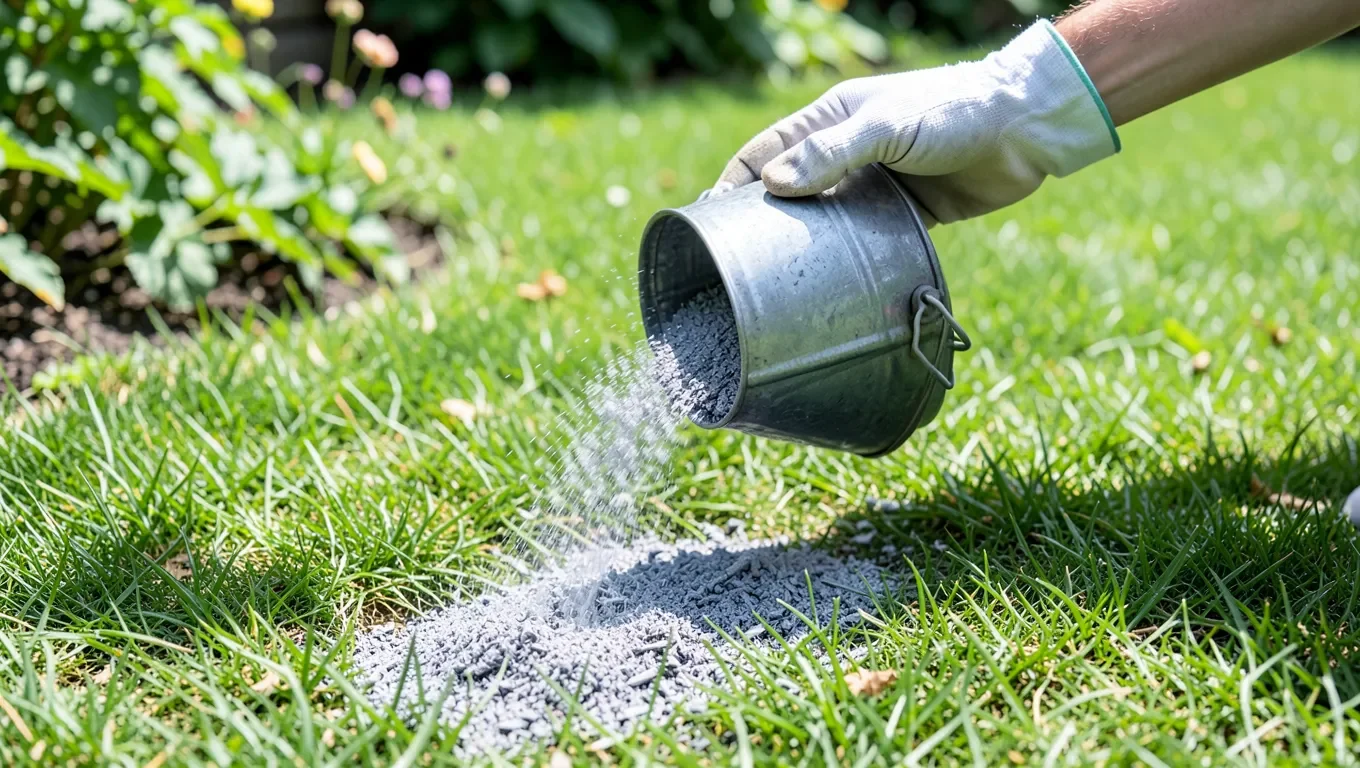
A commonly cited safe rate is 10-15 pounds of wood ash per 1,000 square feet of lawn, applied no more than once every two to three years on the same area – not annually. That’s a thin, barely visible dusting, not a layer you can see from a distance. If a soil test shows only mildly acidic soil (pH 6.0-6.5), stay at the lower end of that range or skip it in favor of the slower, more forgiving effect of pelletized lime.
Reapplying too often is the most common way people push a lawn from acidic to over-alkaline without meaning to – since ash acts fast, it’s easy to assume more is better and add it again the following season before the soil has had a chance to show whether the first application was even needed.
Safe Handling and Storage
Only use ash from untreated wood, and let it cool completely – ash can hold embers for days even when it looks cold. Store it in a metal container with a tight lid in a dry spot; moisture causes it to clump and makes even spreading harder. Wear gloves and a dust mask when handling it, since fine ash particles are easy to inhale and can irritate skin.
Frequently Asked Questions
Is wood ash good for grass?
Only if your soil is acidic. Wood ash raises pH and adds potassium, which helps grass in acidic soil, but it can push already-neutral or alkaline soil into a range that actually hurts nutrient uptake. Test your soil’s pH before applying.
Can I dump ash on my lawn?
Only in small, spread-out amounts, and only if a soil test shows acidic soil. Avoid ash from treated wood or charcoal briquettes, and never pile it in one spot – concentrated ash can burn grass and spike the soil pH locally.
Where should I not put wood ash?
Keep it away from acid-loving plants like blueberries and azaleas, away from storm drains or water sources since runoff can affect water pH, and out of compost piles unless you’re deliberately trying to raise the compost’s pH.
Does wood ash suppress weeds?
It can have a modest effect on weeds that specifically prefer acidic soil, since raising the pH makes conditions less favorable for them. It isn’t a reliable weed control method on its own and works best as a side effect of correcting a genuinely acidic lawn.
Conclusion
Wood ash is a real, useful liming and potassium amendment – for the specific case of acidic lawn soil. Test first, apply lightly and infrequently, keep it away from acid-loving plants and fresh nitrogen fertilizer, and store it safely between uses. Outside of that acidic-soil use case, it’s not worth adding to a lawn that’s already at a healthy pH.
Sponsored / affiliate links. As an Amazon Associate I earn from qualifying purchases. I may earn additional commission from eligible campaigns.