Ash Wood in Magic and Ritual Practice: Folklore and Modern Uses
Ash wood sits at the center of Norse mythology as Yggdrasil, the World Tree, and was one of only three trees — alongside oak and thorn — sacred to Celtic Druids. That reputation isn’t just old folklore: ash’s real shock-absorbing strength is exactly why it became the go-to wood for tool handles, bows, and (per tradition) wands. This guide covers where the magical association comes from, how ash is actually used in ritual practice today, and how to work with it yourself.
Why Ash Wood Is Associated With Magic
Best Wand-Carving Kit Pick
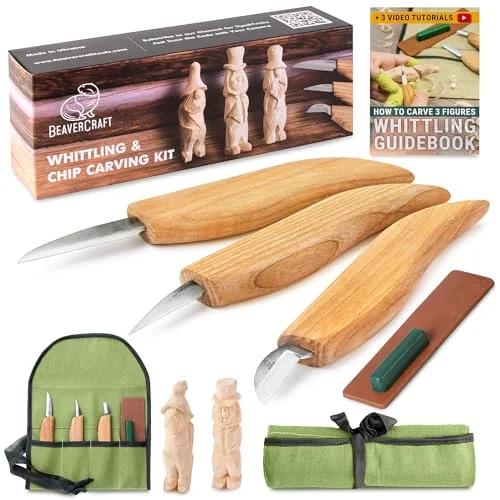 |
BeaverCraft S15 Wood Carving Knife Kit – $39.99 Carving your own ash wand or ritual tool by hand — as covered in the Wands and Staffs section below — is easier with pre-sharpened detail and roughing knives instead of a single generic blade.
|
Ash wood has a deep-rooted significance in cultures across Northern Europe, tied to mythology, folk healing, and protective ritual. In Norse tradition, the World Tree Yggdrasil is described as an ash, connecting the nine worlds; Odin is said to have hung from its branches to gain knowledge of the runes. Celtic Druids counted ash among their three sacred trees, and it carries the name Nion in the Ogham tree-alphabet, associated with connection and binding between the inner self and the outer world.
Folk practices reflected this reputation directly: in parts of the British Isles, a sick child was passed naked through a cleft cut into a living ash trunk as a healing rite, and ash berries were placed in cradles as protection. Whether or not you take the supernatural claims literally, the cultural pattern is consistent — ash meant protection, connection, and strength.
📊 Ash was one of only three trees sacred to the Celtic Druids (with oak and thorn), and its Ogham name, Nion, represents connection between the inner self and the outer world. Source: Royal Botanic Gardens, Kew
The Real Wood Behind the Folklore
Ash’s magical reputation isn’t disconnected from its physical properties — if anything, the two reinforce each other. Ash scores around 1,320 lbf on the Janka hardness scale and is prized for exceptional shock absorption, the same trait that makes it the standard wood for baseball bats, axe handles, and tool hafts. That strength-to-flex ratio is exactly what let the Vikings and Celts trust ash for weapons, bows, and oars they depended on to survive — a practical reason a “protective” wood earned that reputation in the first place. For the full breakdown of ash’s hardness and how it compares to other woods used for handles and tool hafts, see our deep dive on what an ash wood wand really means.
Crafting Ritual Tools With Ash Wood
Ash’s combination of flexibility and strength is a big part of why it has been a favored material for hand-carved wands, staffs, and talismans for centuries. Crafting your own tool from ash requires basic carving skill, patience, and (for most practitioners) sourcing the wood respectfully — a fallen branch or an ethically harvested offcut, not a cut taken from a living tree without care.
Wands And Staffs
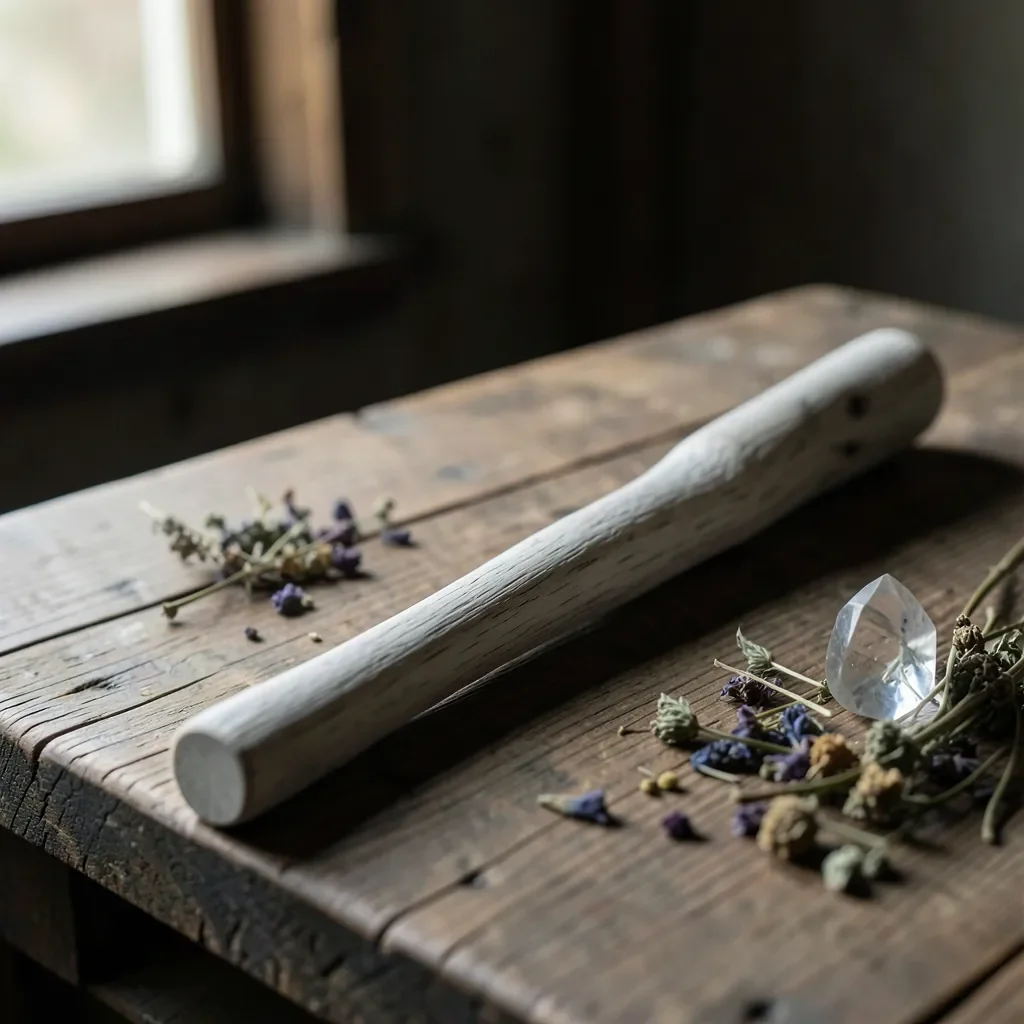
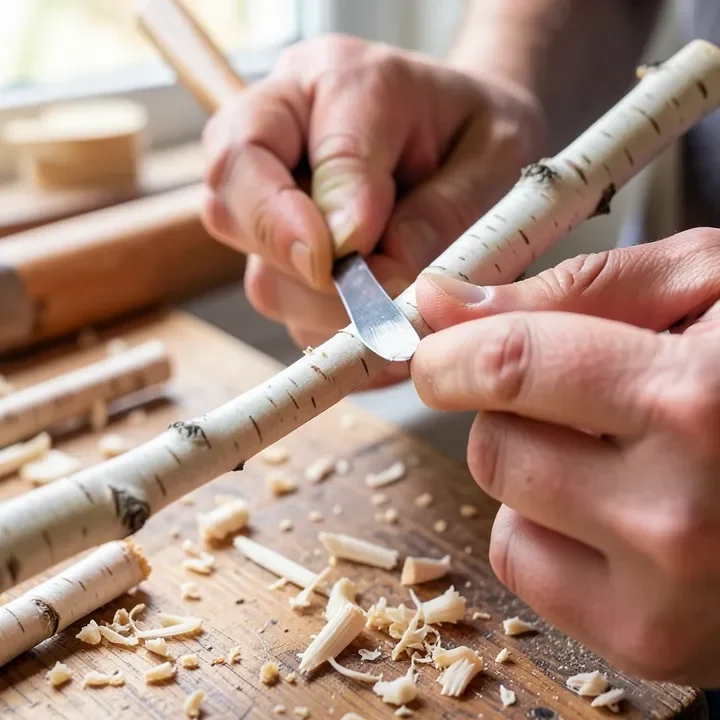
Carving a wand or staff from ash is a time-honored practice. The wood’s flexibility lets you carve it relatively thin without it snapping, and its natural grain patterns and pale color make for an attractive, functional finished piece. A basic whittling knife and some fine sandpaper are really all you need to get started — see the carving kit above for a beginner-friendly set.
Amulets And Talismans
Ash is also commonly used for small carried talismans and protective charms, following the same folk logic that put ash berries in cradles centuries ago. A simple disc or pendant cut from an ash offcut, sanded smooth and finished with oil, is a practical beginner project that doesn’t require advanced woodworking skill.
Rituals And Practices That Use Ash
Modern practitioners who work with ash wood generally draw on the same themes documented in historical folklore: protection, connection, and clarity. These are contemporary practices inspired by that folklore, not claims of a proven physical effect.
Protection And Purification
Some practitioners use a small ash wand or carved token as a personal protection charm, or burn dried ash leaves as incense to mark a space as cleansed. These practices echo the old folk belief that ash wards off ill fortune, updated into a modern ritual format.
- Ash Wand Carving: Carve a small wand from an ash offcut and set an intention while you work — many practitioners treat the carving process itself as the ritual, not just the finished object.
- Ash Incense: Burn a small amount of dried ash leaf or a shaving of ash wood as incense to mark the start or end of a ritual space.
- Ash Talisman: Carry a small carved ash token, optionally with a symbol or initial carved into it, as a personal keepsake tied to a specific intention.
Connecting With the Tree Itself
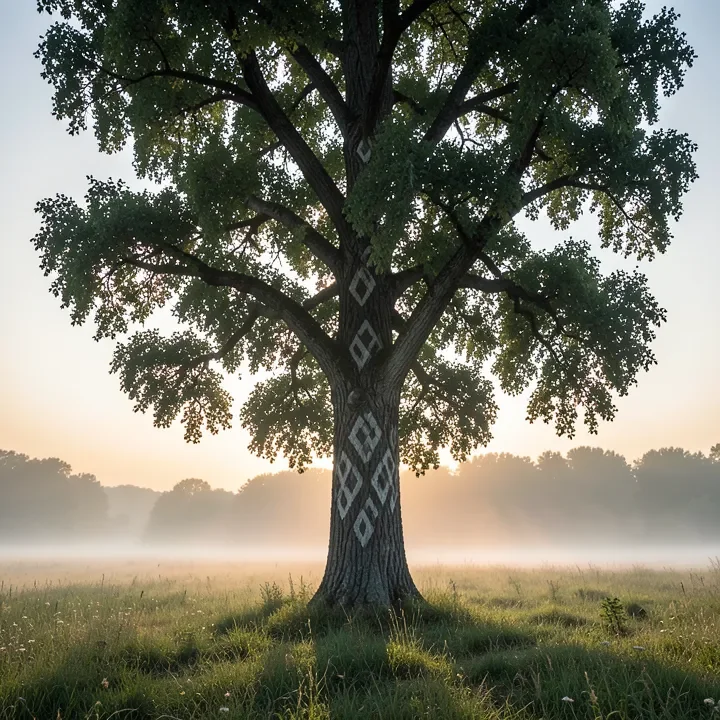
Some practitioners skip carved objects altogether and simply spend time with a living ash tree — sitting beneath it, observing how it grows in groves with interconnected roots, or reflecting on its ability to thrive in conditions from wetlands to rocky hillsides. Whether or not you frame this as literally “communicating” with the tree, it’s a genuine, low-cost way to engage with the folklore rather than just reading about it.
Working With Ash Wood Respectfully
If you want to work with ash wood for a ritual tool, source it thoughtfully. A fallen branch after a storm, a pruned offcut from a local arborist, or reclaimed lumber all avoid taking wood from a living tree unnecessarily — particularly relevant now, since emerald ash borer has devastated ash populations across much of North America, making surviving ash trees worth protecting rather than harvesting casually.
Once you have a piece of wood, carve or sand it to the shape you want, then finish it with a light oil or wax rather than a heavy synthetic coating, which can mute the natural grain that makes ash distinctive. Many practitioners also note where the wood came from or acknowledge the tree as part of the process — a small gesture, but consistent with the respect-for-source-material approach that also happens to be good, sustainable woodworking practice.
Frequently Asked Questions
Why is ash wood associated with magic and protection?
Ash appears at the center of Norse cosmology as Yggdrasil, the World Tree, and was one of three trees (with oak and thorn) sacred to Celtic Druids. Folklore across Northern Europe treated ash as protective — from warding rituals to passing sick children through a cleft ash trunk for healing.
What does the Ogham symbol for ash mean?
In the Celtic Ogham alphabet, ash is called Nion. It’s associated with connection between the inner self and outer worlds, and with linking, weaving, or binding — fitting for a wood historically used to make connective tools like harnesses, oars, and bows.
Is ash wood actually good for carving a wand or ritual tool?
Yes, for practical reasons beyond folklore: ash has a Janka hardness of about 1,320 lbf and excellent shock absorption, the same properties that make it a top pick for tool handles and baseball bats. That combination of strength and flex makes it easy to carve thin without snapping.
How do I start working with ash wood in ritual practice?
Source a fallen branch or ethically harvested offcut rather than cutting a living tree, carve or sand it to the shape you want, and treat the surface with a light oil or wax. Many practitioners also thank the tree or note where the wood came from as part of the process.
Conclusion
Ash wood’s place in magic and ritual practice isn’t an arbitrary modern invention — it’s built on centuries of documented Norse and Celtic tradition, and reinforced by real physical properties that made ash indispensable for tools people trusted with their lives. Whether you’re carving your first wand, researching the folklore, or just curious why this particular tree earned such a reputation, ash offers a rare case where the myth and the material genuinely line up.
Sponsored / affiliate links. As an Amazon Associate I earn from qualifying purchases. I may earn additional commission from eligible campaigns.