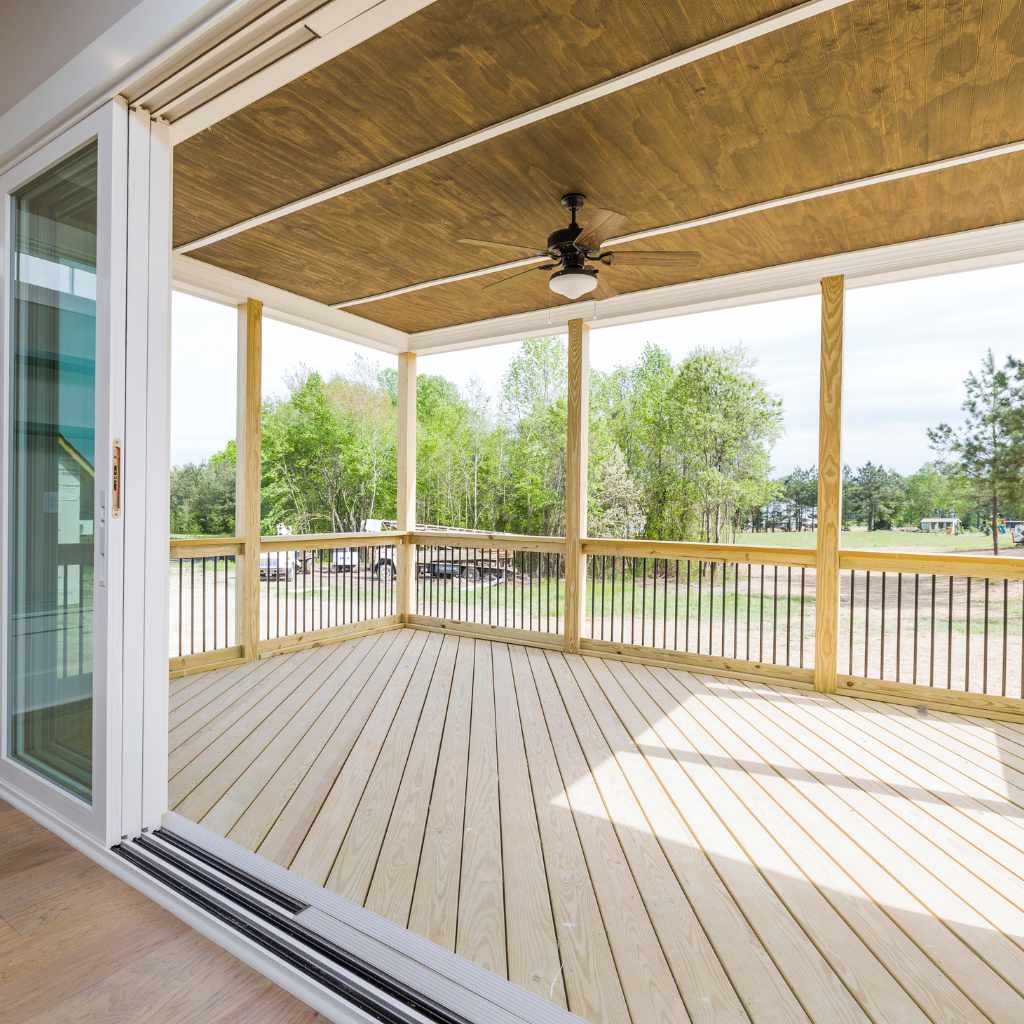
How Much Does It Cost for a Wood Deck? A Simple Guide
Figuring out How Much Does It Cost for a Wood Deck? can seem tricky when you’re starting. It’s a common question for anyone who wants to add a deck to their house. There are many things to think about, like the size and the type of wood. Don’t worry, though! This guide will help you understand all the factors that affect the price. We’ll break it down step-by-step so you can easily plan your project. Let’s get started!
What Influences Wood Deck Prices?
When you’re figuring out what to spend on a wood deck, many things change the price. The type of wood is a big deal; different kinds of wood cost different amounts. Also, the deck’s size is a major factor. A bigger deck means more materials and more work, so it will cost more. The style of the deck is also important. A simple, basic deck is easier and cheaper to build than one with complicated features like curves or built-in seating. Where you live plays a role, too. Labor costs vary across different areas. Finally, don’t forget extras like railings, stairs, and permits; these add to the total price. These things all work together to decide the final amount.
Different Wood Options and Their Costs
The type of wood you select greatly influences the cost of your deck. Each wood has its unique benefits and drawbacks. Softwoods are usually more affordable but might not last as long as hardwoods. Hardwoods are more durable and can withstand weather but will cost more initially. Composite decking provides a lower-maintenance alternative, also changing your budget. Consider these options to make a decision.
- Pressure-Treated Wood: This is the most common and often the cheapest option for decks. It’s treated to resist rot and insects. However, it requires regular maintenance and may not be as aesthetically pleasing. The cost is usually around $15 to $25 per square foot.
- Cedar: Cedar is known for its natural beauty and resistance to decay. It offers a rich look and feel. It is more expensive than pressure-treated wood, with prices typically ranging from $25 to $35 per square foot.
- Redwood: Similar to cedar, redwood offers great looks and durability. It’s also naturally resistant to rot and insects. The cost is a bit higher, generally between $30 to $40 per square foot.
- Composite Decking: Made from a mix of wood fibers and plastic, composite decking is very low-maintenance. You don’t need to stain or seal it. However, it can be more expensive, usually costing from $35 to $55 per square foot.
- Tropical Hardwoods: Woods like Ipe or Mahogany are extremely durable and beautiful. They resist weather very well. They can be quite expensive, sometimes costing $50 or more per square foot.
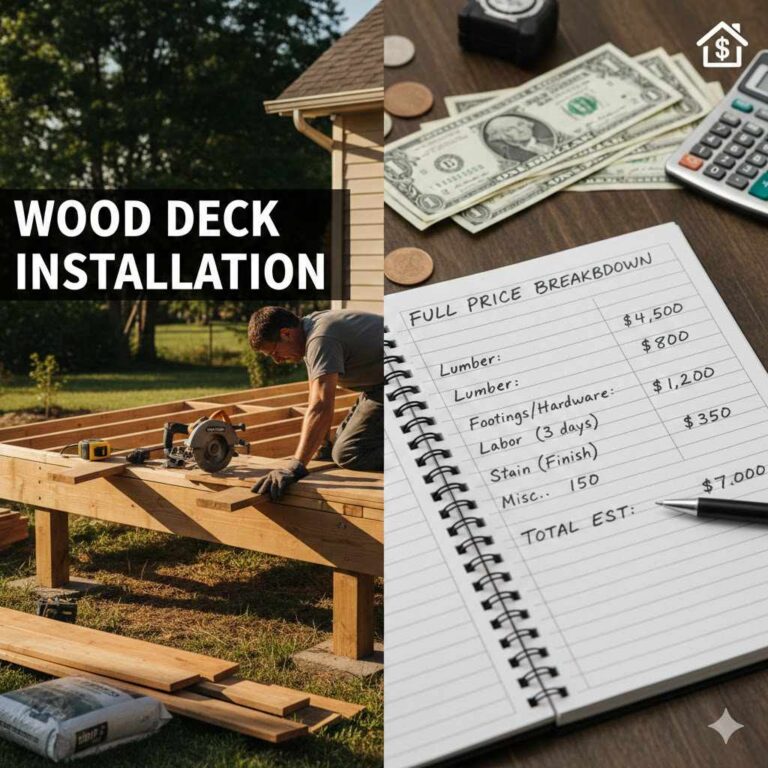
Let’s say you’re planning a 12’x12′ deck. Choosing pressure-treated wood might cost about $2,160 to $3,600. Going with composite decking could push the cost up to $5,040 to $7,920. That is a considerable difference, so be sure you choose your wood wisely to avoid surprises.
Labor Fees and Installation Expenses
Labor costs make up a big part of the overall expenses. These costs can change a lot depending on where you are and the people doing the work. Skilled contractors usually charge more per hour than general handymen. Also, more complicated designs, like decks with curves, multiple levels, or built-in features, will take longer and cost more to build. Remember that labor costs usually account for a large portion of the budget, so get clear estimates and look at several options. Always make sure to ask your contractor about their licensing, insurance, and experience.
Here’s an example: If a contractor charges $50 to $75 per hour, and it takes them 40 hours to build your deck, the labor costs alone could be $2,000 to $3,000. For a bigger, more complex deck that takes 80 hours to build, the cost could jump to $4,000 to $6,000. These price differences show why it’s important to shop around, compare estimates, and be clear about the project’s scope.
Additional Costs: Permits, Fasteners, and Extras
It’s important to remember that the main materials and labor aren’t the only expenses. There are some hidden costs too, that can add up. Things like permits, needed to begin construction, can cost anywhere from a few hundred dollars to over a thousand. You will also need fasteners, like screws and nails, to hold the deck together. The type and quality of the fasteners make a difference in your project’s longevity. Extras, like railings, stairs, lighting, and built-in seating, also add to the price, but they greatly enhance the usefulness and appeal of your deck. Always plan for these extra costs in your budget to avoid running over.

Factors Affecting the Overall Wood Deck Price
Several elements affect how much you pay for a wood deck. The size of the deck, the materials you use, and the complexity of the design are all important. Where you live, and the local labor rates, change the cost. Also, special features like stairs or built-in benches increase the overall project price. By understanding these factors, you can prepare a more accurate budget and make smart choices during the planning process.
Deck Size and Shape’s Impact on the Price
The size and shape of your deck have a big impact on what you pay. A larger deck needs more materials, like wood, fasteners, and support posts. Therefore, it costs more to build. A simple rectangular deck is often cheaper because it’s easier to build. More complicated shapes, like decks with curves, angles, or multiple levels, require more labor and specialized materials. These can greatly increase costs. Keep in mind that as the square footage grows, the expenses for the frame, decking, and finishing touches also grow. Choose a size and shape that suits your needs and budget.
- Rectangular Deck: The simplest and often most affordable shape. Building is easier, and uses materials efficiently.
- Explanation: Rectangular decks are straightforward, using less waste, and are usually easier to install.
- Square Deck: Similar to rectangular, but offers a balanced look. The cost is like a rectangular deck.
- Explanation: Square decks can fit well in various spaces and provide a nice, even surface area.
- Multi-Level Deck: Includes steps and varying heights. It requires more planning and labor.
- Explanation: These add visual interest and can work well on uneven ground, but they drive up costs.
- Curved Deck: Adds a unique look. The design can be difficult, and this might mean higher costs.
- Explanation: Curved decks need specialized cuts and may involve custom work, which increases the price.
Material Choices and Their Cost Impact
The materials you choose have a large effect on the project’s price. The type of wood and any extra features affect the budget. Pressure-treated wood is usually the most affordable choice, but it needs more maintenance. Choosing cedar or redwood means you get a beautiful look, but it costs more. Composite decking is low-maintenance, but it is typically the most expensive choice. Your choice of railings, stairs, and any extra elements, like built-in seating or lighting, adds to the total cost. Understanding the pros and cons of each material will help you make a choice that matches your budget and your needs.
According to the National Association of Home Builders, the average cost of building a wood deck using pressure-treated lumber is $25 per square foot, while composite decking is $35 per square foot. (NAHB, 2023)
Geographical Location and Local Labor Rates
Your location affects the price of the deck in two main ways: material prices and labor costs. Material prices differ depending on where you are. Wood prices can be higher in some areas due to transportation costs. Labor rates also vary greatly. Contractors charge different rates depending on local demand and the cost of living. Areas with high demand and higher costs of living usually have more expensive labor. Always get quotes from local contractors to better understand the costs in your area.
| Region | Average Labor Rate (per hour) |
|---|---|
| Northeast | $60 – $85 |
| Southeast | $50 – $70 |
| Midwest | $55 – $75 |
| Southwest | $50 – $70 |
| West Coast | $70 – $95 |
Planning Your Wood Deck Project
Planning your wood deck is an essential step. Think about what you need and what you want. Measure the space where the deck will be, and then decide on the size and shape. Check your local building rules, and find out if you need a permit. Explore different materials and designs to see what best fits your budget. Getting several quotes from contractors lets you compare prices and services. Taking time to plan will make the project easier to handle and can save you money.
Budgeting and Cost Estimation Steps
Creating a budget is an important step when building a deck. Start by exploring different materials and how much they cost. Look at the square footage of your deck to figure out how much wood you will need. Explore labor costs by getting quotes from contractors in your area. Add up all the expenses, including permits and any extra features. It is wise to have a small safety margin for unexpected costs. This allows you to manage the money well and make smart decisions all through the project.
- Calculate the Square Footage: Figure out the exact size of your deck. Measure the length and width to find the area. For a rectangular deck, multiply the length by the width. This is the starting point for calculating material needs.
- Research Material Costs: Look at the prices of different types of wood, such as pressure-treated, cedar, or composite. Find out the cost per square foot for each material. Prices may change, so always check with local suppliers for up-to-date pricing.
- Get Contractor Quotes: Contact several local contractors and ask for quotes. Include labor costs in the budget. This helps you compare different offers and choose the most cost-effective option.
- Include Extra Expenses: Think about extra costs like permits, fasteners (screws, nails), and any add-ons such as railings or stairs. These can add to your total cost.
- Add a Contingency Fund: Always put aside extra money (usually 10-15% of the total budget) to cover unexpected costs that might arise during the project. This can help with issues like changes in material prices or extra labor.
Permitting and Local Building Regulations
Before you begin building, you must comply with local rules. You may need to obtain a permit before starting construction. Contact your local building department to learn about the requirements. The permit process usually involves submitting plans and paying a fee. Building regulations ensure that your deck meets safety and structural standards. They may affect the deck’s size, height, and how it is attached to your house. Always make sure you understand the local regulations and get the needed permits to prevent issues, like project delays or fines.
Here are some of the things that local building codes may include:
- Setback Requirements: How far your deck needs to be from property lines.
- Height Restrictions: The maximum height of your deck.
- Railing and Guardrail Standards: Height and spacing requirements.
- Footing and Foundation Needs: How deep your posts should be.
- Material Regulations: Only approved materials.
Choosing a Contractor and Getting Quotes
Choosing the right contractor is key to a smooth project. Start by seeking recommendations from friends, family, or online reviews. Check the contractor’s credentials, such as their license and insurance. Ask for several quotes from different contractors. Each quote should clearly list the materials, labor costs, and project timeline. Make sure to get everything in writing so there is a clear record. Explore the contractor’s past work and talk to past clients. This lets you determine the contractor’s experience and quality. Choosing a trustworthy contractor can make the construction process easier and ensure you are happy with the results.
Maintaining and Protecting Your Wood Deck
To keep your deck looking great for a long time, it is vital to perform regular maintenance. Cleaning and sealing your deck are important tasks. Cleaning removes dirt and debris, while sealing protects the wood from moisture and UV rays. Regular inspections can identify any problems, like loose boards or rotting wood. By taking good care of your deck, you can prolong its life and preserve its beauty.
Cleaning and Sealing Your Deck
Cleaning your deck is the first step in keeping it looking its best. Sweep the deck frequently to get rid of dirt, leaves, and other debris. For a deeper clean, wash the deck with a deck cleaner, and then rinse it thoroughly. After cleaning, apply a sealant or stain to protect the wood from the elements. Sealing protects the wood from moisture and UV rays. Depending on the weather, you’ll need to clean and seal the deck every one to three years. Proper cleaning and sealing keeps your deck in great shape and looking beautiful.
Regular Inspections and Necessary Repairs
Checking your deck frequently for any issues can help spot problems early on. Look for things like loose boards, rotting wood, or signs of insect damage. Check the railings, stairs, and support posts to make sure they are solid and secure. It is also good to check the fasteners (screws and nails) to make sure they are in good shape. Fix any problems quickly to stop them from worsening. Regular inspections and timely repairs can lengthen the life of your deck and ensure that it stays safe.

Frequently Asked Questions
Question: How often should I clean my wood deck?
Answer: It’s best to sweep your deck regularly (weekly or bi-weekly) to remove debris. You should perform a thorough cleaning with a deck cleaner at least once a year, or more often if it’s exposed to heavy use or the elements.
Question: Do I need a permit to build a deck?
Answer: Yes, in most areas, you will need a permit to build a deck. Check with your local building department for specific requirements and regulations.
Question: What is the best type of wood for a deck?
Answer: The best wood depends on your budget and needs. Pressure-treated wood is budget-friendly, while cedar and redwood offer natural beauty. Composite decking offers low maintenance but costs more.
Question: How long does a wood deck usually last?
Answer: With proper maintenance, a wood deck can last from 10 to 30 years. The type of wood and the level of care you provide impact its lifespan.
Question: How often should I reseal my deck?
Answer: You should reseal your deck every 1-3 years, depending on the sealant you use and the weather conditions in your area.
Final Thoughts
The total cost for a wood deck is affected by many things, including the wood, the deck’s size, and where you live. While prices change, knowing these factors makes it easier to prepare a budget and make plans. By picking the right materials, understanding labor costs, and planning ahead, you can make your dream deck a reality. Remember to consider all the parts of the process, from picking the wood to cleaning and sealing. Taking the time to plan carefully ensures you create a deck that you and your family can enjoy for a long time. So go ahead, start exploring, and build the perfect outdoor space for your home.