Home Depot Decking Materials: Wood, Composite & PVC Compared
Home Depot sells three real categories of decking material: pressure-treated or cedar wood, wood-plastic composite (Trex, TimberTech, Fiberon, or the store’s own ChoiceDek/Veranda lines), and 100% PVC. The right pick comes down to how much you want to spend up front versus how much time you want to spend maintaining it later – wood costs the least to buy but the most in yearly upkeep, while composite and PVC flip that trade-off.
Below is what each material actually costs per linear foot at Home Depot, which brands you’ll find on the shelf or ordered through the ProDesk, and one line-item almost every first-time buyer forgets to price out before checkout.
Decking Materials Home Depot Actually Carries
Home Depot’s decking aisle (and online ProDesk ordering) breaks down into three material families, each carried under a handful of specific brand names rather than one generic “composite” SKU:
- Pressure-treated lumber – the store’s lowest-cost decking, chemically treated pine rated for ground contact.
- Cedar and redwood – naturally rot-resistant softwoods, sold in smaller quantities than pressure-treated pine.
- Wood-plastic composite – Trex EnHance and Transcend, TimberTech AZEK and Prime+, Fiberon Promenade/Good Life, and Home Depot’s private-label ChoiceDek and Veranda lines.
- 100% PVC (cellular vinyl) – TimberTech AZEK’s all-PVC tier and Veranda’s ArmorGuard line, sold with no wood content at all.
Budget-Saver Pick For Composite Decks
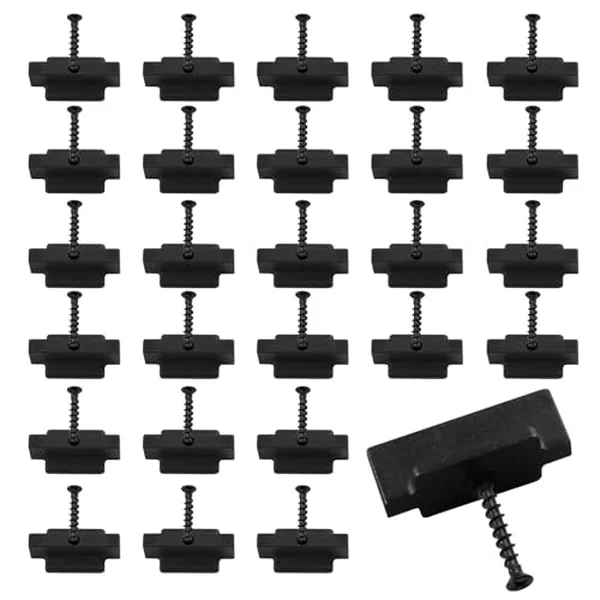 |
Polifish 100-Pack Hidden Deck Fasteners – $19.69 Every grooved composite or PVC board from Home Depot needs hidden fasteners, and that line item is easy to leave out of a budget until you’re standing at checkout.
|
Pressure-Treated, Cedar & Redwood: Real Prices
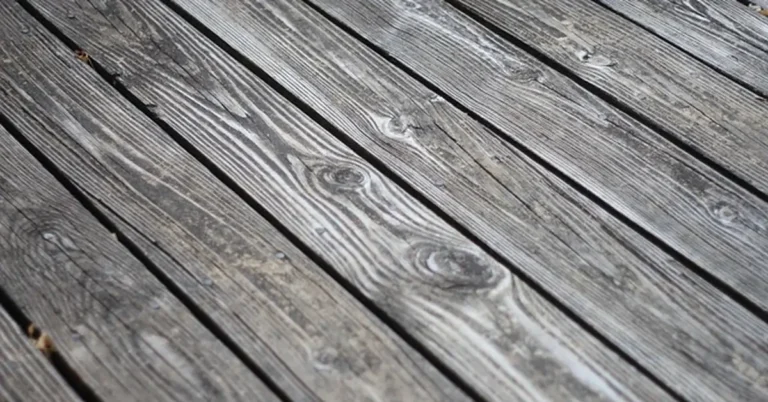
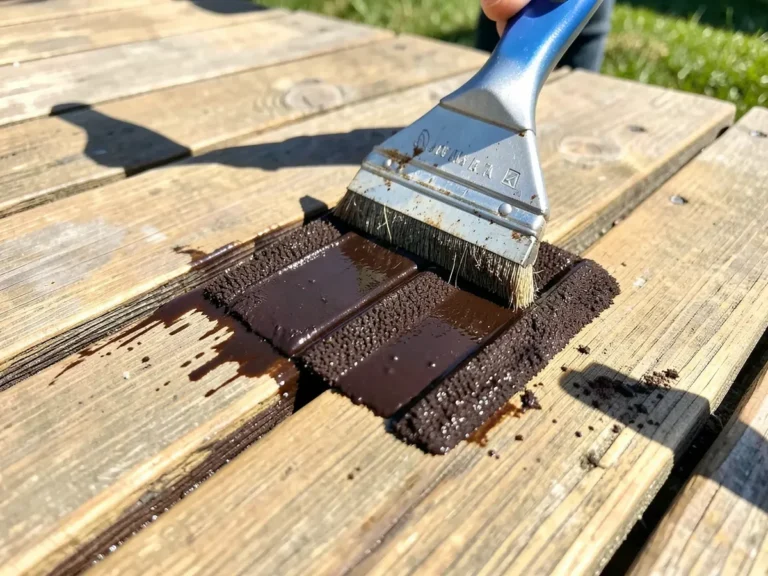
Pressure-treated Southern yellow pine is the cheapest board in the decking aisle – typically $1.50 to $3 per linear foot for a 5/4×6 deck board, depending on grade and length. It’s rated for ground contact, meaning the chemical treatment penetrates deep enough to resist rot even where the board touches soil or concrete, but it needs a water-repellent sealer within the first year and re-sealing every 1-2 years after that or it grays and checks (surface cracking).
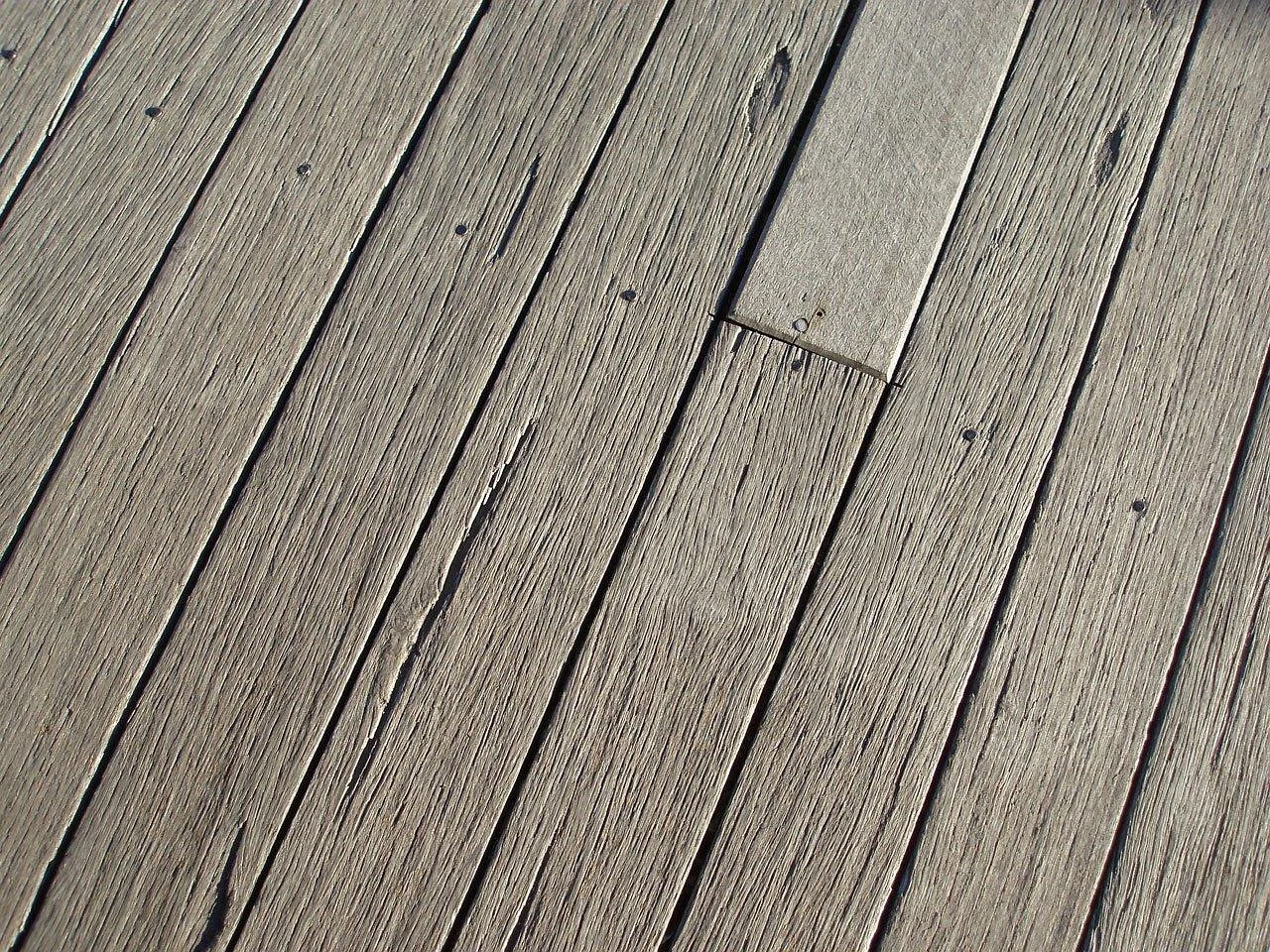
Cedar and redwood cost noticeably more – often $4 to $8 per linear foot – because both species are naturally resistant to insects and decay without chemical treatment, and Home Depot generally stocks less of each than pressure-treated pine (expect to special-order larger quantities through the ProDesk rather than pulling it straight off the shelf). Cedar is the softer, lighter-colored, more affordable of the two; redwood holds its rich color longer but commands the highest per-foot price of any wood option in the store.
Composite Decking: Trex, TimberTech, Fiberon & ChoiceDek
Composite decking runs $3 to $6 per linear foot at Home Depot, roughly double pressure-treated wood, but the math changes over a 10-15 year window once you factor in wood’s recurring sealing cost. Composite boards are a blend of wood fiber and recycled plastic, capped (on most modern lines) with a plastic shell that resists staining, fading, and moisture absorption far better than early-2000s composite products did.
The brand matters more than the word “composite” itself. Trex’s entry-level Enhance line and TimberTech’s Prime+ sit at the lower end of that price range; Trex Transcend and TimberTech AZEK’s composite tier cost more but carry longer fade/stain warranties (often 50 years versus 25). Home Depot’s own ChoiceDek and Veranda composite lines are typically the least expensive composite option in the store – a reasonable middle ground if the full name-brand price doesn’t fit the budget but you still want to skip annual sealing.
One detail that changes the total cost more than most buyers expect: grooved composite boards (the profile used with hidden fastener systems) need a hidden fastener for every joist crossing, not just screws driven from the top. That hardware is sold separately from the boards and rarely shows up on the in-store price sign – see the cost breakdown below.
PVC Decking: When It’s Worth the Premium
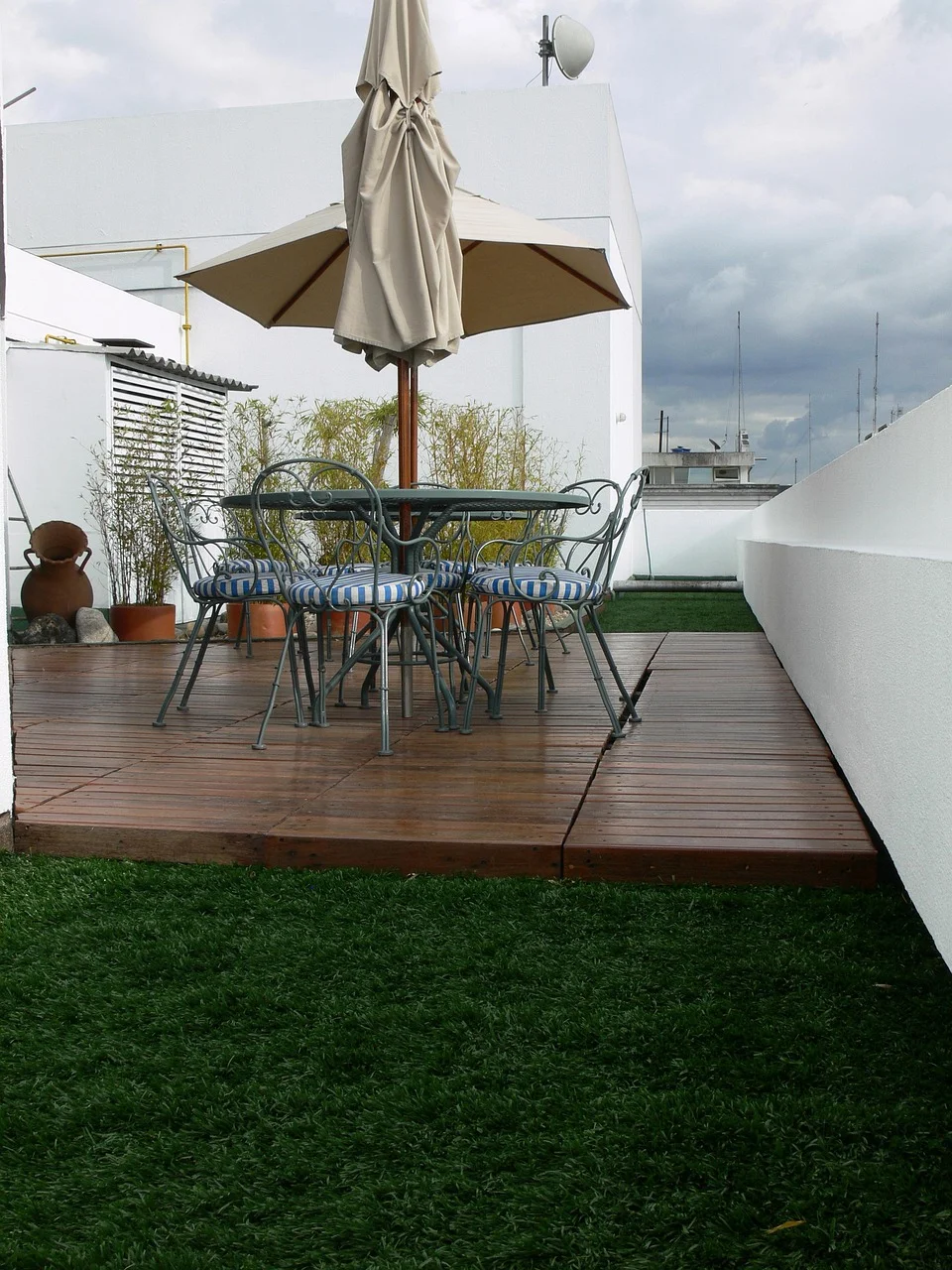
100% PVC decking – no wood fiber at all – runs $4 to $8 per linear foot, the most expensive category Home Depot carries. Because it’s pure plastic, PVC won’t absorb moisture the way composite (which still contains wood fiber) can, making it the better choice for docks, pool decks, or ground-level installations in consistently wet climates. It’s also noticeably lighter than composite, which can matter on a raised or rooftop structure.
If PVC is the material you’re most interested in, our dedicated guide to PVC deck boards at Home Depot breaks down specific product lines, exact pricing, and installation pros and cons in more depth than fits here.
The Cost Most Buyers Forget: Hidden Fasteners
Every price-per-square-foot figure quoted at Home Depot (or by any decking brand) is for the boards alone. Grooved composite and PVC boards – the profile most buyers choose for a clean, screw-free surface – require a hidden fastener clip at every joist intersection, and that hardware is priced and sold separately.
Budget roughly $0.30 to $0.60 per square foot of decking for fasteners. On a 300 sq. ft. deck, that’s an extra $90-$180 that a lot of first-time buyers don’t discover until they’re standing at the ProDesk with a cart full of boards. Name-brand fastener packs (Trex, TimberTech) typically run $30-50 per 100-count box; compatible universal packs cost less and still fit the same grooved-board profile – see the pick below.
Installation Tips
A few things matter more for a smooth install than the material choice itself:
- Check local building codes before buying. Joist spacing requirements differ by material – composite and PVC often require tighter joist spacing (12″ on-center instead of 16″) than solid wood to prevent sagging between boards.
- Plan for expansion gaps. Composite and PVC expand and contract with temperature more than wood does; leave the gap the manufacturer specifies between board ends, usually 1/8″ to 1/4″.
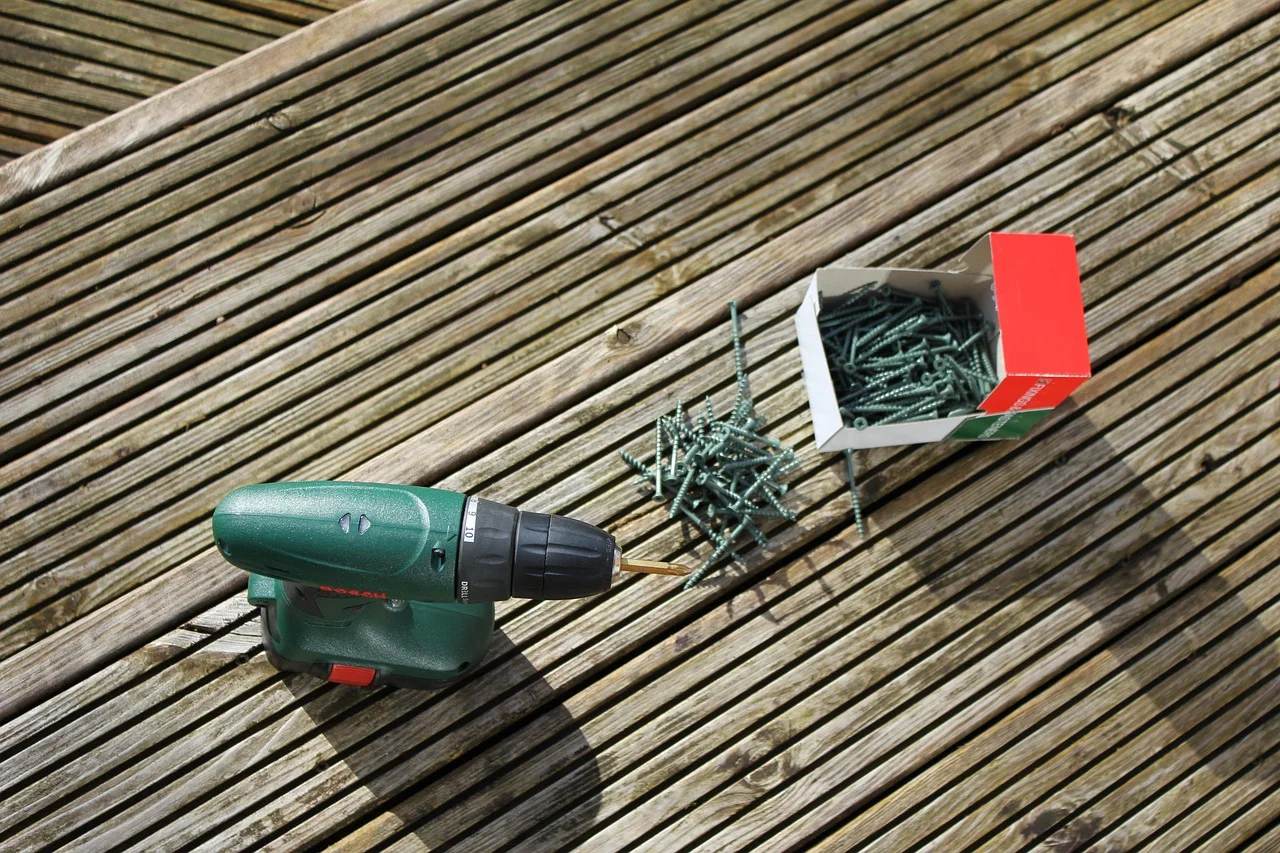
- Match fasteners to the board profile. Grooved boards need hidden fastener clips; square-edge boards get face-screwed with color-matched composite screws. Using the wrong type either won’t fit or will show on the surface.
- Pre-drill pressure-treated wood near the ends. It splits easily within a few inches of a cut end without a pilot hole.
Maintenance: What Each Material Actually Needs
Pressure-treated wood needs a wash with mild detergent and a soft-bristle brush a couple of times a year, plus a water-repellent sealer reapplied every 1-2 years – skip it and the boards gray, check, and eventually cup. Cedar and redwood need the same sealing schedule to keep their color; left unsealed, both weather to a silver-gray patina that some homeowners actually prefer.
Composite and PVC need far less: an occasional wash with soap and water removes most surface dirt and pollen, and neither material needs sealing, staining, or a pressure washer (which can actually damage the capped surface of some composite boards if held too close). That lower maintenance is the entire reason composite and PVC cost more up front – the price difference buys back yearly weekends you’d otherwise spend sealing wood.
Frequently Asked Questions
What decking materials does Home Depot sell?
Home Depot stocks pressure-treated pine, cedar, and redwood lumber, composite decking from brands like Trex, TimberTech, and Fiberon (plus Home Depot’s own ChoiceDek and Veranda lines), and 100% PVC/vinyl decking. Selection varies by store, so check local inventory online before driving out for a specific board.
Is composite or PVC decking better than wood at Home Depot?
Neither is strictly better – it depends on budget and maintenance tolerance. Pressure-treated wood costs the least upfront (roughly $1.50-$3 per linear foot) but needs sealing every 1-2 years. Composite ($3-$6 per linear foot) and PVC ($4-$8 per linear foot) cost more initially but need no staining and typically carry 25-50 year warranties.
Grooved composite and PVC boards require hidden fasteners instead of surface screws, which most buyers don’t see priced at the register. Budget roughly $0.30-$0.60 per square foot of decking for fasteners – name-brand packs run $30-50 per 100 clips, while compatible universal packs are often under $20.
Does Home Depot decking come with a warranty?
Pressure-treated wood typically carries a limited lifetime warranty against rot and insect damage (not fading or warping). Composite brands like Trex and TimberTech commonly offer 25-50 year limited warranties covering structural integrity and, on higher tiers, staining and fading. PVC decking warranties run similarly long. Always register the product after purchase – most brands require it.
Bottom Line
Pick pressure-treated wood if the upfront budget matters most and you don’t mind sealing it every year or two. Pick composite (ChoiceDek or Veranda if budget is tight, Trex or TimberTech if you want the longer warranty) if you’d rather pay more once and do almost nothing afterward. Pick PVC if the deck sits somewhere consistently wet, like near a pool or on a dock. Whichever you choose, price the hidden fasteners into the total before you check out – it’s the one number that never shows up on the board’s price tag.
Sponsored / affiliate links. As an Amazon Associate I earn from qualifying purchases. I may earn additional commission from eligible campaigns.