How Much Wood Ash to Raise pH: Essential Guidelines
Imagine having the power to transform your garden soil just by using something as simple as wood ash. It’s like discovering a secret ingredient that could unlock the full potential of your plants.
But how much wood ash do you actually need to raise the pH of your soil? This is the question that puzzles many gardeners. You might be wondering if too little will be ineffective, or if too much could harm your plants.
Understanding the right balance is key, and that’s exactly what we’re going to explore. By the end of this article, you’ll know exactly how to use wood ash to create the perfect soil environment for your garden to thrive. Stick with us, and you’ll gain insights that could make your gardening efforts more rewarding than ever before.
Credit: thepolycultureproject.medium.com
Benefits Of Wood Ash For Soil
Wood ash can help improve soil health. It adds important nutrients like calcium and potassium. These nutrients help plants grow strong. Wood ash can also raise the soil’s pH level. This is good for plants that prefer less acidic soil. Always check your soil’s pH before using wood ash. Some soils are already too alkaline. Wood ash can also improve soil structure.
It makes heavy clay soils less sticky. This helps water move through the soil better. Use wood ash in small amounts. Too much can harm your plants. Always spread it evenly over the soil. This way, plants can get the benefits without any harm.
Understanding Soil Ph
Soil pH tells us how acidic or basic the soil is. Plants need the right pH to grow well. Most plants like a pH between 6 and 7. Wood ash can help raise soil pH. It is a natural way to make soil less acidic.
Always check the current pH before using wood ash. Too much wood ash can harm plants. Use it only when needed. Small amounts are usually best. A cup of wood ash for each square yard is a safe start. Mix it into the topsoil well. This helps spread the ash evenly. Keep checking the soil pH often. Adjust as needed for healthy plants.
Factors Affecting Ph Adjustment
Different soils have different needs. Sandy soil reacts fast to changes. Clay soil takes longer to adjust. This is due to their composition. Sandy soils have larger particles. They allow water and nutrients to move quickly. Clay soils have smaller particles. They hold water and nutrients longer. Knowing your soil type helps. It guides the amount of wood ash needed.
Start by testing your soil pH. Soil tests tell you the current level. Acidic soils have low pH. Alkaline soils have high pH. Wood ash raises pH. It is alkaline. Use tests to find how much ash you need. More ash is needed for very acidic soil. Less ash is needed for slightly acidic soil.
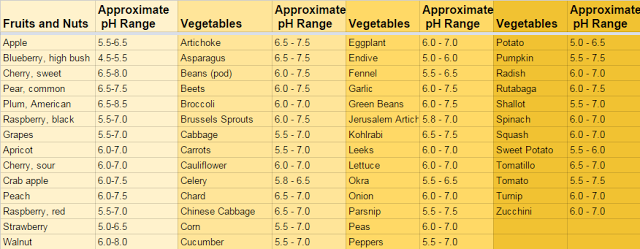
Plants need different pH levels. Vegetables often like neutral pH. Fruit trees may prefer slightly acidic soil. Check the pH needs of your plants. This helps with ash amounts. Right pH supports plant growth. It ensures healthy roots and leaves.
Credit: extension.unh.edu
Calculating Wood Ash Requirements
Soil pH tells us how acidic or alkaline the soil is. Use a simple pH test kit for this. Follow the instructions on the kit. It is important to know the soil’s starting pH. This helps decide how much wood ash is needed. Accurate results ensure the right amount of ash is used. Too much can harm plants.
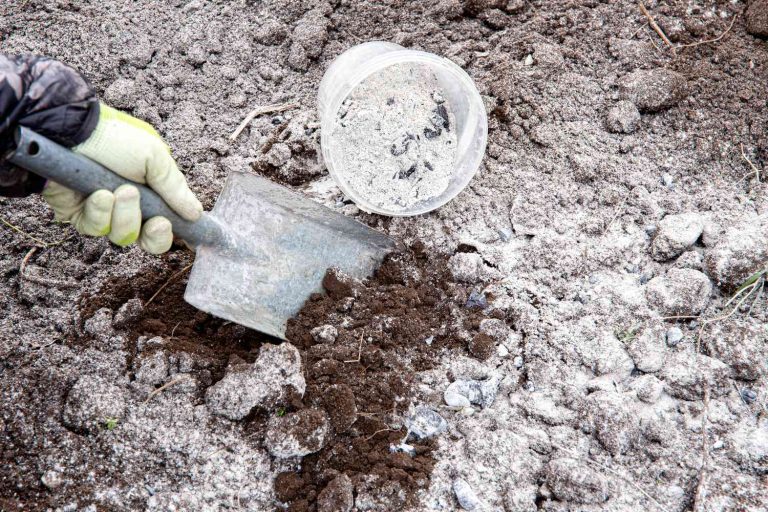
Add wood ash to raise the soil pH. Only a small amount is needed. Usually, 10 to 20 pounds of ash can cover a 1,000 square foot area. Always start with a small amount. Check the soil pH again after adding ash. Adjust the amount if needed. Remember, ash can change soil pH quickly. Use it carefully to avoid harming plants.
Application Techniques
Spread the wood ash evenly on the soil. Use a rake to help. This ensures that the ash covers all areas. Too much ash in one spot is not good. It can hurt plants. Balance is key.
Apply wood ash in the fall or winter. This helps the soil absorb it. Do not use wood ash too often. Once a year is enough. Too much ash can make the soil too alkaline. Always test the soil before adding more.

Credit: www.youtube.com
Precautions And Considerations
Too much wood ash can be bad for soil. It can make the soil too alkaline. This means plants won’t grow well. Some plants need acidic soil. Too much ash can hurt these plants. Always be careful with how much you use. Too much ash can also harm small animals in the soil. This can make the soil less healthy.
Check soil health often. Use a soil test kit. This will help you know the pH level. If the pH is too high, stop using ash. Use other ways to make soil better. Keep soil rich with good nutrients. Healthy soil helps plants grow strong. Soil testing is a good habit to have.
Alternative Methods For Ph Adjustment
Lime is a common soil amendment. It helps to raise the pH level. Adding lime can make soil less acidic. Lime comes in different forms. Powdered lime works fast. Pellet lime is easy to spread. Other amendments include calcitic lime and dolomitic lime. Calcitic lime adds calcium. Dolomitic lime adds magnesium too.
Wood ash is an organic choice. It raises soil pH. Use wood ash from untreated wood. Coffee grounds can help too. They are slightly acidic. Mix them into soil for balance. Eggshells add calcium. They can neutralize acidity. Compost is another option. It helps improve soil health. Good for plants.
Success Stories And Case Studies
Farmers shared their experiences using wood ash. One farmer used wood ash on a small patch of land. The soil pH improved quickly. Plants grew better and were healthier. Another farmer spread ash over a larger field. The results were positive as well. Crops were stronger and produced more fruit. Gardeners used ash in flower beds. Flowers bloomed more vibrantly. Soil tests showed the pH was balanced.
Each story showed success with careful use of wood ash. The key was to use the right amount. Too much ash can harm plants. Proper measurement is important. Many found success by testing the soil first. Adjustments were made based on the results. Wood ash helped in many gardens and farms.
Frequently Asked Questions
How Much Does Wood Ash Raise Ph?
Wood ash can raise soil pH by 0. 5 to 1. 5 units. It depends on the type and amount used. Always test soil pH before and after application to monitor changes effectively. Use sparingly to avoid over-alkalization, which can harm plants.
Which Plants Do Not Like Wood Ash?
Plants like blueberries, azaleas, rhododendrons, and camellias dislike wood ash. These plants prefer acidic soil, and wood ash can raise soil pH, making it alkaline. Avoid using wood ash around these acid-loving plants to maintain healthy growth and soil conditions.
What Is The Fastest Way To Raise Ph In Soil?
Apply agricultural lime to quickly raise soil pH. Lime neutralizes acidity, making soil more alkaline. Calculate application based on current pH and soil type. Spread lime evenly, then water to activate. Regular testing ensures optimal pH levels for plant health.
Choose finely ground lime for faster results.
How Much Wood Ash Should I Put On My Tomatoes?
Use half a cup of wood ash per tomato plant. Spread it evenly around the base. Wood ash boosts potassium levels, enhancing growth and fruit production. Avoid overapplication, which might increase soil alkalinity. Ensure the soil isn’t already alkaline before adding ash.
Conclusion
Understanding wood ash helps balance soil pH. It’s crucial for healthy plants. Aim for small amounts of ash. Test soil regularly for best results. Too much ash can harm plants. Always mix ash well into soil. Wood ash is a natural choice.
It can enrich your garden. Remember, moderation is key. Adjust based on soil needs. Simple steps lead to thriving plants. Your garden will thank you. Keep experimenting with care. With patience, you’ll see improvement. Happy gardening!