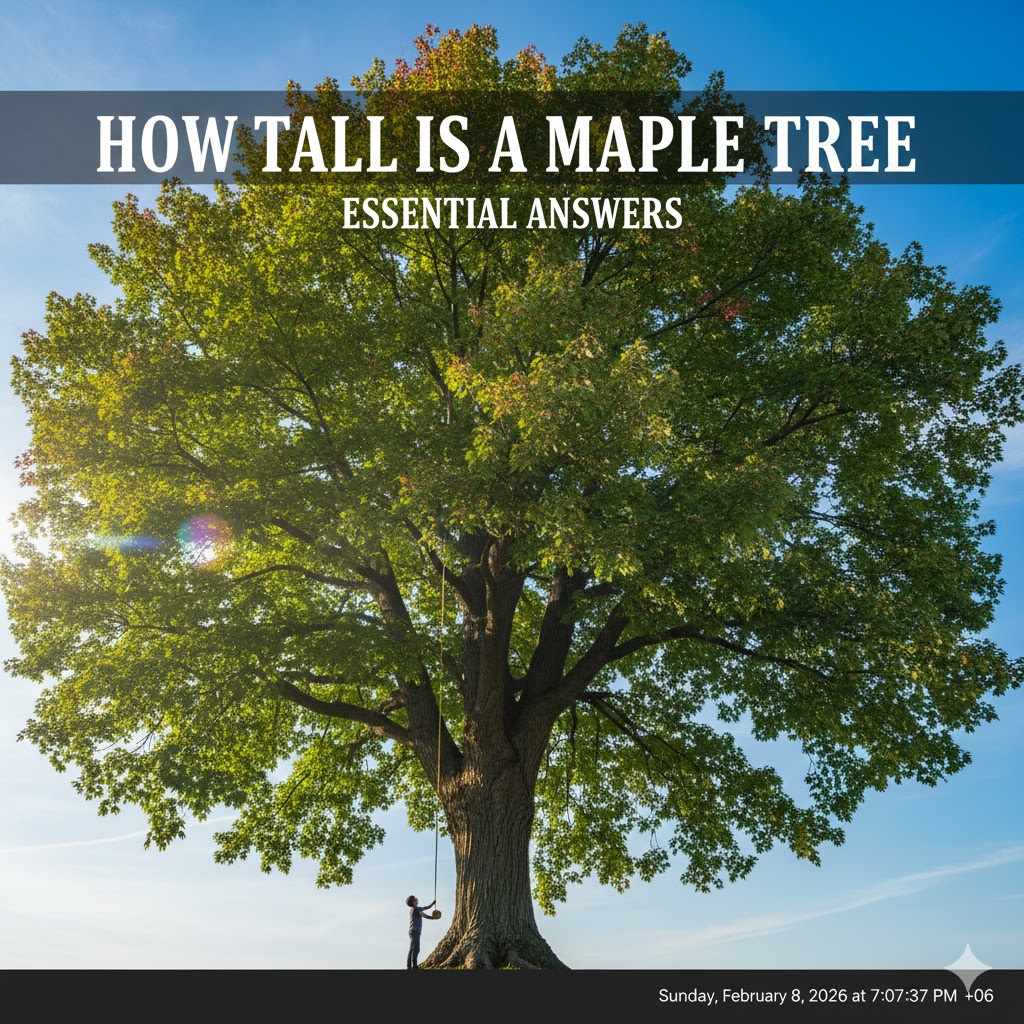
How Tall Is a Maple Tree: Essential Answers
A maple tree’s height depends entirely on its species. While dwarf varieties like the Japanese Maple may only reach 15 to 25 feet, towering species like the Sugar or Red Maple can soar to impressive heights of 60 to 90 feet or more under ideal conditions. Most common backyard maples fall in the 40 to 70-foot range.
Hello, friends! Md Meraj here, your guide in the workshop and the yard. Have you ever stood beside a majestic maple tree and wondered just how tall it is? It’s a simple question with a surprisingly complex answer. For homeowners planning a new landscape or woodworkers eyeing a future project, knowing a tree’s potential height is crucial. It can feel a bit overwhelming trying to figure it out on your own.
But don’t worry, you’ve come to the right place. I’m here to clear up the confusion and give you straightforward answers. We’ll walk through the different types of maples, what affects their growth, and even a simple way to measure a tree in your own backyard. Let’s get you the confidence to understand these wonderful trees.
Not All Maples Are Created Equal
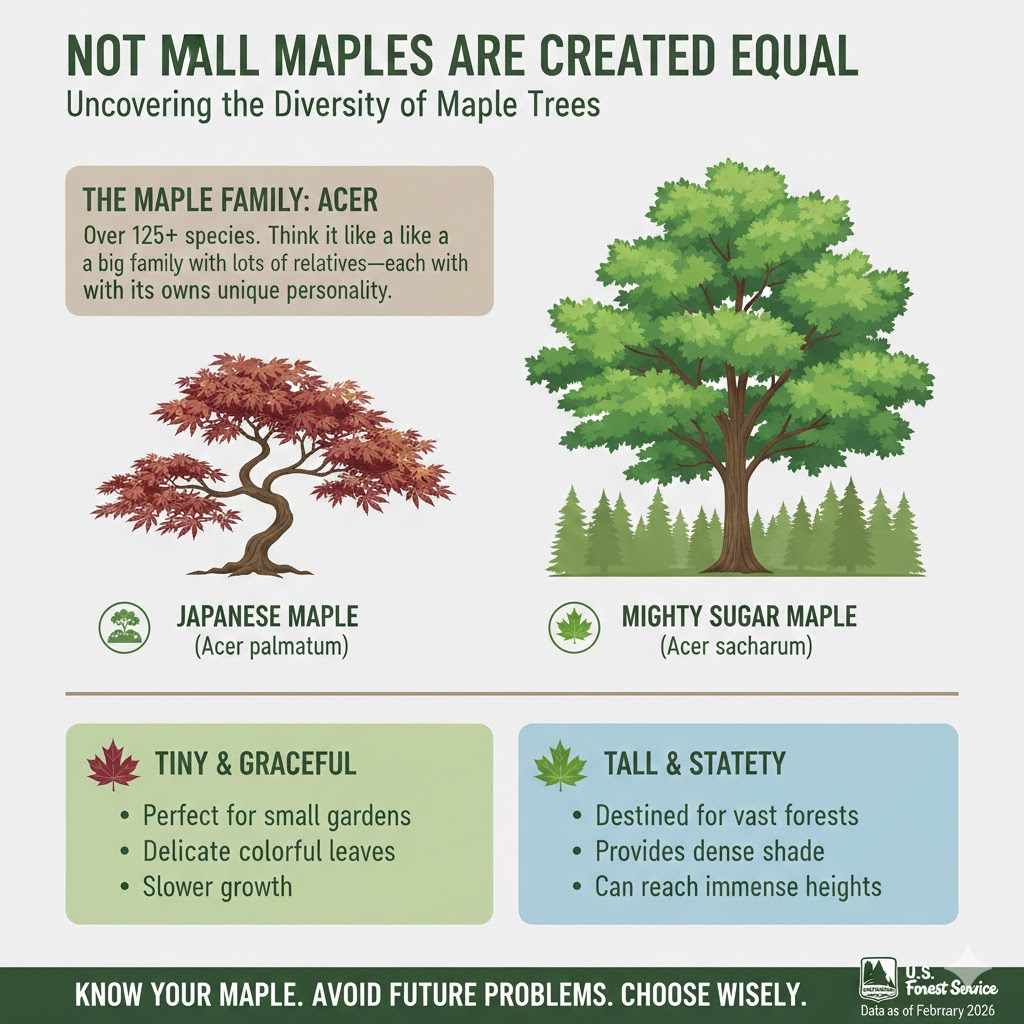
When someone says “maple tree,” they could be talking about any one of over 125 different species! These trees are all part of the same family, known scientifically as Acer. Think of it like a big family with lots of relatives—some are tall, some are short, and each has its own unique personality.
This diversity is what makes the answer to “how tall is a maple tree?” so varied. A tiny, graceful Japanese Maple meant for a small garden has a completely different growth plan than a mighty Sugar Maple destined for a vast forest. The first step to understanding a maple’s height is to know which type you’re looking at. This knowledge is your best tool for choosing the right tree for your space and avoiding future problems, like a tree that outgrows its welcome.
A Look at Common Maple Tree Heights
Let’s break down some of the most popular maple species you’ll find in neighborhoods and forests. We can group them into three general size categories: large, medium, and small. This makes it easier to picture how a particular tree might fit into your yard.
The Giants: Large Maple Trees (Over 60 feet)
These are the classic, towering maples that come to mind when you think of brilliant fall colors and sturdy, beautiful wood. They need plenty of space to spread their roots and branches. Planting one of these too close to a house or power line is a recipe for future headaches.
- Sugar Maple (Acer saccharum): The star of the show! The Sugar Maple is famous for its sweet sap (used to make maple syrup) and its incredibly hard, beautiful wood. In a forest setting, it can reach heights of 80 to 115 feet. In an open yard, it typically matures around 60 to 75 feet tall. Its fall color is a spectacular mix of yellow, orange, and red.
- Red Maple (Acer rubrum): One of the most common trees in North America, the Red Maple is a fast grower and very adaptable. It gets its name from its red twigs, red flowers, and stunning red fall foliage. It commonly grows to be 60 to 90 feet tall. Woodworkers appreciate its soft wood, which is easier to work with than Sugar Maple.
- Silver Maple (Acer saccharinum): If you want a big tree in a hurry, the Silver Maple is your answer. It’s one of the fastest-growing maples, often shooting up more than two feet per year. It can easily reach 50 to 80 feet, sometimes more. However, its fast growth leads to weaker wood, making it more prone to storm damage.
The Mid-Sized Favorites: Medium Maple Trees (30-60 feet)
These maples are often perfect for suburban yards. They provide great shade and color without becoming overwhelmingly large. They offer a great balance of presence and manageability.
- Norway Maple (Acer platanoides): For a long time, the Norway Maple was a popular street and yard tree because of its hardiness and tolerance for pollution. It typically grows 40 to 50 feet tall and has a very dense canopy that creates deep shade. However, it’s now considered an invasive species in many areas because its shade can crowd out native plants.
- Boxelder (Acer negundo): Also known as the Ash-leaved Maple, the Boxelder is a tough, adaptable tree often found along streams and in challenging urban environments. It grows quickly to a height of 35 to 50 feet. While not prized for its appearance or wood quality, it’s a resilient tree that can thrive where others might fail.
The Ornamental Stars: Small & Dwarf Maple Trees (Under 30 feet)
For small yards, patios, or adding a touch of elegance, small maples are the perfect choice. Their beauty comes from their delicate leaves, interesting shapes, and vibrant colors—not their size.
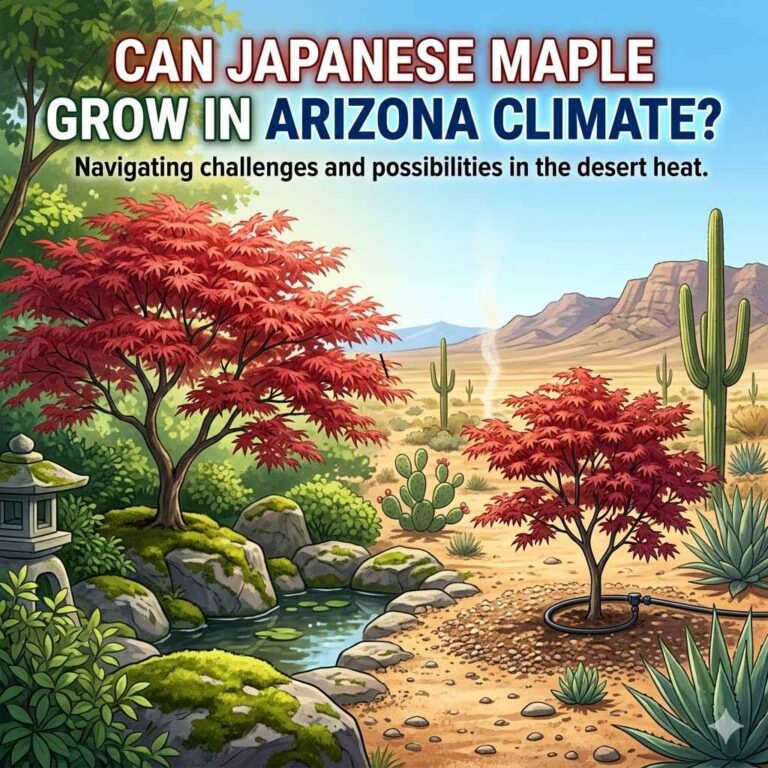
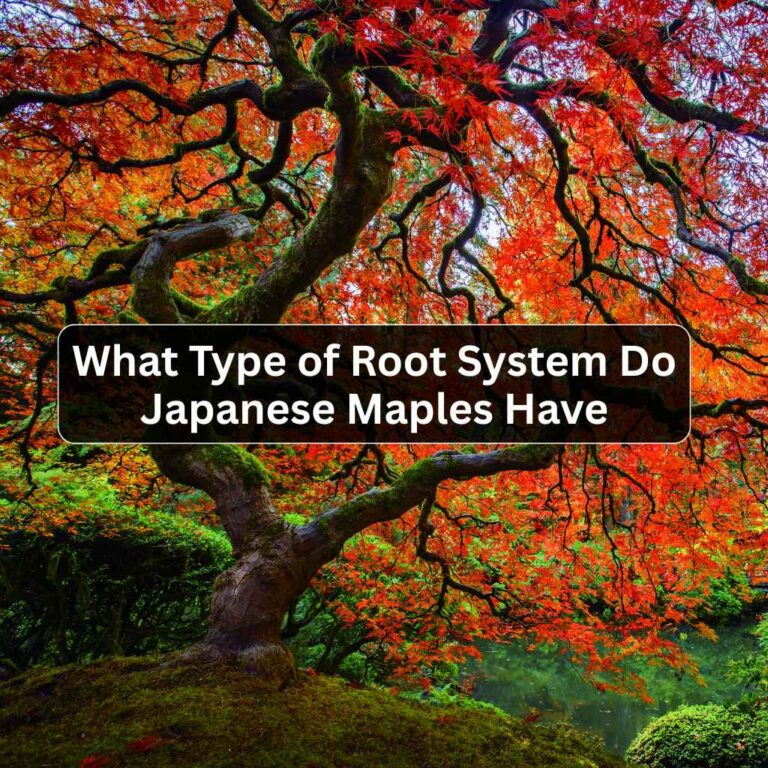
- Japanese Maple (Acer palmatum): The undisputed champion of ornamental trees. Japanese Maples are celebrated for their graceful forms and stunning leaf shapes, with colors ranging from deep reds and purples to bright greens and oranges. Most varieties stay between 15 and 25 feet tall, and some dwarf cultivars won’t get much taller than 4 to 8 feet, making them perfect for container gardening.
- Amur Maple (Acer ginnala): A very hardy small tree or large shrub, the Amur Maple is a great choice for colder climates. It grows to about 15 to 20 feet tall and wide. It’s known for its brilliant red fall color and fragrant spring flowers. It’s a tough, low-maintenance option for creating a screen or adding a splash of color.
Maple Tree Height Comparison Chart
Sometimes, seeing the numbers side-by-side makes it all click. Here is a simple chart to help you compare some of the most common maple trees you’ll encounter.
| Maple Species | Average Mature Height | Growth Rate | Key Features |
|---|---|---|---|
| Sugar Maple | 60 – 75 feet | Slow to Medium | Source of maple syrup; hard wood; brilliant fall color. |
| Red Maple | 60 – 90 feet | Medium to Fast | Very adaptable; beautiful red fall foliage. |
| Silver Maple | 50 – 80 feet | Very Fast | Weak wood; prone to storm damage; great shade tree. |
| Norway Maple | 40 – 50 feet | Medium | Dense shade; can be invasive in some regions. |
| Japanese Maple | 15 – 25 feet | Slow | Elegant form; great for small spaces and ornamental use. |
| Amur Maple | 15 – 20 feet | Slow to Medium | Very hardy; often grown as a multi-stemmed shrub. |
What Determines a Maple Tree’s Final Height?
A tree’s species sets the blueprint for its potential height, but its environment determines if it ever reaches that full potential. Several factors play a big role in how tall a maple tree will ultimately grow. Understanding these can help you give your tree the best chance to thrive.
It Starts with the Seed: Genetics
This is the most important factor. The genetic code of a Japanese Maple tells it to be a small, graceful tree. No amount of perfect soil or sunshine will ever make it grow to the height of a Silver Maple. When you choose a tree, you’re choosing its genetic potential. Always research the specific cultivar you are buying, as even within a species like the Japanese Maple, there are hundreds of varieties with different mature sizes.
The Right Home: Soil and Nutrients
Maple trees, like most plants, need good soil to grow strong. They generally prefer well-drained, moist, and slightly acidic soil. Heavy clay soil that stays soggy can lead to root rot, while very sandy soil can dry out too quickly. A lack of essential nutrients will stunt a tree’s growth, resulting in a shorter, less healthy tree. You can learn more about your local soil composition through resources like the Web Soil Survey from the USDA.
Reaching for the Sky: Sunlight
Maples are sun-loving trees. Most species need at least six hours of direct sunlight per day to grow vigorously. A tree planted in deep shade will grow slowly and may become thin and “leggy” as it stretches to find light. This can result in a weaker structure and a shorter final height. Full sun allows the tree to produce the energy it needs for strong, steady growth.
The Lifeblood: Water and Rainfall
Consistent moisture is key, especially when a tree is young. A prolonged drought can stress a maple tree, slowing its growth significantly. In its first few years after planting, regular watering helps the tree establish a deep and healthy root system. Once mature, most maples are fairly drought-tolerant, but they will always perform best with adequate rainfall.
A Favorable Environment: Climate and Zone
Every tree has a preferred climate. The USDA Plant Hardiness Zone map helps you determine which trees will survive the winter temperatures in your area. Planting a maple that isn’t suited for your zone can lead to stress, damage, and stunted growth. For example, a maple that prefers cooler climates might struggle and never reach its full height in a hot, southern region.
A Simple DIY Method to Measure a Tree’s Height
Curious about a tree in your own yard? You don’t need fancy equipment to get a good estimate of its height. The “stick method” is a fun and surprisingly accurate way to do it. Here’s how you and a friend can measure a tree in just a few minutes.
- Find a Straight Stick: Grab a stick that is about the length of your arm.
- Position Your Friend: Have your friend stand at the base of the tree. They will be your reference point.
- Back Away from the Tree: Walk backward from the tree, holding the stick straight up in front of you with your arm fully extended.
- Align the Stick: Keep walking back until the top of the stick appears to line up with the top of the tree, and the bottom of the stick lines up with the base of the tree. You are essentially “framing” the entire tree with the stick held at arm’s length.
- Hold Your Position: Once it’s perfectly aligned, stop and stay in that exact spot.
- Turn the Stick: Without moving your feet or your arm, rotate your wrist so the stick is now horizontal (parallel to the ground), with one end still appearing to touch the base of the tree.
- Guide Your Friend: Look at where the other end of the horizontal stick is pointing on the ground. Have your friend walk from the base of the tree to that spot.
- Measure the Distance: The distance your friend just walked is roughly equal to the height of the tree! Use a tape measure to find the exact distance. It’s a simple trick of triangles and perspective that works remarkably well.
Why Knowing a Maple’s Height Matters
This isn’t just a fun fact to know. Understanding the potential height of a maple tree is one of the most practical things a homeowner, gardener, or woodworker can learn. It has real-world implications for safety, planning, and enjoyment of your property.
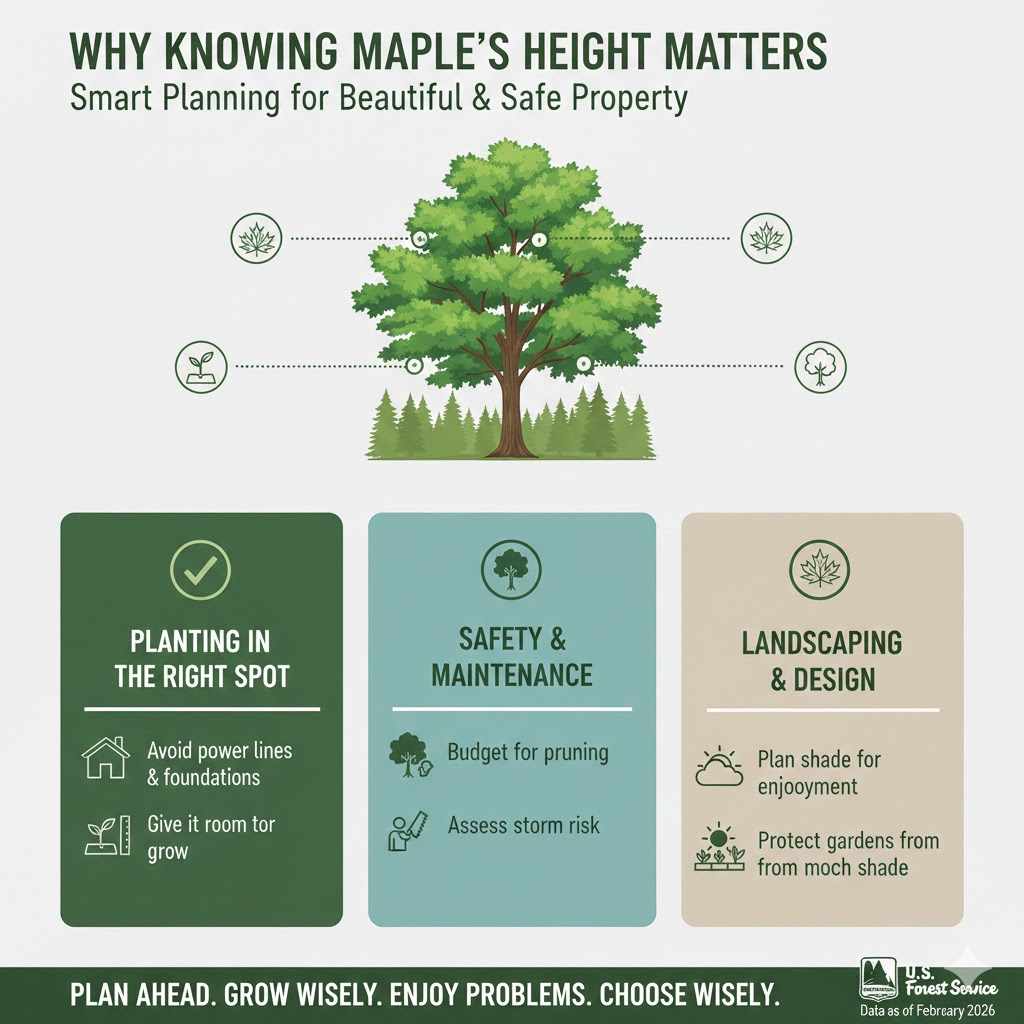
- Planting in the Right Spot: This is the big one. A tree’s mature height dictates where it can be safely planted. A Red Maple that will grow 70 feet tall should never be planted under power lines or too close to your home’s foundation. Knowing its ultimate size allows you to give it enough space to grow without causing expensive problems down the road.
- Safety and Maintenance: Large trees require maintenance. Pruning large branches is a job for professionals and can be costly. Knowing a tree’s potential size helps you budget for its future care. It also helps you assess risk—a towering Silver Maple with weak wood might be a bigger hazard in a storm than a sturdy, smaller Sugar Maple.
- Landscaping and Garden Design: A tree’s height affects the amount of shade it will cast. A tall, wide maple can create a beautiful shady spot for a patio, but it could also block sun from a vegetable garden or smaller plants that need light to thrive. Planning your landscape around a tree’s mature size ensures a balanced and healthy garden for years to come.
- For the Woodworker: As a woodworker, I look at a tall, straight maple and see future projects! The height and trunk diameter of a mature tree determine its potential lumber yield. A tall Sugar Maple could provide long, clear boards perfect for furniture, while a smaller, twisted tree might be better for small craft projects or firewood.
Frequently Asked Questions About Maple Tree Height
What is the tallest maple tree species?
The Bigleaf Maple (Acer macrophyllum), native to the Pacific Northwest, is generally considered the tallest species. In its ideal native habitat, it can reach heights of over 100 feet, sometimes approaching 150 feet. However, for most of North America, the Sugar Maple and Red Maple are the most common tall-growing species.
Can I keep a large maple tree small by pruning?
While regular pruning can help manage the size and shape of a tree, you cannot permanently keep a large species like a Silver or Sugar Maple small. Attempting to do so often leads to a stressed, unnaturally shaped tree that requires constant, heavy pruning. It’s always better to choose a tree that has a naturally appropriate size for your space, like a Japanese or Amur Maple.
How close to my house can I plant a maple tree?
A good rule of thumb is to plant a tree at a distance of at least half of its mature canopy width away from your foundation. For a large maple that could have a 50-foot spread, that means planting it at least 25 feet away. For small ornamental maples, 10-15 feet is often sufficient. This prevents roots from damaging the foundation and branches from scraping the roof.
Do maple trees have deep roots?
Maple trees generally have shallow, fibrous root systems that spread out wide rather than going deep. The majority of a maple’s roots are in the top 12-18 inches of soil. This is why it’s important not to plant them too close to sidewalks, driveways, or septic systems, as the surface roots can cause damage over time.
How long does it take for a maple to get tall?
This depends on the species’ growth rate. A fast-growing Silver Maple might reach 50 feet in just 20-25 years. A slower-growing Sugar Maple might take 40-50 years to reach the same height. Ornamental Japanese Maples grow very slowly, often taking more than a decade to reach their full, yet modest, height.
Are there maple trees that stay under 10 feet tall?
Yes! There are many dwarf cultivars, especially among Japanese Maples. Varieties like ‘Mikawa yatsubusa’ or ‘Coonara Pygmy’ are true dwarfs that may only reach 4 to 6 feet in height over many years. These are excellent choices for rock gardens, small spaces, or growing in containers.
Choosing the Right Maple for Your Journey
As we’ve seen, the height of a maple tree isn’t just one number—it’s a story told by the tree’s genetics and the world around it. From the small, delicate Japanese Maple adding a touch of grace to a quiet corner, to the towering Sugar Maple standing guard over a yard for generations, there is a maple for every space and purpose.
The key is to do a little homework before you plant. By understanding the different species and considering their mature height, you’re not just planting a tree; you’re making a wise, long-term decision for your home and landscape. You are setting yourself up for years of enjoyment, whether you’re relaxing in its shade, admiring its autumn fire, or planning a future woodworking project.
I hope this guide has given you the confidence and clarity you were looking for. Happy planting, and as always, happy crafting!