How to Apply Linseed Oil: Achieve a Perfect Finish Every Time
To apply linseed oil, start by preparing the surface. Then, apply the oil evenly and let it soak in.
Linseed oil is a fantastic natural finish for wood. It enhances the grain and provides protection. Applying it correctly can make a big difference in the final look of your project. Whether you are treating furniture, floors, or outdoor wood items, knowing the steps to apply linseed oil is essential.
This guide will walk you through the process, ensuring that your wood items look beautiful and last longer. Let’s dive into the details of how to properly apply linseed oil to get the best results.
Introduction To Linseed Oil
Linseed oil comes from the seeds of the flax plant. It is also known as flaxseed oil. This oil is popular for its many uses. It is used in wood finishing, painting, and even in cooking. Linseed oil is natural and safe. It has been used for centuries. Many people love it for its protective properties. This oil can deeply penetrate surfaces. It leaves a shiny and smooth finish.
What Is Linseed Oil?
Linseed oil is a natural oil. It is pressed from flax seeds. This oil is used in many ways. It can be used on wood and metal. People also use it for health reasons. Linseed oil has a rich, golden color. It has a mild, nutty smell. This oil is very versatile. It is a popular choice in many homes.
Benefits Of Using Linseed Oil
Linseed oil offers many benefits. It protects wood from water. It prevents wood from drying out. This oil gives wood a nice shine. It is also good for metal. It can prevent rust. Linseed oil is safe and natural. It has no harmful chemicals. Many people use it for its healing properties.
Credit: www.woodsmith.com
Choosing The Right Linseed Oil
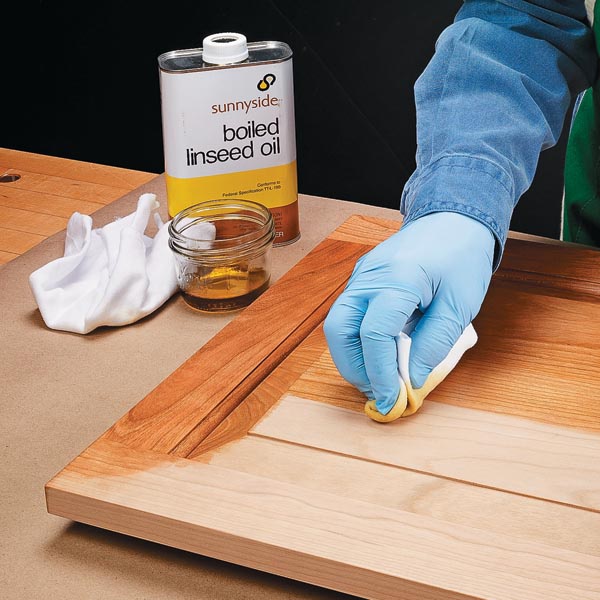
Raw linseed oil is pure and takes longer to dry. It soaks into wood deeply. Boiled linseed oil dries faster.
Preparing The Surface
Clean the surface before applying linseed oil. Use a mild soap and water to wash it. Dry the surface well with a clean cloth. Remove any old paint or varnish. Make sure there is no dust or dirt left. A clean surface helps the oil to penetrate better.
Sand the surface to make it smooth. Use a fine-grit sandpaper for best results. Sand in the direction of the wood grain. This prevents scratches. Wipe away dust after sanding. Sanding helps the oil to soak in evenly.
Applying Linseed Oil
Gather the tools first. You will need a few items. Linseed oil is the main one. Clean rags or cloths are important. A brush or sponge helps. Use sandpaper for the wood. Keep a container for the oil. Have gloves for your hands. Safety is key. These tools make the job easier.
Start with clean wood. Sand the surface lightly. Remove dust with a cloth. Pour some oil into a container. Dip the brush or cloth in the oil. Apply the oil in thin layers. Rub it into the wood. Let it soak for 15 minutes. Wipe off excess oil. Wait 24 hours before adding another layer. Repeat if needed. Two or three coats are usually enough. Let the final coat dry completely.
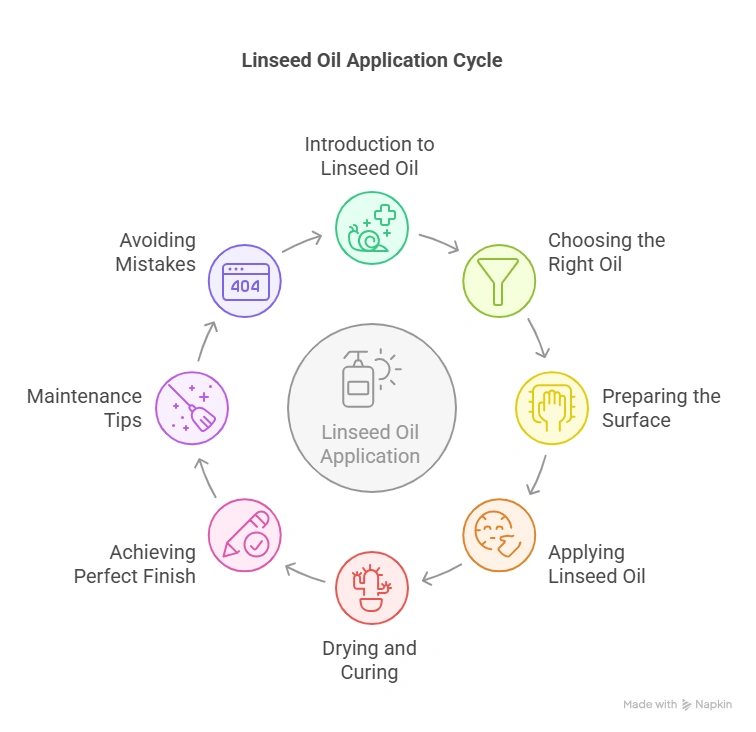
Drying And Curing Process
Linseed oil usually takes about 24 to 48 hours to dry. Drying time can vary based on the room temperature and humidity. Warmer and drier conditions help it dry faster. Ensure the oil is spread in a thin layer. Thick layers take longer to dry. Patience is key to achieve the best results.
After drying, the linseed oil needs to cure. Curing can take a few weeks. During this time, keep the surface clean and dry. Avoid placing objects on the treated area. This helps the oil set well. Proper curing ensures a strong and lasting finish.
Achieving The Perfect Finish
Linseed oil needs multiple coats for a perfect finish. Each coat must dry completely before adding the next. The first coat soaks into the wood. Later coats build a strong layer on top. Thin coats are best for smooth results. Apply the oil with a clean cloth. Rub it in with circular motions. Let the oil sit for 30 minutes. Then, wipe off any excess oil. Repeat this process three to four times.
After the final coat, buff the surface for extra smoothness. Use a soft cloth for this step. Rub the cloth over the wood in small circles. This helps to remove any rough spots. Buffing also gives a nice shine to the wood. Do not rush this step. Take your time to ensure a perfect finish. Enjoy your beautifully finished wood piece.
Maintenance Tips
Regular cleaning keeps surfaces looking great. Use a soft cloth to wipe the surface. Avoid harsh chemicals. They can damage the oil finish. Warm water and mild soap work best. Dry the surface after cleaning. This prevents water spots.
Reapply linseed oil every few months. This keeps the surface protected. Start by cleaning the area. Apply a thin coat of oil. Let it soak for 15 minutes. Wipe off any excess oil. Allow to dry for 24 hours. Repeat process if needed.
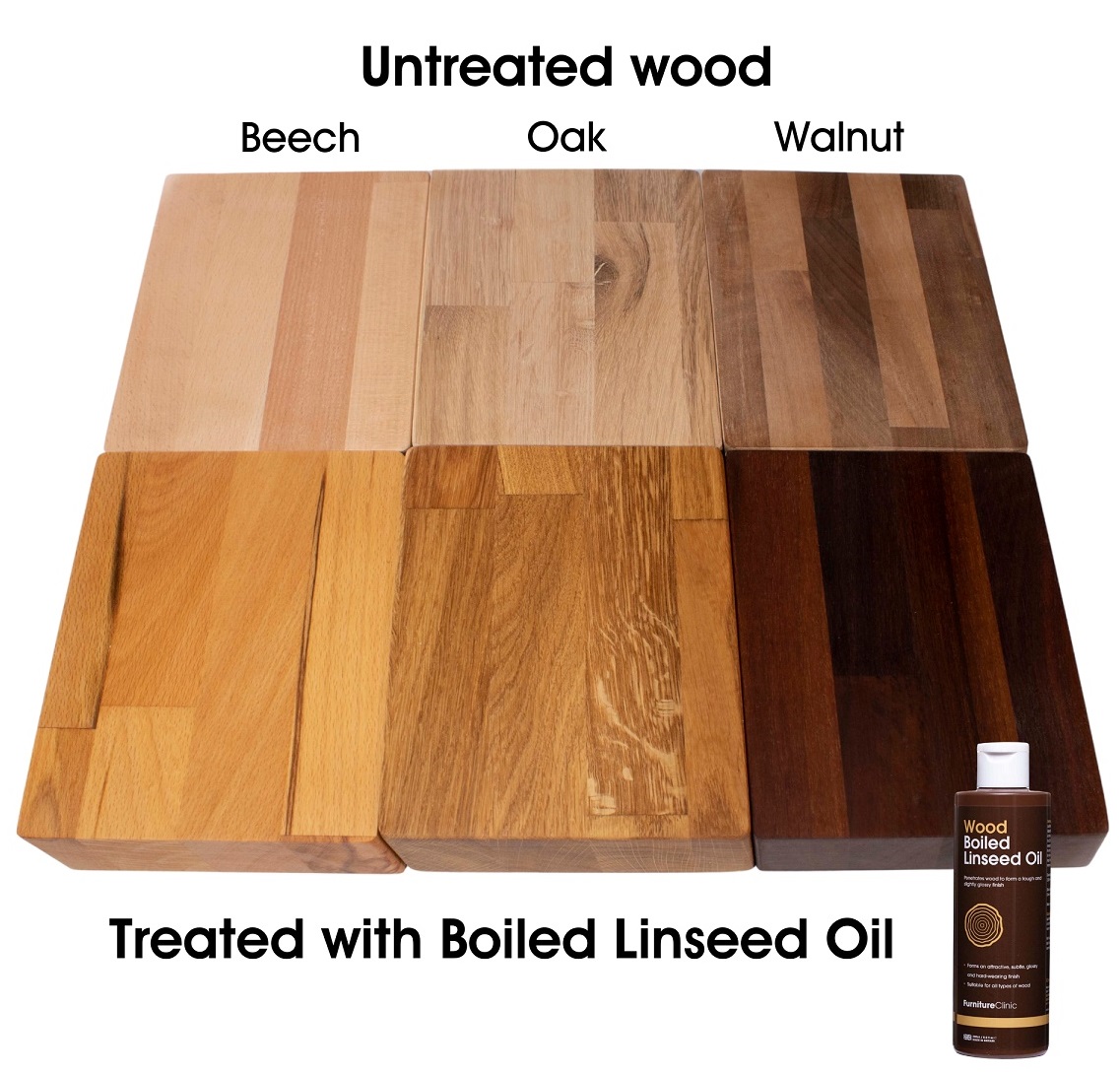
Credit: www.furnitureclinic.com
Common Mistakes To Avoid
Applying linseed oil improperly can lead to uneven finishes. Ensure the wood is clean and dry before application. Avoid using too much oil, as it can create a sticky surface.
Over-application Issues
Using too much linseed oil can lead to sticky surfaces. Excess oil does not dry properly. It can attract dust and dirt. Always apply thin layers. Let each layer dry well. This avoids build-up and ensures a smooth finish.
Skipping Surface Preparation
Prepping the surface is vital. Clean the wood before applying oil. Remove old finishes or dirt. Sand the wood lightly. This helps the oil absorb better. Proper prep ensures long-lasting protection. Always ensure the surface is dry. This avoids uneven application.
Frequently Asked Questions
How Should Linseed Oil Be Applied?
Apply linseed oil to clean, dry wood with a brush or cloth. Let it soak for 30 minutes. Wipe off excess oil. Allow it to dry for 24 hours. Repeat if necessary for additional coats.
Do You Apply Linseed Oil With A Brush Or Rag?
Apply linseed oil using a rag for better control and coverage. Brushes can leave streaks and uneven layers.
How Long Do You Leave Linseed Oil On Before You Wipe It?
Leave linseed oil on for 15-20 minutes before wiping off the excess. Ensure the surface is dry.
How Many Coats Of Linseed Oil Should I Apply?
Apply at least two to three coats of linseed oil. Let each coat dry for 24 hours.
Conclusion
Applying linseed oil is simple and effective. It protects and enhances wood. Follow the steps carefully for the best results. Clean the surface well before starting. Use a brush or cloth to apply. Let the oil soak in, then wipe off excess.
Repeat if needed for a smooth finish. Your wood will look great and last longer. Enjoy the natural beauty linseed oil brings. Happy woodworking!