Linseed Vs Teak Oil: Which is Best for Wood Protection?
Linseed oil and teak oil serve distinct purposes in wood treatment. Both oils rejuvenate and protect wood surfaces effectively.
Choosing between linseed oil and teak oil for your wood projects can be tricky. Each oil offers unique benefits. Linseed oil, derived from flaxseed, is renowned for its ability to deeply penetrate wood, enhancing durability and finish. It works well for indoor furniture, floors, and sports equipment, providing a protective layer against wear.
Teak oil, on the other hand, is excellent for outdoor wood surfaces like boats and furniture. It cleans, restores, and protects against drying and damage while offering a natural matte finish. Understanding the properties and applications of these oils will guide you in selecting the right product for your specific wood maintenance needs.
Our Pick If You Just Need One Bottle
Best for Outdoor/Marine Wood
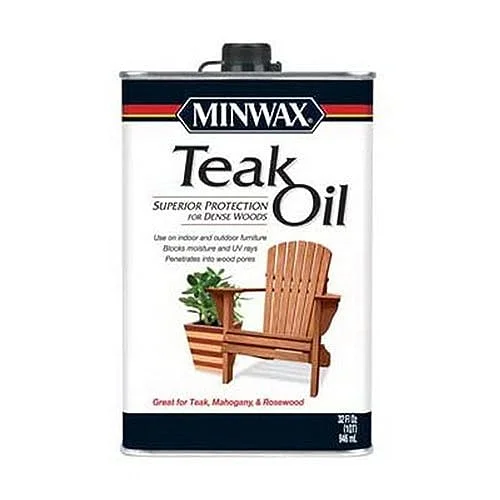 |
Minwax Helmsman Teak Oil, 1 Quart – $12.96 Formulated specifically for dense, oily outdoor woods like teak – more water-resistant than plain linseed oil for boats, patio furniture, and marine trim.
|
When to Use Each Oil
Linseed oil (boiled, for faster drying) penetrates deep into open-grained woods and is the better choice indoors – furniture, floors, and sports equipment like tool handles and baseball bats. Teak oil is really a blend formulated for dense, naturally oily woods like teak and other tropical hardwoods, giving better water resistance for anything that lives outside: boats, patio furniture, and outdoor benches. Using linseed oil on teak works but underperforms teak oil’s outdoor water resistance; using teak oil indoors works fine but isn’t necessary and costs more per application.
Frequently Asked Questions
What Is The Difference Between Linseed And Teak Oil?
Linseed oil is derived from flax seeds, offering deep penetration and protection. Teak oil, often a blend of oils, is specifically formulated for dense woods like teak. It provides a more water-resistant finish. Both oils protect wood but cater to different wood types and finishes.
Can Linseed Oil Be Used On Teak Wood?
Linseed oil can be used on teak wood, but it’s not ideal. Teak oil is specifically formulated for teak and other dense woods, offering better protection and finish. Linseed oil is more suited for other types of wood where deep penetration is needed.
How Often Should I Apply Teak Oil?
Teak oil should be applied every 3 to 6 months, depending on exposure to elements. Regular application helps maintain the wood’s appearance and protection. For outdoor furniture, more frequent application might be necessary to prevent drying and damage.
Is Boiled Linseed Oil Safe For Indoor Use?
Boiled linseed oil is generally safe for indoor use. It dries faster than raw linseed oil, reducing VOC emissions. However, ensure good ventilation during application. It enhances the natural beauty of indoor wood furniture, offering a durable finish.
Does Teak Oil Darken Wood Over Time?
Teak oil can slightly darken wood, enhancing its natural grain and richness. Over time, repeated applications may lead to a darker tone. It provides a warm, natural matte finish, perfect for both indoor and outdoor wood surfaces.
How Do I Apply Linseed Oil To Wood?
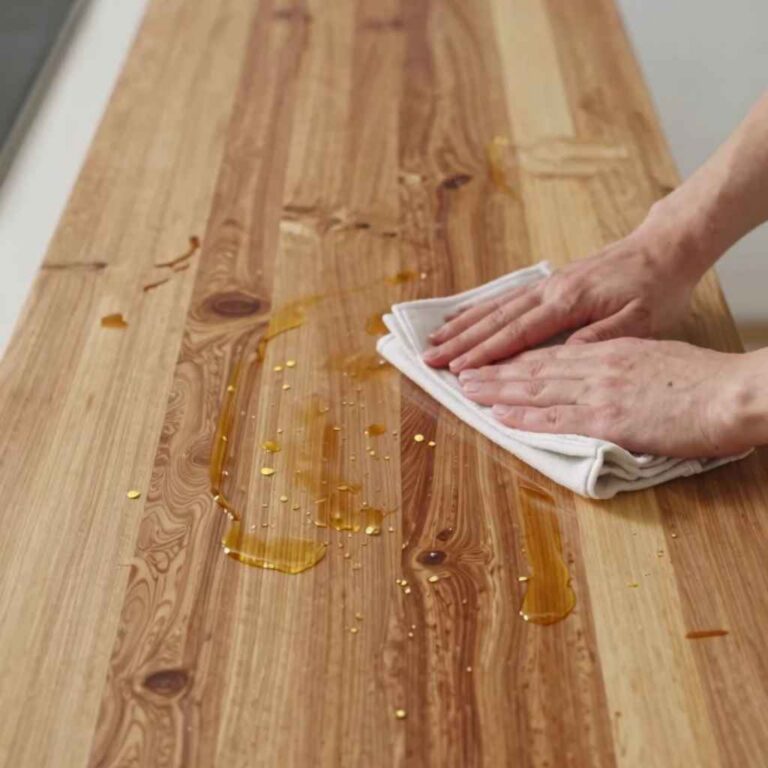
Apply linseed oil to clean, dry wood using a brush or cloth. Work in small sections, allowing the oil to penetrate. Wipe off excess oil after 10-15 minutes. Let it dry completely before applying additional coats. Repeat for desired finish and protection.
Conclusion
Choosing between linseed and teak oil depends on your specific needs. Teak oil works well for outdoor furniture. It protects against weather and prevents drying. It also provides a natural matte finish. Linseed oil is ideal for restoring and rejuvenating indoor and outdoor wood.
It dries quickly, making it convenient for various projects. Both oils offer unique benefits. For furniture that faces the elements, teak oil is a solid choice. For indoor wood pieces or sports equipment, linseed oil excels. Each oil has its strengths.
Consider the type of wood and exposure to elements. This helps in making an informed decision. Remember, proper application is key for best results. Read instructions carefully before use. Ultimately, both oils can enhance the beauty and lifespan of your wood.
Your choice should align with your specific wood care needs. Make an informed decision for the best outcome.
Sponsored / affiliate links. As an Amazon Associate I earn from qualifying purchases. I may earn additional commission from eligible campaigns.
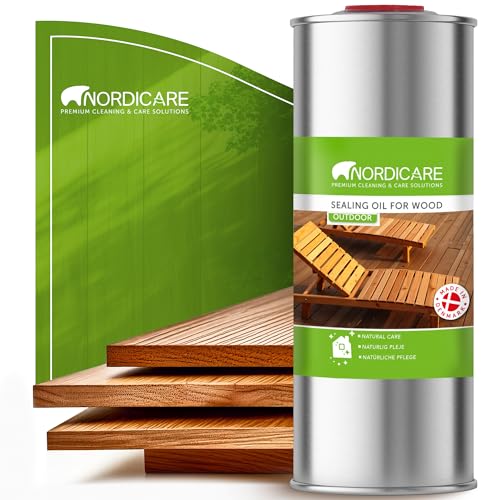 Nordicare Teak Oil for Outdoor Furniture, 34 Oz – Outdoor Wood Oil & Sealer for Teak, Acacia, Oak & More, Helps Restore Weathered Wood and Protect Against Drying, Easy to Apply
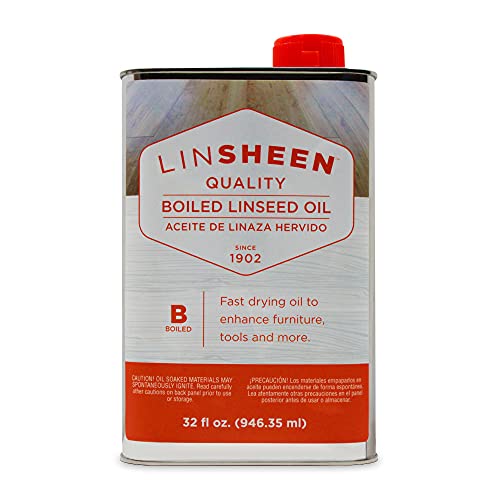 LinSheen Boiled Linseed Oil – Fast Drying Flaxseed Wood Treatment to Rejuvenate and Restore Outdoor and Indoor Wood Furniture, Floors and Sports Equipment, Quart