How Long Does Linseed Oil Take To Dry? Boiled Vs Raw Vs Stand
Boiled linseed oil is touch-dry in about 24 hours; raw linseed oil takes 3 to 7 days. Either way, “dry” and “cured” are two different things – a coat that’s no longer tacky to the touch still needs 2 to 4 weeks to fully harden all the way through. Which type you’re using and how thick you applied it change these numbers more than anything else, so here’s the real breakdown by oil type, with an actual explanation of why boiled oil dries faster.
Drying Time By Linseed Oil Type
Best Boiled Linseed Oil
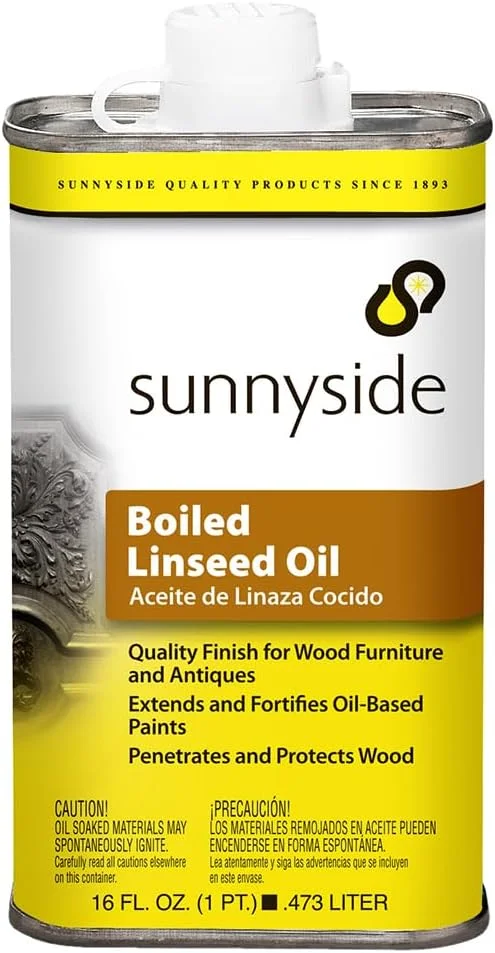 |
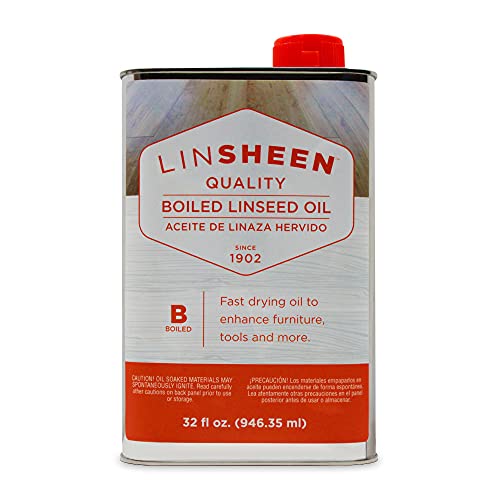
Sunnyside Boiled Linseed Oil (1 Pint) – $14.75 If you want the touch-dry-in-a-day timeline this article covers rather than raw oil’s multi-day wait, boiled linseed oil (with driers already added) is the version to buy.
|
The three types sold as wood finishes dry at genuinely different speeds, because they’re chemically different, not just marketed differently:
- Raw linseed oil – unprocessed, no additives. Touch-dry in 3 to 7 days, and can stay slightly tacky longer than that in cool or humid conditions. It also never fully hardens as well as boiled oil, which is why it’s more often used as a wood conditioner or mixed into putty than as a standalone finish.
- Boiled linseed oil (BLO) – despite the name, it’s rarely actually boiled anymore; instead it has metallic drying agents (typically cobalt or manganese compounds) blended in. Those driers speed up the oxidation reaction that hardens the oil, cutting touch-dry time to around 24 hours.
- Polymerized (stand) oil – heated without oxygen until it thickens, which produces a tougher, more water-resistant, less yellowing film once fully cured. This is the one place a lot of guides get the drying time backwards: stand oil is usually the slowest to dry of the three, not the fastest, because it typically contains no metallic driers and its thicker consistency slows surface evaporation. It’s chosen for film quality, not speed.
Touch-Dry Vs. Fully Cured: Why Both Numbers Matter
“Touch-dry” means the surface no longer feels tacky or transfers oil onto your finger – that’s the point where you can usually apply a second coat or handle the piece carefully. “Fully cured” means the oil has finished cross-linking all the way through the film, which is when the finish reaches its real hardness and water resistance. For boiled linseed oil on wood, expect touch-dry in about 24 hours but full cure closer to 2 to 4 weeks. Recoating before full cure is normal and fine; using the piece hard (as a cutting surface, a tabletop that gets set on immediately) before full cure is where problems show up.
What Actually Changes These Times
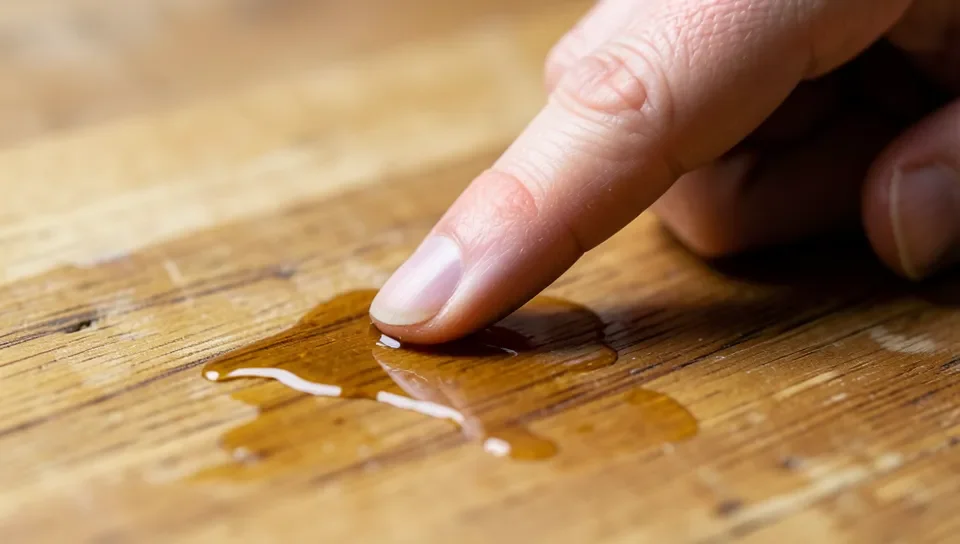
- Coat thickness – a thick, unwiped coat can take 2 to 3 times longer than a thin coat that’s been wiped back after 15 to 20 minutes of soak time. Excess surface oil that isn’t wiped off is the single most common reason a “dry” project stays sticky for days.
- Temperature – oxidation (the chemical reaction that hardens linseed oil) speeds up in warmth and slows sharply below about 60°F.
- Humidity – high humidity slows the same reaction; a damp basement or garage in winter is the worst environment for a fast cure.
- Ventilation and airflow – oxidation needs oxygen exposure, so a closed, stagnant room dries noticeably slower than a space with a fan or open window.
How To Tell If It’s Actually Dry
Touch Test
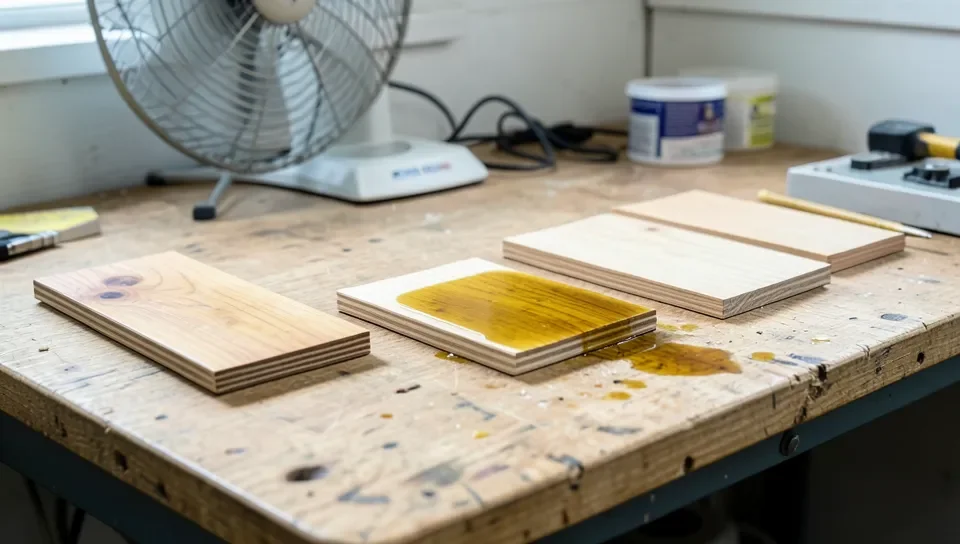
Press a clean, dry finger lightly on the surface. If it feels tacky or leaves a print, it’s not touch-dry yet. This is the fastest check but only tells you about the surface, not the full cure underneath.
Smell Test
Fresh linseed oil has a noticeable, slightly sweet/oily smell. As it cures, that smell fades substantially. A strong lingering oil smell after several days is a sign the piece needs more time, more airflow, or has too much unwiped excess oil sitting in the wood.
Recoat Timing
Wait until the piece passes the touch test before recoating – for boiled linseed oil that’s typically the 24-hour mark. Recoating over a still-tacky layer traps oil underneath and can double your total drying time for the whole finish.
Common Mistakes That Slow Drying Down
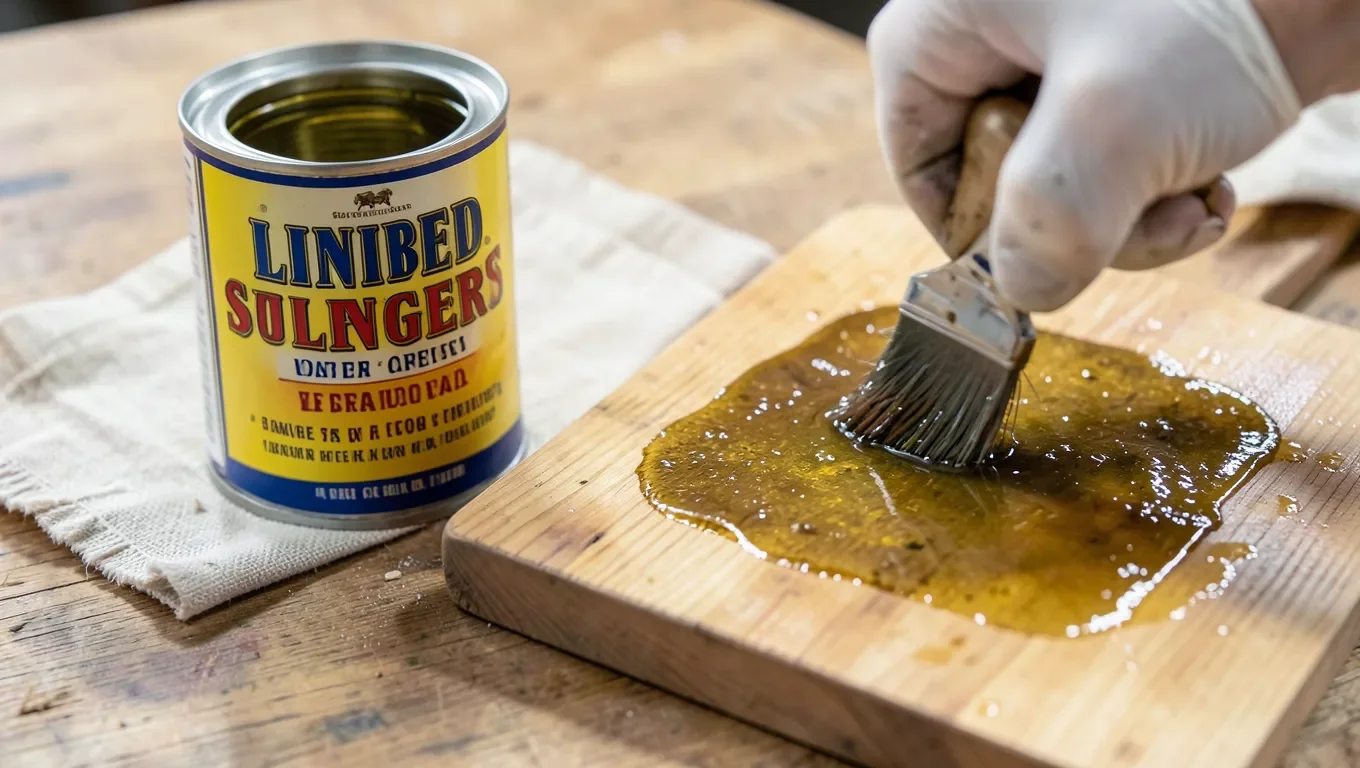
- Not wiping off excess oil – a puddled or heavy coat left unwiped is the #1 cause of a “dry” project staying tacky for a week or more. Apply, let it soak 15–20 minutes, then wipe the surface back to a thin film.
- Using raw oil expecting boiled-oil drying times – the two types are not interchangeable on a schedule; raw oil needs several times longer.
- Working in a cold or damp shop – below roughly 60°F, oxidation slows enough that a normally 24-hour dry can stretch to 2–3 days.
- Discarding oily rags carelessly – linseed-oil-soaked rags generate heat as they oxidize and can spontaneously combust if balled up in a pile. Lay rags flat outside to fully dry, or soak them in water in a sealed metal container before disposal.
Frequently Asked Questions
How Long Does Boiled Linseed Oil Take To Dry?
Boiled linseed oil is typically touch-dry in about 24 hours because it contains added metallic driers. Full cure through the entire film takes 2 to 4 weeks.
Is Raw Linseed Oil Slower To Dry Than Boiled?
Yes, significantly. Raw linseed oil has no drying agents added, so it typically takes 3 to 7 days to become touch-dry, compared to about 24 hours for boiled linseed oil.
Does Polymerized Linseed Oil Dry Faster Than Boiled Oil?
No – this is a common mix-up. Polymerized (stand) oil is usually slower to dry than boiled linseed oil because it typically has no metallic driers and its thicker consistency slows evaporation. It’s chosen for its tougher, more water-resistant film, not for speed.
Can I Speed Up Linseed Oil Drying Time?
Yes: apply thin coats and wipe off excess after 15 to 20 minutes, work in a warm room above 60°F, and keep good airflow across the surface. All three speed up the oxidation reaction that hardens the oil.
Conclusion
Boiled linseed oil touch-dries in about a day, raw oil needs closer to a week, and neither one is fully cured until 2 to 4 weeks have passed – plan your project timeline around the cure number, not just the touch-dry number, if the piece is going to see real use right away. Thin coats, warmth, and airflow are the three levers that actually move these numbers.
Sponsored / affiliate links. As an Amazon Associate I earn from qualifying purchases. I may earn additional commission from eligible campaigns.