How to Apply Tung Oil: Expert Tips for a Perfect Finish
Tung oil is a natural oil used for wood finishing. It enhances wood’s beauty and durability.
Applying tung oil may seem tricky, but it’s easier than you think. Tung oil has been a favorite for woodworkers for centuries. Its ability to penetrate deeply into the wood makes it a top choice for many. Unlike other finishes, tung oil gives a natural, rich look to wood.
It also provides excellent protection against water and stains. Whether you’re a seasoned woodworker or a DIY enthusiast, learning how to apply tung oil can transform your projects. This guide will walk you through the steps to achieve a flawless finish. Let’s dive into the world of tung oil and discover its benefits for your woodworking projects.
Credit: www.realmilkpaint.com
Introduction To Tung Oil
Tung oil comes from the seeds of the tung tree. It is a natural oil used to protect and finish wood. Many people like it because it is easy to apply and gives a nice finish. It has been used for many years, especially in China. Tung oil can make wood look rich and deep. It also helps the wood last longer.
Tung oil is very durable. It helps protect wood from water. This means your wood items will last longer. Tung oil also makes wood look beautiful. It gives a warm, rich glow. Another benefit is its natural origin. Tung oil is safe to use and environmentally friendly. It does not have harsh chemicals. This makes it a good choice for those who prefer natural products.
Choosing The Right Tung Oil
Pure Tung Oil is natural and safe. It comes from the tung tree. It makes wood look nice and protects it. It takes longer to dry but is worth it. Blended Tung Oil has other oils mixed in. It dries faster. It is good for quick jobs. It is not as strong as pure tung oil.
Think about time. Pure oil takes longer. Blended oil is faster. Consider the look. Pure oil gives a rich look. Blended oil can be less shiny. Think about safety. Pure oil is safer. Blended oil can have chemicals. The cost is important. Pure oil can be more pricey. Blended oil is often cheaper.
Preparing The Surface
Start by removing all dust and dirt. Use a damp cloth to wipe the surface. Let the wood dry completely. Clean wood ensures better oil absorption. Check for any stains or sticky spots. Clean them with mild soap and water. Rinse and dry again. Clean wood gives a smooth finish.
Use sandpaper to make the wood smooth. Start with coarse grit, then use finer grit. Sanding helps the oil soak in better. Wipe off any dust after sanding. A smooth surface feels nice and looks good. Check for rough spots and sand again if needed. Smooth wood makes the oil look shiny.

Applying Tung Oil
You need a few tools. These include a clean cloth, sandpaper, and brushes. You also need tung oil and mineral spirits. A mixing container is useful. Gloves will protect your hands. Mask and goggles can keep you safe.
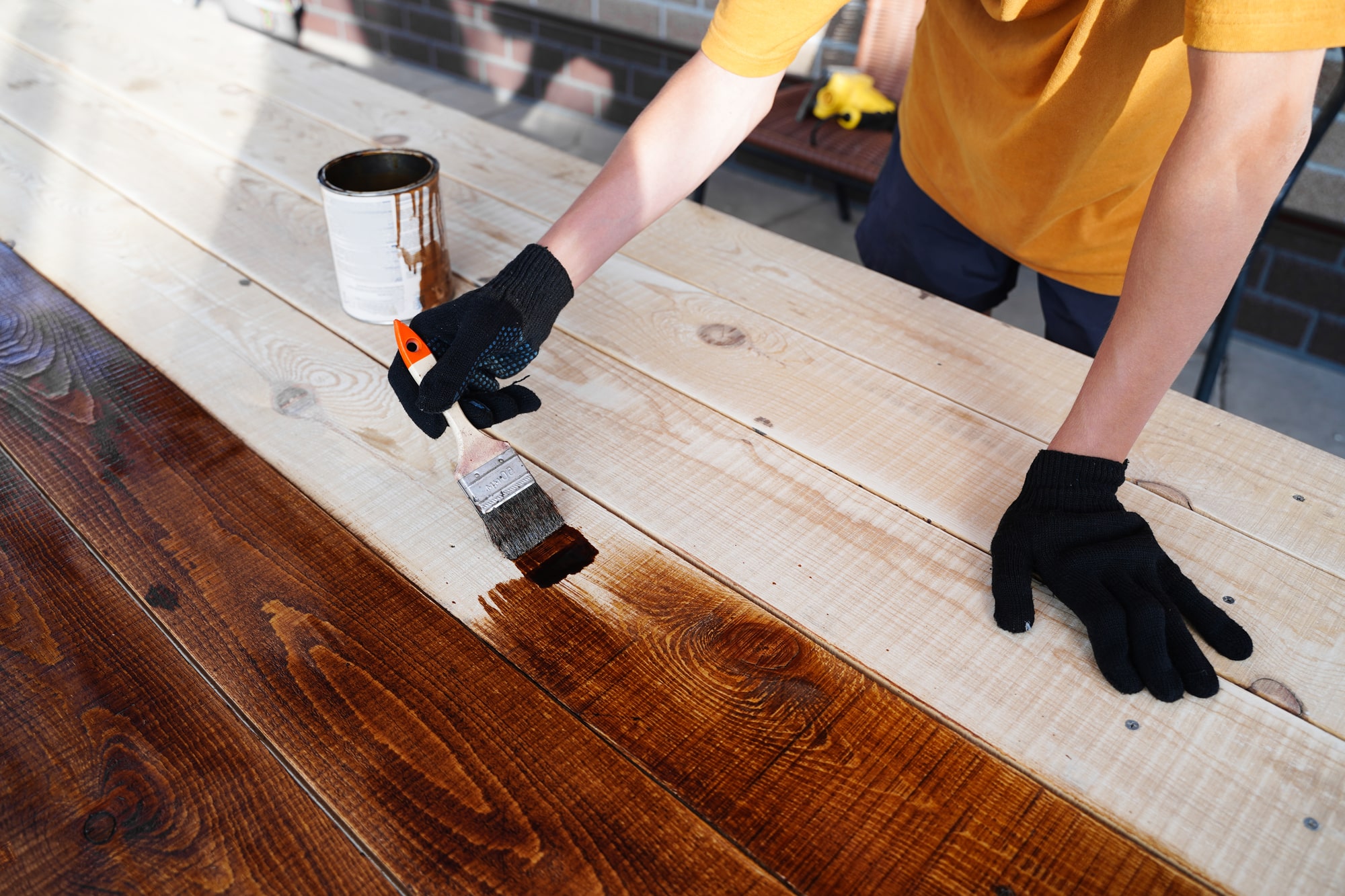
First, sand the wood. Make it smooth. Use a clean cloth to wipe away dust. Mix tung oil and mineral spirits. Apply the mix with a brush. Let it soak for 30 minutes. Wipe off extra oil. Wait 24 hours. Repeat the process. Apply more coats for shine. Let it dry fully before use.
Drying And Curing
Tung oil needs time to dry. Wait at least 24 hours between coats. A dry room helps. Good airflow is important. Avoid touching the surface. Let it dry fully.
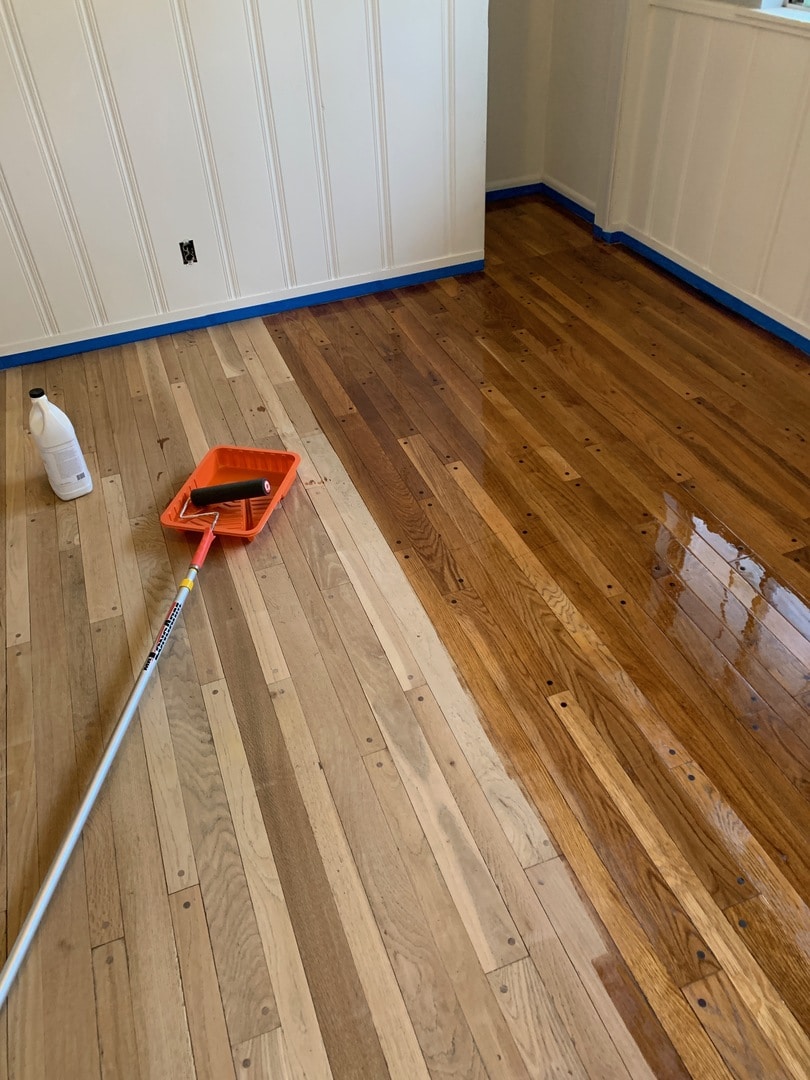
The surface should be smooth. It should not feel sticky. No strong smell should linger. The color should be even. If the oil looks dull, add another coat. Always let it cure completely.
Credit: www.realmilkpaint.com
Finishing Touches
Achieve a smooth finish by applying Tung oil with a clean cloth. Rub the oil in circular motions. Let it dry completely before adding more layers.
Buffing The Surface
Buff the surface with a clean, soft cloth. This makes it smooth and shiny. Use small, circular motions. It helps the oil to soak in evenly. Buffing also removes extra oil. This prevents sticky spots. Do not rush. Take your time to get an even finish. A well-buffed surface looks polished. It also feels nice to touch. Regular buffing keeps the wood in good shape.
Adding Additional Coats
Apply more coats of tung oil if needed. Each coat makes the wood stronger. It also adds more shine. Wait 24 hours between coats. This lets each coat dry well. Sand lightly with fine sandpaper before adding another coat. This helps the new coat stick better. More coats mean better protection. Keep adding until the wood looks good to you. But do not overdo it. Too many coats can make the wood look dull.
Maintenance Tips
Keep the surface clean. Dust it often. Use a soft cloth. Avoid harsh chemicals. They can damage the oil. Water can also harm the finish. So keep it dry. Spot clean any spills quickly.
Reapply Tung Oil every few months. This keeps the wood protected. Apply a thin coat. Let it dry well. Lightly sand between coats. This helps the oil soak in. Follow the same steps as the first application. Regular reapplication ensures a long-lasting finish.
Common Mistakes To Avoid
Many people make the mistake of using too much oil. Excess oil does not speed up the process. It can make the surface sticky. Thin layers work best. Apply a small amount first. Spread it evenly. Let it dry.
Proper preparation is key. Clean the surface well. Remove old finishes. Sanding helps too. Use fine sandpaper. This makes the surface smooth. A clean, smooth surface allows the oil to soak in better. It ensures a good finish.

Credit: www.youtube.com
Frequently Asked Questions
What Is The Best Way To Apply Tung Oil?
Apply tung oil with a clean cloth, rubbing it in the wood grain direction. Let it soak for 30 minutes. Wipe off excess and allow it to dry for 24 hours. Repeat 2-3 times for the best finish.
How Long Should Tung Oil Sit Before Wiping?
Tung oil should sit for 15-30 minutes before wiping off excess. Ensure proper ventilation during application.
How Many Coats Of Tung Oil Should Be Applied?
Apply 3 to 5 coats of tung oil for the best results. Ensure each coat dries completely before applying the next.
What Are The Disadvantages Of Tung Oil?
Tung oil has a slow drying time. It requires multiple coats for a good finish. It can be expensive. It may darken over time and needs regular maintenance. It can be susceptible to water and heat damage.
Conclusion
Applying tung oil is simple and rewarding. It enhances wood’s natural beauty. Follow the steps carefully for the best results. Ensure the surface is clean and sanded. Apply thin coats and let each one dry. Repeat until you achieve the desired finish.
Tung oil protects and beautifies wood. Enjoy the transformation and the durable finish it provides. Your wood projects will look stunning and last longer. Give it a try and see the difference. Happy woodworking!