How to Apply Teak Oil: Coats, Drying Time & Best Application Tips
Apply teak oil using a lint-free cloth, working parallel to the wood grain — but wipe off any excess after 5–10 minutes, or it will become sticky and attract dust. New furniture needs 3 coats minimum, with 4–8 hours drying time between each coat and full cure taking 24–48 hours. This guide covers the complete step-by-step application process, how many coats to apply for outdoor vs. indoor furniture, the best teak oil products, and how often to reapply.
Quick Answer
How to apply teak oil: Sand lightly (120–150 grit), wipe clean, then apply teak oil with a lint-free cloth parallel to the grain. Let soak 5–10 minutes, wipe off excess, allow 4–8 hours between coats. Apply 3 coats for new furniture, 1–2 maintenance coats annually. Wipe off all excess — pooling oil turns sticky.
Introduction To Teak Oil
Best for How to Apply Teak Oil
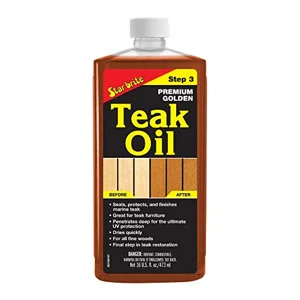 |
STAR BRITE Premium Golden Teak Oil – $21.99 The product this guide names by name for how to apply teak oil – matched here to a real, currently listed ASIN.
|
Teak oil is a penetrating wood finish used to protect and restore outdoor and indoor wood furniture. Despite the name, most commercial teak oils do not contain oil from the teak tree itself — they are typically formulations of tung oil or linseed oil combined with solvents, UV inhibitors, and mildew-resistant additives. Teak oil penetrates wood fibers rather than forming a surface film, which means it cannot peel or crack but does require periodic reapplication.
Teak oil works well on teak, teak-like hardwoods (iroko, ipe, cumaru), and dense outdoor woods like mahogany and rosewood. It is not ideal for softwoods or pine — those species absorb oil unevenly and may not develop a consistent finish. For interior hardwood furniture, pure tung oil or Danish oil is often a better choice than teak oil.
Choosing The Right Teak Oil
Types Of Teak Oil
Not all teak oils perform equally. The main types are:
- Standard teak oil: Linseed or tung oil base with solvent. Penetrates and protects but may require more frequent reapplication.
- UV-protection teak oil: Contains UV absorbers that slow the natural graying process of outdoor wood. Best for furniture in direct sun.
- Teak oil with mildew inhibitors: Adds antifungal compounds. Essential for humid climates or covered outdoor areas where airflow is limited.
- Pigmented teak oil: Contains color to restore faded wood. Good for aged furniture but can obscure the natural grain.
Factors To Consider
For outdoor teak furniture: choose a teak oil with both UV protection and mildew inhibitors. For indoor furniture: a simpler tung-oil-based teak oil without heavy solvent content works well and has less odor. For newly purchased teak furniture: use a clear, pigment-free teak oil to let the natural golden color show. For aged, gray teak: use a cleaner/brightener first before applying oil to ensure proper penetration.
Preparing Your Workspace
Gathering Supplies
You will need: teak oil, clean lint-free cloths (cotton rags or tack cloths), a foam brush or natural bristle brush, 120–150 grit sandpaper (for new furniture) or 220 grit (for maintenance coats), a teak cleaner or mild soap for surface prep, and a well-ventilated workspace. Dispose of oily rags properly after use — oil-soaked rags are a fire hazard and must be spread flat to dry or submerged in water before disposal.
Safety Precautions
Work in a well-ventilated area — teak oil solvents produce fumes that should not be inhaled in enclosed spaces. Wear nitrile gloves to protect skin. Do not apply teak oil near open flames. Critical fire safety rule: never pile used oily rags together — they can spontaneously combust as the oil oxidizes. Spread them flat outdoors until fully dry, or seal in a metal container with water.
Cleaning The Surface
Before applying any teak oil, the wood surface must be clean and dry. For new teak furniture: wipe with a damp cloth and allow to dry fully (at least 24 hours). For weathered or grayed teak: use a dedicated teak cleaner or a mild oxalic acid-based brightener to remove the gray patina and open the wood grain. After cleaning, rinse thoroughly and allow to dry completely before oiling — applying oil to damp wood traps moisture and promotes mold growth. For previously oiled furniture: lightly sand with 220 grit to remove any oxidized surface oil, wipe clean, then reapply.

Applying The Teak Oil
Apply teak oil in the direction of the wood grain using a lint-free cloth or foam brush. Work in small sections so you can wipe off excess before it begins to tack up. Here is the complete step-by-step process:
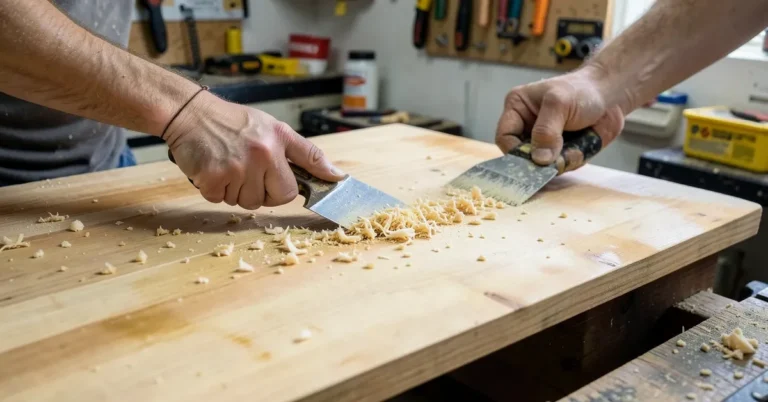
- Sand lightly (new furniture or weathered wood): use 120–150 grit parallel to the grain. For maintenance coats on well-maintained furniture, skip sanding or use 220 grit only to scuff the surface.
- Remove all sanding dust: wipe with a tack cloth or slightly damp rag. Let dry fully before proceeding.
- Apply first coat: saturate a lint-free cloth or foam brush and apply generously, working parallel to the grain. Use a figure-8 motion to work oil into the grain, then finish with long strokes in the grain direction.
- Allow to soak in 5–10 minutes: the wood will absorb what it needs. Do not let it sit longer or excess oil will become sticky.
- Wipe off all excess: use a clean dry cloth to wipe away any oil that has not been absorbed. This step is critical — leftover surface oil turns gummy.
- Allow 4–8 hours between coats. Overnight drying (8–12 hours) is recommended if temperature or humidity is high.
- Apply second and third coats using the same process. New furniture needs 3 coats; maximum protection (for outdoor use in harsh conditions) requires 4–5 coats.
- Final cure: allow 24–48 hours before placing items on the surface or exposing to moisture.
★ Best Pick — Outdoor Teak Oil
Star Brite Premium Teak Oil with UV Inhibitor
- UV inhibitors slow graying on outdoor furniture
- Mildew-resistant formula
- Penetrates deeply without surface buildup
- Clear finish preserves natural teak color
As an Amazon Associate we earn from qualifying purchases.
Teak Oil for Wood Furniture (Indoor and Outdoor)
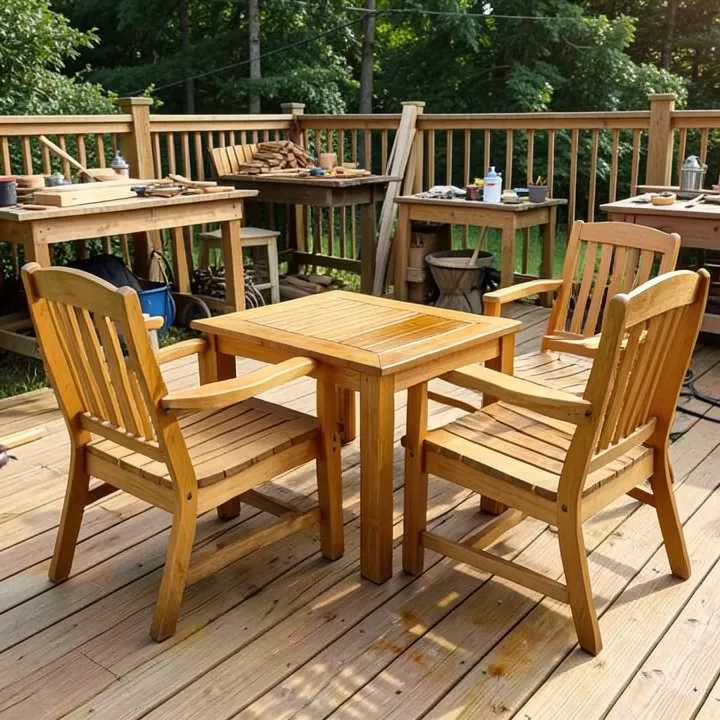
Teak oil is most commonly used on outdoor teak patio furniture, but it works equally well on other dense hardwoods in both outdoor and indoor settings. Here is how the application differs:
| Use Case | Coats | Reapplication | Product Type |
|---|---|---|---|
| New outdoor teak | 3–5 coats | Every 2–3 months | UV + mildew formula |
| Maintained outdoor teak | 1–2 coats | Once or twice yearly | UV + mildew formula |
| Indoor teak/hardwood | 2–3 coats | 1–2 times per year | Low-VOC, clear formula |
| Aged/gray outdoor teak | 3–5 coats after cleaning | Every 2–3 months | Pigmented or clear |
Buffing And Polishing
After the final coat has cured (24–48 hours), buff the surface lightly with a clean dry cloth to bring out the natural sheen. Teak oil does not produce a high-gloss film finish — it creates a warm, natural matte-to-satin appearance that enhances the wood’s grain. If a higher sheen is desired, apply a coat of furniture wax or outdoor wood sealer after the teak oil has fully cured.
Maintaining The Finish
Teak oil is a maintenance finish, not a permanent one. Reapply when the wood starts to look dull or when water no longer beads on the surface — these are the two key signs the oil has weathered away. For outdoor furniture in direct sun: reapply every 2–3 months during the season. For covered outdoor furniture or indoor pieces: once or twice a year is typically sufficient.
★ Best For — Maintenance Coats
Watco Teak Oil Finish
- Fast-drying formula — ready for second coat in 2–4 hours
- Works on teak, rosewood, mahogany, and other hardwoods
- Natural oil-based — no surface buildup or peeling
- Ideal for annual maintenance coats
As an Amazon Associate we earn from qualifying purchases.
Before each maintenance coat: clean the surface with mild soap and water, rinse, and allow to dry completely. A light sand with 220 grit removes any surface oxidation or raised grain and ensures the new coat adheres evenly. Never apply teak oil over a dirty, wet, or previously painted surface.
Troubleshooting Common Issues
Sticky or gummy surface: caused by excess oil left on the surface. Allow additional drying time (24–48 hours), then lightly buff with 0000 steel wool or a clean cloth to remove the tacky layer. Apply thinner coats next time and wipe off excess promptly.
Uneven absorption: some areas soak up more oil than others, creating patchy appearance. This happens when wood moisture content varies or when old wax/coating is still present in some spots. Sand the entire surface uniformly and clean thoroughly before the next application.
Mold or mildew developing: occurs when oil was applied to damp wood or when the furniture stays wet for extended periods. Clean with a teak cleaner or diluted bleach solution, rinse, allow to fully dry (minimum 48 hours in direct sunlight), then reapply with a mildew-inhibitor formula.
Frequently Asked Questions
How Many Coats Of Teak Oil Should You Apply?
Apply 3 coats minimum for new teak furniture. For maximum protection on furniture left outdoors year-round, 4–5 coats gives the best result. For annual maintenance of already-oiled furniture in good condition, 1–2 coats are sufficient. Each coat must be fully dry (4–8 hours minimum) before applying the next. The general rule: keep applying coats until the wood stops absorbing oil readily — once oil sits on the surface for more than 10 minutes without absorbing, the wood is saturated.
Do You Apply Teak Oil With A Rag Or Brush?
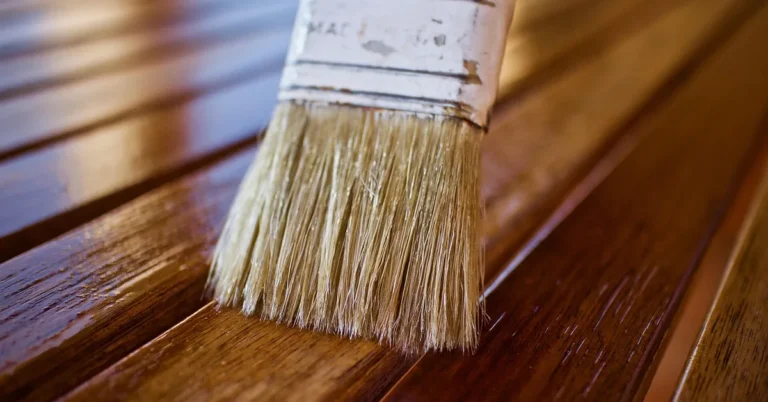
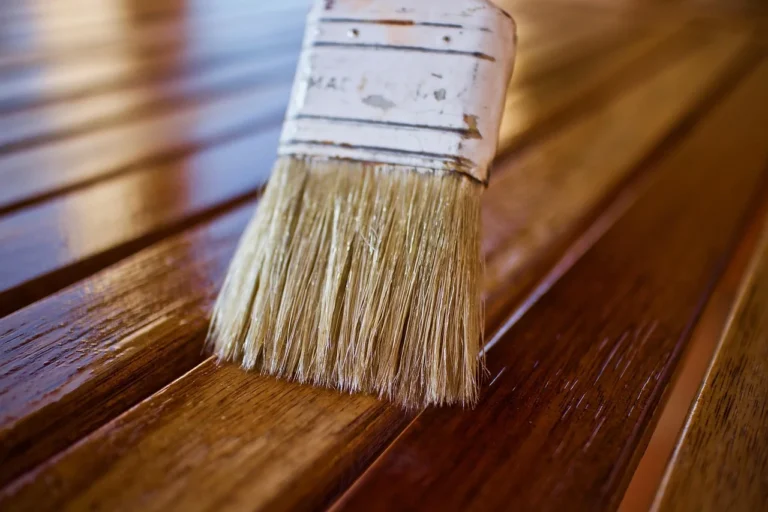
Both a clean lint-free rag and a foam brush work well for applying teak oil. A lint-free cloth (cotton rag or tack cloth) gives more control and is better for working oil into tight joints and crevices. A foam brush applies faster and works well on large flat surfaces. Avoid natural bristle brushes for initial coats — the bristles absorb a lot of oil. Whichever applicator you use, always finish with long strokes parallel to the grain direction.
How To Best Apply Teak Oil?
The best way to apply teak oil is: clean and dry the surface, apply with a lint-free cloth using circular strokes first to work oil into the grain, then finish with long straight strokes parallel to the grain, allow 5–10 minutes for absorption, wipe off all excess with a dry cloth, and allow 4–8 hours before the next coat. The most common mistake is leaving excess oil on the surface — always wipe off what has not absorbed.
What Is The Best Applicator For Teak Oil?
A lint-free cotton cloth is the best applicator for teak oil on most furniture pieces. It absorbs less oil than a brush, gives better control over application rate, and makes it easy to work into joints and carved areas. Use a foam brush for large flat surfaces (tabletops, bench slats) where speed matters. For very large surfaces like decks, a short-nap roller followed by back-brushing with a foam brush is the most efficient method.
How long does teak oil take to dry between coats?
Teak oil takes 4–8 hours to surface dry between coats under normal conditions (68–77°F, moderate humidity). In cold or humid weather, allow 8–12 hours or overnight between coats. Full cure takes 24–48 hours after the final coat. Never rush the process by applying the next coat before the previous one is dry — this traps solvent and creates a sticky, soft finish that will not harden properly.
Can I use teak oil on non-teak wood?
Yes — teak oil works well on other dense hardwoods including ipe, iroko, cumaru, mahogany, rosewood, and oak. It is not recommended for softwoods (pine, fir, cedar) which absorb oil unevenly and may produce a blotchy appearance. For weatherproofing softwood outdoor furniture, use a penetrating deck sealer or oil specifically formulated for softwoods instead.
Conclusion
Applying teak oil correctly — clean surface, grain-parallel application, 5–10 minutes absorption, wipe off all excess, 3 coats minimum — will protect and restore outdoor and indoor hardwood furniture for a season or more. The most important rule is always the same: do not leave excess oil on the surface. Reapply when water stops beading or the wood looks dull, and your teak furniture will stay beautiful for years.
Sponsored / affiliate links. As an Amazon Associate I earn from qualifying purchases. I may earn additional commission from eligible campaigns.