How to Change Blade on Table Saw: Quick & Safe Guide
To change the blade on a table saw, first unplug the saw for safety. Then, use the blade wrench to loosen and remove the old blade.
Changing the blade on a table saw is essential for maintaining cutting efficiency and safety. A dull or damaged blade can lead to poor cuts and increased risk of accidents. Regular blade changes not only improve performance but also prolong the life of the saw.
Knowing how to replace the blade correctly can save time and enhance your woodworking projects. This guide provides a straightforward process, ensuring you can easily tackle this task. Keeping your table saw in top condition is crucial for achieving precise cuts and a smooth workflow. Follow these steps to ensure a seamless blade change.
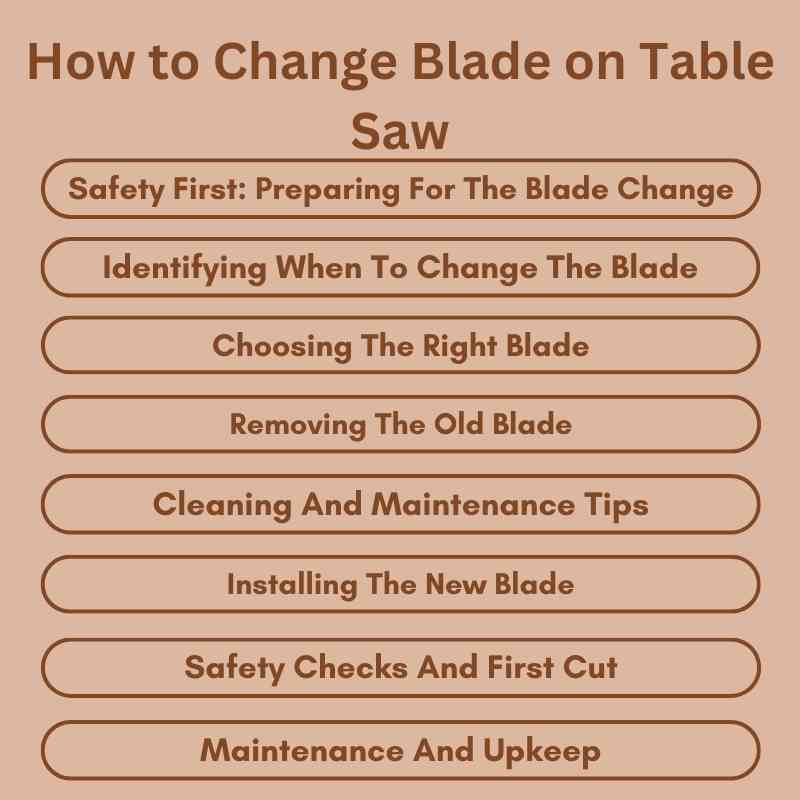
Safety First: Preparing For The Blade Change
Unplugging the saw is the first step. This ensures safety while changing the blade. Always check that the power cord is disconnected.
Wearing protective gear is essential. Use safety glasses to protect your eyes. Gloves can help keep your hands safe from sharp edges.
Hearing protection is also important. It reduces noise from the saw. Make sure your clothes are snug to avoid getting caught in the machine.
Identifying When To Change The Blade
Recognizing a dull blade is crucial for safety and quality. Look for uneven cuts or excessive burn marks on wood. A blade that struggles to cut through materials needs replacement.
The impact of a worn blade can be significant. It can lead to frayed edges and splintering. This affects the overall appearance of projects. Moreover, a dull blade can increase the risk of kickback, making it unsafe to use. Always check the blade’s condition before starting any project.
Choosing The Right Blade
Choosing the right blade is essential for a table saw. Different types of blades serve various purposes. Here are some common blade types:
| Blade Type | Use |
|---|---|
| Rip Blade | Great for cutting wood along the grain. |
| Crosscut Blade | Best for cutting wood across the grain. |
| Combination Blade | Versatile for both ripping and crosscutting. |
| Specialty Blades | Designed for specific tasks, like dado cuts. |
Consider factors like the material you will cut. Blade tooth count affects the finish quality. A higher tooth count provides a smoother cut. Always match the blade to the project needs.
Removing The Old Blade
To change the blade on a table saw, specific tools are necessary. Gather these items before starting:
| Tool | Purpose |
|---|---|
| Wrench | To loosen and tighten the blade nut. |
| Screwdriver | To remove any safety guards. |
| Replacement Blade | To install a new cutting edge. |
| Safety Glasses | To protect your eyes during the process. |
Gather these tools to ensure a smooth blade change. Always prioritize safety when working with power tools.
Cleaning And Maintenance Tips
Clean the arbor regularly to ensure smooth operation. Use a soft brush to remove dust and debris. Wipe it with a clean cloth to prevent rust.
Inspect the arbor for any signs of damage. Look for wear and tear that may affect performance. Replace damaged parts immediately to maintain safety.
Check other important parts of the table saw. Keep the blade guard clean and functional. Ensure the table surface is free from scratches and dirt.
Regular maintenance helps your saw last longer. It also keeps your workspace safe and efficient.
Installing The New Blade
Start by ensuring the blade is aligned properly. Misalignment can cause poor cuts. Check the arbor and make sure the blade is secured. Use the wrench to tighten the nut. This helps prevent the blade from loosening during use.
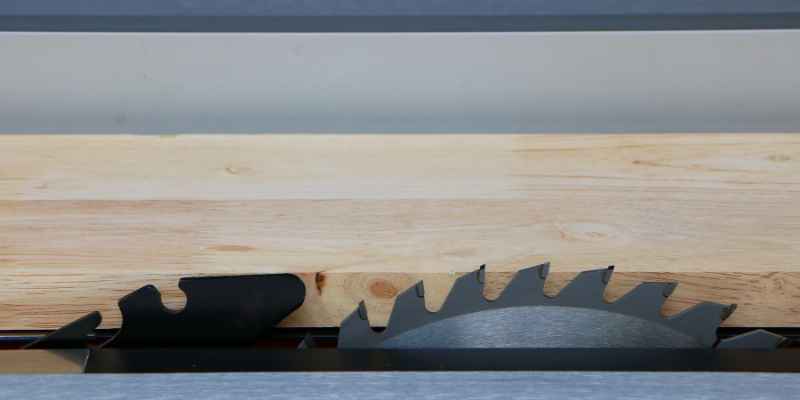
Next, examine the blade guard. It should be in place and working. The riving knife should also align with the blade. This keeps the wood from pinching during cuts.
Lastly, perform final checks. Turn on the saw without any wood. Listen for any unusual sounds. Ensure the blade spins smoothly. This means everything is set for safe operation.
Safety Checks And First Cut
Before changing the blade, ensure the table saw is unplugged. Wear safety goggles and gloves. Check for any loose parts around the saw. Make sure the blade is the correct size and type for your project.
Perform a test cut on a scrap piece of wood. This will help you see if the blade is installed correctly. Watch for any vibrations or unusual noises during the cut.
After the installation, make necessary adjustments. Check the alignment of the blade with the miter gauge. Ensure the fence is straight and secure for accurate cuts.
Maintenance And Upkeep
To keep your table saw in top shape, establish a regular cleaning routine. Dust and sawdust can affect performance. Clean the surface and the inside after each use. Use a brush and a vacuum for the best results.
Sharpening or replacing the blade is crucial for safety and efficiency. Check the blade for dullness after several uses. If cuts are rough or the saw binds, it’s time for a change. A sharp blade makes cleaner cuts and reduces strain on the motor.
| Indicator | Action |
|---|---|
| Dull Blade | Sharpen or Replace |
| Rough Cuts | Sharpen or Replace |
| Binding | Replace Blade |
Frequently Asked Questions
How Often Should I Change My Table Saw Blade?
You should change your table saw blade every 20 to 50 hours of use. Dull blades can lead to poor cuts and increased strain on the saw. Regularly inspecting your blade for wear will help you maintain optimal performance. Always prioritize safety when changing your blade.
What Tools Do I Need To Change A Table Saw Blade?
To change a table saw blade, you need a wrench, a push stick, and possibly a blade guard removal tool. Ensure you have safety goggles and gloves for protection. Having these tools ready makes the process smoother and safer. Always consult your saw’s manual for specific requirements.
Can I Change The Blade Without Removing The Guard?
While it may be possible, it’s not recommended to change the blade without removing the guard. The guard protects you from accidental contact with the blade. For your safety, always remove the guard before changing the blade. Following proper procedures ensures a safer working environment.
How Do I Know It’s Time To Replace The Blade?
Signs that it’s time to replace your blade include visible wear, burning marks on wood, or splintering cuts. If your saw struggles to cut through materials, the blade may be dull. Regularly inspecting the blade can help you identify these issues early.
Prioritize efficiency and safety with a sharp blade.
Conclusion
Changing the blade on your table saw is a straightforward task. Following the steps outlined ensures safety and efficiency. Regular blade maintenance improves performance and prolongs tool life. With practice, you’ll become more confident in your skills. Embrace this essential DIY task for better woodworking results and a smoother cutting experience.