Table Saw Accident Prevention: 12 CPSC-Backed Safety Rules (2026)
Table saws send an estimated 32,000 people to U.S. emergency rooms every year, and at least 3,500 of those visits ended in a finger or hand amputation in 2017 alone, per CPSC data — but most injuries trace back to one habit: skipping the guard, riving knife, or push stick for “just this one cut.” This guide covers the 12 rules that actually prevent table saw accidents, first-aid steps, and what changed after CPSC’s 2025 safety-rule withdrawal.
Quick Answer
Prevent table saw accidents by keeping the blade guard and riving knife installed, using a push stick or push block within 6 inches of the blade, standing to the side of the cutting line (never behind it), and wearing ANSI Z87.1 safety glasses. CPSC injury data shows most operators who get hurt were missing one of these basics, not fighting a mechanical failure.
How Common Are Table Saw Accidents?
Best Table Saw Safety Gear Pick
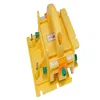
MICROJIG GRR-RIPPER Pro 3D Pushblock
A three-way adjustable push block that straddles the blade and keeps both hands well clear during narrow rips.
- Best for: Narrow rips, bevels, and small or irregular offcuts
- Why we picked it: Closes the exact “no push stick used” gap CPSC’s own injury survey identifies as the most common factor in blade-contact injuries
- Main drawback: Costs more than a basic push stick and has a learning curve to set up correctly
Compare more table saw safety gear options
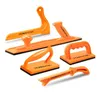 Option 1 POWERTEC Push Block & Push Stick Set
|
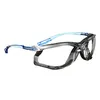 Option 2 3M Virtua CCS Safety Glasses, ANSI Z87
|
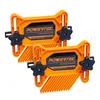 Option 3 POWERTEC Universal Tandem Featherboards
|
As an Amazon Associate we earn from qualifying purchases.
Table saw injuries are more common — and more severe — than most woodworkers assume. The U.S. Consumer Product Safety Commission (CPSC) has tracked blade-contact injuries for decades because they’re one of the few power-tool injury categories that regularly results in permanent disability.
📊 CPSC staff estimate roughly 32,000 emergency-room-treated table saw blade-contact injuries occur in the U.S. every year, and at least 3,500 Americans lost a finger or part of a hand to a table saw in 2017 alone — costing the U.S. economy an estimated $2 billion annually. — Source: CPSC, 2023 Federal Register proposed rule (Docket CPSC-2011-0074)
A separate CPSC field survey of hospital-reported stationary saw injuries found the operator’s hand was pulled into the blade in 65.2% of kickback incidents, and in 62% of cases the operator was using neither a push stick nor a miter gauge when injured — the two habits behind most of the rules below. (CPSC Survey of Injuries Involving Stationary Saws, 2007–2008)
12 Table Saw Safety Rules That Actually Prevent Accidents
These rules cover the setup, technique, and equipment gaps behind most CPSC-reported table saw injuries. None require buying an expensive new saw — most cost nothing beyond attention and a $15 push stick.
- Never remove the blade guard or riving knife. They’re the two features doing the most work to stop kickback and blind contact. If a specific cut genuinely requires removing one (like a non-through dado), reinstall it the moment that cut is done.
- Keep blade height low. Set the blade no more than 1/4 inch above the top of the workpiece. A lower blade exposes less tooth if a hand or offcut ever reaches it.
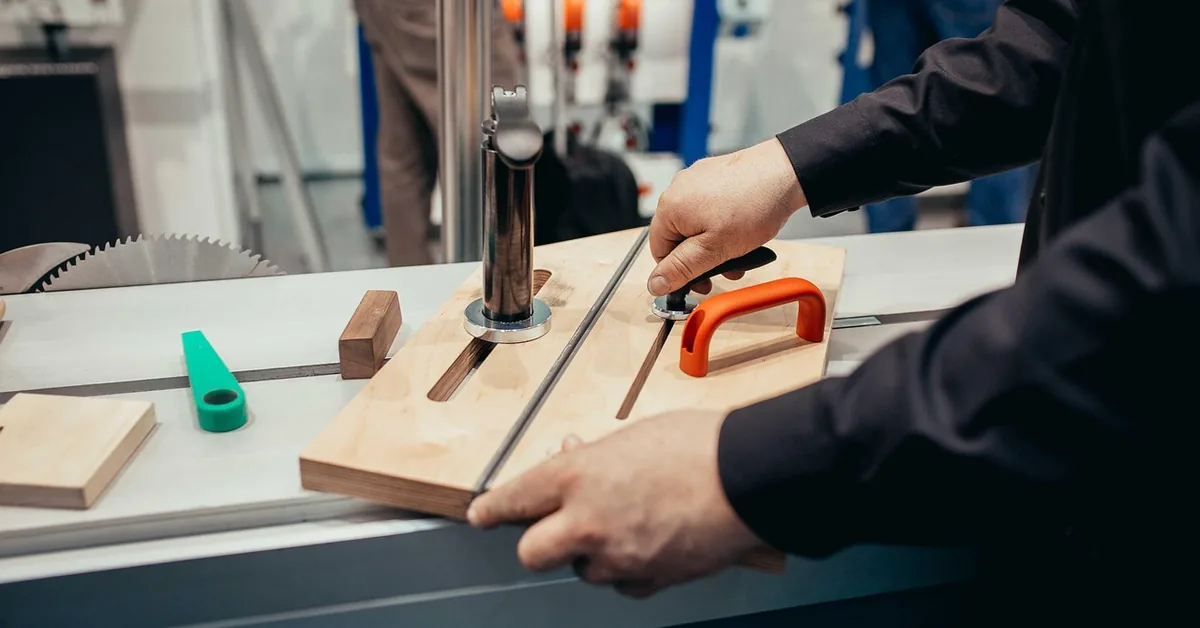
- Use a push stick or push block within 6 inches of the blade. CPSC’s injury survey found 62% of hurt operators were using neither a push stick nor a miter gauge. A table saw gripper (push block, push pad, or a hybrid tool) closes that exact gap on narrow rips.
- Stand to the side of the blade’s cutting line, never directly behind it. Kickback throws stock straight back along that line at whoever is standing there.
- Feed at a steady pace, against blade rotation. Feeding too fast can catch and throw stock; feeding too slow burns the wood and can bind the blade.
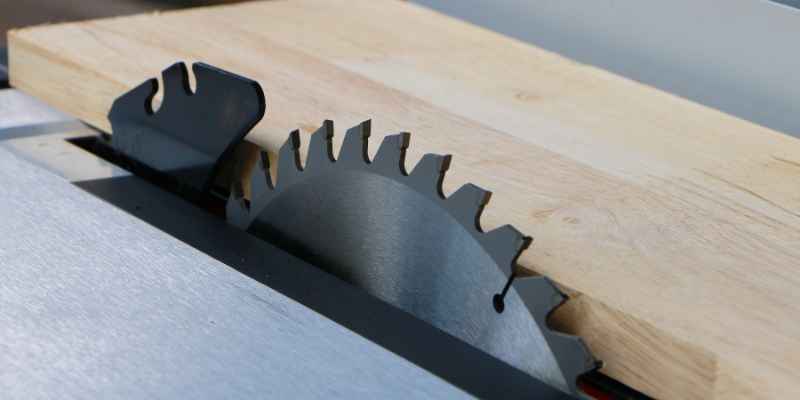
- Use a splitter, riving knife, or anti-kickback pawls on every rip cut. These hold the kerf open behind the blade so the wood can’t pinch the blade and shoot backward.
- Match the blade to the material, and keep it sharp. A dull or wrong-tooth-count blade forces more feed pressure — the setup mistake behind a large share of kickback events.
- Wear ANSI Z87.1-rated safety glasses, hearing protection, and a dust mask. Remove rings and watches, and tuck in loose sleeves — loose clothing has pulled hands toward blades before.
- Use a zero-clearance insert for narrow or thin stock. It supports the cutoff piece so it can’t drop into the throat plate gap and kick back.
- Unplug the saw before changing blades, adjusting the riving knife, or clearing a jam. Never reach near the blade area while the saw still has power to it.
- Inspect the saw before every session. Check blade condition, confirm the guard moves freely, and make sure the fence and miter gauge are locked square.
- Never operate distracted, rushed, or fatigued. CPSC injury narratives and operator surveys consistently point to lapses in attention — not equipment failure — as the most common event right before an injury.
What to Do If a Table Saw Accident Happens
Table saw injuries happen in a fraction of a second, and what you do in the first few minutes affects the outcome. These are general first-aid steps, not a substitute for emergency medical care.
Immediate First Aid Steps
- Turn off and unplug the saw before touching the injured person or reaching near the blade.
- Apply firm, direct pressure to the wound with a clean cloth, and elevate the injured hand above heart level.
- For a severed finger or piece of tissue: don’t wash it. Wrap it in a clean, non-fluffy cloth, seal that in a plastic bag, and place the bag on ice — never let ice touch the tissue directly, since direct contact causes further damage.
- Don’t apply a tight bandage or tourniquet unless bleeding is severe and uncontrolled; over-tight wrapping can cut off circulation and worsen the injury.
- Keep the person calm and still while you call for help or get them to emergency care.
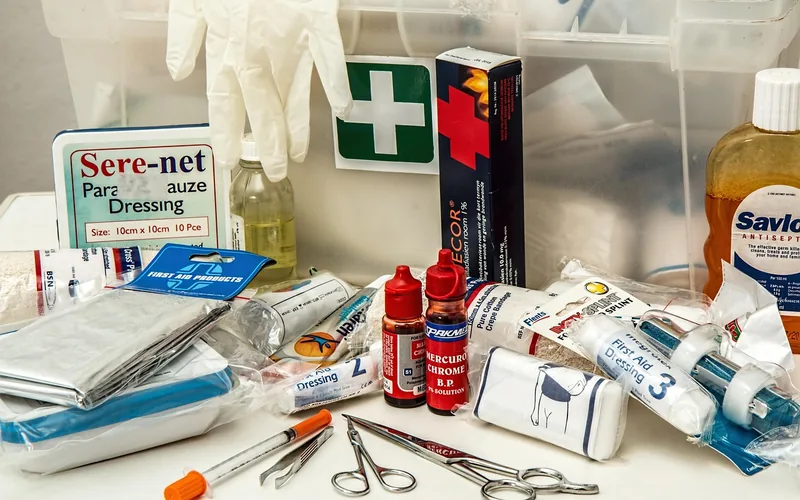
When to Call 911 or Go to the Emergency Room
Get emergency medical care immediately for: any amputation or partial amputation, bleeding that doesn’t slow after 10 minutes of firm direct pressure, a wound deep enough to expose bone, tendon, or muscle, or signs of shock such as pale or clammy skin, rapid breathing, or confusion. Bring any severed tissue with the patient, packed as described above — reattachment is sometimes possible when a severed part reaches a hospital quickly and properly preserved.
Table Saw Safety Technology and the 2025 CPSC Rule Withdrawal
Flesh-sensing “active injury mitigation” (AIM) technology, best known through SawStop, uses a small electrical signal through the blade to detect skin contact and fires a brake that stops and drops the blade below the table in under 5 milliseconds — fast enough to typically leave a nick instead of an amputation.
In 2023, the CPSC proposed a rule requiring all new table saws sold in the U.S. to include AIM technology within three years, projecting it could prevent tens of thousands of injuries a year. That rule never took effect. On August 20, 2025, the CPSC withdrew the proposed rule following a change in the agency’s leadership, citing concerns about cost and about privileging SawStop’s patented technology. There is currently no federal requirement for flesh-sensing technology on table saws sold in the U.S. (Federal Register, CPSC proposed rule history)
“We will not squander limited resources on rules that diminish consumer choice…”
Practically, that means the choice is back on the buyer. A basic contractor saw with a riving knife and blade guard, used correctly with the rules above, is a legitimately safe tool — that’s what most professional shops ran for decades before AIM technology existed. A SawStop-equipped saw costs roughly $1,000–$1,500 more than a comparable basic saw, but for anyone who cuts often, teaches others, or has had a close call before, that premium is small next to the cost, downtime, and permanent risk of an ER visit for an amputation.
Common Mistakes to Avoid
- Removing a safety feature “just for one cut” and forgetting to reinstall it before the next one.
- Making freehand cuts without a fence or miter gauge to guide the stock — an unguided cut has no defense against binding or drifting into the blade.
- Reaching over or behind a spinning blade to clear an offcut instead of turning the saw off first.
- Running a saw with a loose, misaligned, or missing riving knife because reinstalling it after a blade change feels like it slows things down.
Frequently Asked Questions
What is the most common cause of table saw accidents?
Hand-to-blade contact during kickback is the most common cause. CPSC’s injury survey found the operator’s hand was pulled into the blade in 65.2% of kickback events, and 62% of injured operators were using neither a push stick nor a miter gauge at the time — not a mechanical failure, but a missing basic safety habit.
Is a SawStop table saw worth the extra cost?
For frequent users, professionals, or anyone teaching others, most woodworkers consider it worth it: the $1,000–$1,500 premium is small next to the cost of an ER visit and permanent injury. It’s no longer federally required after CPSC’s 2025 rule withdrawal, so it’s a personal budget decision, not a compliance one. A basic saw used correctly with a guard, riving knife, and push stick is still a safe tool.
What should I do immediately after a table saw injury?
Turn off the saw, apply firm direct pressure to the wound with a clean cloth, and elevate the injured hand. For any amputation, uncontrolled bleeding, or a wound exposing bone or tendon, call 911 or get to an emergency room immediately. If tissue was severed, wrap it in a clean cloth, seal it in a bag, and place the bag on ice without letting ice touch it directly.
How high should the blade be set above the wood?
Most woodworking safety guides recommend setting the blade no more than 1/4 inch above the top of the workpiece. A lower blade exposes fewer teeth, which reduces how much damage occurs if a hand or offcut ever reaches the blade area.
Did the CPSC ban unsafe table saws?
No. In August 2025, the CPSC withdrew its proposed rule that would have required flesh-sensing safety technology on new table saws; it did not ban any existing saw design. General consumer product safety laws still apply, but there is no table-saw-specific federal safety standard in effect as of this writing.
Are riving knives and blade guards actually effective?
Yes. A riving knife keeps the saw kerf open behind the blade so stock can’t pinch and kick back, and a blade guard blocks incidental contact with the spinning blade. Both are most effective when combined with a push stick and correct standing position — no single feature replaces safe technique.
Conclusion
Table saw accidents are preventable in the large majority of cases: CPSC’s own data points back to the guard, the riving knife, and the push stick more often than to the machine itself. Run through the 12 rules above before your next cut, keep a first aid kit within reach, and check our woodworking tools and saws guide for choosing and setting up a saw safely from the start.
Sponsored / affiliate links. As an Amazon Associate I earn from qualifying purchases. I may earn additional commission from eligible campaigns.