How to Charge a Drill Battery With a Different Charger: Expert Tips
Have you ever found yourself in the middle of a project, only to realize your drill battery is dead? Even more frustrating is having a charger that doesn’t fit.
It’s a common problem, but you don’t have to let it slow you down. Imagine the satisfaction of learning a simple trick that could save you time and hassle. With the right guidance, you can breathe life back into your battery using a different charger.
Picture yourself completing your tasks without any interruptions. By reading this article, you’ll discover practical steps to keep your drill powered up and ready to go whenever you need it. Let’s dive in and unlock the secrets to charging your drill battery efficiently and effectively.

Credit: www.youtube.com
Choosing The Right Charger
First, know your drill battery type. Common types are NiCd, NiMH, and Lithium-Ion. Check your battery label. It usually shows the type. Different types need different chargers. Always use a charger that matches your battery type.
Compatibility is very important. A wrong charger can damage your battery. Match the voltageand amperageof the charger to your battery. This information is on the charger and battery. Wrong voltage can cause overheating. Always choose a charger with the same or lower voltage. Safety first!
Safety Precautions
Ensure compatibility between the charger and drill battery to prevent damage. Follow manufacturer’s guidelines and check voltage and polarity. Avoid overcharging by monitoring the process closely.
Avoid Overcharging
Overcharging a battery can be dangerous. Never leave the battery unattended while charging. It might get too hot or even explode. Always check the charger’s settings. Ensure it matches the battery’s requirements.
Monitor Charging Process
Keep an eye on the charging process. Regularly check the battery’s temperature. If it feels too warm, unplug it immediately. Use a timer to track charging time. This helps avoid overcharging. Make sure the charger is in good condition. Inspect wires and plugs for damage. Safe charging ensures battery lasts longer.
Step-by-step Charging Guide
Gather all the necessary tools. You need a compatible charger and the battery. Ensure the charger matches the battery’s voltage. Check the wiresfor any damage. Make sure the charger is not broken. Put the charger and battery on a flat surface. Keep them away from water. This prevents accidents.
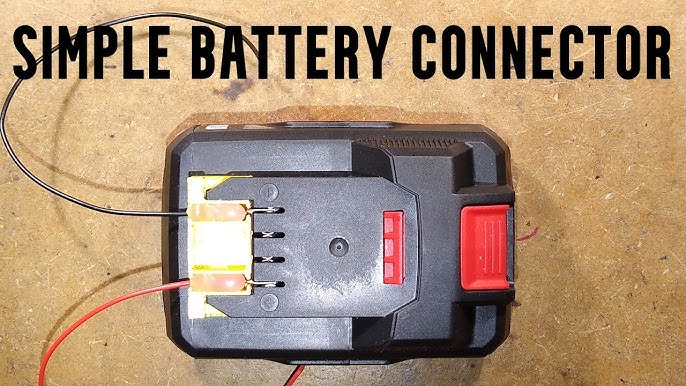
Find the battery’s terminals. Match the charger’s wires to the terminals. Connect the red wire to the positive terminal. Connect the black wire to the negative terminal. Ensure the connections are tight. Loose wires can cause sparks. Double-check the setup before proceeding.
Plug the charger into the wall socket. Turn on the switch to start. Watch the battery as it charges. Do not leave it unattended. Charging time varies, usually a few hours. Check the battery temperature. It should not be too hot. Once charged, turn off the switch. Disconnect the charger from the battery. Store the battery safely.
Troubleshooting Common Issues
Charging a drill battery with a different charger can sometimes cause problems. Ensure voltage and connector compatibility before proceeding. Use a charger with the same voltage to avoid damage.
Battery Not Charging
The battery might not charge due to loose connections. Check all wires and plugs. Ensure they fit snugly into the battery and charger. Dirty contacts can also be a problem. Clean them with a soft cloth. Wrong voltage is another issue. Make sure the charger matches the battery’s voltage. If the battery is old or damaged, it may not hold charge anymore. Replace it if necessary.
Overheating Problems
Overheating can happen if the charger is faulty. Check for any damage to the charger. Excessive heat can harm the battery. Let it cool before charging again. Charging too long can also cause overheating. Always unplug after the battery is full. Poor ventilation around the charger can trap heat. Ensure there is enough space around it.
Maintenance Tips
Regular Battery Checksare important. Inspect the battery for dirt. Clean it gently with a soft cloth. Check for cracks or leaks. If you see damage, consider a replacement. Batteries must remain dry. Wet batteries can stop working. Ensure connections are tight. Loose connections can lead to problems.
Proper Storage Practiceshelp extend battery life. Store batteries in a cool, dry place. Heat can harm batteries. Keep them away from metal objects. Metal can cause short circuits. Charge batteries before storing. Avoid storing drained batteries. Use the charger designed for your battery type. Different chargers may not work well.

Credit: www.reddit.com
Expert Recommendations
Charging a drill battery with a different charger requires careful attention to compatibility. Ensure voltage and connector type match to prevent damage. Follow expert guidance to safely power your tool.
Choosing Quality Chargers
Pick chargersfrom trusted brands. They keep batteries safe. Look for chargers with smart features. These adjust charging speed. They prevent battery damage. Check compatibilitywith your drill battery. It must match voltage and size. Wrong chargers can harm batteries.
Maximizing Battery Life
Keep batteries cool and dry. Heat reduces life. Store them away from sun. Use batteries regularly. This keeps them healthy. Avoid overcharging. This weakens battery cells. Charge them fully, then unplug. Use a timer if needed. This helps maintain battery strength.
Frequently Asked Questions
Can You Charge A Drill Battery With Any Charger?
No, using any charger can damage the battery or the charger. Always use a charger compatible with your drill battery’s voltage and type. Check the manufacturer’s guidelines for compatibility. Using the wrong charger may lead to overheating or reduced battery life.
How Do I Identify The Right Charger?
Identify the right charger by checking the voltage and type specifications on the battery. Match these with the charger’s specifications. Refer to your drill’s manual or the manufacturer’s website for guidance. This ensures safe and efficient charging.
Is It Safe To Use A Universal Charger?
Using a universal charger can be safe if it’s compatible with your battery type and voltage. Always check compatibility before use. Some universal chargers have adjustable settings, ensuring a safe charge. However, manufacturer-specific chargers are usually more reliable for optimal performance.
What Happens If I Use The Wrong Charger?
Using the wrong charger can overheat the battery, reducing its lifespan and efficiency. It may also cause permanent damage or safety hazards. Always ensure charger compatibility with your battery to maintain performance and safety.
Conclusion
Charging a drill battery with a different charger is possible. Always ensure compatibility first. Check voltage and connection types. Use a multimeter for safety checks. Follow the manufacturer’s guidelines strictly. This prevents damage to the battery. Keep your workspace organized and well-lit.
Avoid makeshift solutions that risk safety. Proper charging extends your battery’s life. Prioritize safe practices above convenience. Now, you’re ready to charge your drill battery effectively.