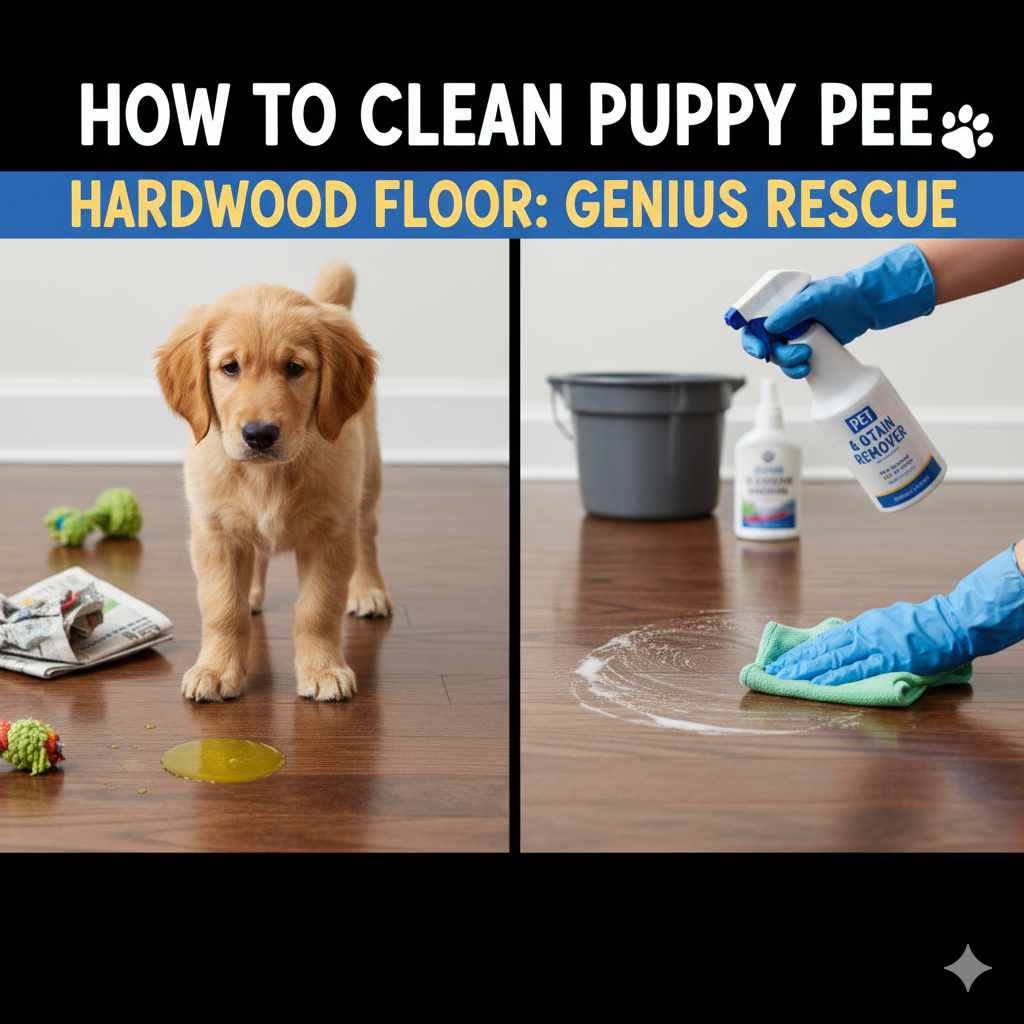
How to Clean Puppy Pee on Hardwood Floor: Genius Rescue
For stubborn puppy stains on hardwood, act fast! Blot excess liquid immediately, then use a gentle, pH-neutral cleaner specifically for wood floors. Avoid harsh chemicals and excessive water. Regular cleaning and proper sealing will prevent future issues.
Getting a new puppy is an absolute joy! Their playful energy and wagging tails light up our homes. But let’s be honest, accidents happen, especially when they’re still learning the ropes. One of the most common and, frankly, stressful challenges is puppy pee on beautiful hardwood floors. It can feel like a disaster, leaving behind those dreaded stains and that lingering odor. But don’t worry, fellow DIYers and homeowners! With the right approach, you can rescue your floors and keep them looking gorgeous. This guide will walk you through simple, effective steps to tackle puppy pee. Let’s get those floors looking (and smelling) like new again!
Why Prompt Action is Key for Hardwood Floors
Hardwood floors are lovely, but they’re also porous. This means liquids, like puppy accidents, can soak into the wood if left unaddressed. The longer urine sits on the surface, the deeper it penetrates the wood grain and any protective finish. This isn’t just about appearance; urine contains uric acid, which can break down the wood’s finish and even the wood itself over time, leading to permanent stains and damage. Plus, that distinct odor can become ingrained, making your home less pleasant. That’s why knowing how to clean puppy pee on hardwood floors quickly and effectively is essential for protecting your investment and your peace of mind.
Understanding Puppy Urine and Hardwood
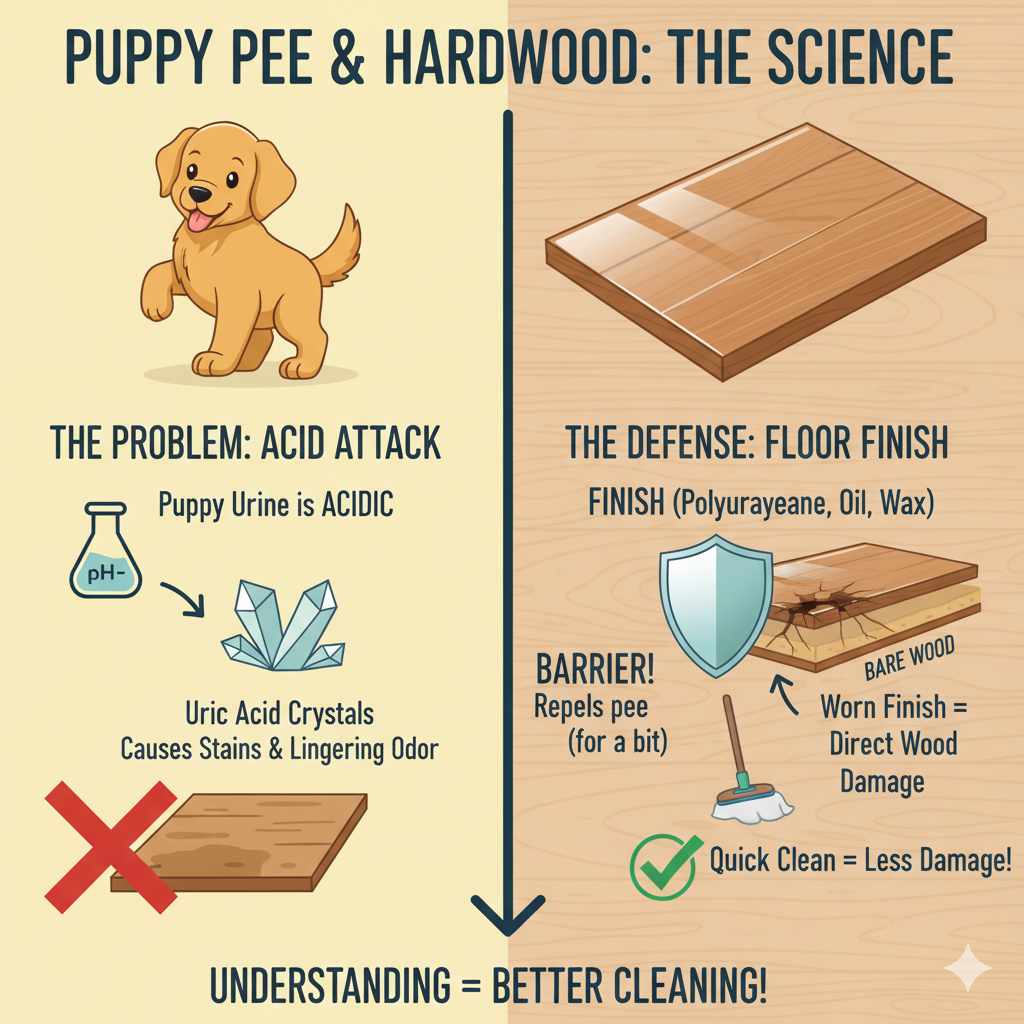
Puppy urine is acidic. This acidity is the main culprit behind the staining and potential damage to your hardwood floors. The uric acid crystals in urine can be tough to remove once they’ve dried, and they are the source of that persistent smell. Your hardwood floor’s finish (like polyurethane, oil, or wax) acts as a barrier. A well-maintained finish can repel liquids for a short time, giving you a window to clean. However, if the finish is worn or scratched, the urine can bypass it much more easily and damage the bare wood underneath. Understanding this dynamic helps us choose the right cleaning methods to avoid making things worse.
Gather Your Cleaning Arsenal: What You’ll Need
Before we dive into the cleaning steps, let’s make sure you have everything ready. Having your supplies at hand means you can tackle an accident the moment it happens. This is crucial for preventing permanent damage.
Here’s a list of what you’ll want to have ready:
- Paper towels or clean, absorbent cloths: For soaking up as much liquid as possible. Old microfiber towels are great for this!
- Enzymatic cleaner: This is your superhero for urine. Look for one specifically designed for pet stains on hardwood floors. Enzymes break down the urine molecules that cause stains and odors.
- pH-neutral wood floor cleaner: For general cleaning after the urine has been neutralized.
- A spray bottle: For diluting some cleaners if needed, or for applying your chosen solution.
- A soft-bristled brush or an old toothbrush: For gently working cleaner into any stubborn spots or grout lines if applicable.
- Water: Clean, cool water for rinsing.
- Optional: A wet/dry vacuum: Can be very helpful for extracting excess liquid and cleaner, especially from wider spills.
- Optional: Baking soda: Can be used as an odor absorber in some cases, but use with caution on finishes.
Always remember to check the manufacturer’s recommendations for your specific hardwood floor finish. Some finishes are more sensitive than others.
The “Genius Rescue” Method: Step-by-Step
This method is designed to be gentle on your hardwood while being tough on puppy pee stains and odors. Speed is your friend here, so let’s get right to it!
Step 1: Immediate Blotting – Get That Liquid Up!
This is the most critical step. As soon as you discover an accident:
- Grab your paper towels or absorbent cloths.
- Gently but firmly blot the area. Do NOT rub! Rubbing can spread the urine and push it deeper into the wood grain and beneath the finish.
- Keep blotting with fresh towels until you’ve absorbed as much liquid as possible. You want the surface to feel almost dry to the touch.
Step 2: Choose Your Cleaner Wisely
Now that the surface is blotted, it’s time to tackle the residue. The best approach depends on whether the stain is fresh or has already set in.
For Fresh Stains:
Fresh stains are easier to remove. You’ll want to neutralize the acidic components of the urine.
- Enzymatic Cleaner is Best: If you have an enzymatic cleaner, now is the time to use it. Follow the product instructions carefully. Typically, you’ll spray the cleaner generously over the affected area.
- Let it Sit: Most enzymatic cleaners need time to work. This might mean leaving it on for 10-15 minutes, or even longer, depending on the product. The enzymes need contact time to break down the uric acid.
- Blot Again: After the recommended dwell time, blot the area again with clean cloths to remove excess cleaner and dissolved urine residue.
For Set-In or Old Stains:
Older stains can be more challenging because the urine has had more time to penetrate. You might need a multi-step approach.
- Start with Enzymatic Cleaner: Always start with an enzymatic cleaner, as it’s the most effective at breaking down the odor-causing compounds. Apply it as described for fresh stains. You might need to repeat this process several times for tough, old stains.
- Consider a pH-Neutral Cleaner: If the enzymatic cleaner doesn’t remove the stain entirely, you can follow up with a cleaner specifically designed for hardwood floors. Ensure it’s pH-neutral to avoid damaging your floor’s finish.
- Gentle Scrubbing (If Needed): For any stubborn discoloration, you can try a very gentle scrub with a soft brush or old toothbrush dipped in your cleaner. Always scrub in the direction of the wood grain. Be extremely careful not to scratch the finish.
Step 3: Rinse and Dry Thoroughly
After cleaning, it’s important to remove any cleaning solution residue and ensure the area is completely dry.
- Lightly dampen a clean cloth with plain water.
- Wipe down the area to rinse away any cleaner. Avoid saturating the wood.
- Immediately dry the area thoroughly with a clean, dry cloth.
- Ensure the area is completely dry to the touch. You can even place a fan nearby to speed up the drying process. Proper drying is crucial to prevent moisture damage to your hardwood.
Step 4: Deodorize (If Necessary)
If an odor persists after cleaning, it means some of the urine components might still be present deep within the wood or subfloor.
- Reapply Enzymatic Cleaner: Often, a second or third application of a good enzymatic cleaner is all that’s needed. The enzymes will continue to break down the odor-causing molecules.
- Baking Soda (Use with Caution): As a last resort, you can try sprinkling a thin layer of baking soda over the dry spot. Let it sit for several hours or overnight to absorb odors, then vacuum it up thoroughly. Be cautious with baking soda on certain finishes, as it can be abrasive. Always test in an inconspicuous area first.
What NOT to Do: Common Mistakes to Avoid
When dealing with puppy accidents, it’s as important to know what to avoid as it is to know what to do. Some common cleaning mistakes can actually make the problem worse or damage your beautiful hardwood floors.
Here are some critical “don’ts”:
- Don’t use ammonia-based cleaners: Ammonia has a smell similar to urine and can actually attract your puppy back to the same spot to pee again. It can also damage some finishes.
- Don’t use bleach or harsh chemicals: Bleach can discolor your wood floor and damage its finish. Harsh chemicals will almost certainly ruin the protective coating and potentially the wood itself.
- Don’t use steam cleaners: The heat and excessive moisture from steam cleaners can warp, crack, or delaminate your hardwood floors.
- Don’t use excessive water: Water is the enemy of hardwood. Too much water can lead to swelling, warping, and permanent damage to the wood and its finish. Always use a damp cloth, never a soaking wet one.
- Don’t scrub aggressively: Vigorous scrubbing can scratch or dull the finish on your hardwood floors, making them more susceptible to future stains.
- Don’t let accidents air dry: The longer urine sits, the harder it is to remove and the more damage it can cause. Speed is your ally!
Preventing Future Accidents: Tips for Puppy Training
While cleaning is important, the ultimate goal is to minimize accidents. Consistent and positive puppy training is your best strategy!
Here are some fundamental training tips:
- Consistent Potty Schedule: Take your puppy out frequently – first thing in the morning, after waking from naps, after playing, after eating or drinking, and right before bedtime.
- Positive Reinforcement: Praise and reward your puppy enthusiastically with treats and affection immediately after they go potty outside. Make it a party!
- Supervision is Key: When you’re home, keep a close eye on your puppy. Watch for signs they need to go (sniffing, circling, whining). If you see these signs, immediately take them outside.
- Crate Training: Crate training can be very effective. Dogs are naturally reluctant to soil their sleeping area. This helps them develop bladder control and signals when they need to go. Ensure the crate is the right size – large enough to stand, turn around, and lie down, but not so large they can designate a potty corner. Learn more about safe crate training practices from reputable sources like the American Kennel Club.
- Clean Accidents Thoroughly: Use an enzymatic cleaner to completely remove the odor from any accidents inside. If the scent lingers, your puppy may be drawn back to the same spot.
- Patience and Consistency: Every puppy learns at their own pace. Be patient, stay consistent with your training, and celebrate every success!
Long-Term Hardwood Floor Care for Pet Owners
Once your puppy is trained and your floors are clean, it’s good to think about long-term care to keep your hardwood looking its best, especially with furry friends around.
Maintaining Your Floor’s Finish
The finish on your hardwood floor is its primary defense. Regularly inspect it for wear and tear. If you notice it becoming dull or scratched, it might be time for a recoat. A high-quality polyurethane finish provides excellent protection against spills and wear. For specific advice on maintaining your particular floor’s finish, consulting a professional flooring specialist or checking the National Wood Flooring Association can be very helpful.
Choosing the Right Cleaner
Always stick to cleaners recommended for your floor’s finish. For routine cleaning, a simple mop with a wood-floor-specific cleaner is usually sufficient. Avoid anything that leaves a residue or requires excessive water.
Area Rugs and Runners
Consider placing washable area rugs or runners in high-traffic areas your puppy frequents, especially near doorways or their favorite napping spots. These can catch many minor accidents and protect the wood underneath.
Regular Grooming for Your Puppy
Keeping your puppy clean and well-groomed can also help. Regular baths (when appropriate for their age and health) mean less dirt and less potential for odors to transfer to your floors.
Comparing Cleaning Products: A Quick Look
Choosing the right cleaning product can make all the difference. Here’s a simplified comparison to help you decide.
| Product Type | Pros | Cons | Best For |
|---|---|---|---|
| Enzymatic Cleaners | Effectively breaks down urine molecules (stain and odor), safe for most finishes when used as directed. Specifically designed for pet accidents. | May require dwell time, can be more expensive than general cleaners. | Fresh and old puppy urine stains and odors. |
| pH-Neutral Wood Floor Cleaners | Gentle on hardwood finishes, effective for general cleaning and light spills. | May not fully neutralize urine odor or break down deep stains as effectively as enzymatic cleaners. | Routine cleaning, light damp wiping after initial urine cleanup. |
| Ammonia-Based Cleaners | Can lift some stains. | Strong odor attracts dogs back to the spot, can damage wood finishes, generally not recommended for pet accidents. | Not recommended for puppy pee on hardwood. |
| Vinegar/Water Solutions | Natural, readily available. | Acidic nature can dull or damage some finishes over time. Odor may linger or attract pets. | Best avoided for pet stains on hardwood; only for very diluted, occasional spot cleaning if absolutely necessary and tested. |
As you can see, enzymatic cleaners are the clear winner for tackling puppy pee. They are specifically formulated to break down the components of urine that cause both stains and those persistent odors. When used according to the manufacturer’s instructions, they are generally safe for your hardwood finishes and provide the most effective rescue.
Addressing Stubborn Odors: Deeper Dive
Sometimes, even after cleaning, that faint puppy pee smell can linger. This is usually because the urine has soaked into porous materials beyond the finish – into the wood grain itself or even the subfloor.
Here’s how to tackle those persistent odors:
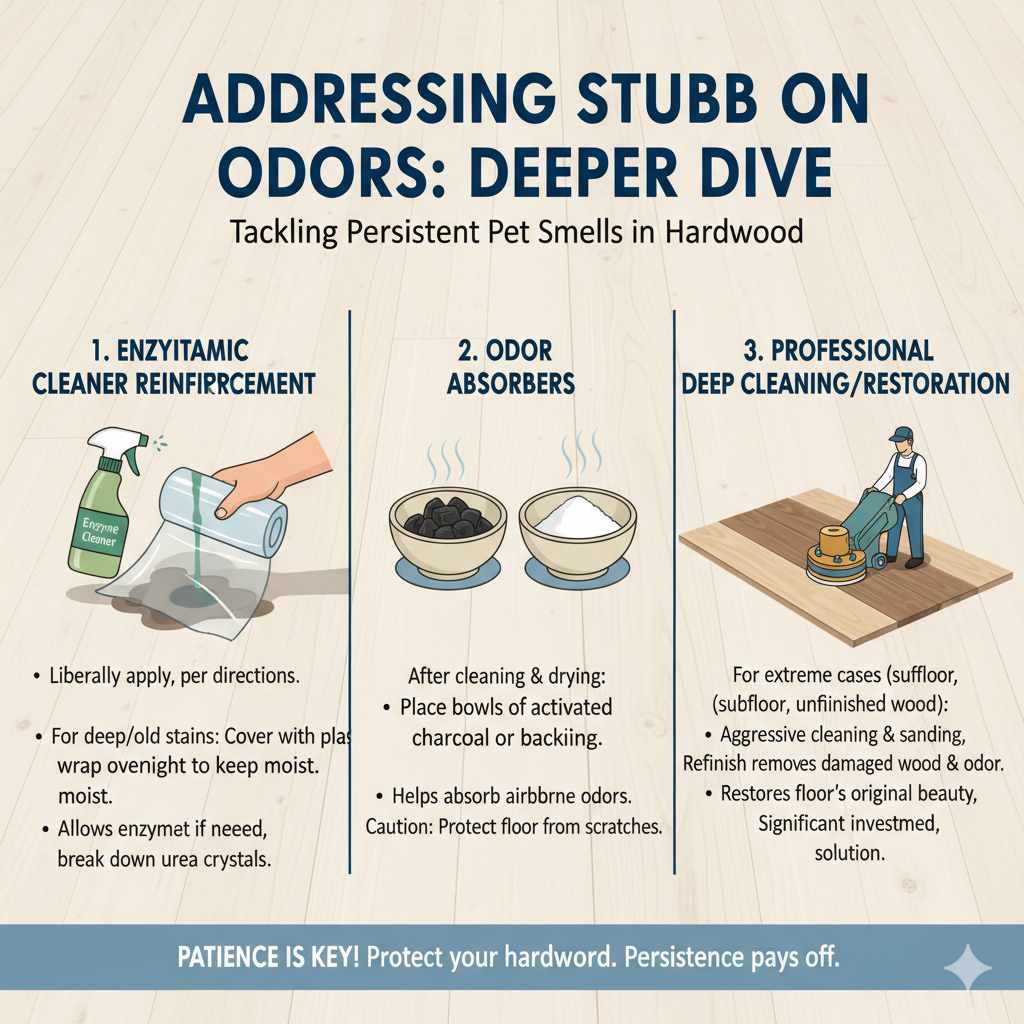
- The Enzymatic Cleaner Reinforcement: This is your best bet. Apply the enzymatic cleaner liberally as directed. For very deep or old stains, you might need to allow it to sit for much longer – even overnight, covered with plastic wrap (ensure it’s sealed to keep the cleaner moist and working). Then blot and dry. Repeat this process if necessary. The key is giving the enzymes enough time to fully break down the urea crystals that cause odor.
- Odor Absorbers: After thorough cleaning and drying, and if odor still persists, consider using a natural odor absorber. Placing bowls of activated charcoal or baking soda around the room (not directly on the floor without protection, to avoid scratches) can help absorb airborne odors.
- Professional Deep Cleaning/Restoration: In extreme cases, especially if the subfloor is affected or the urine has penetrated deeply into unfinished wood, you might need professional help. This could involve more aggressive cleaning, sanding, and refinishing a section or the entire floor. A professional sand and refinish will completely remove any damaged wood and odor, restoring your floor to its original beauty. This is a more significant investment but guarantees a solution.
It’s important to be patient. Eliminating deeply ingrained pet odors can take time and persistence. Always prioritize methods that protect your hardwood flooring.
FAQ: Your Puppy Pee & Hardwood Questions Answered
Q1: How quickly should I clean up puppy pee on hardwood?
A: Immediately! The sooner you blot up the liquid, the less it will soak into the wood and finish, making it much easier to clean and preventing permanent stains and odors.
Q2: Can I use a general household cleaner on puppy pee?
A: It’s best not to. Many common cleaners contain ammonia (which can attract your puppy back) or are too harsh and can damage your hardwood’s finish. Always opt for an enzymatic cleaner specifically for pet stains or a pH-neutral cleaner for wood floors.
Q3: My puppy pee stain is old. Can I still get it out?
A: Yes, but it will be more challenging. You’ll likely need multiple applications of a good enzymatic cleaner. Be patient and consistent. For very old or deep stains, some discoloration may remain, or professional refinishing might be needed.
Q4: Will cleaning puppy pee damage my wood floor’s finish?
A: If you use harsh chemicals, excessive water, or scrub too hard, you can damage the finish. Using a recommended enzymatic cleaner and blotting gently with minimal water is generally safe for most hardwood finishes.
Q5: My house still smells like puppy pee even after cleaning the floor. What do I do?
A: This usually means the urine has penetrated deeper than the surface. Reapply enzymatic cleaner to the spot, ensuring it has plenty of dwell time. You might also need to address odors in furniture, carpets, or from the subfloor itself.