How to Cut a Hexagon Out of Wood: A Step-by-Step Guide
To cut a hexagon out of wood, mark the center point and then the six points for the corners. Connect the points to form the hexagon shape.
When cutting, follow the lines precisely using a saw or jigsaw. Remember to wear safety gear. Are you looking to add a unique touch to your woodworking projects? Cutting a hexagon out of wood can be a fun and creative way to achieve this.
By following a few simple steps and using the right tools, you can easily create a perfect hexagon shape to incorporate into your designs. In this guide, we will walk you through the process of cutting a hexagon out of wood, providing you with the skills and knowledge needed to enhance your woodworking skills. Let’s dive in and explore the steps involved in this creative woodworking endeavor.
Introduction To Hexagon Crafting
Popularity Of Hexagonal Designs
Hexagonal designs have gained popularity in various crafts and DIY projects due to their unique and visually appealing shape. The symmetry and balance of hexagons make them a favorite choice for creating beautiful and intricate patterns in woodworking. Whether used as standalone pieces or as part of larger designs, hexagons add a touch of elegance and modernity to any project.
Applications Of Wooden Hexagons
Wooden hexagons have a wide range of applications, from creating stunning wall art and decorative pieces to constructing custom furniture and even crafting engaging educational toys. The versatility of wooden hexagons allows for endless creativity and innovation in woodworking projects, making them a valuable addition to any crafter’s toolkit.
Materials And Tools Required
Before you start cutting a hexagon out of wood, it’s important to gather the right materials and tools. Choosing the right wood and having the essential cutting tools will ensure that your project goes smoothly and yields the best results. Here’s what you’ll need:
Choosing The Right Wood
When selecting wood for your project, opt for hardwoods like oak, cherry, or walnut as they are sturdy and produce clean cuts. Softwoods like pine or cedar are more prone to splintering and may not provide the desired finish.
Essential Cutting Tools
For precision and accuracy, you’ll need the following cutting tools:
- Miter saw: Ideal for making accurate angled cuts
- Table saw: Essential for cutting large pieces of wood with precision
- Band saw: Perfect for intricate and curved cuts
- Clamps: To secure the wood in place during cutting
- Measuring tools: Such as a ruler, square, or protractor for precise measurements
- Pencil and marking tools: For outlining the hexagon shape on the wood
Safety First: Preparing Your Workspace
When it comes to woodworking, safety should always be your top priority. Before you start cutting a hexagon out of wood, it’s essential to prepare your workspace to minimize the risk of accidents. In this section, we’ll cover the necessary safety gear and workspace setup to ensure a safe and secure environment for your woodcutting project.
Safety Gear
Wearing the appropriate safety gear is crucial when working with woodcutting tools. The following items are essential for protecting yourself during the cutting process:
- Safety goggles: Protect your eyes from wood chips and debris.
- Ear protection: Minimize the impact of loud noise from power tools.
- Dust mask: Prevent inhalation of sawdust and wood particles.
- Gloves: Ensure a secure grip and protect your hands from splinters.
Workspace Setup
Prior to cutting a hexagon out of wood, it’s important to organize your workspace for optimal safety and efficiency. Consider the following workspace setup guidelines:
- Clear the area: Remove any clutter or obstacles that could impede your movement.
- Stable work surface: Use a sturdy workbench or table to support the wood during cutting.
- Proper lighting: Ensure adequate lighting to clearly see the cutting lines and markings.
- Secure footing: Stand on a non-slip surface to maintain balance and stability.
Measuring And Marking The Wood
Before you can start cutting a hexagon out of wood, you need to measure and mark the wood accurately. This is a crucial step that determines the success of your project. Below, we’ll discuss how to calculate dimensions and draw a hexagon.
Calculating Dimensions
The first step in cutting a hexagon out of wood is to determine the dimensions of the hexagon. You need to decide the size of the hexagon and the thickness of the wood that you’ll be using. Once you have decided on the size, you can calculate the length of the sides of the hexagon.
The formula to calculate the length of the sides of the hexagon is:
| Size of Hexagon | Length of Each Side |
|---|---|
| 1 inch | 0.577 inches |
| 2 inches | 1.155 inches |
| 3 inches | 1.732 inches |
| 4 inches | 2.309 inches |
For example, if you want to make a hexagon with a size of 4 inches, the length of each side will be 2.309 inches. You can use this formula to calculate the length of the sides for any size of hexagon.
Drawing The Hexagon
Once you have calculated the dimensions of the hexagon, the next step is to draw the hexagon on the wood. You can use a ruler and a protractor to draw the hexagon accurately.
- Draw a straight line on the wood that is the length of one side of the hexagon.
- Using a protractor, mark a 120-degree angle at each end of the line.
- Draw a line between each of the 120-degree angles to create the six sides of the hexagon.
- Cut along the lines using a saw to create the hexagon shape.
Make sure that you measure and mark the wood accurately to ensure that your hexagon is symmetrical and evenly shaped.
By following these steps, you can easily cut a hexagon out of wood. Remember to take your time and measure and mark the wood accurately to ensure a successful project.
Cutting Techniques
When cutting a hexagon out of wood, using the right techniques is crucial for achieving precise results. Below, we will explore the key cutting techniques, including using a saw and precision cutting tips.
Using A Saw
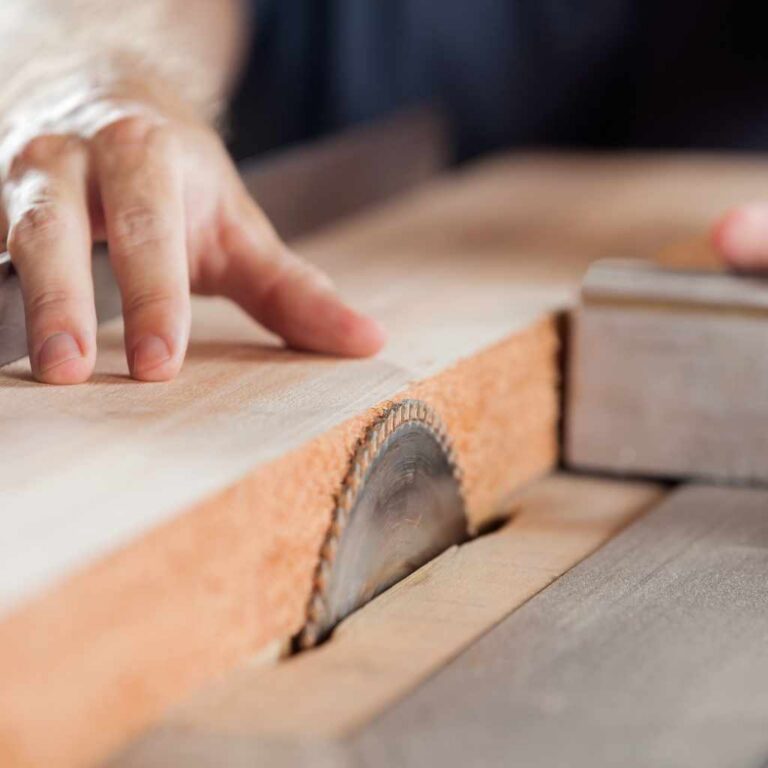
To cut a hexagon out of wood, a saw is the primary tool you will need. Follow these steps:
- Mark the wood with the measurements of the hexagon.
- Secure the wood on a work surface using clamps to prevent movement.
- Choose a saw suitable for the thickness of the wood.
- Carefully cut along the marked lines to create the hexagon shape.
Precision Cutting Tips
For precise hexagon cutting, consider the following tips:
- Measure and mark accurately to ensure symmetrical sides.
- Use a sharp saw blade to achieve clean cuts.
- Practice on scrap wood before cutting the final piece.
- Go slow and steady to maintain control over the saw.
Finishing The Edges
To cut a hexagon out of wood, start by marking the center point and drawing six equal-length lines from it. Then, use a saw to carefully cut along the lines. Finish the edges with sandpaper to create a smooth and polished look.
After cutting a hexagon out of wood, finishing the edges is an important step to ensure a professional-looking and smooth end result. There are several options for edge treatment, but sanding for smoothness is always the first step. Let’s explore the different options for finishing the edges of a hexagon cut out of wood.
Sanding For Smoothness
The first step in finishing the edges of a hexagon cut out of wood is sanding for smoothness. This step is important because it removes any rough edges or unevenness left from the cutting process. Start with a rough grit sandpaper, such as 80 or 100 grit, and gradually move up to finer grits, such as 220 or 320 grit, until the edges are smooth to the touch.
Edge Treatment Options
After sanding, there are several options for edge treatment to give the hexagon a finished look:
- Roundover bit: A roundover bit can be used on a router to create a rounded edge on the hexagon. This option is great for a softer look.
- Chamfer bit: A chamfer bit can be used on a router to create a beveled edge on the hexagon. This option is great for a more defined look.
- Sanding: Sanding the edges at a 45-degree angle can create a beveled edge without the need for a router.
- Staining: Staining the edges of the hexagon can give it a finished look and add contrast to the wood grain.
No matter which option is chosen, it is important to sand the edges again after any additional treatment to ensure a smooth finish.
Cutting a hexagon out of wood can be a fun and rewarding project, but finishing the edges is an important step in achieving a professional-looking end result. By sanding for smoothness and choosing an edge treatment option, the hexagon can be transformed into a beautiful and functional piece of woodwork.
Advanced Tips For Perfect Hexagons
Cutting a hexagon out of wood can be challenging, but with some advanced tips, you can achieve precise results. Below are key strategies to help you create flawless hexagons for your woodworking projects.
Dealing With Tough Grains
When cutting hexagons, tough grains can cause splintering. To minimize this, use a sharp blade and cut slowly.
Troubleshooting Common Issues
If you encounter gaps in your hexagon, adjust your cutting angle and measurements for a better fit.
Creative Projects With Hexagons
Hexagons are versatile shapes that can add a unique touch to various creative projects. From DIY home decor to innovative woodworking projects, there are numerous ways to incorporate hexagons into your creations.
DIY Home Decor
Hexagons can be a stylish addition to your home decor. Here are some DIY ideas:
- Create hexagon-shaped shelves for a modern look.
- Make a hexagon photo display for a personalized touch.
- Sew hexagon-shaped pillow covers for a cozy feel.
Innovative Woodworking Projects
Woodworking projects involving hexagons can showcase your skills and creativity. Consider these innovative ideas:
- Construct a hexagon-shaped coffee table for a chic centerpiece.
- Build a hexagon wall art piece using different wood stains.
- Create a hexagon-shaped planter box for your garden.
Maintenance And Care For Wooden Hexagons
To cut a hexagon out of wood, start by measuring and marking the wood to the desired size. Use a saw to carefully cut along the marked lines, ensuring precision and smooth edges. Sand the cut edges to remove any roughness and splinters, and finish with a protective coat of varnish or sealant to preserve the wood and enhance its natural beauty.
Regular maintenance includes keeping the wood clean and dry, and reapplying varnish or sealant as needed to protect against wear and tear.
Wooden hexagons are beautiful and unique pieces of woodwork that require proper maintenance and care to retain their beauty and durability. Cleaning and preservation, as well as long-term storage solutions, are essential practices that will help you keep your wooden hexagons in excellent condition for a long time.
Cleaning And Preservation
Cleaning and preservation are essential steps that will keep your wooden hexagons looking great. Here are some tips to help you out:
- Use a soft, damp cloth to remove any dust or debris from the surface of the hexagon.
- Avoid using harsh chemicals or abrasive cleaners that can damage the wood’s surface.
- Apply a coat of wood polish or wax to help protect the wood and give it a nice shine.
- Avoid exposing your wooden hexagons to direct sunlight or moisture, which can cause warping, cracking, or fading.
Long-term Storage Solutions
Proper storage is crucial if you want to keep your wooden hexagons in excellent condition for an extended period. Here are some long-term storage solutions to consider:
| Storage Solution | Description |
|---|---|
| Store in a dry place | Keep your wooden hexagons in a dry and cool place, away from direct sunlight or moisture. |
| Wrap in protective material | Wrap your wooden hexagons in a soft cloth or bubble wrap to protect them from scratches or dents. |
| Store vertically | Store your wooden hexagons vertically to prevent warping or cracking. |
By following these tips for cleaning, preservation, and long-term storage, you can ensure that your wooden hexagons remain beautiful and durable for years to come.
Conclusion: Mastering Hexagon Creation
Master the art of creating hexagons out of wood with these expert tips. Achieve precision and finesse in your woodworking projects by learning the techniques to flawlessly cut hexagons. Elevate your craftsmanship and create stunning hexagonal pieces with ease.
Recap Of Key Points
Remember to measure accurately and use a protractor for precision.
Secure the wood firmly before cutting to avoid accidents.
Practice cutting on scrap wood before attempting the final piece.
Further Resources And Inspiration
Explore woodworking tutorials online for more cutting techniques.
Join woodworking forums to connect with experienced craftsmen.
Visit local woodworking stores for hands-on workshops and guidance.

Frequently Asked Questions
How Do You Cut A Hexagon Out Of Wood?
To cut a hexagon out of wood, start by marking the center point and then use a compass to draw a circle. Next, divide the circle into six equal sections using a protractor. Connect the points to create the hexagon shape.
Finally, use a saw or a jigsaw to carefully cut along the lines.
What Tools Are Needed To Cut A Hexagon Out Of Wood?
To cut a hexagon out of wood, you will need a compass, a protractor, a pencil for marking, and a saw or a jigsaw for cutting. Additionally, you may need sandpaper to smoothen the edges of the hexagon after cutting.
What Type Of Wood Is Best For Cutting A Hexagon Shape?
When cutting a hexagon shape out of wood, it is best to use a hardwood such as oak, maple, or walnut. These types of wood are sturdy and durable, making them ideal for creating precise and long-lasting hexagon shapes.
Can I Use A Laser Cutter To Cut A Hexagon Out Of Wood?
Yes, a laser cutter can be used to cut a hexagon out of wood. Laser cutters offer precision and accuracy, allowing for clean and smooth cuts. However, it is important to ensure that the wood being cut is compatible with the laser cutter and that proper safety precautions are followed during the cutting process.
Conclusion
To sum it up, cutting a hexagon out of wood can seem like a daunting task, but with the right tools and techniques, it becomes a manageable endeavor. By following the step-by-step instructions outlined in this blog post, you can achieve precise and clean hexagonal cuts in your woodworking projects.
Remember to measure accurately, use a miter saw or a table saw with a miter gauge, and take your time to ensure the best results. Happy woodworking!