Is Basswood Good for Cutting Boards? Why Experts Say No
Basswood is not a good choice for a cutting board – its Janka hardness rating of 410 lbf falls well below the 900-1,500 lbf range that resists knife gouging, which means every cut leaves a visible groove that can trap food residue and bacteria. It’s an excellent carving and craft wood, just not a durable kitchen surface.
This guide covers what the Janka number actually means for cutting boards, how basswood compares to the woods that do work, and what to use instead if you already have basswood on hand.
Why Basswood’s Janka Rating Disqualifies It
Best Durable Alternative Pick
 |
John Boos Chop-N-Slice Maple Cutting Board – $87.93 Hard maple’s Janka rating sits more than three times above basswood’s 410 lbf, in the 900-1,500 lbf range this guide recommends for a board that resists knife gouging and bacteria-trapping cuts.
|
The Janka hardness test measures the force needed to embed a steel ball halfway into a wood sample – it’s a direct proxy for how much a knife blade will dent and score that surface. Cutting boards need to sit in roughly the 900-1,500 lbf range: hard enough to resist deep knife marks, soft enough not to dull blades excessively. Basswood’s 410 lbf rating is less than half the low end of that range.
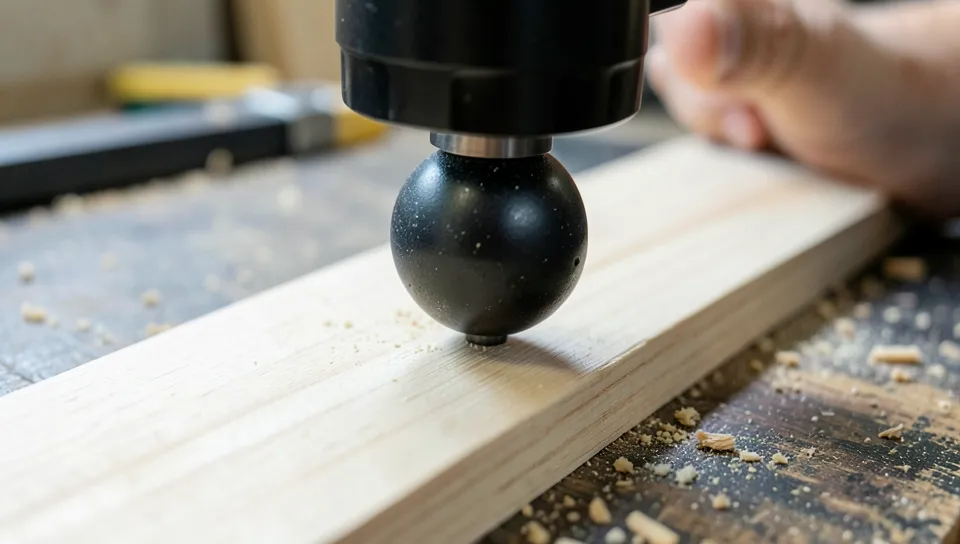
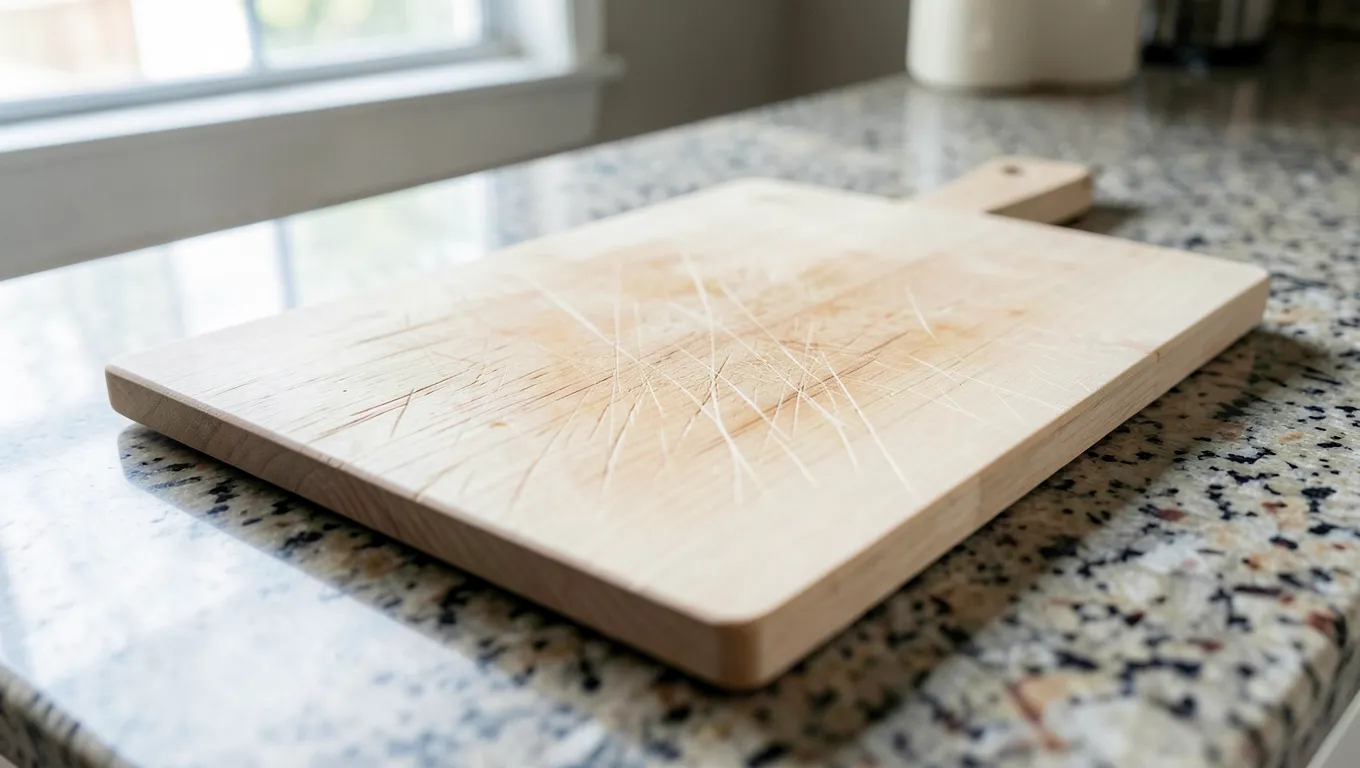
In practice, that means every knife stroke on a basswood board leaves a visible groove rather than a shallow surface mark. Those grooves widen with repeated use, and deep grooves are exactly where food residue and moisture collect between washes – the food-safety concern that follows directly from the durability shortfall, not a separate issue.
📊 Basswood’s Janka hardness rating is 410 lbf, well below the roughly 900-1,500 lbf sweet spot recommended for cutting board durability. — Source: Toolstoday Janka Hardness Chart
Basswood vs. Cutting Board Woods That Actually Work
| Wood | Janka Hardness (lbf) | Cutting Board Verdict |
|---|---|---|
| Basswood | 410 | Too soft – gouges deeply, not recommended |
| Cherry | ~950 | Good – within the recommended range |
| Black walnut | ~1,010 | Good – durable with a forgiving feel on knives |
| Hard maple | ~1,450 | Excellent – the industry-standard cutting board wood |
If You Already Have a Basswood Board
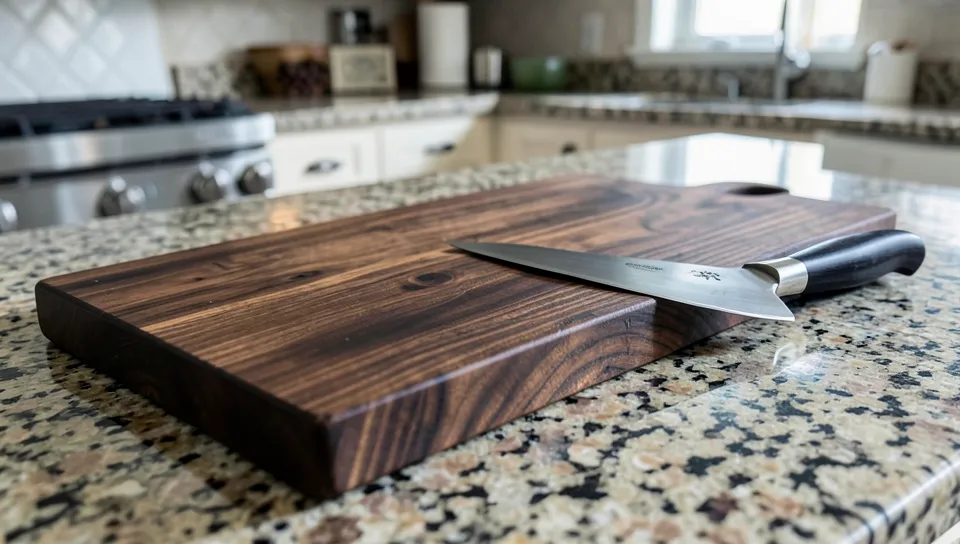
Basswood isn’t dangerous to use occasionally – it just wears faster and needs more frequent care than a harder wood. Use it for light tasks like slicing bread or soft fruit rather than heavy chopping, and follow this maintenance routine to keep it sanitary between replacements:
- Wash and dry immediately after use: don’t let moisture sit in knife grooves.
- Sand out deep grooves periodically: 150-220 grit removes the score marks where bacteria can collect.
- Re-oil after sanding: food-grade mineral oil reseals the freshly sanded surface.
- Retire it for heavy chopping duty: once grooves return quickly after sanding, move it to lighter tasks or replace it.
What Basswood Is Actually Good For
Basswood earns its popularity elsewhere in the shop – it’s a top choice for hand carving, wood burning, and detailed craft work precisely because it’s soft and easy to cut. The same low density that disqualifies it from cutting board duty is what makes it forgiving under a carving knife or wood-burning pen.
“I still keep basswood scraps around the shop – just not for anything that touches a chef’s knife more than once a week. It’s a carving wood that happens to look like it could be a cutting board.”
Comparing Other Cutting Board Wood Species
See the full types of wood guide for how species compare on hardness, grain, and food safety. On the opposite end of the durability spectrum, purpleheart is safe for cutting boards once finished – though its extreme hardness brings a different trade-off: it dulls knives faster than basswood ever would.
Frequently Asked Questions
Is basswood durable enough for cutting boards?
No. Its 410 lbf Janka hardness rating is less than half the roughly 900-1,500 lbf range recommended for cutting boards, so knife marks cut deep grooves quickly.
How does basswood compare to maple for a cutting board?
Hard maple’s Janka rating of about 1,450 lbf is more than three times basswood’s 410 lbf, making maple far more resistant to knife gouging and a better long-term choice.
Can basswood affect food safety?
Indirectly, yes – deep knife grooves that form quickly in soft basswood can trap food residue and moisture between washes, which is a bacteria risk that harder woods with shallower knife marks avoid.
Is basswood easy to maintain as a cutting board?
It requires more frequent sanding and re-oiling than a harder wood because grooves form faster, and grooves that return quickly after sanding are a sign it’s time to retire the board from heavy use.
What is basswood actually good for if not cutting boards?
Hand carving, wood burning, and detailed craft projects, where its softness and easy workability are an advantage rather than a durability liability.
Conclusion
Basswood’s Janka hardness simply isn’t built for a cutting board’s job. Save it for carving and craft work, and reach for maple, walnut, or cherry – all comfortably inside the durability range a real working cutting board needs.
Sponsored / affiliate links. As an Amazon Associate I earn from qualifying purchases. I may earn additional commission from eligible campaigns.