How to Get Kilz Off Skin (Wet Primer and Dried-On Both)
Wet Kilz comes off skin with plain soap and warm water if you catch it before it dries. Once it’s dried and set, you need mechanical or oil-based help — a pumice hand cleaner, cooking oil, or rubbing alcohol worked in with friction. Kilz is a stain-blocking primer, both oil-based (Kilz Original) and water-based (Kilz 2, Kilz Max, Kilz Restoration) versions exist, and which one you’re dealing with changes how stubborn it is.
Why It Matters Which Kilz You’re Dealing With
Best for Dried-On Primer
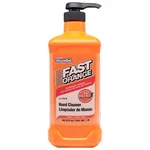 |
Fast Orange Pumice Lotion Hand Cleaner – $8.48 The pumice grit works mechanically to lift dried primer out of skin creases that soap and water alone won’t touch, without needing a harsh solvent.
|
Kilz 2, Kilz Max, and Kilz Restoration are water-based (latex) formulas — these wash off wet skin easily with soap and water since they haven’t cross-linked into a hard film yet. Kilz Original is oil-based, formulated for tough stains like water damage and smoke, and it’s noticeably harder to remove from skin even wet, since oil-based primer doesn’t emulsify with plain water the way latex does. If you’re not sure which one splashed on you, treat it as oil-based and reach for an oil-based cleanup method first.
Getting Wet Primer Off Immediately
Blot, don’t rub — rubbing wet primer into skin just works it deeper into pores and creases. For latex (water-based) Kilz, wash immediately with soap and warm water; it should lift within a wash or two. For oil-based Kilz Original, work in a small amount of cooking oil, baby oil, or a purpose-made waterless hand cleaner first to break the primer’s oil base, then follow with soap and water.
Getting Dried, Set Primer Off
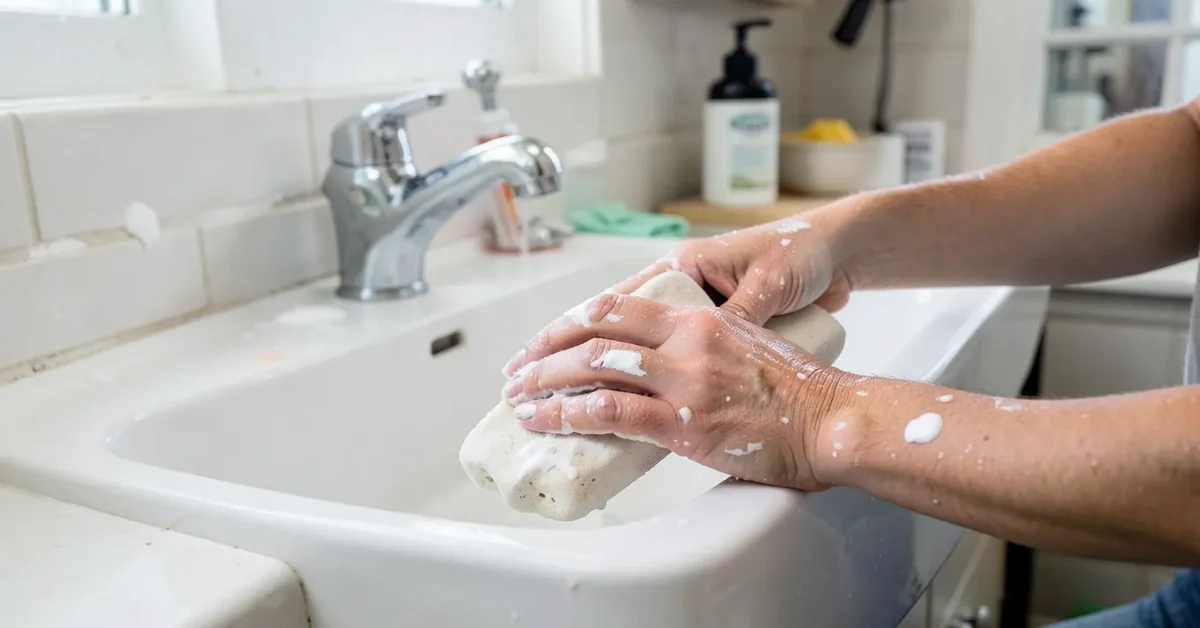
Once Kilz has fully dried on skin, plain soap and water usually isn’t enough on its own — you need something with mechanical grit or a solvent action:
- Pumice hand cleaner: the fine abrasive grit physically scrubs dried primer out of skin texture and creases without needing a harsh chemical solvent.
- Cooking oil or petroleum jelly: massage in and let sit for a minute or two to soften the primer’s binder before wiping and washing.
- Rubbing alcohol: effective on oil-based primer specifically, applied on a cotton pad and worked in with light friction, followed by a wash and moisturizer since alcohol dries skin.
Avoid actual paint stripper or lacquer thinner on skin — these are formulated for surfaces, not skin, and can cause real chemical burns and irritation. If dried primer won’t budge with the methods above, more scrubbing with a stronger household chemical is the wrong direction; give it a day (skin naturally exfoliates) and try again, or switch to a pumice cleaner.
Preventing It Next Time
Nitrile gloves handle both water- and oil-based primers better than latex, which oil-based products can degrade over time. Apply Kilz slowly and at a lower angle to reduce splatter, keep your face clear of the spray zone with sprayable formulas, and have a barrier cream or waterless hand cleaner on hand before you start, not after you’ve already got primer on your hands.
Aftercare and When to See a Doctor
Whatever method you use, moisturize afterward — oils, alcohol, and repeated washing all strip natural skin oils. Watch for redness, itching, swelling, or blistering in the hours after exposure; those are signs of irritation or an allergic reaction to the primer itself, not something a home remedy should push through. If primer residue or irritation genuinely won’t resolve with normal washing and time, see a doctor for an actual skin evaluation — there’s no legitimate cosmetic procedure (chemical peel, laser, or cryotherapy) that’s an appropriate treatment for paint residue on skin, and no dermatologist would recommend one for that purpose.
Frequently Asked Questions
What happens if I get Kilz on my skin?
Wash it off with soap and water as soon as possible. Most people have no reaction beyond needing to scrub it off, but primer chemicals can irritate sensitive skin, so don’t leave it on longer than necessary.
How do you get dried Kilz off skin?
Use a pumice hand cleaner, or work in cooking oil or petroleum jelly for a minute before washing. Rubbing alcohol on a cotton pad works well for oil-based Kilz specifically. Avoid actual paint strippers or thinners on skin.
Does Kilz wash off with just soap and water?
Water-based versions (Kilz 2, Max, Restoration) usually do if caught while wet. Oil-based Kilz Original needs an oil or solvent step first since it doesn’t mix with plain water.
Can I use paint thinner to remove Kilz from my skin?
No. Paint thinner and lacquer thinner are formulated for surfaces, not skin, and can cause chemical burns or serious irritation. Use a pumice hand cleaner, cooking oil, or rubbing alcohol instead.
Bottom Line
Soap and water handles wet latex primer; dried-on primer needs a pumice cleaner, oil, or rubbing alcohol worked in with some friction. Skip anything meant for painted surfaces, not skin, and give a stubborn stain a day rather than reaching for something stronger.
Sponsored / affiliate links. As an Amazon Associate I earn from qualifying purchases. I may earn additional commission from eligible campaigns.