How to Get Paint off of LVP Flooring: Easy Clean-Up Tips
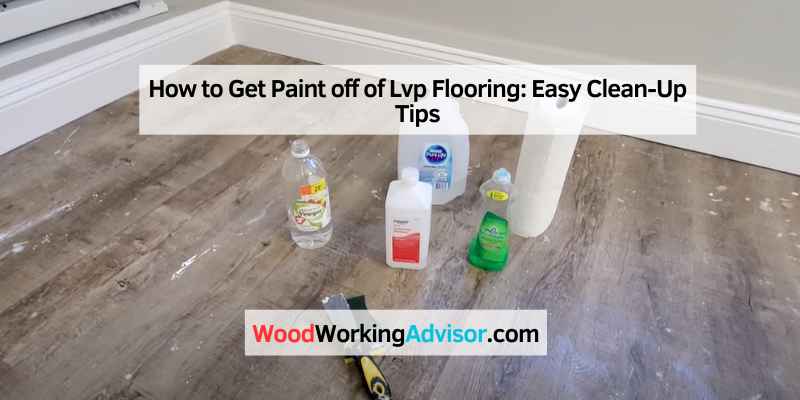
To get paint off of LVP flooring, you can try using a wet rag to remove wet paint or using ammonia or acetone for dried paint. Another method is to mix equal parts white vinegar and warm water and dip a cloth in the mixture to remove the paint.
It is important not to use harsh cleaners or chemicals that may damage the flooring. Additionally, avoid covering the floors with construction paper or plastic for extended periods of time.
Introduction To LVP Flooring Care
To remove paint from LVP flooring, start by using a wet rag to remove wet paint and a scrubby for dried paint. For tougher paint stains, use a mixture of equal parts white vinegar and warm water or a solution of equal parts water, rubbing alcohol, and vinegar with a few drops of dish soap.
Avoid using harsh chemicals or cleaners that could damage the flooring.
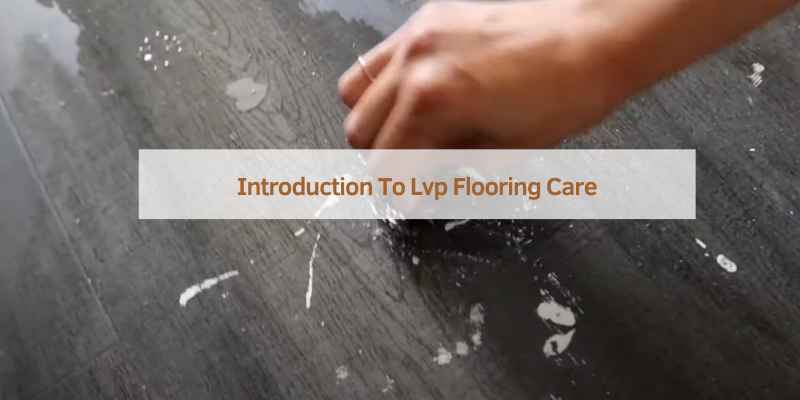
Luxury Vinyl Plank (LVP) flooring is a popular choice for homeowners and businesses alike due to its durability, affordability, and easy maintenance. However, even with proper care, accidents can happen, and paint spills or splatters can occur on your LVP flooring. Removing paint from LVP flooring can be a challenging task, but with the right techniques and tools, it can be done effectively without damaging the floor.
Common Challenges
Removing paint from LVP flooring can be challenging, especially if the paint has dried or if it’s oil-based. Some common challenges include:
- Dried paint that has hardened and adhered to the surface of the flooring
- Oil-based paint that is more difficult to remove than water-based paint
- Porous flooring that absorbs the paint, making it harder to remove
Preventive Measures
Prevention is key when it comes to keeping your LVP flooring looking its best. Here are some preventive measures that you can take to avoid paint spills or splatters on your flooring:
- Always cover your flooring before starting any painting projects in the area
- Use drop cloths or plastic sheets to cover the flooring
- Ensure that the edges of the covering are securely taped down
- Wear protective clothing and footwear when painting to avoid accidental spills or splatters
- Use a paintbrush with a steady hand and avoid overloading it with paint
By taking these preventive measures, you can avoid paint spills or splatters on your LVP flooring and save yourself the hassle of having to remove paint from it.
In conclusion, LVP flooring is a durable and easy-to-maintain flooring option that can add value and style to your home or business. However, accidents can happen, and paint spills or splatters are a common occurrence. By following these preventive measures and using the right techniques and tools, you can effectively remove paint from your LVP flooring without damaging it.
Preparation For Paint Removal
To remove paint from LVP flooring, start by using a wet rag to lift fresh paint and acetone for dried paint. Avoid harsh chemicals like paint thinner to prevent damage. Another effective method is mixing white vinegar and warm water to gently remove paint stains.
Gathering Essential Supplies
Before you begin the paint removal process, it’s important to gather all the necessary supplies. You’ll need a few items to make the job easier and more efficient. Here are the essential supplies you’ll need:
- Protective gloves
- Protective goggles
- Paint scraper
- Plastic putty knife
- Ammonia or Acetone
- Clean rags
- Bucket of warm water
- Mild soap or dish detergent
Protecting Surrounding Areas
When you are removing paint from Luxury Vinyl Plank (LVP) flooring, it’s important to protect the surrounding areas. You don’t want to accidentally damage your walls or baseboards in the process. Cover the areas around the flooring with a plastic sheet or painter’s tape to ensure that no paint gets on them.
Pro Tip:
To prevent scratches on the LVP flooring, place a soft cloth or towel underneath the plastic sheet or painter’s tape.
Preparing The LVP Flooring
Before you start removing the paint, make sure the LVP flooring is clean and free of debris. Sweep or vacuum the flooring thoroughly to remove any dirt or dust particles. Once the flooring is clean, you can begin the paint removal process using the supplies you gathered earlier.
Pro Tip:
If the paint is still wet, use a wet rag to wipe it off. For dried paint, use a paint scraper or plastic putty knife to gently scrape it off the LVP flooring.
By following these preparation steps, you’ll be able to remove paint from your LVP flooring with ease and without damaging the surrounding areas.
Identifying The Type Of Paint
Before attempting to remove paint from LVP flooring, it’s crucial to identify the type of paint that has been spilled. This will help in determining the most effective removal method without causing damage to the flooring.
Water-based Vs. Oil-based
Water-based paints are easier to remove from LVP flooring compared to oil-based paints. They can often be lifted with a damp cloth or mild cleaning solution. On the other hand, oil-based paints require more aggressive removal methods and may necessitate the use of solvents.
Special Considerations For Dried Paint
If the paint has dried on the LVP flooring, additional care must be taken during the removal process. Dried water-based paint can often be softened with warm soapy water, while dried oil-based paint may require the use of acetone or paint thinners. It’s important to test any removal method in a small, inconspicuous area first to ensure it doesn’t damage the flooring.
Methods For Wet Paint Removal
When it comes to dealing with wet paint on your luxury vinyl plank (LVP) flooring, it’s important to act quickly and use the right techniques to avoid permanent damage. In this article, we will discuss effective methods for wet paint removal from LVP flooring.
Using A Wet Rag
If you notice wet paint on your LVP flooring, one of the simplest and most immediate methods is to use a wet rag. Here’s how you can do it:
- Dampen a clean cloth or rag with warm water.
- Gently blot the wet paint stain, avoiding rubbing or scrubbing as it may spread the paint.
- Continue blotting until the paint is no longer transferring onto the cloth.
- If necessary, you can add a small amount of mild dish soap to the water for better cleaning.
- Once the paint is removed, rinse the area with clean water and dry it thoroughly.
Soapy Water Technique
If the wet paint stain is stubborn and not easily removed with a wet rag, you can try the soapy water technique. Follow these steps:
- In a bucket or container, mix equal parts of warm water and mild dish soap.
- Dampen a clean sponge or cloth in the soapy water solution.
- Gently scrub the paint stain in a circular motion, applying light pressure.
- Rinse the area with clean water and dry it thoroughly.
Remember to test the soapy water solution on a small, inconspicuous area of your LVP flooring before applying it to the paint stain to ensure it doesn’t cause any discoloration or damage.
By using these methods for wet paint removal, you can effectively clean your LVP flooring and restore its original appearance. It’s important to act quickly and avoid using harsh chemicals or abrasive materials that may damage the flooring surface. Always test any cleaning solution on a small area first and consult the manufacturer’s guidelines for specific cleaning recommendations.
Techniques For Dried Paint Removal
Removing dried paint from LVP flooring can be a challenging task, but with the right techniques, it can be done effectively. Here are some methods you can use to tackle dried paint removal:
Scraping Carefully
When dealing with dried paint on LVP flooring, it’s crucial to scrape carefully to avoid damaging the surface. Use a gentle touch and a plastic paint scraper to slowly remove the dried paint without causing any scratches.
Using A Plastic Paint Scraper
A plastic paint scraper is an excellent tool for removing dried paint from LVP flooring. Its soft material helps prevent scratching while effectively lifting the dried paint off the surface. Use it in a gentle, back-and-forth motion to loosen the paint.
Applying Heat Gently
Another effective method for removing dried paint from LVP flooring is by applying heat gently. Use a hairdryer or heat gun on a low setting to warm up the dried paint, making it easier to scrape off. Be cautious not to overheat the area, as it may damage the flooring.
Chemical Solutions And Safety
When it comes to removing paint from LVP flooring, chemical solutions can be a highly effective option. However, it’s crucial to prioritize safety when using these solutions to avoid damaging the flooring. Here are some chemical solutions and safety precautions to consider:
Using Rubbing Alcohol
Rubbing alcohol can be a gentle yet effective solution for removing paint from LVP flooring. It’s essential to test it in an inconspicuous area first to ensure it won’t cause damage. If the test is successful, apply rubbing alcohol to a clean cloth and gently rub the paint until it starts to lift.
Applying Acetone With Caution
Acetone can be a powerful paint remover, but it should be used with caution on LVP flooring. It’s important to apply acetone sparingly and avoid prolonged contact with the flooring to prevent any potential damage. After applying acetone, be sure to thoroughly clean the area with a mild detergent and water to remove any residue.
Avoiding Damaging Chemicals
When choosing chemical solutions for paint removal, it’s crucial to avoid harsh and damaging chemicals such as mineral spirits, turpentine, or paint thinners. These chemicals can cause irreparable damage to LVP flooring, compromising its appearance and durability. Always opt for gentle and safe solutions to protect the integrity of the flooring.
Natural And DIY Solutions
When it comes to removing paint from LVP flooring, there are natural and DIY solutions that can effectively tackle the task without causing damage. These solutions are not only gentle on your floors but also easy to prepare and use. Let’s explore some of the most effective natural and DIY methods for removing paint from LVP flooring.
Vinegar And Water Mixture
If you’re dealing with fresh paint stains on your LVP flooring, a simple mixture of vinegar and water can be surprisingly effective. Here’s how to prepare and use it:
- Prepare a solution using equal parts of white vinegar and water.
- Apply the mixture directly to the paint stains on your LVP flooring.
- Gently scrub the area with a soft-bristled brush or cloth to lift the paint.
- Rinse the area with clean water and dry it thoroughly.
Homemade Cleaning Solution
For tougher paint stains or dried paint on LVP flooring, a homemade cleaning solution can come to the rescue. Here’s a simple recipe to create your own effective cleaning solution:
| Ingredients | Instructions |
|---|---|
| Equal parts water, rubbing alcohol, and vinegar | Mix the ingredients in a spray bottle or bowl. |
| A few drops of dish soap | Add the dish soap and mix until suds form. |
Once you have your homemade cleaning solution ready, follow these steps to remove the paint:
- Spray or apply the solution directly to the paint stains on your LVP flooring.
- Allow it to sit for a few minutes to soften the paint.
- Gently scrub the area with a soft brush or cloth until the paint starts to lift.
- Rinse the area with clean water and dry it thoroughly.
Finishing Touches And Maintenance
Looking for ways to get paint off of LVP flooring? There are a few methods you can try, such as using a wet rag, ammonia, or acetone. Another effective option is to mix equal parts white vinegar and warm water and dip a cloth in the solution to remove the paint.
Just be sure to avoid using harsh cleaners or chemicals that may damage the flooring.
Cleaning The Area
To clean the area where the paint has been removed, use a mild detergent mixed with warm water. Dip a clean cloth in the solution and gently scrub the area to remove any residue or stains left behind by the paint removal process. Make sure to thoroughly rinse the area with clean water and dry it with a soft cloth to prevent any water damage to the flooring.
Preventive Care For Future Spills
To prevent future spills from causing damage to your LVP flooring, consider using area rugs or mats in high-traffic areas or places prone to spills, such as the kitchen or entryways. Additionally, be mindful of using furniture pads or felt protectors under heavy furniture to prevent scratches or dents.
Frequently Asked Questions
How To Remove Dried Paint From LVP Floor?
To remove dried paint from LVP floor, use a wet rag to gently scrub the area. If the paint is still stubborn, try using ammonia or acetone with a soft cloth. Avoid using harsh chemicals that may damage the floor.
Always test any cleaning solution in a small, inconspicuous area first.
Will Paint Thinner Damage LVP?
Avoid using paint thinner on LVP as it can damage the finish. Harsh chemicals like mineral spirits, turpentine, and other cleaners should also be avoided. Instead, use a wet rag or a mixture of equal parts white vinegar and warm water to remove paint.
Avoid covering the floors with construction paper or plastic for extended periods of time.
How Do You Remove Dried Paint From Laminate Flooring?
To remove dried paint from laminate flooring, mix equal parts water, rubbing alcohol, and vinegar. Add a few drops of dish soap and mix until suds form. This solution can lift any kind of paint, including water-based paints. Don’t use harsh chemicals like mineral spirits or turpentine, as they may damage the finish.
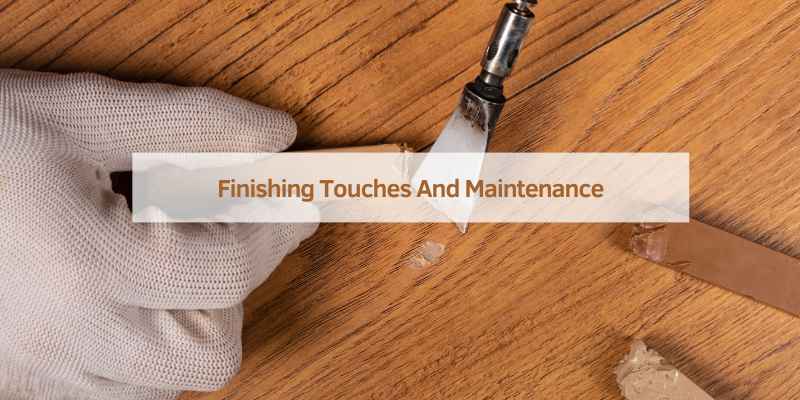
Instead, use isopropyl alcohol for cleaning tests on wood, laminate, and luxury vinyl flooring. Scrape off the paint with a plastic paint scraper or razor blade, being careful not to damage the flooring.
Does Rubbing Alcohol Damage Vinyl Flooring?
Rubbing alcohol does not damage vinyl flooring. It is safe and effective for cleaning vinyl floors.
Conclusion
Removing paint from LVP flooring can be tackled with simple solutions like wet rags, ammonia, or acetone. Avoid harsh chemicals that may damage the flooring. A mixture of white vinegar and warm water can also be effective. Remember to act promptly for best results.