How To Get Termites Out Of Wood: Proven Fix
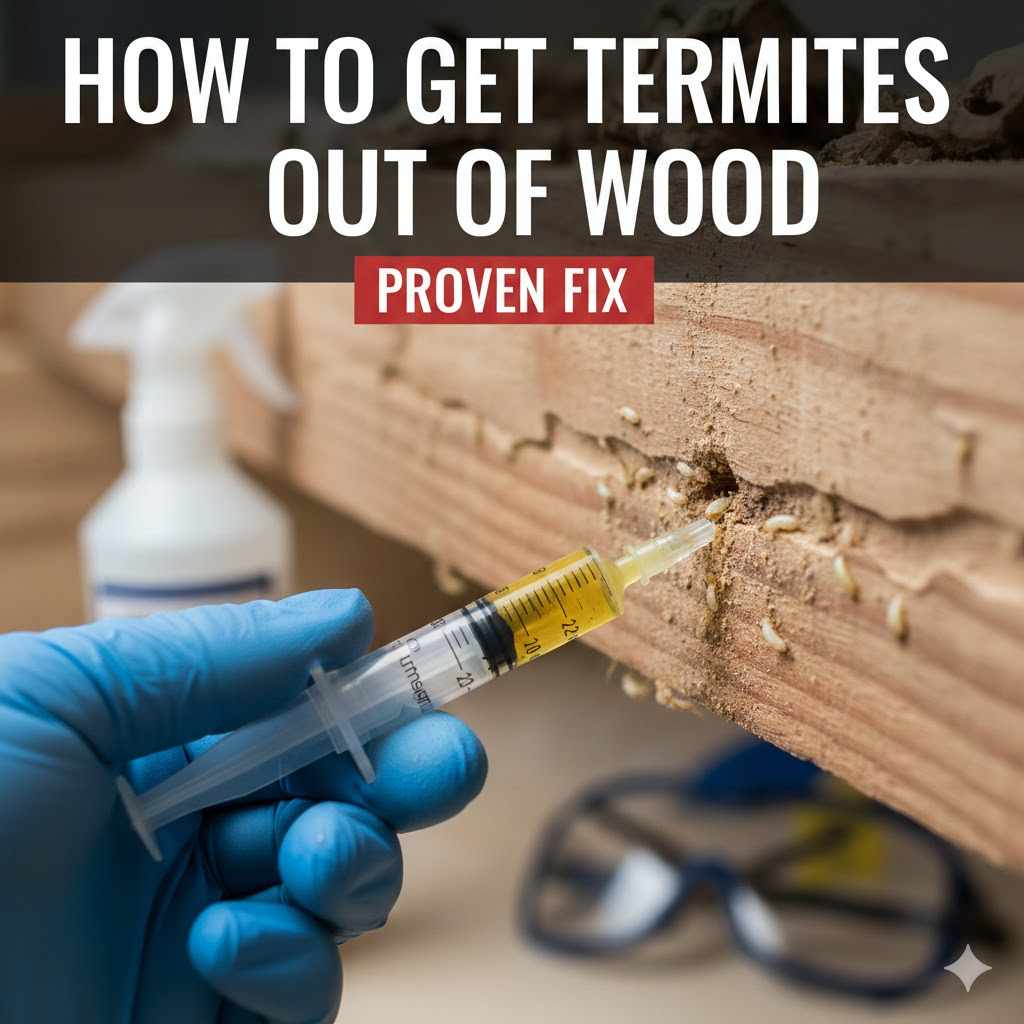
If you find termites eating your wood, you can effectively eliminate them using focused treatments like borate solutions, heat treatments, or targeted pesticides, followed by sealing the wood to prevent reinfestation. Early action saves your structures.
Seeing tiny tunnels or droppings around your cherished wooden furniture or home beams is never fun. Termites are tiny invaders, but they can cause huge headaches! If you suspect these pests are feasting on your wood, don’t panic. Dealing with them is totally manageable, even if you’re new to DIY pest control. As your woodworking mentor, I’ll show you simple, safe ways to get termites out of wood and keep them from coming back. We will walk through inspection, treatment options, and protection plans so you can secure your wood with confidence.
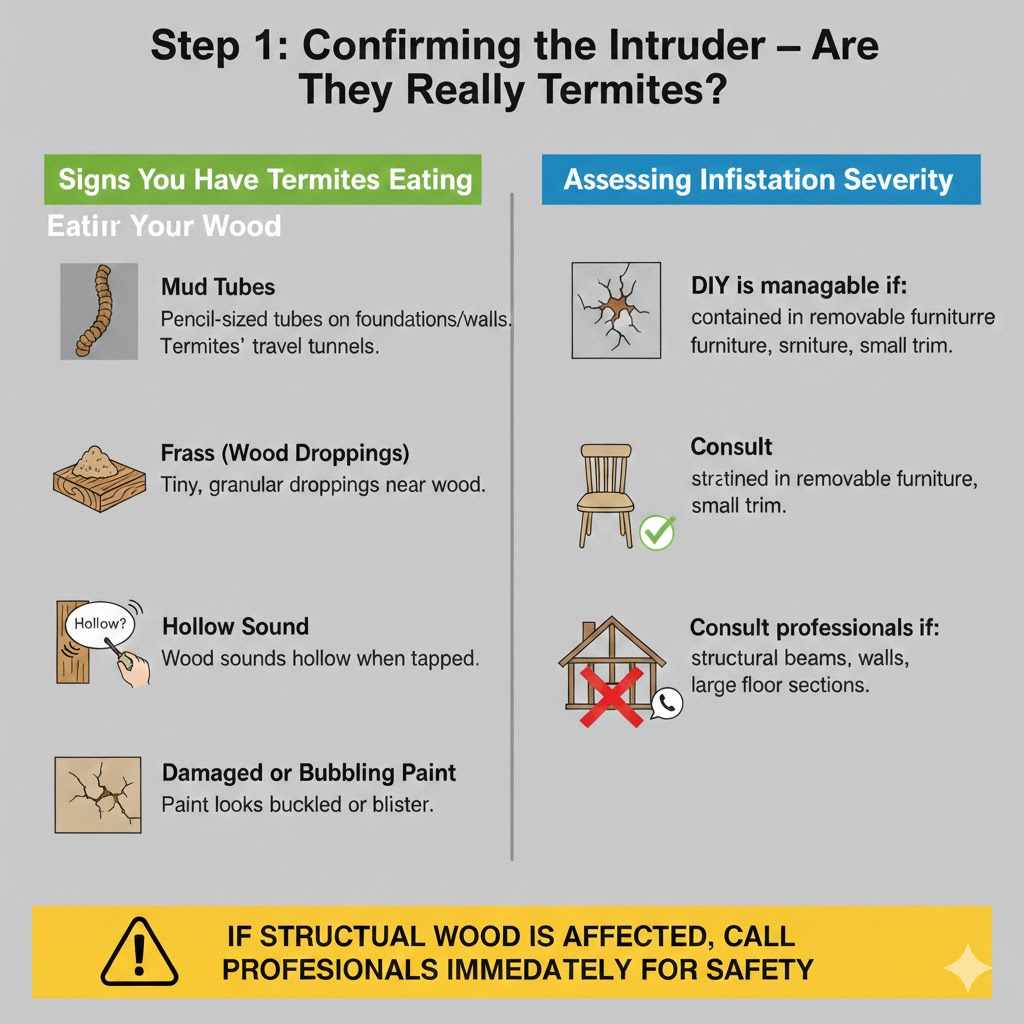
Step 1: Confirming the Intruder – Are They Really Termites?
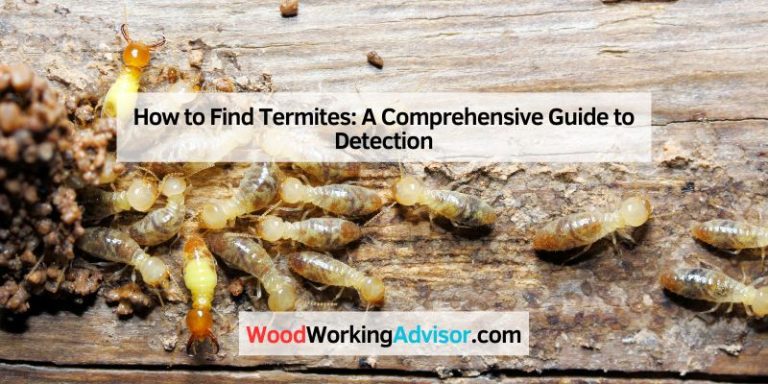
Before we start waging war, we must be sure our enemy is termites and not ants or powderpost beetles. Misidentifying the pest leads to ineffective treatment. Termites are often called “silent destroyers” because you usually find damage before you see the bugs themselves.
Signs You Have Termites Eating Your Wood
Look closely at the wood. Termites prefer moisture and hidden spots, but here are the tell-tale signs you need to investigate further:
- Mud Tubes: Subterranean termites (the most common type) build pencil-sized tunnels made of soil and wood debris connecting the ground to the wood structure.
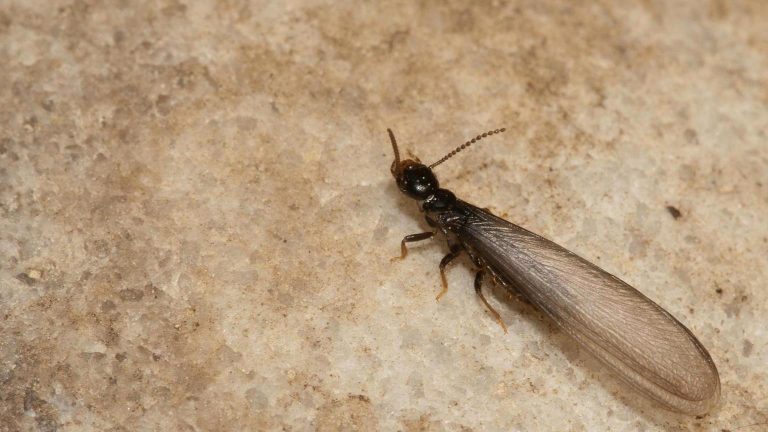
- Swarmers or Discarded Wings: Seeing small, winged insects inside or near windows, or finding piles of small, clear, equal-sized wings means a colony is nearby.
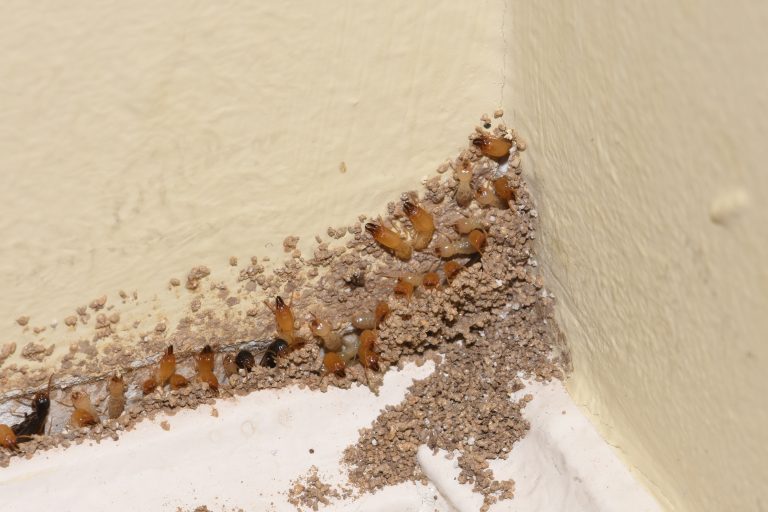
- Damaged Wood Texture: Termite tunnels usually look like dirt-filled, meandering pathways inside the wood. They leave the thin top layer intact, making the wood sound hollow when tapped. (Ants tend to tunnel more neatly, often creating smooth, sawdust-like piles, called frass.)
- Bubbled or Blistered Wood: Wood damaged by dampwood termites can sometimes appear slightly darker or blistered on the surface.
If you are unsure, take a small sample or a clear photo of the suspect area. For major infestations involving structural wood (like beams or support posts), consulting a certified pest control professional (exterminator) is always the safest, most secure bet for structural integrity.
Step 2: Assessing the Damage and Scale of Infestation
How badly is the wood damaged? This step helps us choose the right fix. Is it a small, standalone piece of furniture, or is the damage inside the walls of your home?
For beginners tackling furniture or movable wood (like fence posts or small sheds), direct treatment methods work well. For established house infestations, professional help is usually required for comprehensive eradication.
Minor vs. Major Infestations
| Infestation Level | Typical Location | Recommended Initial Action |
|---|---|---|
| Minor (DIY-Friendly) | Wooden furniture, small firewood stacks, decorative wood items, surface-level deck wood. | Direct topical treatment, freezing, or localized heat application. |
| Major (Professional Recommended) | Structural supports (joists, sill plates), extensive foundation wood contact, widespread visible damage inside walls. | Contact a licensed Pest Control Operator (PCO) for whole-structure treatment plans. |
Remember the goal: we want to kill the termites currently eating the wood and stop new ones from taking over. For the scope of this guide, we will focus on effective treatments for wood you can safely access.
Step 3: Proven Methods to Get Termites Out Of Wood
We have several powerful, beginner-friendly options for eradicating termites right out of the wood. Choose the method that best suits the item you are treating, focusing on direct contact or total wood saturation.
Method 1: Using Borate-Based Wood Treatments (The Penetrating Solution)
Borate treatments are fantastic because they kill existing termites and act as a long-lasting preservative shield against future attacks. Borates, derived from boric acid, are very toxic to insects but generally safe for humans and pets once dry, provided you follow label directions. They are especially effective against subterranean and drywood termites.
How to Apply Borate Solution
- Preparation: Ensure the wood surface is clean and dry. If the wood is painted or sealed, you might need to lightly sand it down so the borate solution can soak in effectively.
- Mixing: Purchase a pre-mixed liquid borate solution or mix the dry powder according to the manufacturer’s instructions (usually a specific ratio with water).
- Application: Apply liberally using a brush, roller, or low-pressure sprayer. You must thoroughly wet all accessible surfaces.
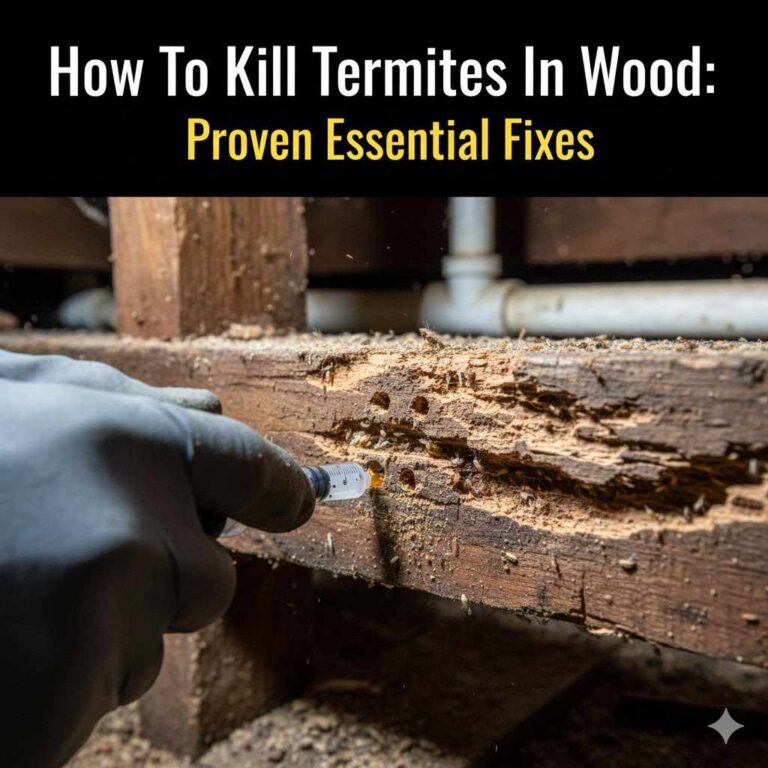
- Saturation is Key: For maximum effectiveness in infested areas, try to drill small, shallow holes (about 1/8 inch wide) directly into visible galleries or tunnels. Spray or inject the borate solution directly into these holes until the wood swells slightly or drips out.
- Drying Time: Allow the wood to dry completely, which can take 24 to 72 hours depending on humidity. Reapply if the wood appears very porous.
Expert Tip: Borates work best when the wood stays dry afterward, as heavy leaching by rain can wash away the protective concentration. This method is ideal for indoor wood or wood protected from the weather, like framing studs.
Method 2: Heat Treatment (The Organic Killer)
Extreme heat is a 100% non-chemical way to eliminate termites from smaller items. Termites cannot survive high temperatures for sustained periods. This method is perfect for wood furniture, picture frames, or artifacts.
Tools for Heat Treatment
- Oven (for small items)
- Commercial Heat Chamber (for larger pieces, usually rented or provided by specialists)
- Infrared Heat Gun (for localized exterior treatment, use with extreme caution)
The Oven Method (For Movable Items)
- Set your conventional oven to a low temperature, around 130°F to 150°F (54°C to 66°C). Higher temperatures risk scorching your item.
- Place the infested wood item inside. Do not overload the oven.
- Keep the wood in the oven for a minimum of 60 minutes, monitoring carefully to prevent overheating or fire.
- Allow the item to cool down slowly in a safe place.
Safety Note: Do not use this method on items containing plastics, glues that melt easily, or electronics. Check the temperature tolerance of your specific wood item first.
Method 3: Direct Insecticides and Foams (The Knockdown Power)
When you need to kill active colonies rapidly inside voids or accessible galleries, professional-grade foaming insecticides can be very effective. These often contain active ingredients that penetrate deep into the tunnels.
Applying Insecticide Foams
- Identify entry points or visible galleries in the wood.
- Use a long, thin applicator nozzle (often included with the product) to inject the foam directly into these voids.
- The foam expands slightly, filling the hidden pathways and suffocating or coating the insects upon contact.
- Always choose products specifically labeled for termite eradication. You can find guidance on registered products through the Environmental Protection Agency (EPA) website, such as their resources on pesticide use guidelines (EPA Pesticide Resources).
This method is fast but doesn’t always offer the long-term residual protection that borates provide once the immediate colony threat is neutralized.
Method 4: Freezing Treatment (Cold Shock Therapy)
Similar to heat, intense cold kills termites. This is best for smaller, durable wooden objects.
- Wrap the wood tightly in heavy plastic bags to protect it from freezer burn and moisture.
- Place the bagged item into a deep freezer set below 0°F (-18°C).
- Leave the wood frozen for at least 72 hours. This ensures that any insect deep within the wood reaches a fatal temperature.
- Allow the wood to thaw slowly indoors.
Step 4: Sealing and Protecting the Wood Against Re-entry
Getting the existing termites out is only half the battle. As DIY woodworkers, we pride ourselves on lasting craftsmanship, and that means future-proofing the wood! Once the treatment has dried and you are sure the pests are gone, sealing the wood is your shield.
Importance of Sealing
Termites are constantly searching for unprotected wood. A good seal prevents moisture intrusion (which attracts pests) and blocks easy access points for subterranean termites trying to build mud tubes on the surface.
Effective Protective Coatings
- Exterior Wood: Use high-quality stains and exterior paints designed to resist moisture penetration. For wood in contact with the ground or concrete (like deck footings), apply a thick asphalt-based waterproofing sealant or a specialized termite-repellent primer after primary treatment.
- Interior Wood: After treating furniture or interior trim, apply several coats of durable polyurethane, varnish, or quality shellac. The goal here is to create a hard, non-porous barrier.
- Termite Shield Paints: Specialized primers contain low levels of residual insecticide designed to deter insects crawling across the painted surface. These are great for exposed structural wood surfaces once deemed clear of active infestation.
Step 5: Wood Replacement and Prevention Strategies
If the wood structure is severely compromised (it crumbles easily, sounds mushy, or you can easily push a screwdriver through it), treating it isn’t enough. Compromised structural wood must be carefully removed and replaced by a professional or someone experienced in structural repair. Remember, safety first—never compromise structural integrity.
Long-Term Prevention for Homeowners
Termite prevention is the easiest work you’ll ever do. It involves simple maintenance that removes the three things termites love most: food (wood), moisture, and shelter.
Key Prevention Checklist
- Control Moisture: Fix leaky pipes, ensure gutters drain water away from the foundation, and use dehumidifiers in damp basements or crawl spaces. This is the single most important step for stopping subterranean termites.
- Maintain the Barrier: Keep soil and mulch at least six inches away from any wood siding or framing. If you stack firewood, keep it off the ground and away from the house structure.
- Regular Inspection: Make it a habit to visually inspect your foundation perimeter and accessible wooden areas every spring. Look for new cracks, mud tubes, or signs of peeling paint.
- Use Treated Lumber: When building decks, fences, or replacing wood near the ground, always use wood rated as Pressure Treated (PT) or naturally decay-resistant wood like cedar or redwood for ground contact applications.
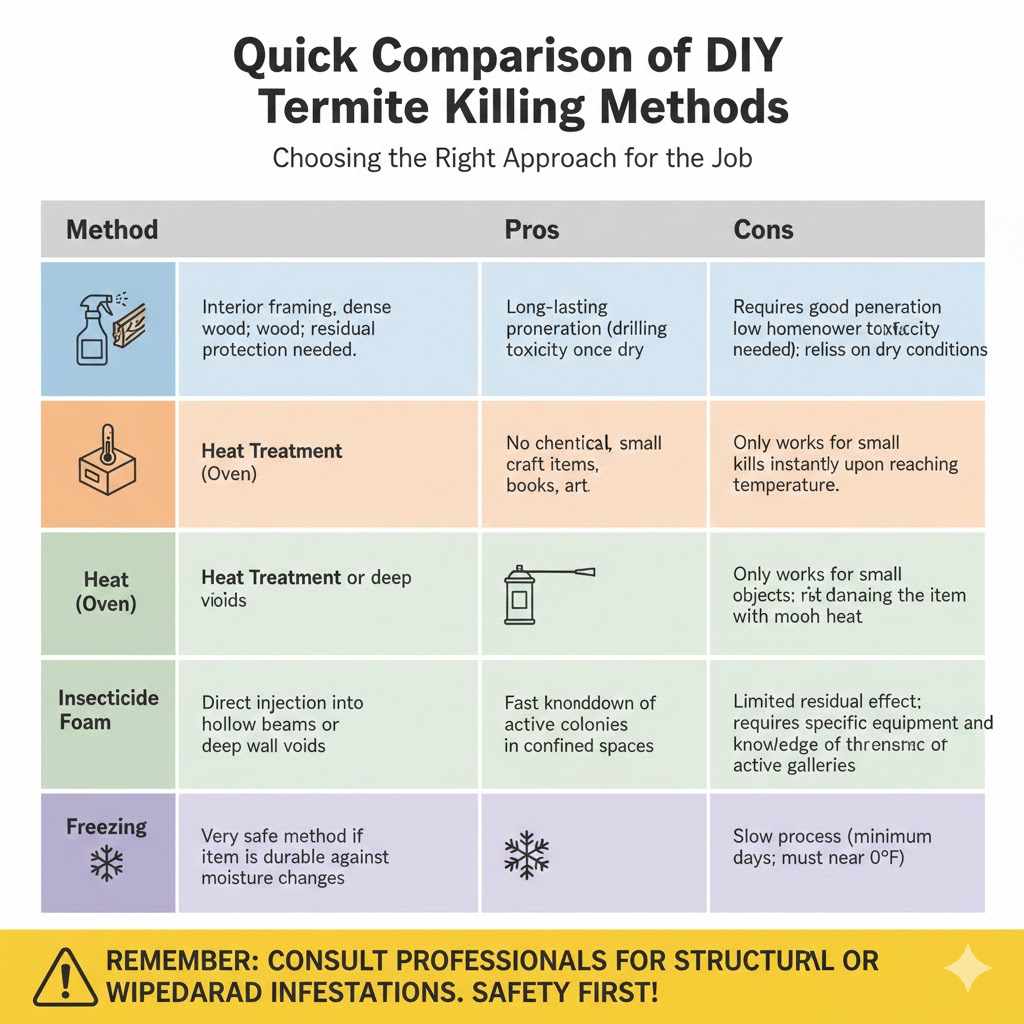
Quick Comparison of DIY Termite Killing Methods
Deciding which method is best often depends on what you are treating. Here is a quick guide to help you choose your approach.
| Method | Best For | Pros | Cons |
|---|---|---|---|
| Borate Solutions | Interior framing, dense wood; residual protection needed. | Long-lasting protection, low homeowner toxicity once dry. | Requires good penetration (drilling sometimes needed); relies on dry conditions. |
| Heat Treatment (Oven) | Furniture, small craft items, books, art. | No chemical residue; kills instantly upon reaching temperature. | Only works for small, movable objects; risk of damaging the item with too much heat. |
| Insecticide Foam | Direct injection into hollow beams or deep wall voids. | Fast knockdown of active colonies in confined spaces. | Limited residual effect; requires specific equipment and knowledge of active galleries. |
| Freezing | Small, sensitive items unsuitable for high heat. | Very safe method if the item is durable against moisture changes. | Slow process (minimum 3 days); must be near 0°F. |
When dealing with materials outside your usual DIY scope, like historic wood or massive structural components, remember that resources like university agricultural extensions often provide local advice tailored to regional pests (National Center for Home & Farm Management resources might offer state-specific guidance).
Frequently Asked Questions (FAQ) for New DIYers
Q1: Can I kill termites with vinegar?
While vinegar is sometimes suggested for ants, it is generally ineffective at killing established, deep-seated termite colonies. It might kill a few surface workers, but it will not penetrate the galleries deep inside the wood where the queen resides. For proven results, stick to borates or heat treatments.
Q2: How long does it take for borate treatment to work?
Borates work as termites consume the treated wood. If the wood is heavily infested, it might take several weeks for the poison to travel through the colony, leading to death. The goal is consistent exposure, not immediate impact.
Q3: Is DIY termite treatment safe for my pets?
Safety depends entirely on the product used. Borate treatments are safe once they have completely dried and cured on the wood surface. Pesticide foams must be kept away from pets and children until the area is fully aired out and the product manufacturer states it is safe for re-entry. Always read the label before using any chemical near your family or pets.
Q4: If I treat one piece of wood, will the termites just move to another piece?
Yes, if the root cause (moisture or food source access) isn’t addressed, the colony will move. This is why treating one piece without implementing overall moisture control and wood sealing is a temporary fix. You must address the source of attraction, usually water, to prevent future invasions.
Q5: How do I know if the termites are truly gone after treatment?
True confirmation involves consistent observation over several months. Look for a complete absence of new mud tubes, new exit holes, or signs of active sawdust (frass). If you treated structural wood and are worried, scheduling an annual inspection with a professional exterminator offers peace of mind.
Q6: Can termites survive a typical painting job?
A single coat of regular latex paint is not a termite barrier. Termites can often push right through drying latex paint or use microscopic gaps to gain access. You need specialized termite-resistant primers or thick, oil-based, penetrating sealants for effective long-term wood protection against reinfestation.
Conclusion: Building Your Defense Against Wood Pests
Seeing signs of termites can feel overwhelming, but now you have several proven, actionable strategies right at your fingertips. Whether you choose the deep-penetrating power of borates for long-term protection or the quick, clean approach of heat treatment for an infested chair, successful eradication relies on thorough application and diligence.
Remember that getting termites out of wood is an ongoing commitment. You’ve learned how to identify the issue, apply powerful treatments directly to the source, and, most importantly, seal and protect your wood for the future. Keep your moisture levels low, keep wood away from direct soil contact, and inspect periodically. With these simple woodworking mentor tips, you can rest easy knowing your wooden investments are secure and built to last!